
具体描述
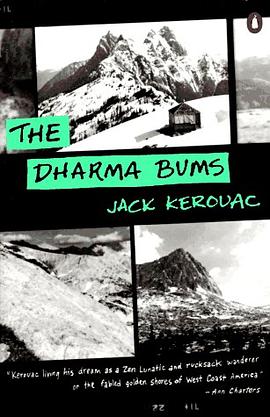
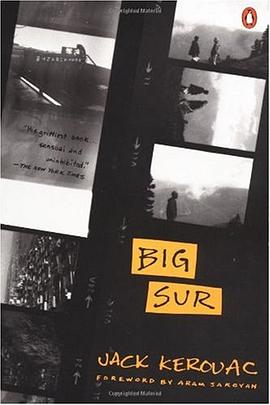
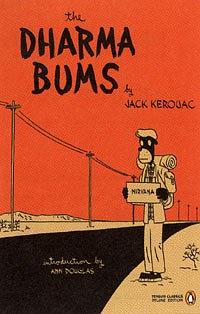
A deluxe edition of Kerouac's 1958 classic
Published just one year after On The Road, this is the story of two men enganged in a passionate search for Dharma or truth. Their major adventure is the pursuit of the Zen Way, which takes them climbing into the High Sierras to seek the lesson of solitude.
For more than seventy years, Penguin has been the leading publisher of classic literature in the English-speaking world. With more than 1,700 titles, Penguin Classics represents a global bookshelf of the best works throughout history and across genres and disciplines. Readers trust the series to provide authoritative texts enhanced by introductions and notes by distinguished scholars and contemporary authors, as well as up-to-date translations by award-winning translators.
作者简介
Born on March 12, 1922, in Lowell, Massachusetts, Jack Kerouac's writing career began in the 1940s, but didn't meet with commercial success until 1957, when On the Road was published. The book became an American classic that defined the Beat Generation. Kerouac died on October 21, 1969, from an abdominal hemorrhage, at age 47.
Early Life
Famed writer Jack Kerouac was born Jean-Louis Lebris de Kerouac on March 12, 1922, in Lowell, Massachusetts. A thriving mill town in the mid-19th century, Lowell had become, by the time of Jack Kerouac's birth, a down-and-out burg where unemployment and heavy drinking prevailed. Kerouac's parents, Leo and Gabrielle, were immigrants from Quebec, Canada; Kerouac learned to speak French at home before he learned English at school. Leo Kerouac owned his own print shop, Spotlight Print, in downtown Lowell, and Gabrielle Kerouac, known to her children as Memere, was a homemaker. Kerouac later described the family's home life: "My father comes home from his printing shop and undoes his tie and removes [his] 1920s vest, and sits himself down at hamburger and boiled potatoes and bread and butter, and with the kiddies and the good wife."
Jack Kerouac endured a childhood tragedy in the summer of 1926, when his beloved older brother Gerard died of rheumatic fever at the age of 9. Drowning in grief, the Kerouac family embraced their Catholic faith more deeply. Kerouac's writing is full of vivid memories of attending church as a child: "From the open door of the church warm and golden light swarmed out on the snow. The sound of the organ and singing could be heard."
Kerouac's two favorite childhood pastimes were reading and sports. He devoured all the 10-cent fiction magazines available at the local stores, and he also excelled at football, basketball and track. Although Kerouac dreamed of becoming a novelist and writing the "great American novel," it was sports, not writing, that Kerouac viewed as his ticket to a secure future. With the onset of the Great Depression, the Kerouac family suffered from financial difficulties, and Kerouac's father turned to alcohol and gambling to cope. His mother took a job at a local shoe factory to boost the family income, but, in 1936, the Merrimack River flooded its banks and destroyed Leo Kerouac's print shop, sending him into a spiral of worsening alcoholism and condemning the family to poverty. Kerouac, who was, by that time, a star running back on the Lowell High School football team, saw football as his ticket to a college scholarship, which in turn might allow him to secure a good job and save his family's finances.
Upon graduating from high school in 1939, Kerouac received a football scholarship to Columbia University, but first he had to attend a year of preparatory school at the Horace Mann School for Boys in Brooklyn. So, at the age of 17, Kerouac packed his bags and moved to New York City, where he was immediately awed by the limitless new experiences of big city life. Of the many wonderful new things Kerouac discovered in New York, and perhaps the most influential on his life, was jazz. He described the feeling of walking past a jazz club in Harlem: "Outside, in the street, the sudden music which comes from the nitespot fills you with yearning for some intangible joy—and you feel that it can only be found within the smoky confines of the place." It was also during his year at Horace Mann that Kerouac first began writing seriously. He worked as a reporter for the Horace Mann Record, and published short stories in the school's literary magazine, the Horace Mann Quarterly.
The following year, in 1940, Kerouac began his freshman year as a football player and aspiring writer at Columbia University. However, he broke his leg in one of his first games and was relegated to the sidelines for the rest of the season. Although his leg had healed, Kerouac's coach refused to let him play the next year, and Kerouac impulsively quit the team and dropped out of
目录信息
读后感
如果说我还是十七八岁,那么这本书可能会让我激动好多天。是的,直接,追问自己,彻头彻尾的尝试离开城市。但对于现在的我来说,连这本书都已衰老。想通过阅读这本书达到什么是不可能的,但是努力的修持和谦逊,将会让生命像雪山一样熠熠生辉。保持一种生活的态度,不论如何困...
评分早晨站在阳台很久,阳光大好,北京少见的蓝天白云,眯着眼,一年到头也不过见早晨的太阳三四次面而已。昨夜喝的酒精已经积蓄到脑袋上,一夜半梦半醒,眉毛拧在一起。我再也不是那随时能糟蹋自己颓废小青年儿了。 弄了一杯铁观音,听着王娟的歌,黑皮继续在桌下睡的死去活来。...
评分一开始,我以为自己在这本书里找到了生活的本质,可是后来我选择了遗忘它。 2011年的夏天,我和室友乘着火车去拉萨。刚刚坐上车,室友便从书包里掏出一本书来读,那是我第一次知道杰克•凯鲁亚克这个人,第一次知道有一种态度叫“在路上”,知道有一群人此时此刻正遵循着他在...
评分“永远年轻,永远热泪盈眶” 当你试图放弃一个你知道是正确的事情的时候,希望你能再看看这句话。 这句话是罗永浩在《我的奋斗》一书中,写给年轻人的忠告。很喜欢永远年轻,永远热泪盈眶这句话。书中提到它是摘录至凯鲁亚克的书。便用百度搜索得知其出于杰克·凯鲁亚...
评分早晨站在阳台很久,阳光大好,北京少见的蓝天白云,眯着眼,一年到头也不过见早晨的太阳三四次面而已。昨夜喝的酒精已经积蓄到脑袋上,一夜半梦半醒,眉毛拧在一起。我再也不是那随时能糟蹋自己颓废小青年儿了。 弄了一杯铁观音,听着王娟的歌,黑皮继续在桌下睡的死去活来。...
用户评价
坦白说,这本书的阅读过程充满了挑战性,我必须承认,有些地方我需要反复阅读才能完全把握其意图。它像是一部关于友谊、关于背叛、关于精神导师如何塑造或毁灭追随者的深度剖析。作者对人际关系复杂性的把握,尤其是那种超越了传统伦理框架的连接,处理得极其微妙和深刻。我们看到的人物,都在试图用自己的方式去打破某种既定的模式,他们拒绝被定义,拒绝被归类,这种强烈的反叛精神贯穿始终。书中关于“修行”的探讨,并非宗教意义上的,而是一种更贴近于自我磨砺的、近乎苦行僧式的实践。我感受到的,是一种对平庸生活的强烈厌倦,以及对超越平庸所必须付出的代价的清醒认知。这本书无疑属于那种需要被“消化”的作品,它不会轻易地将它的秘密交给你,你需要用自己的经历去对照、去印证,才能真正领会其精髓。
评分这部作品的语言给我留下了极其深刻的印象,它拥有强大的节奏感和一种近乎预言式的口吻,仿佛作者不是在讲述故事,而是在记录某种必然发生的命运轨迹。它对“美”的追求,无论是体现在对自然景色的描绘上,还是对某种特定生活方式的向往上,都显得无比纯粹和绝对,甚至到了不近人情的地步。这本书深刻地探讨了“边缘人”的生存状态——他们如何看待主流社会,以及他们内部形成的独特而脆弱的价值体系。我反复思考了书中关于“成功”的定义,作者似乎在暗示,真正的成功或许恰恰在于拒绝参与主流的竞赛。这种对既定社会契约的颠覆性思考,使得这本书不仅仅是一部小说,更像是一份充满激情的宣言。它鼓励人们去质疑那些被奉为圭臬的“常识”,转而倾听内心深处那微弱但坚定的声音,尽管那声音可能会引导你走向孤寂。
评分这本书像是一首充满了爵士乐即兴色彩的长篇独白,结构松散却内在逻辑严密,充满了能量的爆发点。它对“逃离”和“追寻”这两种人类基本冲动进行了淋漓尽致的描绘,那些关于山脉、关于孤独、关于燃烧生命每一个瞬间的段落,读起来让人热血沸腾,仿佛能闻到松针的气味和篝火的烟味。我尤其喜欢作者对特定地理环境的细腻描摹,那些自然景观不仅仅是背景板,它们是人物精神状态的延伸,是他们内在冲突的外化。情节的推进并不依赖于传统意义上的高潮迭起,而是建立在人物精神状态的微妙演变之上,这种由内向外的叙事方式,需要读者保持高度的专注和耐心。对于那些习惯了线性叙事和明确情节走向的读者来说,这本书可能会带来一定的挑战,但一旦你沉浸其中,你会发现这种自由的结构反而更能贴合生活的本质——充满了偶然、重复与突如其来的顿悟。
评分这本小说的文字密度简直令人叹为观止,每一页都像是被精心雕琢的宝石,闪烁着既粗粝又细腻的光芒。作者对人物内心世界的挖掘,那种近乎残酷的坦诚,让我时常停下来,合上书,盯着空白的墙壁,思考自己那些从未敢正视的幽暗角落。这不是一本轻松愉快的读物,它更像是一次对精神荒原的深度探险,充满了对传统价值体系的质疑和对个体自由近乎偏执的追寻。叙事节奏的掌控出神入化,时而如暴风骤雨般紧凑,将人物推入绝境,时而又慢得如同凝固的琥珀,让时间在细微的感官体验中无限拉长。我特别欣赏作者在描绘那些看似漫不经心,实则暗流涌动的日常互动时所展现的功力,那些未说出口的话语,那些眼神的交汇,比任何直接的宣言都更有力量。读完后,你很难立刻回到日常生活中,它在你灵魂深处留下了一块挥之不去的印记,促使你重新审视自己与周遭世界的关系,那是一种混合着敬畏与不安的复杂感受。
评分读完这本书,我感觉自己好像刚进行了一场漫长且艰苦的攀登,脚下是碎石和荆棘,但顶峰的视野却令人心胸开阔。它描绘的那些生活片段,充满了对“真实”的赤裸裸的渴求,那种为了维护某种内在的纯粹性,不惜与世俗生活决裂的勇气,令人既钦佩又感到一丝寒意。作者的语言风格是如此的独特,它既有诗歌的韵律感,又不失散文的沉思性,常常使用一些我从未想过可以并置的意象,创造出一种既熟悉又陌生的阅读体验。故事中人物的挣扎和选择,并非简单的对与错的二元对立,而是在灰色地带里艰难求生的寓言。特别是对于“艺术的价值”与“生存的必要性”之间永恒矛盾的探讨,更是触及了许多创作者内心深处的痛点。这本书不提供答案,它只提出问题,并且用一种近乎挑衅的姿态,要求读者自己去寻找那份独一无二的解读,这种互动性是它最迷人的地方。
评分The time I spent with The Dharma Bums was the most spiritual period so far, I wake up, meditate, smoke a little bit, for some time really feel the void of life, and eventually took the meditation class when finishing up the book. Kerouac is different from other pure writings I love. He doesn't analyze, but just sense and appreciate. Thank you Jack.
评分O ever youthful, O ever JiaoQing
评分literally SHIT
评分好喜欢,读爬山的描写时,快乐的感同身受要飞起来。
评分我的精神鸦片。。。。。。