
具体描述
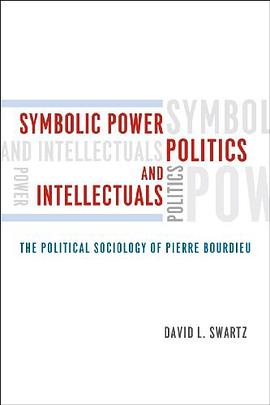
Power is the central organizing principle of all social life, from culture and education to stratification and taste. And there is no more prominent name in the analysis of power than that of noted sociologist Pierre Bourdieu. Throughout his career, Bourdieu challenged the commonly held view that symbolic power - the power to dominate - is solely symbolic. He emphasized that symbolic power helps create and maintain social hierarchies, which form the very bedrock of political life. By the time of his death in 2002, Bourdieu had become a leading public intellectual, and his argument about the more subtle and influential ways that cultural resources and symbolic categories prevail in power arrangements and practices had gained broad recognition. In "Symbolic Power, Politics, and Intellectuals", David L. Swartz delves deeply into Bourdieu's work to show how central - but often overlooked - power and politics are to an understanding of sociology. Arguing that power and politics also stand at the core of Bourdieu's sociology, Swartz illuminates Bourdieu's political project for the social sciences, as well as Bourdieu's own political activism, explaining how sociology is not just science but also a crucial form of political engagement.
作者简介
目录信息
ch. 1 Reading Bourdieu as a Political Sociologist 1
ch. 2 Forms of Power in Bourdieu's Sociology 30
ch. 3 Capitals and Fields of Power 47
ch. 4 For a Sociology of Symbolic Power 79
ch. 5 Bourdieu's Analysis of the State 123
ch. 6 For an Intellectual Politics of Symbolic Power 154
ch. 7 Critical Sociologist and Public Intellectual 189
ch. 8 For Democratic Politics 233
References 253
Name Index 279
Subject Index
· · · · · · (收起)
读后感
用户评价
《Symbolic Power, Politics, and Intellectuals》这本书,仅仅从书名来看,就充满了深度和广度,勾勒出了一个极其引人入胜的学术议题。我立刻联想到,这本书很可能不是一本浅显的政治读物,而是会深入到权力运作的内在机制,特别是那种看不见摸不着的“象征性权力”。我迫切想知道,作者是如何定义和理解这种“象征性权力”的,它如何在政治领域中产生影响,是塑造公众舆论,还是操纵意识形态?同时,书中对“知识分子”的关注,也让我产生了浓厚的兴趣。他们在这个充满权谋的政治舞台上,扮演着怎样的角色?是独立的批判者,还是被权力收买的代言人?我期望这本书能够提供一个全新的视角,让我能够更深刻地理解知识分子与政治权力之间的动态关系,以及这种关系如何影响着我们所处的社会。The very phrasing of the title suggests a profound engagement with the abstract and the concrete, bridging the theoretical realm of symbolic power with the practicalities of politics and the tangible roles played by intellectuals. I anticipate a rigorous examination of how ideas and representations can be weaponized or leveraged for political gain, and how intellectuals, as producers and disseminators of ideas, are both participants and subjects in this dynamic. The title hints at a multidisciplinary approach, likely drawing from fields such as sociology, semiotics, and political theory to offer a comprehensive analysis. I'm keen to explore how the author might articulate the mechanisms through which symbolic power translates into political action and social influence. The inclusion of "intellectuals" suggests a focus on their agency, their responsibilities, and perhaps their complicity in the maintenance or transformation of power structures. It could offer a critical look at the role of academia and public intellectualism in shaping political discourse and societal norms. The promise of uncovering the hidden forces that shape our political realities makes this book an irresistible prospect for anyone seeking a deeper understanding of the world.
评分《Symbolic Power, Politics, and Intellectuals》这个书名,如同一扇神秘的大门,邀请我进入一个充满智慧与挑战的知识殿堂。光是“象征性权力”这几个字,就让我联想到那些看不见摸不着的、却又无处不在的影响力。我好奇作者将如何剖析这种权力,它如何通过语言、符号、叙事等形式,在政治领域中悄无声息地运作,最终塑造我们的认知和行为。同时,“知识分子”的出现,更是让我对这本书充满了期待。他们是这个复杂权力场域中的关键参与者,他们的思想、言论,甚至他们的沉默,都可能对政治产生深远的影响。我希望这本书能够提供一些深刻的洞察,揭示知识分子与政治权力之间微妙而复杂的关系,以及这种关系如何影响着社会的发展和变迁。It's the evocative nature of the title that first draws me in, suggesting a profound exploration of the less tangible, yet often more potent, forces that shape political landscapes. The term "symbolic power" hints at a departure from purely material or institutional analyses of politics, venturing into the realm of ideology, representation, and cultural influence. I'm eager to understand how the author conceptualizes this elusive form of power and its specific manifestations within political discourse and practice. The inclusion of "intellectuals" signals a critical examination of their role, not merely as observers but as active participants, shapers, and potentially even victims of the political process. The title implies a focus on the intricate interplay between abstract ideas and concrete political realities, and how intellectuals navigate this complex terrain. I anticipate a work that offers a nuanced understanding of how symbolic resources are deployed, contested, and negotiated in the political arena, and the consequences of these dynamics for societal structures and individual agency. The potential to gain a more sophisticated understanding of the forces that underpin political power and the role of those who shape public thought is immensely appealing.
评分《Symbolic Power, Politics, and Intellectuals》这本书的书名,简直就是一场思想的盛宴邀请函。光是“象征性权力”这几个字,就足以激起我对它内在逻辑的好奇。我想象着,作者会如何剖析这种权力,它如何在政治的舞台上施展魔法,不动声色地影响着人们的思考和判断?我期待这本书能够提供一个深刻的理论框架,让我能够理解那些隐藏在政治话语、媒体报道乃至日常生活中的微妙暗示。同时,书中对“知识分子”的提及,更是增添了这本书的吸引力。知识分子在这个权力场域中扮演着怎样的角色?他们是引领者,还是被动的参与者?他们的思想和主张,又如何与政治权力产生互动?我希望这本书能够揭示出知识分子与政治权力之间千丝万缕的联系,以及这种联系如何塑造我们所身处的社会现实。The title itself is a compelling invitation to explore the multifaceted nature of power and its impact on both political structures and intellectual endeavors. The phrase "symbolic power" suggests a departure from conventional understandings of force and coercion, venturing into the subtler, yet often more pervasive, domain of meaning-making and representation. I am eager to learn how the author conceptualizes this form of power and its specific applications within the political sphere. The inclusion of "intellectuals" indicates a focus on their role as shapers of ideas and influencers of public opinion, prompting questions about their agency, their responsibilities, and their potential entanglement with political forces. The book appears poised to offer a critical examination of the complex interplay between abstract concepts and concrete political realities, and how intellectuals navigate this intricate relationship. The prospect of gaining a more nuanced understanding of the mechanisms by which ideas influence political outcomes and societal development is a significant draw.
评分《Symbolic Power, Politics, and Intellectuals》这书名,在我脑海中描绘出一幅宏大而复杂的学术图景。它预示着这本书并非一般的政治理论探讨,而是会深入挖掘“象征性权力”这种微妙却强大的影响力。我迫切想知道,作者是如何界定和分析这种权力,它如何在政治领域中渗透,并影响着人们的认知和决策?同时,“知识分子”这个词的出现,更让我对接下来的内容充满了期待。他们是政治权力斗争中的关键角色,还是仅仅是旁观者?他们的思想和声音,又如何在塑造社会和政治格局中发挥作用?我希望这本书能够为我打开一扇全新的视角,让我能够更深刻地理解知识分子与政治权力之间错综复杂、相互依存的关系,以及这种关系如何影响着整个社会的走向。The very title suggests a rigorous intellectual inquiry into the foundational elements of political life and the role of those who shape public thought. The concept of "symbolic power" hints at an exploration of how meaning, ideology, and representation are used to exert influence, moving beyond purely economic or coercive explanations of power. I am eager to understand how the author conceptualizes and analyzes this form of power, and how it intersects with the dynamics of politics. The inclusion of "intellectuals" points to a critical examination of their agency, their responsibilities, and their potential complicity or resistance within political systems. The book promises a nuanced understanding of the complex interplay between abstract ideas and tangible political realities, and how intellectuals navigate this intricate terrain. The potential to gain a more sophisticated grasp of the hidden forces that shape our political landscape and the role of those who articulate and debate ideas makes this title particularly captivating.
评分当我在书店的架子上看到《Symbolic Power, Politics, and Intellectuals》这本书时,它就像一颗璀璨的宝石,瞬间吸引了我的全部目光。书名本身就勾勒出了一幅宏大的学术图景,让我对接下来的阅读内容充满了无限的遐想。我预感到,这本书将是一次对权力本质的深度探索,不仅仅局限于经济或军事上的硬实力,更将触及那种更为微妙、更为 pervasive 的“象征性权力”。我想象着,作者会如何剖析这种权力是如何在政治领域中运作的,它是如何通过意识形态、话语和文化符号来影响人们的思想和行为。同时,书中对“知识分子”的提及,让我更加期待。他们在这个复杂的权力博弈中扮演着怎样的角色?是纯粹的智者,还是可能被权力所收买或利用的工具?这本书或许会为我揭示出知识分子与政治权力之间错综复杂、动态变化的关系,让我重新思考那些我们习以为常的政治现象背后隐藏的深层逻辑。I'm particularly intrigued by the possibility that the book might delve into the historical evolution of symbolic power and the role of intellectuals in different political regimes. Understanding how these dynamics have shifted over time could offer invaluable insights into contemporary political challenges. I hope the author will provide a nuanced understanding of the diverse forms of symbolic power, such as media manipulation, the framing of issues, or the cultivation of charismatic leadership, and how these are employed within the political arena. Furthermore, the examination of intellectuals is crucial; they are often seen as the arbiters of truth and reason, yet their own positions can be shaped by political pressures or personal ambitions. This book seems poised to dissect that delicate balance. It might explore the concept of "intellectual authority" and how it is gained, maintained, and potentially lost. The promise of a detailed analysis that goes beyond superficial observations and delves into the fundamental mechanisms of influence and persuasion within the political landscape makes this title exceptionally appealing.
评分《Symbolic Power, Politics, and Intellectuals》这个书名,本身就充满了张力,仿佛预示着一场关于思想与权力的较量。我迫切想知道,作者是如何定义和解读“象征性权力”的?它究竟是语言的魔力,是符号的魅力,还是某种更深层次的、影响力的潜流?我尤其对知识分子在这个权力结构中的位置感到好奇。他们是独立于权力之外的观察者,还是不可避免地被卷入其中,甚至成为权力运作的工具?我期待这本书能提供一个超越简单二元对立的分析框架,展现知识分子在政治光谱中的多元角色和复杂动机。或许,作者会通过具体的历史案例或理论模型,为我们描绘出知识分子如何通过其思想、言论甚至沉默,来影响政治议程、塑造公众认知,或是挑战既有权力体系。The title alone conjures images of intellectual debates in ivory towers being translated into the gritty realities of parliamentary chambers or public protests. It suggests a deep dive into the mechanisms by which abstract ideas gain traction and influence societal direction, mediated through the agency of intellectuals. I'm keen to understand if the book offers a critique of how intellectuals themselves might wield symbolic power, perhaps unintentionally, through their pronouncements or academic prestige. The very act of intellectual discourse can become a form of symbolic capital, capable of shaping perceptions and legitimizing or delegitimizing political actions. I envision a work that grapples with the ethical dimensions of intellectual engagement with power, exploring the potential for both enlightenment and manipulation. It's likely that the author will explore concepts of ideology, hegemony, and the construction of social reality, all through the lens of how symbolic power operates within the political sphere and how intellectuals contribute to or resist these processes. The prospect of understanding how abstract conceptualizations of power can have concrete political consequences is a primary draw.
评分《Symbolic Power, Politics, and Intellectuals》这个书名,如同一盏聚光灯,照亮了政治背后那些常常被忽视的深层力量。我很好奇,作者是如何定义和阐释“象征性权力”的?它究竟是一种潜移默化的文化影响,还是一种更具策略性的符号操纵?我希望这本书能够为我提供一种分析工具,让我能够更好地辨识和理解政治话语中隐藏的象征意义,以及它们如何影响我们的认知和行为。同时,书中对“知识分子”的着墨,也让我充满了期待。在政治的洪流中,知识分子究竟是冷静的观察者,还是积极的参与者?他们的思想和立场,又如何在权力博弈中发挥作用?我期待这本书能够深入探讨知识分子与政治权力之间的互动关系,揭示他们之间错综复杂、相互影响的动态过程,从而让我对政治和社会有更深刻的理解。The title immediately sparks a sense of intellectual curiosity, promising an exploration of the intricate connections between abstract concepts and concrete political realities. The term "symbolic power" suggests a focus on the non-material aspects of influence, such as ideology, discourse, and cultural hegemony, which often play a crucial role in shaping political outcomes. I'm keen to understand how the author defines and analyzes this form of power and its manifestations within the political arena. The inclusion of "intellectuals" implies a critical examination of their role as agents of knowledge production and dissemination, and their potential influence on political discourse and public opinion. The book seems to offer a sophisticated analysis of how these three elements interact, and how symbolic power can be wielded by or against intellectuals within the political landscape. The prospect of uncovering the subtle yet powerful forces that shape our understanding of politics and society is highly compelling.
评分这本书的书名《Symbolic Power, Politics, and Intellectuals》光是看名字,就足以激起我对它强烈的好奇心。它似乎并非一本寻常的学术著作,而是潜藏着对权力运作、政治博弈以及知识分子角色之间错综复杂关系的深刻洞察。我预感,这本书将是一场思想的盛宴,引领我进入一个充满理论思辨和现实关照的领域。作者必定拥有非凡的洞察力,能够穿透表象,揭示那些隐藏在日常政治话语和知识生产背后的符号力量。究竟是什么样的“象征性权力”在塑造着我们的政治景观?知识分子在这个权力场域中扮演着怎样的角色?他们是助推者、批评者,还是被动的参与者?这些问题在我脑海中盘旋,驱使我渴望一探究竟。我期望书中能够提供一些全新的视角,打破我固有的认知框架,让我对政治的理解更加 nuanced 和 sophisticated。也许,它会让我重新审视那些看似理所当然的政治叙事,并从中发掘出其背后更深层次的象征意义。Furthermore, the mention of "intellectuals" suggests a critical examination of their societal function and influence, prompting me to consider the ethical responsibilities and intellectual integrity expected of those who shape public discourse. The interplay between symbolic power and political action could be a fascinating area to explore, revealing how ideologies are constructed, disseminated, and ultimately translated into tangible political outcomes. I anticipate a rigorous theoretical framework coupled with insightful case studies, perhaps drawing from historical or contemporary political events, to illustrate the abstract concepts. The very nature of symbolic power implies its pervasiveness and subtlety, making it a challenging yet rewarding subject to dissect. I hope the book will equip me with the analytical tools to identify and critically evaluate such forces in my own observations of the world. The promise of exploring the complex relationship between seemingly abstract concepts like "symbolic power" and the concrete realities of "politics" and the role of "intellectuals" is incredibly compelling. It hints at a journey into the very foundations of how societies are governed and how ideas shape our collective understanding of the world.
评分《Symbolic Power, Politics, and Intellectuals》这个书名,就像一本藏宝图,预示着一场深入探究权力本质的智识冒险。我被“象征性权力”这个词深深吸引,它暗示着一种超越物质和直接武力的影响力,一种能够渗透人心、塑造观念的强大力量。我迫切想知道,作者会如何解构这种权力?它如何在政治的宏大叙事中悄然运作,又是如何影响着公众的决策和选择?同时,书中对“知识分子”的关注,更是让我对这本书充满了好奇。他们是这个权力游戏中的操盘手,还是棋子?他们的思想和言论,又能在多大程度上影响政治的走向?我期望这本书能为我打开一扇新的视野,让我能够更清晰地看到政治运作的幕后逻辑,以及知识分子在其中所扮演的、往往不为人知的关键角色。The title immediately suggests a sophisticated theoretical framework, one that moves beyond simplistic understandings of political power and delves into its more nuanced manifestations. The concept of "symbolic power" is particularly intriguing, implying an exploration of how meaning, representation, and ideology are deployed to shape political outcomes. I am eager to discover how the author defines and operationalizes this concept, and how it interacts with the more overt dynamics of politics. The inclusion of "intellectuals" points to a focus on their agency and influence, raising questions about their role as thought leaders, critics, or perhaps even collaborators within political systems. I anticipate a work that offers a critical examination of the intricate relationship between intellectual discourse, political action, and the cultivation of symbolic authority. The promise of unraveling the complex web of influence and power that operates beneath the surface of everyday politics makes this book a highly anticipated read for anyone interested in a deeper understanding of societal dynamics. The potential to gain insights into how abstract concepts translate into tangible political realities is a primary driver of my interest.
评分《Symbolic Power, Politics, and Intellectuals》这个书名,像一个邀请,邀请我去探索那些隐藏在政治喧嚣之下,却又至关重要的议题。我很好奇,作者会如何界定“象征性权力”?它是一种无形的意识形态,还是一种通过符号传递的强制力?我希望这本书能提供一些关于如何识别和分析这种权力运作的理论工具,让我能够更敏锐地洞察政治话语和公共舆论背后的深层意图。同时,书中对“知识分子”的关注,更是点燃了我学习的兴趣。在现代社会,知识分子常常被视为社会良心和批判力量,但他们真的能独立于政治权力之外吗?或者,他们的思想本身就可能成为一种权力,或者被权力所利用?我期待这本书能就此展开深入的探讨,揭示知识分子与政治权力之间相互塑造、相互制约的复杂关系。The title itself suggests a sophisticated intellectual inquiry, one that eschews simplistic explanations of political phenomena. It implies a deep engagement with theories of power, ideology, and the social construction of reality. I'm particularly interested in how the author might approach the concept of "symbolic power" – is it a matter of persuasion, legitimacy, or coercion through symbolic means? The inclusion of "intellectuals" implies a critical examination of their role not just as commentators, but as potential agents of change or complicity within political systems. I anticipate a scholarly exploration that might draw upon thinkers from various disciplines, such as sociology, political science, and philosophy, to construct a comprehensive understanding of the interplay between these three key elements. The prospect of deconstructing how abstract concepts of power are manifested in concrete political actions, and how intellectuals contribute to this process, is highly appealing. It might reveal how certain narratives gain dominance and how dissenting voices are marginalized, all through the subtle yet potent force of symbolism. The potential for this book to offer a more nuanced and critical perspective on the political landscape is a significant draw.
评分第六章用布迪厄的理论分析布迪厄的知识分子生涯,比较有趣。其余尚可。可以用作不熟悉布迪厄理论、甚至完全没有读过布迪厄理论的人的入门读物。
评分挺美国的
评分断断续续拖了好久,后几章关于知识分子的实在不想啃了。David Swartz的《文化与权力》以及本书真是学渣福音,尽管有些啰嗦,还是比直接读布迪厄好很多。缺点是太美国导向,光“为啥布迪厄在美国政治社会学没有火”就讨论了小一章……
评分挺美国的
评分只读了三分之一,可惜没有“不想读了”这个选项