具体描述
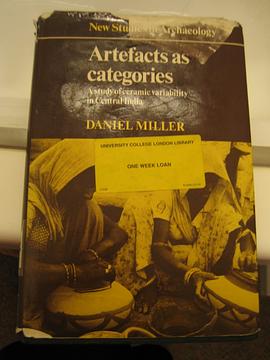
Throughout history and across social and cultural contexts, most systems of belief - whether religious or secular - have ascribed wisdom to those who see reality as that which transcends the merely material. Yet, as the studies collected here show, the immaterial is not easily separated from the material. Humans are defined, to an extraordinary degree, by their expressions of immaterial ideals through material forms. The essays in "Materiality" explore varied manifestations of materiality from ancient times to the present. In assessing the fundamental role of materiality in shaping humanity, they signal the need to de-center the social within social anthropology in order to make room for the material. Considering topics as seemingly diverse as theology, technology, finance, and art, the contributors - most of whom are anthropologists - examine the many different ways in which materiality has been understood and the consequences of these differences. Their case-studies show that the latest forms of financial trading instruments can be compared with the oldest ideals of ancient Egypt, that the promise of software can be compared with an age-old desire for an unmediated relationship to divinity. Whether focusing on the theology of Islamic banking; Australian Aboriginal art; derivatives trading in Japan; or textiles which respond directly to their environment, each essay adds depth and nuance to the project that Materiality advances: a profound acknowledgment and rethinking of one of the most basic properties of being human. Contributors include Matthew Engelke, Webb Keane, Susanne Kuchler, Bill Maurer, Lynn Meskell, Daniel Miller, Hirokazu Miyazaki, Fred Myers, Christopher Pinney, Michael Rowlands, and Nigel Thrift. Daniel Miller is Professor of Anthropology at University College London. He is the author of many books including "The Sari" (with Mukulika Banerjee); "Capitalism: An Ethnographic Approach"; "A Theory of Shopping"; and "The Internet: An Ethnographic Approach" (with Don Slater). He is the editor, most recently, of "Home Possessions: Material Culture behind Closed Doors and Car Cultures".
作者简介
目录信息
读后感
用户评价
我必须承认,这本书的阅读门槛不低,但一旦跨过最初的适应期,其回报是极其丰厚的。作者对文献的驾驭能力令人叹为观止,每一个论点背后似乎都有着坚实的史料支撑,但神奇的是,这些支撑材料被巧妙地内化,很少出现那种令人窒息的堆砌感。它要求读者保持高度的专注,因为稍不留神,可能就会错过一个至关重要的逻辑节点。我发现自己不得不经常停下来,在空白处做笔记,或者回头重读某些段落,不是因为晦涩难懂,而是因为其思想密度实在太高,每一个句子都承载着丰富的内涵和批判性的张力。这本书不适合快速浏览,它需要时间去咀嚼、去消化,更像是一种需要深度投入的智力对话,挑战着读者既有的认知框架,非常过瘾。
评分这本书的视角转换非常大胆且具有启发性。它成功地打破了传统学科间的壁垒,将看似风马牛不相及的领域联系起来,提供了一种全新的观察世界的“棱镜”。以往我阅读相关主题时,总会觉得理论与实践之间存在一道鸿沟,但在这本书里,两者之间的界限被模糊甚至消融了。作者的论证逻辑链条清晰可见,但每一步都蕴含着一种颠覆性的洞察力,仿佛在不断地提醒读者:你以为你看到的是事实,但事实本身远比你想象的要复杂和多维。读完之后,我发现自己看待街景、阅读新闻报道时的习惯性思维模式都产生了微妙的偏移,开始关注那些被主流叙事所忽略的、处于边缘但却至关重要的“物质支撑点”,这是一种非常宝贵的思维遗产。
评分这本书的叙事节奏把握得极其精准,作者仿佛是一位技艺高超的音乐家,知道何时该激昂,何时又该低回。它并非那种平铺直叙的学术著作,而是巧妙地将复杂的概念融入到引人入胜的故事流中。在处理某些历史转折点时,那种抽丝剥茧的分析方式,让人仿佛亲临现场,感受当时的语境和张力。尤其是那些关于“物质性”如何塑造社会结构的关键论述,作者没有停留在抽象的哲学思辨,而是通过一系列具体、鲜活的案例,将理论变得触手可及。我尤其欣赏作者在不同案例间转换时的流畅过渡,那些看似不相关的片段,最终被编织成一张严密而又充满美感的思维之网,让人不得不佩服其高超的结构掌控力。读完整本书,感觉自己不仅是获取了知识,更像完成了一次精彩的心灵漫步。
评分这本书的装帧和排版简直是艺术品,那种厚重而又不失细腻的质感,光是捧在手里就已经能感受到一种沉甸甸的历史气息。纸张的触感非常棒,字体的选择也深得我心,阅读起来非常舒适,让人愿意沉浸其中,一页一页地翻下去。封面设计简约却充满张力,那种留白的处理方式,仿佛在邀请读者去探索文字背后的深层含义。我特别喜欢它在章节标题上的字体设计,既有古典的韵味,又不失现代的简洁,透露出一种对知识的敬畏与对形式美的追求。装订得很结实,即便是经常翻阅,也不担心书页会松散,看得出出版方在制作上的用心良苦。光是摆在书架上,它本身就是一件令人赏心悦目的陈设,散发着一种低调的、知识分子的光芒,让人忍不住想去触摸和阅读它。
评分这本书在探讨宏大议题时,总能巧妙地回归到个体经验的层面,这种“由大见小,由小见大”的手法,极大地增强了文本的可感性。我特别喜欢作者在论证某些文化现象时,所展现出的那种近乎人类学的细致观察力。例如,对于某种日常物品的起源和演变过程的追溯,不仅揭示了其背后的权力关系,更让我们重新审视了那些我们习以为常的事物所蕴含的“历史重量”。这种将坚硬的理论骨架,包裹上富含人情味和烟火气的文化肌理的做法,让整本书充满了生命力。它不是冰冷的学术报告,而是一部有温度、有血有肉的时代切片记录,让人在理性分析之余,也感受到一种深沉的人文关怀。
评分此书读得很辛苦。精读M.R.的文
评分此书读得很辛苦。精读M.R.的文
评分此书读得很辛苦。精读M.R.的文
评分此书读得很辛苦。精读M.R.的文
评分此书读得很辛苦。精读M.R.的文