
具体描述
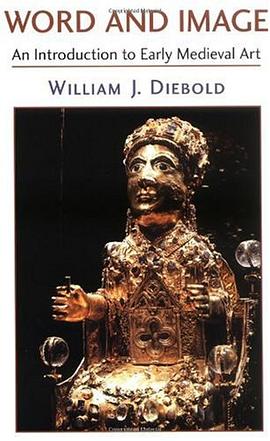
This up-to-date, reliable introductory account and interpretation of early medieval art combines art, history, and ideas from around 600 to 1050. Diebold describes diversity and complexity of early medieval art by examining the relationship of word and image. The concept of word and image is broad enough to encompass the Anglo-Saxon art and oral culture of the Sutton Hoo treasure, as well as the literate art of the Carolingian and Ottonian courts. Diebold describes the stunning variety of early medieval objects-illustrated manuscripts, rich metalwork, ivories, textiles, statuary, jewels, painting and architecture. There are 63 black and white illustrations and 4 plates in color. This up-to-date, reliable introductory account and interpretation of early medieval art combines art, history, and ideas from around 600 to 1050. Diebold describes diversity and complexity of early medieval art by examining the relationship of word and image. The concept of word and image is broad enough to encompass the Anglo-Saxon art and oral culture of the Sutton Hoo treasure, as well as the literate art of the Carolingian and Ottonian courts. Diebold describes and explains the stunning variety of early medieval objects--illustrated manuscripts, rich metal work, ivories, textiles, statuary, jewels, painting and architecture produced north of the Alps beginning with Pope Gregory's Christianization of England and his justification of images, and ending with the spectacular gold reliquary statue of Ste. Foy at Conques, which separates Early Medieval art from the Romanesque. Diebold also discusses the function of (and audience for) medieval art; he shows why, how, and for whom it was made. Diebold outlines the role of artists and patrons in medieval society, and he explains art's institutional and social status. He defines basic historical and art-historical terms and concepts as they are encountered, and illustrations, a map, a glossary, notes, suggestions for further reading, and an index are included. "I will definitely use this clear and thoughtful interpretation of early medieval art. William Diebold makes difficult material understandable and enjoyable." -Marilyn Stokstad, Judith Harris Murphy Distinguished Professor of Art History, The University of Kansas "The book is original in concept and offers brilliant new observations on many important issues. Eschewing the usual history of style approach, Diebold writes a history of one of the central problems that theologians and painters had to deal with from c. 600 to c. 1150; and he tracks the evolution of responses in a well argued and historically grounded fashion. The book will surely be used by teachers of medieval art; but it will also be read by everyone concerned with the field." -Herbert L. Kessler, Professor of the History of Art, Johns Hopkins University
作者简介
目录信息
读后感
用户评价
我对历史类著作的审视标准,往往聚焦于其史料的广度和深度,以及作者如何处理那些难以调和的矛盾点。这本书在这一点上处理得极为老练,它没有陷入那种宏大叙事的陷阱,而是巧妙地利用了几个关键的“断裂点”作为切入的锚点。通过对特定时期内传播媒介变迁的微观分析,作者成功地构建了一个关于信息载体演化的精致模型。我尤其欣赏他对那些被主流历史叙事所忽略的边缘声音的挖掘,那些地方志、私人信件甚至是早期的商业广告,都被作者赋予了同等重要的解读权重。这种“去中心化”的史学视野,极大地丰富了我对特定历史阶段社会心理的理解。它让我意识到,我们所依赖的“客观事实”,往往是无数个微小、甚至互相冲突的表述集合起来的产物,而非一条清晰的直线。这种对复杂性的拥抱,使得全书的论证充满了张力,也更具说服力。
评分这本书的阅读体验,与其说是在吸收知识,不如说是在进行一场持续的思维体操。作者的句子结构极其复杂,充满了长句、从句和嵌套的修饰语,这迫使我必须放慢语速,反复咀嚼每一个词汇的精确含义。起初,这确实带来了一定的挫败感,仿佛在攀登一座语言构筑的陡峭山峰。但一旦适应了这种节奏,就会发现每一个转折、每一个停顿背后,都蕴含着作者深思熟虑的逻辑推演。它拒绝提供任何“速食”的结论,而是要求读者积极地参与到论证的过程中去,去填补那些看似疏离的跳跃点。我必须承认,我不得不时常停下来,合上书本,在房间里踱步,试图在脑海中重构作者的思路链条。这种主动的认知投入,极大地锻炼了我处理高密度信息的耐受力和分析能力,这比单纯阅读一本流畅叙事的书,对心智的磨砺要大得多。
评分说实话,我当初是被书名中那种模糊的对立与统一的张力所吸引的。我期待它能深入探讨符号学在当代文化结构中的核心地位,分析文本如何构建意义场域,以及图像如何反作用于语言的逻辑体系。然而,当我真正沉浸其中时,我发现作者采取了一种更为内敛、更侧重于“过程”而非“结果”的叙事路径。书中大量的篇幅被用来描绘创作的初期阶段——那种从混沌的灵感到具象化的挣扎,从脑海中最初的冲动如何通过一系列的技术选择和媒介限制,最终被固化成可感知的实体。这种对“前语言”状态的捕捉,对我个人在进行任何形式的表达时,都提供了极具启发性的参照系。它不是那种教科书式的清晰定义,更像是一串串高度个人化的观察日记,充满了偶然性和不确定性,反而更贴近我们真实经验世界的运作方式。读完之后,我不是获得了“标准答案”,而是获得了一种更具韧性的提问方式,这才是真正有价值的收获。
评分这本书的装帧设计简直是一场视觉盛宴,封面那深邃的靛蓝色调,配上烫金的纤细花体字,初见时就让人心头一震。我是一个对实体书质感有着近乎苛刻要求的人,而《Word And Image》在这方面无疑做到了极致。纸张的选择偏向于那种略带粗粝感的哑光铜版纸,翻阅时能感受到一种踏实而厚重的存在感,而不是市面上那些轻飘飘的塑料感。装订工艺也极为考究,即便是多次翻阅,书脊也依然平整如初,没有一丝松动的迹象。更令人惊喜的是,内页的排版艺术。作者显然对“留白”的哲学有着深刻的理解,文字与空白的呼吸感拿捏得恰到好处,眼睛在阅读长篇幅的论述时,并不会感到视觉疲劳,反而有一种被引导着沉思的节奏感。特别是某些关键概念的引用部分,他们采用了极其精妙的字体替换和缩进处理,仿佛作者在用不同的“声音”与读者对话。这种对媒介本身形态的尊重和极致打磨,已经超越了一本普通读物的范畴,它更像是一件可以被珍藏的工艺品,每一次触摸都是对阅读仪式感的重新确认。对于那些和我一样,将书籍视为艺术品来对待的同好来说,仅仅是拥有它,就已经是一种无声的满足。
评分如果以文学批评的角度来衡量,这本书的独到之处在于其批判性的“元语言”意识。作者似乎无时无刻不在提醒读者,我们正在阅读的文本本身,也是一个被建构出来的“场域”。在讨论任何具体现象时,他都会不自觉地将讨论的焦点拉回到“我们如何知道”以及“这种表达方式的局限性”上。这使得全书的基调显得既批判又谦逊。他没有把自己置于一个全知全能的位置,而是坦诚地展示了自己的观察视角是如何受限于自身的文化背景和专业训练的。这种自我反思的姿态,在当代学术写作中是相当难得的。它不是在宣告真理,而是在邀请我们共同审视我们认知世界所依赖的工具箱——那些我们习以为常的词汇、框架和默认设定。读完后,我开始用一种更加审慎、更具距离感的目光去审视日常的交流和媒体的呈现,这是一种潜移默化的、对认知惰性的有效抵抗。
评分 评分 评分 评分 评分