
具体描述
Book Description
With over 3 million users worldwide, Adobe's Dreamweaver is the most popular web development software in the world, and it just took another step forward with CS3, the new version released in 2007. Having come a long way from it's humble beginnings as a as a simple web design tool, CS3 allows you to rapidly put together standards compliant web sites and dynamic web sites with server-side languages and Ajax, and much more. To complement this great new application, David Powers has written the ultimate guide to itThe Essential Guide to Dreamweaver CS3 teaches you everything you need to know about the application, from setting up your development environment environment to publishing your sites and applications on the web, and everything in between.
* Takes you through your development environment set up
* Covers everything you need to create both standards compliant web sutes, and dynamic web applications
* Teaches several real world techniques using a series of step by step tutorials
What youll learn
* How to set up your ideal development environment, using Mac OSX/Windows, Apache (and IIS on Windows,) Apache, MySQL, and phpMyAdmin
* Creating standards compliant web sites using CS3's XHTML and CSS features
* Creating dynamic web applications using CS3's PHP and Spry Ajax server behaviors
* Building several real world web site functions, such as form validation, random quote generator, search function, user management/login pages, dynamic Ajax gallery, and much more.
* Creating an interface design in Fireworks CS3 and importing it into Dreamweaver CS3.
* How use Dreamweaver CS3's XML functionality, to consume RSS feeds, and create Spry data sets
* Using includes, templates and master detail pages.
* How to publish your site after you've created it
Summary of Contents
* Chapter 1: Dreamweaver CS3Your Creative Partner
* Chapter 2: Building Dynamic Sites with Ajax and PHP
* Chapter 3: Getting the Work Environment Ready
* Chapter 4: Setting Up a PHP Site
* Chapter 5: Adding a Touch of Style
* Chapter 6: Creating a CSS Site Straight Out of the Box
* Chapter 7: Building Site Navigation with the Spry Menu Bar
* Chapter 8: Sprucing Up Content with Spry Widgets
* Chapter 9: Building Online Forms and Validating Input
* Chapter 10: Introducing the Basics of PHP
* Chapter 11: Using PHP to Process a Form
* Chapter 12: Working with PHP Includes and Templates
* Chapter 13: Setting Up MySQL and phpMyAdmin
* Chapter 14: Storing Records in a Database
* Chapter 15: Controlling Access to Your Site
* Chapter 16: Working with Multiple Tables
* Chapter 17: Searching Records and Handling Dates
* Chapter 18: Using XSLT to Display Live News Feeds and XML
* Chapter 19: Using Spry to Display XML
* Chapter 20: Getting the Best of Both Worlds with PHP and Spry
作者简介
About the Author
David Powers is an Adobe Community Expert for Dreamweaver and author of a series of highly successful books on PHP, including PHP Solutions: Dynamic Web Design Made Easy (friends of ED, ISBN-13: 978-1-59059-731-6) and Foundation PHP for Dreamweaver 8 (friends of ED, ISBN-13: 978-1-59059-569-5). As a professional writer, he has been involved in electronic media for more than 30 years, first with BBC radio and television and more recently with the Internet. His clear writing style is valued not only in the English-speaking world; several of his books have been translated into Spanish and Polish.
What started as a mild interest in computing was transformed almost overnight into a passion, when David was posted to Japan in 1987 as BBC correspondent in Tokyo. With no corporate IT department just down the hallway, he was forced to learn how to fix everything himself. When not tinkering with the innards of his computer, he was reporting for BBC TV and radio on the rise and collapse of the Japanese bubble economy. Since leaving the BBC to work independently, he has built up an online bilingual database of economic and political analysis for Japanese clients of an international consultancy.
When not pounding the keyboard writing books or dreaming of new ways of using PHP and other programming languages, David enjoys nothing better than visiting his favorite sushi restaurant. He has also translated several plays from Japanese.
目录信息
读后感
用户评价
最让我感到惊喜的是,这本书在后期章节对CSS布局的介绍,特别是定位(positioning)和层叠上下文(stacking context)的讲解。在CS3时代,CSS 3尚未完全普及,Flexbox或Grid更是遥不可及的未来。因此,这本书围绕着经典的浮动(float)和绝对/相对定位的技巧,提供了一套非常实用的布局策略。作者并没有迷信于使用表格进行布局(这是当时很多老旧教程的弊病),而是坚定地推崇语义化的HTML结构配合CSS进行布局控制。他们详尽地分析了如何使用负边距、清除浮动(clearfix hack的早期变种)来解决垂直对齐和布局坍塌的问题。这些在今天看来可能已经被更现代技术取代的基础技巧,却是当时解决复杂多栏布局问题的核心武器。这本书没有回避这些“脏活累活”,而是正面迎击,并提供了行之有效的解决方案,使得我能够构建出在当时看来相当现代和响应迅速的(基于表格和定位的)页面结构,这对于巩固我对CSS底层工作原理的理解,起到了不可替代的作用。
评分这本书的纸质质量和排版设计其实挺普通,谈不上精美,但它的实用性足以让我忽略这些外在的因素。我是一个偏爱“边做边学”的人,书本上大量的截图和配套的代码示例,对我来说是至关重要的参考资料。我常常是把屏幕分成两半,一边是我的代码编辑器,另一边就是这本书。其中关于PHP数据库连接的部分,虽然在今天的眼光看来,它使用的数据库访问层可能已经略显陈旧,但在当时的环境下,它提供了一个清晰、结构化的流程,演示了如何将Dreamweaver的可视化表单设计与后端的逻辑处理有效地结合起来。特别是处理用户输入验证和防止SQL注入的基础概念,作者的讲解非常到位,这对我后续转向更现代的框架时,也打下了良好的安全意识基础。这本书让我第一次体会到,前端设计与后端逻辑是如何在一个统一的IDE中被串联起来的,这种整体观的建立,对我后续职业发展的影响是深远的。
评分说实话,我购买这本书的冲动主要源于我对前端交互的渴望,特别是那些让网页“动起来”的魔力。虽然书名提到了CSS、Ajax和PHP,但实际阅读下来,我对Ajax部分的阐述印象最为深刻。作者在讲解如何实现无刷新数据加载时,并没有简单地丢出一个大段的代码块让读者死记硬背,而是非常巧妙地结合了具体的应用场景——比如一个动态的评论列表更新。他们首先解释了传统的页面刷新机制的弊端,然后引入XMLHttpRequest对象,一步步展示了如何在不刷新整个页面的情况下与服务器进行数据交换。更难能可贵的是,书中对错误处理和兼容性问题也给予了足够的关注。在那个年代(CS3的背景下),浏览器的差异性是开发者的噩梦,这本书提供了很多针对性的解决方案,让我明白如何写出在IE 6/7 和 Firefox 下都能正常工作的Ajax调用。这种对实战中“坑点”的预判和指导,远比单纯罗列API文档来得有价值,它真正体现了“指南”的精髓——预见问题并提供捷径。
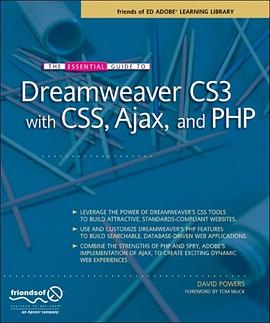
评分这本书的封面设计得相当朴实,那种带着一点专业工具手册的味道,让我一开始并没有抱太大的期望。我当时急需快速上手一个我完全不熟悉的软件,而市面上其他几本看起来更花哨的书籍,似乎更侧重于理论的堆砌,而不是实际操作的指引。我尤其看重“CS3”这个版本标记,因为我手头的项目环境就是基于那个版本的,很多新的特性对我来说是负担,我需要的是稳固、扎实的基础操作手册。拿到书后,我首先翻阅了目录,发现它对软件界面和基本工具的讲解占据了相当大的篇幅,这正合我意。很多技术书籍会直接跳过“新手不耐烦”的部分,直接讲高级技巧,结果就是基础不牢,遇到小问题就得卡住。这本书的编排方式非常像一位经验丰富的老工程师在手把手教导学徒,从“打开软件”到“保存你的第一个网页”,每一步都掰开了揉碎了说明,甚至连鼠标该如何悬停才能看到工具提示都写得清清楚楚。对于一个完全的新手来说,这种详尽的引导简直是救命稻草,它极大地降低了初次接触复杂软件的心理门槛,让我能够迅速建立起对Dreamweaver工作环境的熟悉感和掌控感。
评分我必须承认,这本书的PHP部分相对其对Dreamweaver自身功能的介绍来说,显得略微单薄,而且风格也与前面讲解前端技术时那种精细入微的教学方式有所不同,更像是一种快速入门的概述。它似乎更专注于展示“如何让PHP跑起来”,而不是深入探讨面向对象编程或者更复杂的服务器端架构。然而,考虑到这本书的核心受众可能是那些主要使用Dreamweaver可视化界面进行网页构建的设计师或初级开发者,这种取舍是可以理解的。它成功地完成了将初学者从纯静态HTML/CSS带入到动态网页世界的“助推”任务。我个人利用其中的PHP片段,成功搭建了一个简单的留言板原型,让我对服务器端脚本语言的威力有了初步的感性认识。如果有人期望通过这本书成为顶尖的后端工程师,那显然是找错了方向,但如果目标是快速实现一个带有动态内容展示和简单表单提交功能的网站,这本书提供的路径是高效且易于消化的。
评分 评分 评分 评分 评分