
具体描述
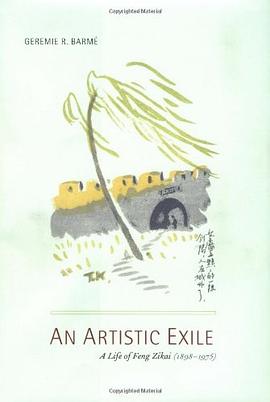
This engrossing book, a brilliant blend of biography and criticism, tells the story of Feng Zikai (1898-1975), one of the most gifted and important artists to emerge from the politically tumultuous decades of the 1920s and 1930s. Barmé provides a closely woven parallel history, that of the life of writer-artist Feng, who was also an essayist and a translator, and that of China's turbulent twentieth century. He investigates Feng Zikai's aesthetic vision, its development, and how it relates to traditional and contemporary Chinese cultural values and debates.
Although Feng was known for his so-called casual drawings, he was reluctant to classify his art. According to Barmé, much of his writing and painting was rooted in a philosophy of self-expression. Difficult to position in relation to existing Chinese political and social nomenclature, Feng remains, to a large extent, an enigma. He was sympathetic to the average person and the impoverished peasant, yet he was a romantic, and often identified with the increasingly politicized intelligentsia. A devout Buddhist, he was a close observer of nature and children, and while his art appeared gentle, it often carried a strong message.
Much has been written about Feng Zikai, a figure who has become popular among elite and mass audiences in the Chinese world once more, but no other work has examined his place among May Fourth writers and intellectuals nor his position within the context of China's artistic, religious, and literary tradition. An Artistic Exile moves straight to the heart of debates surrounding modernization, religion, science, the essence of a tradition in an age of colonial modernity, and the ethos of political and social thought in twentieth-century China.
作者简介
Geremie R. Barmé is a Professor at the Research School of Pacific and Asian Studies, Institute of Advanced Studies, at the Australian National University. He is the editor of East Asian History and is author of In the Red (1999), Shades of Mao: The Posthumous Cult of the Great Leader (1996), and coeditor of New Ghosts, Old Dreams: Chinese Rebel Voices (1992). He was also an associate director and writer for the film The Gate of Heavenly Peace (Boston 1995), and is codirecting with Carma Hinton and Richard Gordon Morning Sun, a documentary film on the Chinese Cultural Revolution.
目录信息
读后感
“逃难”一词,有凄惶奔突之意,然而冠上定语“艺术的逃难”,恍惚有一种藉由艺术于乱世中求宁静的感觉。若将之与“丰子恺”这个名字勾连,我眼前浮起一幅漫画——《无言独上西楼月如钩》。一座雕楼,一弯弦月,一个背影。寥寥几笔即有无尽意绪。这幅漫画展现的丰子恺...
评分An Artistic Exile This book emphasizes the experience of Feng Zikai (1898-1975), a brilliant artist who expressed his ideas in the Republic of China. One review says that the book “moves straight to the heart of debates surrounding modernization, religio...
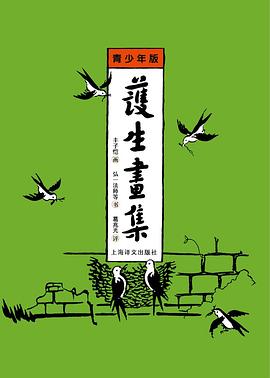
评分家住夕阳江上村,一湾流水绕柴门。种来松树高于屋,借与春禽养子孙。这首诗来自叶唐夫,它曾被丰子恺引用在《护生画集》上。这首诗表达的意境,想必和丰子恺幼时的家乡石门镇有些相似。特别是那句一弯流水绕柴门,画面感特别的强烈。 以往我对丰子恺的了解,多数来自书本上,...
评分An Artistic Exile This book emphasizes the experience of Feng Zikai (1898-1975), a brilliant artist who expressed his ideas in the Republic of China. One review says that the book “moves straight to the heart of debates surrounding modernization, religio...
评分对丰子恺知之甚少,有限的印象就是他是弘一法师的学生、佛教徒,以及充满童真的画作。 也不知为什么在豆瓣里标记了这本书,从图书馆借回一读,很快就有了读下去的兴致。应该说,吸引我的,是传记作者的写作方式,详实的引证,多角度的阐述,富于洞见的观点,透视时代的眼光。...
用户评价
这本书中对特定场景的描绘,简直达到了令人窒息的真实感。作者似乎对建筑、光影以及特定季节带来的感官体验有着近乎偏执的专注。例如,对一个被遗忘的旧图书馆或是一间常年被阴影笼罩的工作室的描写,那种灰尘的气味、光线穿过污浊玻璃时折射出的颜色、乃至空气中静电的微妙感觉,都被捕捉得纤毫毕现。这种对具象细节的执着,使得书中的世界不再是扁平的背景板,而是一个有呼吸、有温度的、活生生的空间。人物的情绪波动也常常与这些环境描写紧密相连,环境不再只是烘托气氛的工具,它成为了角色内心状态的物理投射。我感觉作者对待这些环境的描写,如同对待主角一样投入了深刻的感情。这种强烈的“在场感”是阅读过程中最引人入胜的部分之一,它让你完全相信,故事就发生在那个被精确描绘的角落里,而不是虚构的想象空间。
评分这部作品的魅力,很大程度上来源于其对人性灰色地带的毫不妥协的审视。它拒绝提供简单的道德判断,书中没有绝对的“好人”或“坏蛋”,只有在特定压力下做出复杂选择的个体。作者对于人物的弱点、矛盾和自我欺骗的剖析,尖锐而精确,如同外科医生般冷静地切开表象,直达核心的脆弱。我尤其欣赏它处理“牺牲”这一主题的方式——它探讨了为了追求某种崇高目标,个体可能付出的巨大、甚至是不可逆转的代价,以及这种代价本身是否会腐蚀最初的理想。阅读过程中,我多次停下来思考,如果是我处于同样的位置,我会如何抉择?这种深刻的代入感和随之而来的道德困境,使得这本书远超一般小说的娱乐范畴,它更像是一场关于存在意义的严肃对话。最终,作者没有提供一个一劳永逸的答案,而是将这份沉甸甸的思考,温柔而坚定地推到了读者的面前。
评分这本书的语言风格独树一帜,简直就像是给文字本身进行了一次精细的雕琢,每一个词汇的选择都充满了古典的韵味和一种不易察觉的锐利感。我读到了一些描述性的段落,它们的美感几乎可以媲美十九世纪的文学经典,但同时又巧妙地避开了那种故作高深的矫饰感,保持了一种恰到好处的疏离与亲密。最让我印象深刻的是作者在处理情感张力时所采用的“留白”技巧。很多重要的转折点,作者并没有用大段的对白或激烈的行动来填满,而是通过环境的变化、一个眼神的闪躲、或者一段突兀的沉默来暗示一切。这迫使读者必须主动参与到文本的构建中,去填补那些未言明的空白,去解读隐藏在字面之下的真正意图。这种互动性极大地增强了阅读的深度,让人在合上书本之后,脑海中依然会不断回放那些关键的“沉默”瞬间,试图理清人物复杂的动机和隐藏的秘密。这种对阅读者智力参与度的尊重,是很多当代小说所缺失的,它提供了一种智力上的挑战,而非简单的信息接收。
评分这本书的叙事节奏简直是教科书级别的慢热,一开始读起来有点像在品尝一杯需要时间才能完全散发香气的陈年佳酿。作者似乎并不急于抛出那些惊天动地的戏剧冲突,而是非常耐心地铺陈环境、描摹人物微妙的内心波动,那种感觉就像是画家在画布上反复打磨底色,每一个笔触都深思熟虑,为接下来的主旋律搭建起坚实而微妙的基调。我尤其欣赏它对“等待”这一状态的细腻刻画——那种在不确定性中滋长的焦虑、希望与自我怀疑,被作者用一种近乎诗意的散文笔法展现得淋漓尽致。故事中那些关于时间流逝的哲学思考,并非空洞的说教,而是内嵌于角色日常琐碎的选择和无法言说的遗憾之中。有那么几个瞬间,我甚至能清晰地感受到那种被时间凝固住的窒息感,仿佛自己也和主角一同被困在了某个特定的人生节点上,动弹不得。这种沉浸式的体验,要求读者必须放下浮躁的心态,真正沉下去,去体会那种由内而外的缓慢张力,一旦你适应了这种节奏,你会发现,那些前期看似平淡无奇的片段,实则为后文的情感爆发积蓄了难以想象的能量。它不是那种能让你一口气读完的“爆米花”读物,更像是一部需要反复咀嚼,才能咂摸出其中深意的艺术品。
评分从结构上看,这部作品采取了一种非常规的非线性叙事,它像是一张被精心折叠过的地图,你必须按照自己的理解去重新展开。作者频繁地在不同的时间线之间穿梭,这种跳跃感起初让人有些眩晕,仿佛置身于一场迷雾之中,难以把握事件的先后顺序和因果链条。然而,随着阅读的深入,你会逐渐意识到这种破碎感的并非叙事上的失误,而是有意为之,它精准地模仿了记忆的运作方式——我们的生活经验往往是碎片化的、带有强烈情感色彩的片段集合,而非井然有序的流水账。那些看似无关紧要的插叙,往往在后续的主线故事中扮演了关键的“钥匙”角色,解开了之前埋下的情感谜团。这种需要读者不断进行“重新排序”和“交叉引用”的阅读过程,极大地提升了作品的耐读性,每次重读都会因为对整体结构有了更清晰的认知而发现新的联系。它成功地将复杂的叙事结构本身变成了一种文学体验,挑战了我们对传统故事的既有期待。
评分Meticulously researched and engagingly written, Barme's work is a model of empathetic biography that allows us to "feel" the subject. An important example and symbol of non-political artistic and literary engagement with the changing historical landscape, Feng Zikai deserved this study.
评分Meticulously researched and engagingly written, Barme's work is a model of empathetic biography that allows us to "feel" the subject. An important example and symbol of non-political artistic and literary engagement with the changing historical landscape, Feng Zikai deserved this study.
评分Meticulously researched and engagingly written, Barme's work is a model of empathetic biography that allows us to "feel" the subject. An important example and symbol of non-political artistic and literary engagement with the changing historical landscape, Feng Zikai deserved this study.
评分比较平实详尽。
评分对一个人的研究做到非常细致入微。而且能够很同情之理解地去看待丰子恺作为"the third category"。