
具体描述
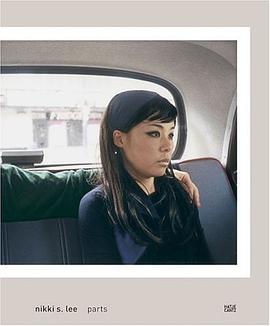
Korean-born, New York-based conceptual artist Nikki S. Lee once hoped to be an actress. Now she examines the construction and interpretation of identity in works that combine performance and photography. Her acclaimed Projects document her transformation (sometimes drastic) and assimilation into a wide range of subcultures and social and ethnic groups--from sophisticated ladies of the finest Parisian circles to white trash in American trailer parks, a hip-hop crowd, punks, lesbians, swingers and, appropriately, tourists. In Parts, she departs from those snapshots of cultural identity--for which she has since become internationally known--to explore the ways more intimate relationships affect who we are. As ever, Lee appears in each photograph, and each is shot by someone else. Now, however, rather than revising her persona to fit into an existing crowd, she changes over and over to match single characters, guys, who are then partially sliced out of the image, as if after a breakup. These halved images clearly and disturbingly point out the empty spots, the striking dependencies and the ways that we all--women particularly--define ourselves through our partners.
作者简介
Korean-born, New York-based conceptual artist Nikki S. Lee once hoped to be an actress. Now she examines the construction and interpretation of identity in works that combine performance and photography. Her acclaimed Projects document her transformation (sometimes drastic) and assimilation into a wide range of subcultures and social and ethnic groups--from sophisticated ladies of the finest Parisian circles to white trash in American trailer parks, a hip-hop crowd, punks, lesbians, swingers and, appropriately, tourists. In Parts, she departs from those snapshots of cultural identity--for which she has since become internationally known--to explore the ways more intimate relationships affect who we are. As ever, Lee appears in each photograph, and each is shot by someone else. Now, however, rather than revising her persona to fit into an existing crowd, she changes over and over to match single characters, guys, who are then partially sliced out of the image, as if after a breakup. These halved images clearly and disturbingly point out the empty spots, the striking dependencies and the ways that we all--women particularly--define ourselves through our partners.
目录信息
读后感
用户评价
这本书给我的整体感觉是“沉浸式”的。它不是那种你可以在短时间内快速翻阅的书,而是需要你慢慢品味,反复琢磨。我感觉作者在创作时,一定投入了大量的精力去构建每一个细节,去捕捉那些最真实、最动人的瞬间。我喜欢那种感觉,仿佛自己置身于书中描绘的场景之中,能够感受到空气的温度,听到细微的声音,甚至闻到某种若有若无的气味。这种强烈的代入感,让我在阅读过程中,几乎忘记了自己是在“读”一本书,而是“经历”了一段时光。我特别欣赏作者在处理人物情绪方面的细腻。那些看似平静的面容下,隐藏着丰富的情感,而作者却能用一种不动声色的方式将其展现出来。这本书让我有机会去反思,在快节奏的生活中,我们有多久没有认真地去感受,去体会,去与自己内心深处的声音对话了。我感觉自己在这本书中,找到了一种久违的宁静,也获得了一种新的启发。
评分这本书的封面设计就足够吸引人了。简约的色块搭配极具辨识度的字体,一种低调却不容忽视的艺术感扑面而来。翻开书页,我立刻被一种独特的视觉语言所吸引。不是那种直白的叙事,也不是过于抽象的意象,而是一种介于两者之间的奇妙平衡。每一页都像是一个精心构筑的场景,人物、空间、光影,都传递出一种若有所思的情绪。我感觉作者似乎在用一种极简的方式,讲述着关于“存在”的某种探索。我反复品味着那些画面,试图捕捉其中细微的线索。这种阅读体验,更像是走进了一个展览,而非听了一个故事。我喜欢这种留白,它给了我巨大的想象空间,让我可以根据自己的经历和感受去填补那些未说出口的部分。有时,我会因为一个眼神,一个微小的动作,而陷入沉思,仿佛看到了自己曾经的某个片段。这本书带来的,是一种内省式的对话,它不强求你理解,却邀请你去感受。我发现自己越来越沉浸其中,甚至在阅读过程中,不自觉地放慢了呼吸,想要更真切地体会那种静谧而深刻的氛围。
评分这本书给我的感觉非常“当下”。它不像那些经典巨著,需要你去钻研历史背景或哲学理论,而是直接将你抛入一个你可能非常熟悉,又可能从未认真审视过的生活切片。我看到了很多日常的瞬间,但经过作者的捕捉和呈现,这些瞬间似乎被赋予了新的意义。有一种疏离感,但不是负面的,而是一种跳脱出来审视自己的视角。作者似乎对都市生活中的个体状态有着敏锐的观察,那些游离于人群中的身影,那些在公共空间里却又显得格外独立的姿态,都让我感到一种强烈的共鸣。我很难用一个词来概括这本书的主题,或许它就是关于“自我”在现代社会中的定位吧。那些看似随意的摆拍,其实都蕴含着某种精心设计的“不经意”,一种刻意营造的“自然”。我喜欢这种“自然”的背后,所展现出来的作者的思考。它不是那种声嘶力竭的呐喊,而是一种低语,一种试探。我一直在思考,在这样一个信息爆炸的时代,我们如何才能找回属于自己的节奏,不被外界的声音所裹挟。这本书,似乎提供了一个很好的参照。
评分读完这本书,我有一种被“点醒”的感觉。不是那种醍醐灌顶的顿悟,而是一种潜移默化的改变。它让我开始重新审视我与周围世界的互动方式。那些照片,那些文字(如果书中包含文字的话,即使是简短的注释),都传递出一种非常个人化的视角。我喜欢作者在作品中展现出的那种“不设防”的态度,似乎在邀请读者走进她的内心世界,去感受她的观察和思考。我觉得这本书非常适合那些对现代社会中的个体身份、人际关系以及自我认知有好奇心的人。它不是一本提供解决方案的书,而是一本引发思考的书。它让我意识到,我们生活中的很多“理所当然”,其实都可以被质疑,都可以被重新定义。我开始注意到自己身上的某些习惯性的行为模式,以及我与他人沟通的方式。这本书并没有直接告诉我应该怎么做,但它提供了一个独特的视角,让我能够更清晰地看到自己。这种“看到”,本身就是一种进步。
评分我必须承认,一开始我有点摸不着头脑。这本书似乎并没有一个清晰的叙事线索,也不是那种有明确主题的评论集。它更像是一系列独立但又相互关联的片段的集合。我花了相当长的时间去“消化”它,试图从中找出某种内在的逻辑。渐渐地,我开始理解,这本书的魅力恰恰在于它的“不明确”。它迫使我放下那些习惯性的“找答案”的心态,转而享受那种探索未知、感受意境的过程。那些人物的表情,姿态,以及她们所处的环境,都充满了故事性,但又戛然而止,留给我无尽的想象。我开始关注那些细节,比如人物的穿着,她们与周围环境的互动,甚至是一些不经意的眼神交流。我感觉作者在用一种非常“电影化”的手法来呈现内容,每一个场景都仿佛是一个定格的镜头,诉说着一个未完待续的故事。这种阅读体验,对我来说是一种挑战,但也是一种解放。它让我跳出了固有的思维模式,开始以一种更开放、更自由的方式去理解艺术和生活。
评分面孔。
评分Nikki S. Lee: Parts 图像定势与身份避难 “These halved images clearly and disturbingly point out the empty spots, the striking dependencies and the ways that we all - women particularly - define ourselves through our partners.”
评分面孔。
评分面孔。
评分Nikki S. Lee: Parts 图像定势与身份避难 “These halved images clearly and disturbingly point out the empty spots, the striking dependencies and the ways that we all - women particularly - define ourselves through our partners.”