
具体描述
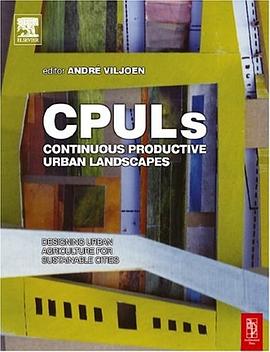
This book on urban design extends and develops the widely accepted 'compact city' solution. It provides a design proposal for a new kind of sustainable urban landscape: Urban Agriculture. By growing food within an urban rather than exclusively rural environment, urban agriculture would reduce the need for industrialized production, packaging and transportation of foodstuffs to the city dwelling consumers. The revolutionary and innovative concepts put forth in this book have potential to shape the future of our cities quality of life within them. Urban design is shown in practice through international case studies and the arguments presented are supported by quantified economic, environmental and social justifications. It is the first book on urban agriculture for architects, landscape architects and urban designers. It presents concepts with the potential to have an immense impact on the future shape of cities. It includes over 200 images providing readers a clear visual idea of this pioneering subject.
作者简介
目录信息
读后感
用户评价
The title "Continuous Productive Urban Landscapes" immediately conjures images of urban environments that are alive and thriving, not just aesthetically pleasing but also functionally robust. I'm drawn to the idea of a "continuous" network of these landscapes, suggesting a holistic and interconnected approach to urban greening. It makes me wonder about the spatial strategies involved – how can these productive elements be woven into the very fabric of the city, from rooftops to street edges, and even vertical surfaces? The term "productive" also piques my interest significantly. Beyond the obvious implication of food production, I anticipate a broader interpretation that includes ecological productivity – the ability of these landscapes to enhance biodiversity, improve air and water quality, and mitigate the urban heat island effect. I hope the book explores the economic viability and social benefits of such an approach, perhaps examining how these landscapes can foster community engagement and create new economic opportunities. I'm particularly keen on learning about innovative technologies and design principles that enable the creation and maintenance of these continuous productive systems. The title implies a forward-thinking perspective, and I'm anticipating that the book will offer practical insights and inspiring examples that can guide the future of urban planning and design, moving towards a more sustainable and harmonious relationship between human settlements and the natural world.
评分From the moment I encountered the title "Continuous Productive Urban Landscapes," I felt a compelling pull towards its promise of a more integrated and functional urban environment. The phrase "continuous" suggests a deliberate effort to avoid fragmented green spaces and instead foster a cohesive, interconnected network. I'm curious to explore how this continuity is envisioned and achieved, whether it's through ecological corridors, shared resource systems, or integrated urban farming initiatives. The "productive" aspect is particularly intriguing, hinting at a paradigm shift in how we perceive and utilize urban land. I anticipate that the book will go beyond mere aesthetic considerations and delve into the tangible outputs of these landscapes, such as food generation, resource recovery, and ecological restoration. My hope is that the author will provide a comprehensive framework that addresses not only the theoretical underpinnings but also the practical challenges and opportunities associated with implementing such landscapes. I'm looking forward to discovering innovative design methodologies, policy frameworks, and community engagement strategies that can bring this vision to life. The title alone evokes a sense of optimism and a tangible pathway towards creating more resilient, self-sustaining, and vibrant urban centers. I'm eager to learn how we can move from abstract ideas to concrete realities in building these productive urban landscapes.
评分The evocative title, "Continuous Productive Urban Landscapes," immediately captured my attention, hinting at a visionary approach to urban living. The emphasis on "continuous" suggests a departure from fragmented urban planning towards a more integrated and flowing design philosophy. I'm eager to understand how this continuity is conceptualized and achieved across diverse urban settings, and what implications it holds for the ecological and social fabric of cities. The term "productive" further deepens my curiosity, suggesting that urban landscapes can be more than just passive elements; they can actively contribute to the city's sustainability and resilience. I wonder if this productivity encompasses food production, but also the generation of ecosystem services, resource regeneration, and the creation of vibrant community spaces. My anticipation is that the book will provide a thorough exploration of the theoretical underpinnings, practical applications, and potential benefits of this concept. I'm particularly interested in learning about innovative design strategies, technological advancements, and policy frameworks that can facilitate the creation and maintenance of these dynamic urban ecosystems. The title itself paints a picture of a future where cities are alive, self-sustaining, and in harmony with nature, and I am excited to discover the insights that will help us realize this vision.
评分在我看来,“Continuous Productive Urban Landscapes”这个书名本身就蕴含着一种积极的、面向未来的信息。它不是停留在对当前城市问题的抱怨,而是指向了一种解决方案,一种更优化的城市发展模式。我猜测这本书会深入探讨如何打破城市景观的碎片化,实现一种有机的、连续的生长。这种连续性,我理解为一种生态上的连续,一种功能上的连续,甚至是一种社会上的连续。比如,从公园绿地到街道两侧的行道树,再到居民区的社区花园,再到办公楼的垂直绿化,甚至到屋顶的农场,这些景观元素之间能否形成一个有机的整体,互相支持,互相促进?“Productive”这个词,让我联想到生产力和效率,但在这个语境下,我更希望它代表的是一种循环经济的理念,一种资源的高效利用,以及对环境的积极贡献。我很好奇,作者将如何论证这种模式的经济可行性,以及它对城市居民生活质量的提升。这本书会不会包含一些关于城市土地利用政策、社区参与机制、以及技术创新的讨论?我期待它能够提供一个全面的框架,指导城市规划师、建筑师、设计师,甚至普通市民,如何共同构建一个更加绿色、健康、可持续的城市。这本书的名字让我对未来城市充满了希望,我希望它能给我带来启发,让我看到城市发展的无限可能。
评分这本书的封面设计十分简洁,但传递的信息却非常丰富。灰绿色的色块巧妙地融合在一起,既有都市的现代感,又不失自然的生命力。“Continuous Productive Urban Landscapes”这个书名,让我立刻联想到在城市中寻找可持续发展的可能性。我一直在思考,如何在日益拥挤的城市空间中,创造出更多的绿色,并赋予这些绿色以实际的功能。我希望这本书能够为我解答这些疑惑。我期待作者能够从多个角度来阐述“Continuous Productive Urban Landscapes”的理念,不仅仅是技术层面的探讨,更可能涉及到社会、经济、文化等多个方面。例如,如何通过政策引导,鼓励城市居民参与到“生产性景观”的建设中来?如何将城市农业与社区发展相结合,创造出更具活力的社区空间?又或者,如何通过技术创新,将生产性景观融入到建筑设计和城市规划中?我希望这本书能提供丰富的案例研究,让我看到不同城市在实践这一理念时所取得的成就和遇到的挑战。同时,我也期待作者能够提出一些具有前瞻性的观点,为未来的城市发展提供指导。这本书的名字让我充满了探索的欲望,我希望它能够给我带来深刻的启示。
评分这本书的作者必定是一位在城市规划和生态设计领域有着深厚造诣的专家。仅仅从书名就可以感受到一种前瞻性和创新性。我一直认为,单纯的城市绿化,如果仅仅是为了美观,那它的价值是有限的。而“Productive”这个词,则赋予了城市景观更强的生命力和功能性。我迫切想知道,作者是如何定义和实现这种“生产性”的。是不是意味着我们可以通过在城市中建立起一个可持续的食物生产网络,从而减少对遥远农场的依赖?还是说,它更侧重于通过引入各种植被,来改善城市微气候,净化空气,减少雨水径流,从而提升城市生态系统的韧性?我想象中,这本书的论述会是层层递进的,从理论的构建,到案例的分析,再到实践的指导。或许会涉及到各种先进的城市农业技术,比如垂直农场、屋顶花园、水培系统等等,以及它们如何与现有的城市基础设施相结合。我尤其期待作者能够提供一些成功的实践案例,这些案例能够证明“Continuous Productive Urban Landscapes”的可行性和优越性。如果这本书能让我了解到,如何在拥挤的城市空间中,巧妙地利用每一寸土地,创造出既能满足人们生活需求,又能促进生态可持续发展的景观,那它将具有划时代的意义。我对这本书的期待,不仅仅是知识的获取,更是对未来城市生活的一种憧憬和启发。
评分The title "Continuous Productive Urban Landscapes" immediately sparks my imagination, suggesting a dynamic and multifaceted approach to urban development. The "continuous" aspect implies a deliberate effort to create a seamless flow of green and productive elements throughout the urban fabric, rather than isolated patches. I envision this as a holistic system where different elements work in synergy to enhance the city's overall well-being. The "productive" dimension is particularly exciting, as it hints at the potential for urban environments to generate resources, contribute to food security, and provide essential ecological services. I am eager to explore how this productivity is defined and measured within the context of urban landscapes. Will the book offer concrete examples of how to integrate various forms of urban agriculture, green infrastructure, and resource management systems? I am also curious about the social and economic implications of such landscapes. Could they foster community cohesion, create new employment opportunities, and improve the quality of life for urban dwellers? My expectation is that this book will provide a compelling argument for a paradigm shift in urban planning, moving towards cities that are not only functional but also regenerative and resilient. I'm looking forward to uncovering innovative strategies and inspiring case studies that demonstrate the power of continuous productive urban landscapes.
评分当我看到“Continuous Productive Urban Landscapes”这个书名时,我immediately felt a spark of curiosity. It suggests a proactive and innovative approach to urban development, moving beyond the traditional concrete jungle. I'm eager to understand how the concept of "continuous" applies to urban landscapes. Does it imply a seamless integration of green spaces throughout the city, or a constant state of renewal and growth within these spaces? And what exactly is meant by "productive"? I envision it encompassing more than just agricultural output; perhaps it also refers to the ecological services these landscapes provide, such as air purification, stormwater management, and habitat creation. I'm particularly interested in the practical implications of this concept. Will the book delve into specific design strategies, architectural solutions, or policy recommendations that can facilitate the creation of continuous productive urban landscapes? I hope to find detailed case studies showcasing successful implementations in various urban contexts, highlighting both the benefits and the challenges involved. The title itself hints at a vision of cities that are not only functional but also vibrant and sustainable, and I'm excited to discover how this vision can be realized. My expectation is that this book will offer a comprehensive and inspiring exploration of how we can transform our cities into more resilient and livable environments.
评分这本书的封面设计就非常吸引人,采用了抽象的绿色和灰色的几何图形,巧妙地将城市景观与自然元素融合在一起。封面上“Continuous Productive Urban Landscapes”这个书名,简洁有力,透露出一种对城市发展模式的深刻思考。我拿到这本书的时候,脑海中立刻涌现出无数关于城市绿化、空间利用、可持续发展的画面。我一直对如何在钢筋水泥的丛林中创造更多绿色空间感到好奇,这本书的名字恰好击中了我的兴趣点。我期待着它能提供一些突破性的见解,不仅仅是理论上的阐述,更能是实践上的指导。我设想这本书会从城市规划的宏观视角出发,深入探讨如何在城市的各个角落,从屋顶到街道,从社区花园到大型绿化带,实现生产性景观的连续性。这种连续性意味着什么?是植物的种植不间断,还是食物的生产不间断,亦或是生态系统的功能不间断?我希望作者能给出清晰的定义和丰富的案例。同时,我也很好奇“Productive”这个词的含义,它是否仅仅指农业生产,还是涵盖了更广泛的意义,比如生态净化、社区互动、文化传承等等?这本书的篇幅应该不小,我相信它会为我打开一扇新的窗户,让我对“城市”和“景观”这两个概念有全新的认识。我甚至开始想象,这本书中的理念如果能被广泛采纳,未来的城市将会是怎样一番景象,或许是绿意盎然,充满生机,人与自然和谐共处的美好图景。
评分我拿到这本书的时候,首先被它独特的书名吸引了。“Continuous Productive Urban Landscapes”——这个名字组合起来,仿佛描绘了一幅生机勃勃的城市画卷。我脑海中浮现的,不再是冰冷的钢筋水泥,而是绿意盎然的建筑,以及在城市中生长的食物。我期待这本书能深入探讨如何在城市环境中,创造出既有生产力,又能保持连续性的景观。这种“连续性”,在我看来,意味着城市不再是孤立的个体,而是能够与自然融为一体,形成一个良性的生态系统。我猜想,作者可能会从不同尺度来分析这个问题,从宏观的城市规划到微观的社区设计,都可能包含在内。而“Productive”,则让我对城市的可持续发展充满了好奇。它是否意味着在城市中实现食物自给自足?或者,是通过绿化来改善城市环境,提高居民的生活质量?我希望这本书能够提供切实可行的解决方案,而不仅仅是理论上的探讨。或许,它会介绍一些创新的城市农业技术,或者展示一些成功的实践案例,让我看到这种理念是如何在现实中落地的。我期待这本书能够挑战我固有的城市观,让我重新认识城市与自然的关系,并激发我为建设更美好的城市而努力的动力。
评分productive landscape is for the whole city.
评分productive landscape is for the whole city.
评分productive landscape is for the whole city.
评分productive landscape is for the whole city.
评分productive landscape is for the whole city.