
具体描述
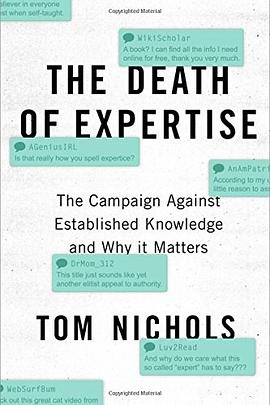
Technology and increasing levels of education have exposed people to more information than ever before. These societal gains, however, have also helped fuel a surge in narcissistic and misguided intellectual egalitarianism that has crippled informed debates on any number of issues. Today, everyone knows everything: with only a quick trip through WebMD or Wikipedia, average citizens believe themselves to be on an equal intellectual footing with doctors and diplomats. All voices, even the most ridiculous, demand to be taken with equal seriousness, and any claim to the contrary is dismissed as undemocratic elitism.
Tom Nichols' The Death of Expertise shows how this rejection of experts has occurred: the openness of the internet, the emergence of a customer satisfaction model in higher education, and the transformation of the news industry into a 24-hour entertainment machine, among other reasons. Paradoxically, the increasingly democratic dissemination of information, rather than producing an educated public, has instead created an army of ill-informed and angry citizens who denounce intellectual achievement. When ordinary citizens believe that no one knows more than anyone else, democratic institutions themselves are in danger of falling either to populism or to technocracy or, in the worst case, a combination of both. An update to the 2017breakout hit, the paperback edition of The Death of Expertise provides a new foreword to cover the alarming exacerbation of these trends in the aftermath of Donald Trump's election. Judging from events on the ground since it first published, The Death of Expertise issues a warning about the stability and survival of modern democracy in the Information Age that is even more important today.
作者简介
Tom Nichols is Professor of National Security Affairs at the US Naval War College, an adjunct professor at the Harvard Extension School, and a former aide in the U.S. Senate. He is also the author of several works on foreign policy and international security affairs, including The Sacred Cause, No Use: Nuclear Weapons and U.S. National Security, Eve of Destruction: The Coming Age of Preventive War, and The Russian Presidency.
He is also a five-time undefeated Jeopardy! champion, and as one of the all-time top players of the game, he was invited back to play in the 2005 Ultimate Tournament of Champions. Nichols' website is tomnichols.net and he can be found on Twitter at @RadioFreeTom.
目录信息
Introduction. The Death of Expertise
Chapter 1. Experts and Citizens
Chapter 2. How Conversation Became Exhausting
Chapter 3. Higher Education: The Customer Is Always Right
Chapter 4. Let Me Google That for You: How Unlimited Information Is Making Us Dumber
Chapter 5. The "New" New Journalism, and Lots of It
Chapter 6. When the Experts Are Wrong
Conclusion. Experts and Democracy
· · · · · · (收起)
读后感
今天的国内高等教育仍然活在公立教育的制度体系内部,并不如尼克尔斯描述的美国教育一般——学生成为高等教育行业的客户,但对比美国高等教育的输出结果,二者却是出奇的一致。我们的毕业生和美国的毕业生一样,经过了美妙的四年,自尊见长知识却鲜有长进,大学的经历没能养成...
评分阅完,说是为“专家“正名实则是为”精英”正名,作者抨击美民众在政治和通识上普遍无知,缺乏责任心,社会需要”精英式“民主。近期看美治新冠病毒的公共事件来看,赶脚他们的不少人和他们的总统一样是过于自负的,确有反智趋势。像作者这样的社会公知敢于发声,为”精英”正...
评分阅完,说是为“专家“正名实则是为”精英”正名,作者抨击美民众在政治和通识上普遍无知,缺乏责任心,社会需要”精英式“民主。近期看美治新冠病毒的公共事件来看,赶脚他们的不少人和他们的总统一样是过于自负的,确有反智趋势。像作者这样的社会公知敢于发声,为”精英”正...
评分 评分其实反智是在美国人骨子里的一种习惯 与民主有关 与历史有关 这个观点我认同 但是同时我觉得本书夹杂了很多作者的私货(一个大学老师 专家 作者) 尤其在《大学》这一章中 作者提出 大学教育被资本化了 学生成了上帝(顾客) 学校的老师和员工则变成了要取悦顾客刺激消费的售货...
用户评价
这是一部对我们所处时代的智识挑战的深刻反思,作者以一种兼具学术严谨性和大众可读性的方式,剖析了专业知识在信息爆炸的背景下所面临的困境。这本书的核心在于,它并非简单地为“专家”说话,而是引导读者理解为什么在一个信息无所不在的时代,真正有价值的专业知识反而可能变得更加难以被识别和接受。作者通过对一系列历史事件和当今社会现象的细致梳理,展示了错误信息和阴谋论如何利用信息传播的漏洞,轻易地侵蚀公众对科学共识的信任。他并没有简单地批评公众,而是深入分析了信息传播渠道的变化、社交媒体的算法以及个人心理因素如何共同作用,导致了我们今天所见的局面。这本书的独特之处在于,它提供了识别和应对这一挑战的思路。它鼓励读者培养独立思考的能力,去追溯信息的来源,去理解观点的形成过程,并且学会尊重和珍视那些经过时间检验和同行评审的专业知识。阅读此书,无疑会提升我们在这个信息时代辨别真伪、做出明智判断的能力。
评分一本令人深思的著作,它探讨了我们这个时代一个越来越普遍的现象:专家知识的衰落以及与之相伴的公众对科学和权威的普遍不信任。作者以一种引人入胜且极具说服力的方式,深入剖析了这一趋势的根源,以及它对社会、政治和个人生活可能造成的深远影响。这本书并非简单地呼吁回归对专家的盲目崇拜,而是鼓励读者进行批判性思考,理解专业知识的形成过程,并学会区分真正的专业人士和那些披着专家外衣的误导者。通过丰富的案例研究和对历史趋势的梳理,作者揭示了互联网时代信息爆炸如何被滥用,使得错误信息和阴谋论得以迅速传播,从而侵蚀了公众对科学共识和理性讨论的信任基础。这不仅仅是一本关于知识的讨论,更是一次关于我们如何理解和应对这个信息复杂世界的深刻反思。它挑战了我们固有的思维模式,促使我们重新审视我们获取信息的方式,以及我们对“真相”的理解。读完这本书,你会发现自己对许多曾经习以为常的现象有了全新的认识,并且会更积极地去追求那些建立在严谨研究和事实基础上的观点,而不是被那些看似有理实则空洞的言论所左右。这是一本真正能够启迪思想、改变认知的佳作,对于任何关心社会发展和个人成长的读者来说,都是不容错过的。
评分这是一次对现代社会智识景观的敏锐洞察,作者以一种非同寻常的清晰度和深度,揭示了我们这个时代一个令人担忧的趋势——专业知识的地位受到前所未有的挑战。这本书就像一位经验丰富的向导,带领我们穿梭于信息洪流之中,教我们如何辨别方向,如何区分哪些声音值得倾听,哪些又应当被置于审视之下。它不仅仅是对“专家”这个概念的讨论,更是对我们如何构建和维护一个理性社会的深刻反思。作者通过对历史、心理学、社会学等多方面的分析,为我们描绘了一幅详尽的图景,解释了为何在过去几十年里,我们见证了科学共识的动摇,以及对专家意见的普遍怀疑。特别是在数字时代,信息的传播速度和广度都达到了前所未有的水平,这使得错误信息和虚假新闻有机可乘,它们往往以一种比真实信息更具吸引力、更符合人们情感需求的方式呈现,从而更容易获得传播和认可。这本书的重要价值在于,它不是简单地指责公众的无知,而是深入分析了导致这种状况的结构性原因,并提出了建设性的应对策略。它鼓励我们拥抱批判性思维,培养独立思考的能力,并且理解知识的累积性和复杂性,而不是追求一蹴而就的“简单答案”。这是一本深刻的作品,它会让你重新思考自己与信息、与知识、与社会的关系。
评分这是一部关于我们这个时代一个深刻而普遍困境的剖析,作者以一种冷静而富有洞察力的笔触,探讨了专业知识是如何在信息爆炸的时代逐渐被边缘化,以及公众对科学和权威的信任是如何被侵蚀的。这本书不是对“专家”的简单辩护,而是对我们如何理解和运用知识的深刻反思。它揭示了互联网如何成为一个双刃剑,一方面极大地拓展了信息的可及性,另一方面也为错误信息和煽动性言论提供了温床。作者通过大量生动的案例和历史事件,说明了在信息泛滥的当下,公众如何被各种虚假的“专家”和未经证实的观点所误导,从而导致对真正科学共识的怀疑和抵制。这本书的重要性在于,它不仅仅指出了问题所在,更重要的是,它试图提供一种理解和应对这种现象的方式。它强调了批判性思维的重要性,鼓励读者去追溯信息的来源,去理解专业知识的形成过程,去学会区分可靠的证据和空洞的论调。这对于在复杂多变的现代社会中保持清醒的头脑,做出明智的判断至关重要。这本书会让你重新审视自己获取信息和形成观点的过程,并促使你成为一个更加独立和理性的思考者。
评分作者以一种令人信服的逻辑和丰富的论据,深刻地探讨了我们这个时代最令人不安的智识趋势之一:专业知识的衰落及其对社会产生的广泛影响。这本书的精妙之处在于,它并没有简单地将责任归咎于某个群体,而是深入挖掘了导致这一现象的社会、文化和技术层面的深层原因。它不仅仅是对“专家”这个概念的讨论,更是对我们如何构建和维护一个基于事实和理性的社会的思考。在信息爆炸的互联网时代,虚假信息和阴谋论的传播速度令人咋舌,而真正的科学共识和专业知识却常常被淹没在噪音之中。作者通过对历史事件、媒体运作方式以及大众心理的细致分析,向我们展示了这一过程的复杂性。这本书的价值在于,它鼓励我们每个人都成为一个更积极、更具批判性的信息消费者。它教我们如何去质疑,如何去追溯信息来源,如何去理解科学研究的本质,从而在海量信息中找到属于自己的清晰认知。这是一本能够激发深度思考的书籍,它会让你对我们所处的这个信息时代有一个全新的、更深刻的认识。
评分作者以一种令人印象深刻的洞察力,深入探讨了我们这个时代一个愈发普遍且令人担忧的现象:专业知识的权威性正在受到普遍质疑,公众对科学和学术权威的信任度明显下降。本书并非简单地辩护“专家”的角色,而是对我们如何在一个被信息洪流淹没的世界中保持清醒的头脑,并作出理性判断的一次深刻反思。作者通过对历史进程、社会心理和数字媒体技术的综合分析,揭示了在信息传播高度发达的今天,真实而严谨的专业知识是如何被那些哗众取宠、缺乏事实根据的观点所边缘化。他没有简单地将责任推卸给大众,而是深入分析了信息传播机制的改变、教育理念的偏差以及社会文化趋势是如何共同作用,从而加剧了这一“专业知识衰落”的趋势。这本书的价值在于,它提供了一种理解和应对这一挑战的框架。它鼓励读者积极培养批判性思维,去审视信息的来源,去理解知识的构成,并学会区分真正的专业人士和那些利用情绪和偏见来误导他人的个体。阅读此书,能够帮助我们在复杂多变的信息环境中,更好地 navigater 并形成自己独立的、基于事实的认知。
评分这是一部发人深省的作品,作者以一种令人着迷的方式,剖析了我们这个时代一个日益突出的社会现象:专业知识的地位正在受到前所未有的挑战,公众对科学和学术权威的信任度普遍下降。本书并非简单地为“专家”辩护,而是对我们如何理解和运用知识,以及如何在一个充满噪音和虚假信息的时代保持理性认知进行了一次深刻的梳理。作者运用了大量的案例和数据,详细地阐述了互联网和社交媒体在信息传播中所扮演的双重角色——它们既是知识普及的强大工具,也为错误信息和不实观点提供了滋生的温床。那些未经证实的说法,往往因为更具煽动性和情感吸引力,反而更容易在公众中获得传播和认同,从而挤压了真正基于事实和研究的专业声音。这本书的重要性在于,它不仅指出了问题的存在,更重要的是,它提供了一种应对策略。它鼓励读者培养批判性思维,学会辨别信息的来源和质量,理解科学研究的严谨性和复杂性。阅读此书,能够帮助我们更好地 navigater 于信息海洋之中,成为一个更具独立思考能力的人。
评分这本书如同一记警钟,它以一种引人入胜的方式,深刻地揭示了我们这个时代一个令人担忧的趋势——专业知识的普遍衰落以及随之而来的公众对科学和权威的质疑。作者通过对历史、心理学和社会学等多维度的深入研究,为我们描绘了一幅清晰而令人警醒的图景,解释了在信息爆炸和社交媒体盛行的当下,为什么那些真正掌握专业知识的人的声音常常被淹没,而被那些哗众取宠、缺乏依据的观点所取代。它不是简单地抱怨公众的无知,而是深入分析了导致这种状况的复杂原因,包括信息传播机制的改变、教育模式的缺陷以及社会文化心态的演变。这本书的重要性在于,它鼓励我们每个人都去承担起辨别信息、捍卫理性的责任。它并非鼓吹对专家的盲目崇拜,而是引导读者去理解专业知识的价值,学习如何去辨别真正的专家和那些以专家自居的误导者。通过阅读这本书,你会更深刻地认识到,在信息过载的时代,批判性思维和信息素养是多么不可或缺的生存技能。它会促使你更加审慎地对待你所接收到的信息,并且更加珍视那些建立在严谨研究和事实基础上的观点。
评分这本书如同一幅精密的社会图景,作者以一种冷静而深刻的笔触,揭示了我们这个时代一个令人不安的趋势——专业知识的权威性正在被削弱,公众对科学和权威的信任度日渐低迷。作者的分析极具说服力,他深入探讨了导致这一状况的多种因素,从信息传播技术的变革,到社会文化心态的变迁,再到教育体系的某些不足。他并没有简单地将原因归结于“无知”,而是更侧重于分析信息环境的改变如何使得错误信息更容易传播,并且更容易获得公众的认同。本书的价值在于,它不是简单地呼吁回归对专家的盲目崇拜,而是引导我们去理解专业知识的形成过程,去认识到科学研究的严谨性和复杂性,并且教我们如何去辨别那些披着专家外衣的误导者。在如今信息爆炸的时代,学会如何过滤信息、如何批判性地思考,以及如何尊重和理解专业性,变得尤为重要。这本书会促使你审视自己接收信息的方式,并且更加珍视那些基于事实和证据的观点。
评分这是一次对我们时代智识困境的深刻探究,作者以一种极为敏锐的视角,剖析了专业知识如何在信息泛滥和大众传播的浪潮中逐渐失去其应有的光环。本书绝非简单的“专家至上”论调,而是一次关于如何在复杂信息环境中保持理性判断的深刻反思。它揭示了互联网时代信息传播的悖论:尽管获取信息的渠道空前便捷,但辨别真伪和区分专业性的难度也随之剧增。作者通过大量引人入胜的案例,展示了从科学共识到公共政策,专业知识如何被误解、被曲解,甚至被恶意攻击,而那些缺乏事实根据的观点却能轻易地获得大众的认同。这不仅是对专业人士的挑战,更是对整个社会理性能力的严峻考验。本书的价值在于,它不仅指出了问题,更提供了解决问题的思路。它鼓励读者积极培养批判性思维,深入了解信息是如何产生的,以及专业知识是如何形成的。它提醒我们,在信息爆炸的时代,我们需要的是更强的辨别力,而不是更简单的结论。阅读此书,会让你重新审视自己与知识的关系,并且更加珍视那些经过严谨验证的观点。
评分The Dunning-Kruger effect. In 1999, Cornell University psychologists David Dunning and Justin Kruger revealed that having less skill at a specific task can make someone less likely to recognize their own incompetence.
评分The Dunning-Kruger effect. In 1999, Cornell University psychologists David Dunning and Justin Kruger revealed that having less skill at a specific task can make someone less likely to recognize their own incompetence.
评分The final grade is A
评分Although we are well aware of the problem, the light casted on the way out still looks dim.
评分对阴谋论也有分析。