
具体描述
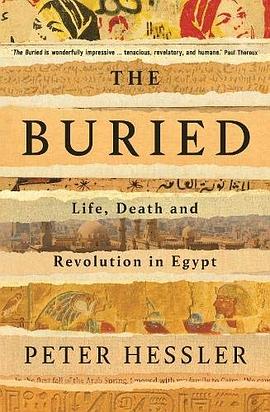
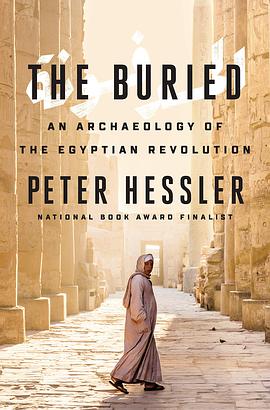
From the acclaimed author of River Town and Oracle Bones, an intimate excavation of life in one of the world's oldest civilizations at a time of convulsive change
Drawn by an abiding fascination with Egypt's rich history and civilization, Peter Hessler moved with his wife and twin daughters to Cairo to explore a place that had a powerful hold over his imagination. He wanted to learn Arabic, explore Cairo's neighborhoods, research ancient history, and visit the legendary archeological digs. After years of covering China for The New Yorker, friends warned him it would be a much quieter place. But just before his arrival, the Arab Spring had reached Egypt and the country was in chaos.
In the midst of the revolution, he attached himself to an important archeological dig at a site rich in royal tombs known in as al-Madfuna, or "The Buried." He and his wife set out to master Arabic, striking up an important friendship with their language instructor, a cynical political sophisticate named Rifaat. And a very different kind of friendship was formed with their garbage collector, an illiterate neighborhood character named Saaed, whose access to the trash of Cairo would be its own kind of archeological excavation. Along the way, he meets a family of Chinese small business owners who have cornered the nation's lingerie trade; their pragmatic view of the political crisis is a bracing counterpoint to the West's conventional wisdom.
Through the lives of these ordinary Egyptians in a time of tragedy and heartache, while drawing connections between contemporary politics and the ancient past, Hessler creates a richly textured and original portrait of a revolution and the people swept up in it. Whether he's investigating the relics of pharaohs, the neighborhood trash that Saeed brings him, the Arabic vocabulary lists from Rifaat, or the Muslim Brotherhood documents left behind after mobs have looted their offices, Hessler finds subtle and illuminating insights to understand a nation from a new perspective.
What emerges is a book of uncompromising intelligence and glorious humanity. Through the lives of Saeed and Rifaat, we encounter a land in which a weak state has collapsed but its underlying society remains painfully the same. The Buried is an extraordinary achievement that unearths a new world for the reader, one filled with unforgettable people who escape their context and become universal.
作者简介
Peter Hessler is a staff writer at the New Yorker, where he served as Beijing correspondent from 2000-2007 and Cairo correspondent from 2011-2016. He is also a contributing writer for National Geographic. He is the author of River Town, which won the Kiriyama Book Prize, Oracle Bones, which was a finalist for the National Book Award, Country Driving, and Strange Stones. He won the 2008 National Magazine Award for excellence in reporting.
目录信息
Part Two: The Coup
Part Three: The President
Acknowledgments
Notes
Indes
· · · · · · (收起)
读后感
和何伟的其他作品一样,书中涉及的人物都是他所接触的埃及社会的普通个体。对这些人的观察,还是一如既往的体谅又尖锐。这种发自内心的真诚和谦逊在西方记者群体里并不多见。而对于人情世故的体察之深,即得益于他的态度,也反映出他的天赋。 和这些人有关的故事,大多曾专文在...
评分 评分 评分http://mbook.kongfz.com/367769/1788016758/ The Buried 藏地 作者:彼得·海斯勒 出版社:Penguin Press 装帧:平装 页数:445页 运费:卖家承担运费 “2011年1月25日,埃及阿拉伯春天运动的第一天,阿拜多斯一切正常。没有游行、没有人群、没有警察…”
评分用户评价
这本书的特别之处在于,它似乎有一种能够触及到我内心最深处的情感的能力。那些关于失去、关于寻找、关于救赎的主题,都让我感同身受。我发现自己在阅读的过程中,不断地被角色的命运所牵动,为他们的挣扎而心疼,为他们的微小胜利而感到欣慰。这种情感上的投入,是很多作品难以企及的。
评分我在阅读这本书的过程中,最常有的感觉就是“惊喜”。作者在情节设计上的独具匠心,总能出乎我的意料。那些看似无关紧要的细节,在后续的剧情中却起到了至关重要的作用,让我不得不佩服作者的谋篇布局能力。整个故事就像一幅精心绘制的画卷,每一笔都充满了深意。
评分坦白说,这本书的阅读体验是极为独特的。它不像很多畅销书那样,以强烈的戏剧冲突取胜,而是以一种更为内敛、更为深刻的方式,一点点地渗透进读者的内心。作者在语言的运用上,既有诗意的表达,又有现实的力度,让我沉醉其中,也让我警醒。
评分我对这本书的整体感受,可以用“意犹未尽”来形容。它所构建的世界观是如此真实,又充满了神秘感,让我忍不住想要一次又一次地重读,去发现那些可能被我忽略的细节。作者在处理叙事节奏上非常有分寸,既不会让我觉得拖沓,也不会让我觉得过于仓促,一切都恰到好处,让我在享受阅读乐趣的同时,也能感受到故事所带来的深刻思考。
评分我最近读过的许多书里,这本书给我带来的冲击无疑是最为强烈的。它不仅仅是一个简单的故事,更像是一次对人性的深刻剖析,一次对历史真相的艰难挖掘。作者在构建情节时,那种层层递进的悬念设置,总能在我以为已经接近真相的时候,又抛出新的线索,让我欲罢不能。每一次翻开书页,都感觉自己又一次潜入了更深的黑暗,却又渴望着找到那一缕微弱的光明。
评分不得不说,这本书在我心中占据了一个非常重要的位置。它不仅仅是一次阅读体验,更像是一次心灵的洗礼。作者的叙事技巧非常高超,他能够巧妙地运用大量的心理描写和环境描写,营造出一种独特的氛围,让我沉浸其中,无法自拔。每一次阅读,我都能从中获得新的感悟,发现之前未曾注意到的深层含义。
评分我想要说,这本书真的不是那种可以快速读完的作品。它的每一个字,每一句话,都似乎蕴含着作者的深思熟虑。我喜欢作者在处理那些沉重的主题时所展现出的韧性和勇气,他没有回避那些黑暗的角落,反而选择勇敢地去揭示它们,并引导读者去思考。
评分真的,写下这本书的读后感,我脑海里闪过的第一个词就是“震撼”。它不是那种瞬间爆发的戏剧冲突,而是一种逐渐渗透、深入骨髓的震撼。作者的文字功底可见一斑,他能够将那些看似平凡的细节,编织成一张密不透风的网,将读者牢牢地网在其中。我常常会在阅读的过程中停下来,思考作者想要传达的更深层次的含义,那些关于记忆、关于遗忘、关于真相的意义,都引发了我强烈的共鸣。
评分这本书带给我的思考是持久的。它不仅仅是在阅读的时候吸引我,更是在合上书本之后,依旧在我的脑海中回响。作者对于人性的复杂性和矛盾性的描绘,让我对生活有了更深刻的理解。我开始反思自己,反思那些被我们选择性遗忘或者掩埋的真相。
评分这本书,我真心话,它在我的脑海里盘旋了好久,像一首挥之不去的旋律,或者一个难以解开的谜团。故事的开端,那种娓娓道来的叙事方式,就如同一个经验丰富的说书人,在你耳边低语,一点点地勾勒出那个被埋藏的秘密。我特别喜欢作者在描绘人物心理时的细腻笔触,那些细微的情绪波动,那些难以启齿的恐惧,都被刻画得入木三分,让我仿佛能感同身受,跟随角色的内心进行一场深刻的探索。
评分何伟以他一如既往的细腻、幽默和洞见,为埃及这个混沌难辨的国度勾勒出了一个异常生动饱满的轮廓,同时也将我过往的零散认知有力地拼合了起来。而在这整个叙述过程中,作为参照物的中国于背景中不时闪现,宛若一缕绵延自“中国三部曲”的悠长回响。
评分啊啊啊,真是一本好书,喜欢何伟笔下的那些人物。喜欢他的写作风格和幽默,喜欢他的平等他的人文关怀。希望书里的那些人以后也平安地生活下去。这本书让我对阿拉伯之春感兴趣了。
评分通过何伟了解到了埃及。开始读第一部分恨不得他还能附上基础埃及阿拉伯语教学内容跟他一起学阿拉伯语;到了书的第二部分这个社会的基本轮廓和人们的特点勾画到很具体,结合几千年的古文明历史,加上节奏紧凑的个人事件和政治事件,有一种知识大爆炸的感觉,同时越来越理解他说的“系统”、“两种时间”、“非正式”等等这些事情;看到第三部分时心情很复杂,那种看着身边许多人的命运急转直下的悲痛,同时又会为许多小插曲破涕而笑——大概用何伟的话来说,那种在“矛盾”当中存在的心情。作为一个长年生活在“系统”强大的国家的人,往往很难想象这之外何来秩序,但我从来不觉得任何一个“系统”是永恒不变的,去了解“弱系统”的社会形态是了解人性的一个角度。
评分是现在也是过去,是纪实又像小说,何伟写作真的懂怎么放出去和怎么收回来,最后一章就像个电视剧的大结局,很有画面感
评分通过何伟了解到了埃及。开始读第一部分恨不得他还能附上基础埃及阿拉伯语教学内容跟他一起学阿拉伯语;到了书的第二部分这个社会的基本轮廓和人们的特点勾画到很具体,结合几千年的古文明历史,加上节奏紧凑的个人事件和政治事件,有一种知识大爆炸的感觉,同时越来越理解他说的“系统”、“两种时间”、“非正式”等等这些事情;看到第三部分时心情很复杂,那种看着身边许多人的命运急转直下的悲痛,同时又会为许多小插曲破涕而笑——大概用何伟的话来说,那种在“矛盾”当中存在的心情。作为一个长年生活在“系统”强大的国家的人,往往很难想象这之外何来秩序,但我从来不觉得任何一个“系统”是永恒不变的,去了解“弱系统”的社会形态是了解人性的一个角度。