
具体描述
作者简介
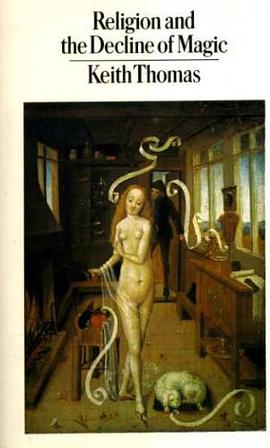
基思·托马斯爵士(Sir Keith Thomas,1933— ),英国历史学家,代表作为《16和17世纪英格兰大众信仰研究》和《人类与自然世界》。曾任牛津大学基督圣体学院院长、牛津大学副校长、《牛津国家人物传记大辞典》顾问。1988年因对早期现代英国历史研究的贡献, 被女王授予骑士爵位。在知名历史刊物《今日历史》创刊六十周年的历史学家评选上,托马斯是仅有的被三位专家推选的史学大家。
目录信息
读后感
在16和17世纪,英格兰大地上充斥着巫术、占星术、占卜术等众多大众迷信,人们相信被赐福的护身符可以驱逐邪灵,同样的咒语还能够让失物复得。与此同时,宗教改革试图剔除基督教中的巫术元素,而科学家也在发展新的宇宙解释。基思·托马斯的这本经典著作从中世纪教会的分崩离析...
评分 评分 评分历史人类学流派开山之作,译文读来十分“清洁”,没有某些社科著作的专业架势和理论沉滞,符合英式的经验主义传统。作者组织史料的功夫实在可赞,博览大观,却丝毫没有生硬的堆砌感,各个章末的总结又精辟妥帖,个性可见。理性化的祛魅时代,宗教、巫术、信仰、大众,因知识人...
评分摘 要:基思·托马斯是英国当代史学名宿,西方新文化史的代表性人物,他以《宗教与魔法的衰落》和《人类与自然世界》等著作饮誉国际史坛。托马斯也以倡导史学新方法著称,其历史人类学的方法经他与弟子彼得·伯克、阿兰·麦克法兰等人的实践,开创了文化史研究的新局面,形成了...
用户评价
The title, Religion and the Decline of Magic, immediately sparked my curiosity about the historical evolution of human belief systems. I've always been fascinated by how societies interpret the world around them, especially in eras preceding widespread scientific understanding. I often picture individuals in the past grappling with the uncertainties of life – disease, famine, conflict – and turning to a diverse array of explanations and solutions. Magic, in its various forms, likely served as a vital toolkit for understanding and interacting with these challenges. Whether it involved specific rituals to ensure a good harvest, amulets to ward off evil, or divination to predict the future, these practices were deeply embedded in the fabric of daily life. The book's title suggests a critical examination of what led to the diminishing influence of these magical traditions. I’m particularly interested in understanding the complex interplay between religion and magic during this transitional period. Did established religious institutions actively suppress magical practices, viewing them as heretical or competing with their own authority? Or did religion itself absorb and reframe certain magical elements into its own doctrines and rituals? Furthermore, I’m keen to discover the role of nascent scientific thought and philosophical inquiry in challenging the foundational principles of magic, offering alternative, rational explanations for phenomena that were once attributed to supernatural causes. I anticipate the book will provide a detailed historical account of this profound shift in human consciousness.
评分这本书的书名,Religion and the Decline of Magic,立刻吸引了我,因为它点出了一个我一直非常着迷的社会变迁主题:宗教与魔法之间的复杂关系,以及魔法是如何在宗教和后来的理性思潮夹击下逐渐衰落的。我常常会设想,在古代社会,宗教和魔法之间的界限或许并没有那么清晰。很多被认为是魔法的行为,可能也被纳入了宗教的范畴,成为与神灵沟通,或者祈求神灵保佑的一种方式。然而,随着时间的推移,宗教自身也在发展和演变。一些更具组织性、更强调教义和伦理的宗教体系,可能逐渐排斥那些被认为是“异端”的、更原始的魔法实践。同时,理性主义和科学的兴起,更是对魔法构成了直接的挑战。当人们可以通过观察、实验来理解自然界的规律时,那些依赖于神秘解释的魔法,自然会显得苍白无力。我期待这本书能够细致地梳理出这个复杂的过程,探究宗教在其中扮演了怎样的角色,是推动了魔法的衰落,还是与之并行,甚至在某些方面有所融合?又是哪些科学的发现和哲学的思辨,最终敲响了魔法的丧钟?我希望这本书能够提供一个多维度、深层次的分析,让我能够更全面地理解人类文明从神秘主义走向理性主义的漫长而又充满挑战的道路。
评分这本书的书名,Religion and the Decline of Magic,让我立刻联想到人类文明史上一段重要的转型时期,一个从充满神秘与敬畏的世界观,逐渐转向以理性和科学为基础的时代。我常常会设想,在古代,魔法并非仅仅是虚无缥缈的传说,而是人们理解世界、应对未知、解决实际问题的重要手段。无论是治疗疾病、预测未来,还是影响天气、确保丰收,魔法的实践渗透到生活的方方面面。人们可能会相信,通过特定的咒语、仪式、或者符咒,能够召唤神灵的帮助,驱散恶灵的侵扰,或者影响自然的进程。这种对超自然力量的依赖,并非源于愚昧,而是那个时代知识体系的必然产物。然而,随着时间的推移,新的思想和方法开始挑战旧有的观念。宗教,作为一种更具系统性和教义性的信仰体系,有时会与传统的民间魔法发生冲突,将其视为异端而加以排斥。与此同时,科学的兴起,通过观察、实验和逻辑推理,为解释世界提供了一种全新的、更为可靠的途径。这本书,我非常期待它能够深入地剖析,宗教在这个过程中扮演了何种复杂的角色?它是如何与魔法相互作用,既可能吸收,也可能排斥,并最终推动了魔法的衰落?又是哪些科学的发现和哲学上的突破,成为了瓦解魔法观念的关键力量?我希望这本书能为我揭示这一历史性的思想转变背后的驱动力,以及它对现代社会形成的深远影响。
评分When I first encountered the title, Religion and the Decline of Magic, it struck a chord with my long-standing interest in the history of ideas and societal transformation. I frequently ponder how human societies have moved from eras dominated by a sense of the numinous and the mysterious to a more secular and empirically grounded outlook. In earlier times, before the advent of modern science, I imagine that explanations for natural phenomena, personal fortunes, and societal events were often sought in the supernatural. Magic, in its myriad forms – from healing practices and prophetic visions to protective charms and weather manipulation – would have been an integral part of the human experience, providing both understanding and a sense of agency in a world often perceived as unpredictable and governed by unseen forces. The book's title suggests a deep dive into the processes that led to the gradual fading of these magical beliefs and practices. I'm particularly intrigued by the implied relationship between religion and magic in this historical shift. Did the consolidation and formalization of religious doctrines play a role in marginalizing or even eradicating folk magic? Or did religious systems themselves sometimes incorporate elements that we might now classify as magical? Moreover, I am eager to learn about the specific intellectual currents, such as the rise of rationalism and the empirical methods of science, that fundamentally challenged the logic and efficacy of magical thinking, paving the way for a more rationalized worldview. I anticipate this book will offer a comprehensive and insightful analysis of this pivotal transition in human cultural history.
评分拿起这本书,我立刻被它提出的核心问题所吸引:是什么导致了“魔法”的衰落?这个问题的背后,隐藏着一个更宏大的叙事,那就是人类文明从神话时代走向理性时代的漫长而复杂的转型。我想象着,在漫长的历史长河中,人们是如何理解世界的?在缺乏科学解释的情况下,很多现象,比如疾病的传播、天气的变化、甚至是人们的情绪波动,都被赋予了超自然的原因。或许是神的愤怒,或许是恶魔的诅咒,或许是某种神秘的力量在作祟。因此,魔法,作为一种试图理解和操控这些超自然力量的体系,应运而生。它渗透到生活的方方面面,从医疗到农业,从战争到爱情,无处不在。然而,随着时代的变迁,新的思想开始萌芽。人们开始观察、记录、实验,试图找到事物的自然规律。当一个现象能够被理性地解释,或者被一种更有效的方法解决时,依赖于神秘力量的解释和实践,自然就会失去其原有的吸引力和必要性。这本书,我猜测,就是通过梳理这些历史性的思想转变和实践的演变,来揭示“魔法”如何从一个包罗万象的解释体系,逐渐退居到历史的幕后,最终成为一种被边缘化甚至被遗忘的文化现象。
评分这本书的书名,The Decline of Magic,在我拿起它之前就牢牢吸引了我。我一直对人类思想如何演变,特别是那些曾经被视为神秘和不可思议的事物如何被理性解释并最终消失的转变过程感到着迷。我的脑海中立刻浮现出关于炼金术士在寒冷夜晚的实验室里,在跳动的烛光下,试图从卑微的金属中炼出黄金的画面;或者关于那些被誉为拥有神圣力量的萨满,在部落的仪式中,通过古老的歌谣和舞蹈,与神灵沟通,治愈病患,预言未来。这些古老的信仰和实践,在现代社会看来,似乎是遥不可及的迷信,但它们曾是许多社会运行的基石,是人们理解世界、应对未知的主要方式。因此,当我知道有这样一本书深入探讨“魔法的衰落”时,我简直迫不及待地想一探究竟。我好奇的是,究竟是什么样的力量,什么样的思想变迁,才能够将如此根深蒂固的观念一点点地侵蚀、动摇,并最终取而代之?是科学的进步?哲学的思辨?还是社会结构的重塑?这本书无疑提供了一个绝佳的视角,让我能够深入地探索人类文明史中,关于信念、知识体系以及人类自我认知转变的宏大叙事。我期待着,它能够为我揭示那些隐藏在历史洪流中的微妙而深刻的变革力量,让我在阅读中,不仅能回顾过去的奇幻,更能理解当下的现实是如何形成的。
评分这本书的书名,Religion and the Decline of Magic, immediately conjured for me images of a world vastly different from our own, a world where the boundaries between the natural and the supernatural were far more fluid. I often find myself contemplating how people in earlier eras understood and navigated the mysteries of existence. In the absence of scientific explanations, it's easy to imagine that phenomena like illness, unpredictable weather patterns, or even personal misfortunes were often attributed to forces beyond human comprehension – perhaps the displeasure of deities, the influence of malevolent spirits, or the workings of intricate magical spells. Magic, in this context, wasn't merely superstition; it was a crucial component of their worldview, a practical framework for interacting with and attempting to influence the forces they believed shaped their lives. The book's title suggests a compelling narrative about the gradual erosion of these beliefs and practices. I'm eager to explore the mechanisms behind this decline. Was it the rise of more structured and doctrinal religious systems that sought to centralize spiritual authority and marginalize popular magical traditions? Or was it the relentless march of scientific inquiry, which offered alternative, empirically verifiable explanations for the workings of the universe, thereby diminishing the perceived need for magical intervention? I anticipate that this book will offer a nuanced exploration of these intertwined historical forces, shedding light on how humanity's understanding of reality itself has transformed over centuries.
评分这本书的书名,The Decline of Magic,立即勾起了我对历史长河中那些曾经鲜活而神秘的信仰体系的好奇心。我总是对人类如何理解和解释他们周围的世界感到着迷,尤其是在科学尚未发达的年代。那时候,闪电可能是宙斯的愤怒,瘟疫可能是上帝的惩罚,而治愈疾病则可能需要祈祷、草药,甚至是一些我无法想象的神秘仪式。魔法,在那个时代,不仅仅是一种信仰,更是一种生存的策略,一种应对未知和无助的方式。我想象着,那些生活在过去的人们,是如何在有限的知识和技术条件下,构建起他们对宇宙的理解,如何通过与“魔法”的互动,来寻求秩序、意义和掌控感。这本书,我期待它能带领我穿越时空的界限,去感受那些古老的智慧,去理解那些曾经被视为理所当然的神秘力量,是如何在历史的进程中,一点点地失去了它们的光环。我好奇的是,是什么样的社会变迁,什么样的思想解放,才使得曾经根深蒂固的魔法观念,逐渐被理性、科学的解释所取代?是启蒙运动的理性之光?是科学革命的严谨求证?还是社会结构的变化,人们的关注点从超自然转向了现实生活?我渴望在这本书中找到答案,理解这一波澜壮阔的思想和文化转型。
评分这本书的书名,The Decline of Magic,无疑触及了一个我一直以来都非常感兴趣的主题——人类思想的演变,以及那些曾经统治我们理解世界的观念是如何被新思想所取代的。我总是想象着,在古代社会,当人们面对疾病、丰收、甚至人际关系中的种种困境时,他们会转向哪里寻求答案?在缺乏科学方法论的时代,魔法、巫术、占卜,这些超自然的力量,无疑扮演着至关重要的角色。它们提供了一种解释框架,一种行动指南,甚至是一种心理慰藉。人们相信通过特定的仪式、咒语,或者与神灵、精灵的沟通,能够影响现实世界的走向,获得成功,避免灾难。这本书,我期待它能够深入剖析,究竟是什么样的社会、经济、文化和知识上的变革,才导致了这些曾经根深蒂固的信仰体系逐渐衰落,被理性、科学的思维模式所取代。我很好奇,在这个转变的过程中,人们经历了怎样的心理挣扎?有哪些关键的事件或人物,成为了推动这一转变的关键力量?我希望这本书能够不仅仅停留在描述“魔法”的消失,更能揭示其背后深刻的人类学和社会学意义,让我们更深刻地理解人类是如何一步步走向现代社会的。
评分当我在书架上看到这本书——Religion and the Decline of Magic——时,我立刻被它所揭示的主题所吸引。它似乎在讲述一个宏大的故事,关于人类如何从一个充满敬畏和神秘感的时代,逐步走向一个更加理性、更加科学的时代。我常常会想象,在过去的岁月里,当人们面对自然界的种种不可理解的现象时,他们会如何解释?疾病、歉收、甚至是突如其来的灾难,可能都被归因于神灵的旨意,或是邪恶的诅咒,而魔法,作为一种与这些超自然力量沟通、甚至加以控制的手段,无疑在社会生活中扮演了极其重要的角色。它可能体现在巫医的治疗仪式中,体现在农夫的祈雨仪式中,也可能体现在统治者寻求预言以指导决策的过程中。这本书,我猜测,就是要深入探讨,是什么样的社会、文化和思想上的变革,才导致了这些曾经根深蒂固的魔法观念和实践逐渐失去了它们的影响力。是新兴宗教的兴起,对原有信仰体系的冲击?是科学方法的出现,提供了新的解释世界的工具?还是社会结构的变迁,人们的关注点从彼岸世界转移到了现实生活?我期待这本书能够提供详实的证据和深刻的分析,让我能够理解这一波澜壮阔的文化转型,以及它对人类社会发展所产生的深远影响。
评分 评分 评分 评分 评分