
具体描述
“At Starbucks, the coffee has to be excellent, from the sourcing and growing to the roasting and brewing. The vision has to be inspiring and meaningful. Our finances have to be in order. But without people, we have nothing. With people, we have something even bigger than coffee.”
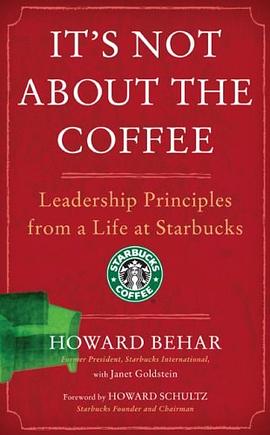
During his many years as a senior executive at Starbucks, Howard Behar helped establish the Starbucks culture, which stresses the importance of people over profits. He coached hundreds of leaders at every level and helped the company grow into a world- renowned brand. Now he reveals the ten principles that guided his leadership—and not one of them is about coffee.
Behar starts with the idea that if you regard employees and customers as human beings, everything else will take care of itself. If you think of your staff as people (not labor costs) they will achieve results beyond what is thought possible. And if you think of your customers as people you serve (not sources of revenue) you’ll make a deep connection with them, and they’ll come back over and over.
This approach has been integral to Starbucks from the start, and remains so today. Behar shares inside stories of turning points in the company’s history as it fought to hang on to this culture while growing exponentially. He discusses the importance of building trust, facing challenges, daring to dream, and other key principles, such as:
• Know Who You Are: Wear One Hat
When organizations are clear about their values, purpose, and goals, they find the energy and passion to do great things.
• Think Independently: The Person Who Sweeps the Floor Should Choose the Broom
We need to get rid of rules—real and imagined—and encourage the independent thinking of others and ourselves.
• Be Accountable: Only the Truth Sounds Like the Truth
No secrets, no lies of omission, no hedging and dodging. Take responsibility and say what needs to be said, with care and respect.
• Take Action: Think Like a Person of Action and Act Like a Person of Thought
Find the sweet spot of passion, purpose, and persistence. “It’s all about the people” isn’t an idea, it’s an action. Feel, do, think. Find the balance, but act.
Behar believes that as work becomes less hierarchical and as the world economy becomes more and more about relationships and connecting, the principles of personal leadership are more important than ever. This book will show you the way.
作者简介
霍华德·毕哈:1989年加入星巴克,担任高级主管,这一年,星巴克只有28家分店。他历任星巴克销售部和运营部的执行副总裁、国际部总裁,以及星巴克北美区总裁。自1996年以来,他还一直是公司董事会的一员。他和妻子森恩现住在美国西雅图市。
珍妮·哥德斯坦,是一名出版顾问,她与众多企业家、商界领袖以及非营利性组织都有过合作。她现住在纽约。
目录信息
Introduction: It?s About People?All the People
1. KNOW WHO YOU ARE: Wear One Hat
2. KNOW WHY YOU?RE HERE: Do It Because It?s Right, Not Because It?s Right for Your Resume
3. THINK INDEPENDENTLY: The Guy Who Sweeps the Floor Should Choose the Broom
4. BUILD TRUST: Care, Like You Really Mean It
5. LISTEN FOR THE TRUTH: The Walls Talk
6. BE ACCOUNTABLE: Only the Truth Sounds Like the Truth
7. TAKE ACTION: Think Like a Person of Action and Act Like a Person of Thought
8. FACE CHALLENGE: We Are Human Beings First
9. PRACTICE LEADERSHIP: The Big Noise and the Still, Small Voice
10. DARE TO DREAM: Say ?Yes,? the Most Powerful Word in the World
Guidelines for Leaders and Coaches
Acknowledgments
Endnotes
Index
· · · · · · (收起)
读后感
这是一个相当欠扁的题目,但这确实是霍华德•毕哈传授给我们的成功经验之一。 为了证明这句话真实地反映了霍华德•毕哈的意思,我不得不照抄书中的部分文章:“白帽子代表的是中立、客观的思路;黑帽子代表的是某种更倾向于否定的消极思维,而绿帽子代表的是多产的、创作型...
评分说实话,这本书是我先阶段读比较有启发性的一本书。尤其是书里提到的三个问题。1:我是谁 。2:我要到哪里去。3:我该如何到达那里。 现在大家都很浮躁,很希望一下子就能成功,却从来没有好好思考自身的问题和问过自己的内心的渴望。这本书是不教你怎么成功的,也没有哪本书能...
用户评价
总而言之,《It's Not About the Coffee》是一本充满智慧和情感的书。它以一种看似轻描淡写的方式,却道出了人生的真谛。我向所有寻求内心平静、渴望理解生活的人推荐这本书。它会让你重新审视自己的生活,重新认识自己,重新理解他人。 这本书给我最大的启示是,我们不应该被表象所迷惑,而应该深入事物的本质。一杯咖啡,不仅仅是一杯饮料,它背后可能隐藏着一个人的故事,一段情感,一种生活方式。而《It's Not About the Coffee》正是这样一本,带领我们透过表象,去探寻事物背后更深层次的意义的书。它让我明白,真正的价值,不在于我们拥有什么,而在于我们如何去感受,如何去连接,如何去爱。
评分初读《It's Not About the Coffee》,我本以为会是一本关于咖啡馆经营、咖啡文化或是某个特定咖啡师的故事。然而,当我真正沉浸其中,却发现它所揭示的远不止于此。这本书巧妙地以“咖啡”作为一个引子,带领读者进入了一个更广阔、更深刻的内心世界。它不是关于如何冲泡一杯完美的卡布奇诺,也不是关于咖啡豆的产地和烘焙技巧,而是关于那些隐藏在日常琐碎中的人性百态,关于那些看似微不足道却能触动灵魂的瞬间。作者的笔触细腻而充满力量,她能够捕捉到人物最细微的情绪波动,并将之放大,让我们得以窥见角色内心深处的挣扎、渴望与失落。 我特别被书中对人物内心世界的刻画所吸引。那些看似平凡的角色,在作者的笔下却鲜活得如同我身边的朋友。他们有自己的烦恼,有自己的梦想,也有自己的秘密。有时候,他们会在咖啡馆里遇到,在氤氲的咖啡香气中,交换着彼此的秘密,或是分享着生活中的点滴。我仿佛看到了自己,在某个午后,坐在窗边,看着人来人往,思考着人生的意义,渴望着被理解,又害怕着暴露真实的自己。《It's Not About the Coffee》让我意识到,很多时候,我们所追寻的,并非是物质上的满足,也不是名利上的显赫,而是心灵深处的慰藉,是与他人之间真挚的连接。这种连接,或许就藏在一杯温暖的咖啡里,藏在一次心照不宣的对视中,藏在一次无声的支持里。
评分我向来对那些能够引发我思考的书籍情有独钟,而《It's Not About the Coffee》无疑做到了这一点。它没有提供廉价的解决方案,也没有给出简单的答案。相反,它提出了一系列问题,并将这些问题融入到人物的命运和选择之中,让我们在阅读的过程中,不得不去思考,去反刍,去与书中人物一同经历内心的挣扎。 书中的一些人物,他们所面临的困境,是如此的真实,如此的普遍。比如,面对职业的瓶颈,面对感情的背叛,面对亲人的离去。这些都是我们生活中可能遇到的挑战。而书中人物的选择和应对方式,也提供了不同的视角。我看到了有人选择逃避,有人选择反抗,有人选择默默承受。这些不同的选择,最终造就了他们不同的人生轨迹。《It's Not About the Coffee》让我明白,人生没有标准答案,我们只能凭借自己的智慧和勇气,去做出最适合自己的选择。而这个过程,本身就是一种成长。
评分《It's Not About the Coffee》最令人称道之处,在于它对“细节”的极致运用。作者仿佛是一位技艺精湛的雕塑家,她用最细微的笔触,雕刻出人物最真实的面貌。我常常会被书中对某个场景的描绘所打动,比如,某个咖啡馆里飘散的香气,某个角色指尖的微小动作,某个眼神中传递的复杂情感。这些细节,看似微不足道,却共同构建了一个充满生活气息的世界。 我印象最深刻的是书中有关于“等待”的描写。有的人物在等待着某个人的出现,有的人物在等待着某个机会的到来,还有的人物在等待着内心的释然。这种等待,充满了不确定性,也充满了希望。作者将这种等待的心情刻画得淋漓尽致,让我仿佛能够感受到人物内心的焦灼与期盼。这种对细节的精准把握,使得书中的人物和故事具有了强大的生命力,让我难以忘怀。《It's Not About the Coffee》让我明白,生活的魅力,恰恰体现在这些细微之处。
评分读完《It's Not About the Coffee》,我脑海中挥之不去的是一种淡淡的忧伤,但同时又夹杂着一种深深的温暖。书中的很多情节,都触碰到了我内心深处的情感。我看到了人性的脆弱,看到了生活中的无奈,但同时也看到了希望,看到了坚韧,看到了爱。 我尤其被书中关于“告别”的描写所打动。告别,是人生中不可避免的一部分。有的是与人的告别,有的是与过去的告别,有的是与曾经的自己的告别。书中的人物,他们在面对告别时,展现出了不同的态度。有的悲痛欲绝,有的平静接受,有的则在告别中寻找新的开始。《It's Not About the Coffee》让我明白,告别并非终结,它也是一种开始。每一次的告别,都是为了下一次的遇见,都是为了更好的成长。这种关于告别的哲学,让我对生活有了更深的理解。
评分《It's Not About the Coffee》是一本需要慢慢品读的书。它不像一些快餐式的读物,读完就忘。相反,它会在你的脑海中留下深深的印记,让你在未来的日子里,时不时地回想起书中的情节,回想起书中的人物,回想起书中的思考。 我喜欢这本书的开放式结局。它没有给所有的问题一个明确的答案,也没有将所有的人物都安排得尽善尽美。相反,它将一部分的自由留给了读者,让我们自己去想象,去推测,去续写。这种开放式的处理方式,反而让书中的人物更加鲜活,让书中的故事更加引人入胜。《It's Not About the Coffee》让我意识到,生活本身就是充满未知和变数的,而我们能做的,就是勇敢地去面对,去创造,去拥抱属于自己的可能。
评分坦白说,初读《It's Not About the Coffee》时,我并没有抱有多大的期待,以为它只是众多“心灵鸡汤”类读物中的一本。然而,它的独到之处在于,它没有贩卖廉价的乐观,也没有回避生活的残酷。书中描绘的角色,他们会犯错,会痛苦,会迷茫,会经历失落,这些都真实得令人心痛。但是,正是在这些不完美中,我看到了人性的韧性,看到了生命的光辉。 我尤其欣赏作者对叙事节奏的把控。有时候,她会放慢脚步,细致地描绘一个场景,烘托一种情绪;有时候,她又会加快节奏,将故事情节推向高潮,让人应接不暇。这种张弛有度的叙事方式,让我在阅读过程中始终保持着高度的参与感。我仿佛置身于书中的每一个场景,感受着人物的喜怒哀乐。这本书让我明白,生活并非总是轰轰烈烈,更多的时候,它是由无数个看似微不足道的瞬间组成的,而这些瞬间,却能累积成深刻的人生体验。《It's Not About the Coffee》让我重新认识到,平凡生活中蕴含着不平凡的力量。
评分《It's Not About the Coffee》是一本能够触及灵魂的书。它不仅仅是关于几个故事,更是关于人与人之间的连接,关于爱,关于失去,关于成长。我发现自己常常会在阅读时,因为书中某些情节而潸然泪下,又因为某些话语而会心一笑。作者的文字就像一股清泉,涤荡着我内心的尘埃,让我重新审视自己的人生观和价值观。 我特别喜欢书中对“倾听”的描绘。很多时候,我们觉得自己无时无刻不在与他人沟通,但实际上,我们只是在表达自己,而忽略了真正地去倾听。这本书通过不同人物的对话,展示了倾听的力量。当一个人能够放下自己的预设,全身心地去倾听另一个人的声音时,奇迹就会发生。误解会消融,隔阂会消失,心灵的距离会拉近。《It's Not About the Coffee》让我意识到,真正的沟通,并非在于言辞的华丽,而在于内心的真诚与倾听的意愿。它提醒我,在忙碌的生活中,要多花一些时间,去倾听身边人的声音,去理解他们的内心世界。
评分这本书给我最深刻的感受是,它教会了我如何去“看见”。我一直以为自己是个善于观察的人,但读完《It's Not About the Coffee》,我才发现,我过去所看见的,不过是事物的外表。作者以一种近乎于“读心术”的方式,将人物的潜意识、他们的过往经历、他们的未竟心愿,如同剥洋葱般一层层地揭示出来。那些在日常生活中被忽略的细节,在作者的笔下却熠熠生辉,成为理解人物的关键。比如,某个角色递咖啡的姿势,某个角色眼神闪烁的瞬间,甚至某个角色嘴角不经意间勾起的弧度,都承载着丰富的信息。 它让我开始重新审视我与周围人的关系。我开始思考,在我与家人、朋友、同事的相处中,我是否真正地“看见”了他们?我是否用心去倾听了他们的声音,去理解了他们的感受?这本书就像一面镜子,照出了我内心深处的许多盲点。它提醒我,每个人都是一本复杂而独特的故事书,而我们往往只看到了书的封面,甚至连封面的文字都未必读懂。真正的理解,需要耐心,需要同理心,更需要一种愿意去深入探索的勇气。《It's Not About the Coffee》带来的这种“看见”的能力,是无价的,它让我的世界变得更加丰富和有层次。
评分我必须说,《It's Not About the Coffee》是一本充满哲学思考的书,尽管它并没有使用任何晦涩的术语。它通过一个个生动的故事,探讨了关于存在、关于意义、关于幸福的本质。我常常在阅读的过程中停下来,陷入沉思。书中的人物,他们有的在追求事业上的成功,有的在寻找爱情的归宿,有的则在与过去的阴影作斗争。然而,无论他们身处何种境地,都在不自觉地追问着一个共同的问题:生命的意义究竟是什么? 这本书没有直接给出答案,而是通过人物的经历,引导读者自己去寻找。它让我们明白,幸福并非遥不可及,它可能就隐藏在那些最平凡的时刻里。一杯咖啡的温度,一次与陌生人的善意互动,一个久违的朋友的问候,都可能成为幸福的源泉。作者没有回避生活中的苦难和挑战,但她始终传递着一种积极向上的力量,一种相信美好终将到来的信念。《It's Not About the Coffee》让我认识到,人生的旅程,与其说是追求某个宏大的目标,不如说是体验过程中的点滴,是在与世界的互动中,不断地认识自己,理解他人,最终找到内心的平和与满足。
评分生活的大敌是漠不关心
评分豆瓣昨天发邮件告诉我这本书读了两年还在读,于是,今天在咖啡店把剩下的看完了,之前感受最深的是第十章:Dare to dream:Say Yes,the most powerful word in the world.今天再读,最喜欢的是第五章:Listen for the truth:The walls talk. 开头即引用了一句佛语:Compassionate emptiness. 书里有很多发生在星巴克的事,挺好看的。英文非常流畅简单,可直接读英文版
评分生活的大敌是漠不关心
评分豆瓣昨天发邮件告诉我这本书读了两年还在读,于是,今天在咖啡店把剩下的看完了,之前感受最深的是第十章:Dare to dream:Say Yes,the most powerful word in the world.今天再读,最喜欢的是第五章:Listen for the truth:The walls talk. 开头即引用了一句佛语:Compassionate emptiness. 书里有很多发生在星巴克的事,挺好看的。英文非常流畅简单,可直接读英文版
评分make sense