
具体描述
Product Description
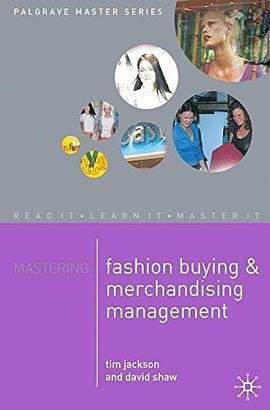
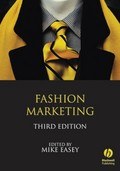
'Clothing that is not purchased or worn is not fashion' (to paraphrase Armani)
Knowledge of marketing is essential to help ensure success and reduce the risk of failure in fashion. For the designer starting up in business, this book offers a guide to the major decisions that will enable you to fulfil your creative potential and be a financial success: What are the major trends we should be monitoring?; How should we set our prices?; What is the most effective way to get our message across about the new product range?; Which colour-wash will be the most popular with buyers?
Marketing is now a firmly established element of most fashion and clothing courses. Fashion Marketing is written to meet students' requirements and has many features making it essential reading for anyone involved in the fashion and clothing business:
* deals with contemporary issues in fashion marketing
* up-to-date examples of global good practice
* exclusively about fashion marketing
* a unique contribution on range planning with a practical blend of sound design sense and commercial realism
* a balance of theory and practice, with examples to illustrate key concepts
* clear worked numerical examples to ensure that the ideas are easily understood and retained
* over 50 diagrams
* a glossary of the main fashion marketing terms and a guide to further reading
* a systematic approach to fashion marketing, not hyperbole or speculation.
The new edition has been updated throughout with new material on different promotional media, visual marketing and international marketing research; and new coverage of internal marketing, supply chain management, international marketing communications as well as the role of the internet.
-----------------------------------------------------------
From the Back Cover
‘Clothing that is not purchased or worn is not fashion’ (to paraphrase Armani)
Knowledge of marketing is essential to help ensure success and reduce the risk of failure in fashion. For the designer starting up in business, this book offers a guide to the major decisions that will enable you to fulfil your creative potential and be a financial success: What are the major trends we should be monitoring?; How should we set our prices?; What is the most effective way to get our message across about the new product range?; Which colour-wash will be the most popular with buyers?
Marketing is now a firmly established element of most fashion and clothing courses. Fashion Marketing is written to meet students’ requirements and has many features making it essential reading for anyone involved in the fashion and clothing business:
· deals with contemporary issues in fashion marketing
· up-to-date examples of global good practice
· exclusively about fashion marketing
· a unique contribution on range planning with a practical blend of sound design sense and commercial realism
· a balance of theory and practice, with examples to illustrate key concepts
· clear worked numerical examples to ensure that the ideas are easily understood and retained
· over 50 diagrams
· a glossary of the main fashion marketing terms and a guide to further reading
· a systematic approach to fashion marketing, not hyperbole or speculation.
The new edition has been updated throughout with new material on different promotional media, visual marketing and international marketing research; and new coverage of internal marketing, supply chain management, international marketing communications as well as the role of the internet.
作者简介
目录信息
读后感
用户评价
坦白讲,这本书在结构和案例研究的选择上,暴露出了明显的地域偏见和时代局限性。它似乎完全是围绕着欧美成熟市场,特别是历史悠久的奢侈品牌来构建其理论框架的。书中提到的案例,如某个百年皮具世家的传承故事,或是某个欧洲时装周背后的赞助逻辑,固然有其经典价值,但对于全球化背景下的新兴市场,尤其是亚洲地区蓬勃发展的本土设计师品牌和电商创新,几乎没有着墨。我本想了解的是,在中国的“国潮”现象是如何通过文化自信和数字营销实现逆袭的,或者东南亚市场在可持续时尚方面的独特实践。这本书的视角过于狭窄,给人一种“世界只围着巴黎和米兰转”的错觉。此外,关于可持续性和道德采购的讨论也显得非常表面化,更多的是停留在“应该做”的呼吁层面,缺乏具体的技术路线图或供应链透明化的最佳实践分享。作为一个寻求前沿洞察的读者,我需要的是如何将这些社会责任融入到实际的商业模式中去,而不是空洞的道德说教。
评分这本书的行文风格实在过于学术化和保守,读起来简直像是在啃一本陈旧的教科书,完全没有预期中那种与时尚前沿接轨的轻盈感和敏锐度。我特别关注了其中关于消费者行为分析的部分,希望能从中挖掘出一些关于“冲动消费”或“身份认同驱动”的深度见解,毕竟时尚购买很多时候是情绪驱动的。结果呢?充斥着大量的引用和脚注,引用的文献大多集中在上世纪八九十年代的经典商业理论,仿佛时间停滞在了那个时代。对于数字时代和社交媒体对消费者决策路径的彻底重塑,几乎是避而不谈或者一笔带过。我甚至没有找到任何关于意见领袖(KOL)或微型影响力(Micro-influencers)的系统性讨论,这在今天的营销环境中简直是不可想象的遗漏。更让我感到不解的是,书中反复强调“品牌一致性”的重要性,但对于时尚品牌如何在高频迭代和保持核心DNA之间找到平衡,缺乏具有说服力的论证。它似乎在倡导一种静止不变的营销哲学,而这与时尚本身所代表的“变化即永恒”的内核是背道而驰的。我希望看到的是如何驾驭潮流,而不是如何刻舟求剑地固守过时的原则。
评分这本书在技术应用和数据分析方面的阐述尤其令人失望。在如今这个大数据驱动的商业世界里,市场营销的有效性很大程度上依赖于精准的客户画像和预测建模。我满心期待能读到一些关于AI辅助的趋势预测、个性化推荐算法在时尚电商中的应用,或者A/B测试在广告素材优化中的深度解析。然而,这本书对“技术”的提及,基本就停留在“利用互联网进行信息发布”的层面,显得极其落伍。它更像是停留在2005年对数字营销的理解水平。关于客户终身价值(CLV)的计算和优化,虽然提到了公式,但没有结合时尚行业高频次、低粘性(相对于必需品)的特点进行深入的模型构建和风险评估。如果一个营销决策不能基于可量化的数据支撑,那么它就很容易沦为昂贵的艺术创作而非商业策略。我期待的是一本能够指导我如何使用数据工具来优化库存周转率和提升复购率的实战指南,而不是一本停留在纯理论层面的、没有工具箱的营销哲学书。
评分这本书,说实话,拿到手里的时候,我还有点期待的。毕竟“市场营销”这个词本身就带着一种现代商业的活力和精准感,而“时尚”则天然地与美学、潮流和快速变化挂钩。我原以为会读到一些关于如何捕捉千禧一代的消费心理、如何利用Instagram或TikTok制造爆款的实战案例,或者至少是深入剖析一下奢侈品品牌是如何通过稀缺性和故事叙事来维持其高溢价的。然而,读完之后,我感到的是一种知识上的“失重”。书中似乎花了大量的篇幅去探讨一些非常基础的、在任何一本入门级管理学教材里都能找到的宏观经济理论,比如供需关系的弹性、马斯洛需求层次的变体应用等等,但这些理论与“时尚”这个特定领域的实际操作之间的那座至关重要的桥梁,却始终没有搭建起来。比如,当我翻阅到关于渠道策略的那一章时,我期待看到的是DTC(Direct-to-Consumer)模式的兴起对传统百货公司的颠覆性影响,或者快时尚巨头如何通过精密的供应链管理实现一周两次上新,但得到的却是一堆关于零售空间布局和视觉陈列的通用建议,仿佛这本书可以毫不费力地被套用到任何一个实体商品行业,丝毫没有展现出时尚产业独有的那种瞬息万变的魅力和挑战。这让我不得不反思,作者是否真正深入了解了时尚行业的脉搏,还是仅仅将“时尚”当作一个可以随意填充进去的标签。
评分从写作的视角来看,这本书给我的感觉是缺乏“营销人”的激情和对美的敏感度。市场营销,尤其是时尚领域的营销,本质上是在贩卖一种梦想、一种身份认同、一种生活方式的愿景。好的营销文本,应该本身就具备一定的叙事张力和感染力。这本书的语言是平铺直叙、干燥乏味的,充满了被动语态和冗长的从句,仿佛它在努力地解释一个概念,而不是在热情地推销一个观点。它没有展现出时尚界那种引人入胜的“故事性”。例如,探讨如何通过品牌合作(Co-branding)来跨界融合时,它只是机械地罗列了合作的类型和潜在的好处,却完全没有去分析那些成功的合作(比如运动品牌与高端设计师的联名)是如何在视觉语言、目标客群和稀缺性制造上实现完美张力的。读者读时尚营销,期待的是能够被激发灵感,能够学习如何用更具创意和情感共鸣的方式去触达消费者,而不是被灌输一堆冷冰冰的、可以套用到任何行业的通用管理术语。这本书未能提供那种激发创造力的火花。
评分还蛮通俗易懂的
评分还蛮通俗易懂的
评分开始喜欢教科书体例
评分开始喜欢教科书体例
评分还蛮通俗易懂的