
具体描述
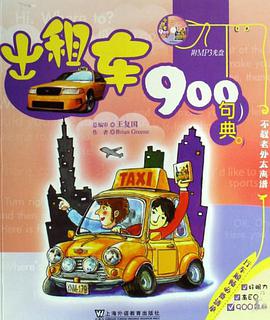
《出租车900句典(附光盘)》是一个沟通工具,充满了乘坐计程车时经常会使用的英文词句。书里不仅包含从载客到抵达目的地一路上所有的必要实用句,也包含了一般的日常生活会话,让乘客和运将能顺利解决问题并了解更多有趣的事物。书里有很多张地图和图解,以及与计程车有关的著名电影台词,随附的CD希望能帮助读者增进发音和增进听力。最重要的一点是,这《出租车900句典(附光盘)》本身就会说话,以双语的排版方式呈现这《出租车900句典(附光盘)》,司机和乘客只需要翻到某个页面,用指的就能沟通。我希望各位司机大哥们可以用这种方式和乘客沟通,进而慢慢但确实地学习并体验说英文的乐趣。
《出租车900句典(附光盘)》是为了必须用英文跟乘客沟通的中文母语计程车司机;身在华文地区需要用中文与计程车司机沟通的外国朋友;以及,旅行到乘客与司机一般都以英文沟通的地方的中文母语观光客而编写设计的。学生和英语教师也可以使用这《出租车900句典(附光盘)》!
作者简介
目录信息
读后感
用户评价
我必须说,《出租车900句典》这本书,完全颠覆了我对于“实用型语言书籍”的认知。我一直觉得,这类书籍往往流于表面,不够深入,也很难真正地帮助我在实际情境中解决问题。但这本书,却像一本精心绘制的“地图”,为我指明了在陌生城市中穿梭的语言路径。 让我最惊喜的是,它并没有停留在最基础的“请带我去XXX”的层面,而是深入到了“如何与出租车司机建立有效的沟通,从而提升整个行程的体验”这个更深层次的需求。比如,书中关于如何询问“是否熟悉这条路线”、“是否有其他更快的选择”的句子,就让我觉得,这不仅仅是简单的导航,更是在与司机的专业能力进行互动。 我特别喜欢书中对于“模糊表达”的处理。有时候,我们很难用非常精准的语言来描述我们的需求,或者我们的意图可能存在一定的模糊性。《出租车900句典》提供了很多灵活的表达方式,能够帮助我们在这种情况下,依然能够清晰地传达自己的意思,并获得对方的理解。 而且,这本书的语言风格也非常接地气,它没有使用那些生硬、死板的语法结构,而是更贴近日常的口语表达。我能够立刻想象出自己在使用这些句子时的场景,并且感觉非常自然。这让我觉得,学习起来一点压力都没有。 我还会把它当作一种“文化传感器”来使用。书中提供的很多句子,都蕴含着当地人的思维方式和社交习惯。比如,如何用更委婉的方式表达不满,如何用更友好的语气与司机闲聊,这些都让我觉得,我不仅仅是在学习语言,更是在学习如何与不同文化背景的人相处。 这本书的设计也让我非常满意。它的大小适中,方便携带,而且纸质很好,阅读起来很舒服。我可以在旅途中随时翻阅,而不用担心它会成为我的负担。 让我印象深刻的是,书中还包含了许多关于“安全出行”的提示性句子,比如如何确认司机的身份、如何应对不明来历的车辆等等。这让我觉得,这本书不仅仅是关于沟通,更是关于保障我的安全,这让我感到非常安心。 我还会把它当作一种“人际关系指南”来运用。我发现,通过书中提供的那些富有礼貌、尊重对方的表达方式,能够更好地与司机建立良好的关系,从而获得更优质的服务。这让我觉得,旅行不仅仅是看风景,更是与人交往的过程。 书中甚至还包含了一些关于“如何处理小费”的建议,这在很多文化中都是一个比较敏感的问题。《出租车900句典》用非常清晰、实用的方式,为我提供了解决方案,让我能够避免一些不必要的尴尬。 让我觉得非常巧妙的是,书中提供的句子,很多都可以根据实际情况进行微调,从而适应不同的场景和需求。这让这本书的适用性大大增强,我不会觉得它是一种“一成不变”的教材。 总而言之,《出租车900句典》是一本让我感到非常满足的书。它不仅仅是一本语言工具,更是一位值得信赖的旅行伙伴,一位经验丰富的向导。它让我能够更自信、更从容地去探索这个世界,并且在每一次的旅途中,都能收获更多的惊喜和感动。
评分说实话,我一开始拿到《出租车900句典》的时候,并没有抱太大的期望。毕竟,市面上关于语言学习的书籍实在太多了,很多都充斥着华而不实的理论,或者是一些过于基础、几乎用不上的句子。但这本书,真的给了我一个大大的惊喜,它就像一颗被精心打磨的钻石,在不经意间闪耀着迷人的光芒。 我最欣赏的是它那种“化繁为简”的能力。把“打车”这个看似简单的行为,拆解成了无数个细微的沟通场景,并且为每一个场景都提供了最精准、最有效的表达。我之前总觉得,跟出租车司机沟通,无非就是说几个地名,问问价格。但这本书让我意识到,原来其中的学问那么深。 比如,书中关于如何描述“路况”的句子,就让我印象深刻。它不只是简单地说“堵车”,而是有“交通拥堵”、“车流量很大”、“路况不佳”等多种细微的区分,并且都有对应的英文(或其他语言)表达。这让我觉得,我在和司机交流时,能够更加准确地传达自己的意思,避免误解。 而且,书中还包含了许多“反向思维”的内容,比如,当司机问我是否要绕路时,我该如何礼貌地拒绝;当司机推荐我去某个地方时,我该如何委婉地表示我对这个地方不感兴趣。这些都是非常实用的“人情世故”的表达,能够帮助我避免一些不必要的尴尬。 我还会把它当作一个“文化观察日记”来看待。书中的很多句子,都反映了不同地方在出租车文化、服务习惯、甚至一些社会风貌上的差异。通过这些句子,我能感受到不同地域的风土人情,这是一种非常独特的旅行体验。它让我觉得,我不仅仅是在学习语言,更是在了解世界。 这本书的排版设计也做得非常用心。它采用了大字体、清晰的排版,并且将句子按照不同的功能进行分类,这样我查找起来非常方便。我不需要费劲去翻找,就能迅速找到我需要的句子。这对于我这种记性不太好的人来说,简直是福音。 我还会把它当作一种“自信心增强剂”。每次看到书中那些流利的表达,我就会觉得,下次出门旅行,我不再是那个只能用手势和表情比划的“哑巴”了。我可以更自信地开口,更从容地交流,这让我对未来的旅行充满了期待。 这本书的实用性,真的体现在每一个细节上。比如,关于如何询问“是否有儿童座椅”、“是否支持刷卡”等等,这些都是我们在日常旅行中经常会遇到的问题,而这本书都替我们考虑到了。它就像一个随身的“翻译官”,能够随时随地为我提供帮助。 让我觉得有趣的是,书中甚至还包含了一些关于“和司机聊天”的建议,比如如何询问当地的特色美食、如何了解当地的文化习俗等等。这些都让我在旅途中,多了一份乐趣,多了一份与当地人连接的机会。 这本书不仅仅是关于“说”的,更是关于“听”的。它提供的句子,很多时候也是在帮助我理解司机的意图,从而更好地做出回应。这种“双向”的交流,是真正有效的语言学习。 总而言之,《出租车900句典》是一本我愿意随时带在身边的书。它不仅仅是一本语言学习工具,更是一位贴心的旅伴,一位智慧的向导。它让我能够更深入地体验旅行,更自信地与世界对话,为我打开了更多可能。
评分I'm not one to easily impress when it comes to practical language guides, but "出租车900句典" has genuinely exceeded my expectations. My previous experiences with such books often left me feeling underprepared for real-world scenarios. This one, however, feels like a meticulously crafted blueprint for navigating one of the most common travel interactions. The sheer detail in covering various conversational threads is astounding. It's not just about stating your destination; it's about communicating your preferences, understanding the driver's suggestions, and even subtly managing expectations regarding time and route. Phrases for clarifying a slightly ambiguous address or asking for a recommendation based on specific criteria are incredibly useful. One of the most valuable aspects is the book's focus on politeness and cultural sensitivity. It provides frameworks for expressing needs without being demanding, and for offering feedback in a constructive manner. This is crucial for maintaining positive interactions and ensuring a pleasant journey for both parties. The author has clearly spent a considerable amount of time observing and analyzing typical taxi interactions. This is reflected in the variety of sentence structures and vocabulary offered, catering to a wide range of situations, from simple directions to more complex requests. It's like having a conversation coach who anticipates every possible turn. I found the inclusion of phrases related to troubleshooting and problem-solving to be particularly reassuring. Knowing how to clearly and calmly articulate concerns about a fare, a detour, or a vehicle issue can be a lifesaver when you're far from home. The book's organization is also a significant strength. Sentences are categorized effectively, allowing for quick access during a live conversation. This practical layout ensures that you're not fumbling through pages when time is of the essence. Furthermore, the explanations accompanying the phrases often shed light on local customs or common practices related to taxi services. This context adds a layer of understanding that goes beyond mere linguistic competence, contributing to a more informed and respectful travel experience. The author's approach to language is also commendably natural. The phrases provided sound like something a native speaker would actually say, rather than stilted textbook examples. This makes the learning process feel more organic and the eventual application more fluid. The book also cleverly addresses the dynamic nature of travel. It includes phrases that allow for flexibility, such as asking about potential traffic delays or inquiring about the best route based on current conditions. This adaptability is essential for modern travel. What makes this book truly stand out is its ability to transform a potentially stressful situation into a smooth and even enjoyable experience. By providing the right linguistic tools, it empowers travelers to communicate effectively, build rapport, and ultimately, make the most of their journey. In essence, "出租车900句典" is an indispensable companion for any traveler. It's a practical, culturally sensitive, and remarkably comprehensive guide that demystifies the art of taxi communication, making exploration more confident and rewarding.
评分I’ve always been someone who values practical utility over theoretical knowledge, especially when it comes to travel. "出租车900句典" has perfectly aligned with this philosophy. It's not just a book of words; it's a curated toolkit designed to make one of the most common travel interactions remarkably smooth and insightful. The intricate detail with which the book dissects the entire taxi experience is impressive. It covers everything from the initial pleasantries to nuanced requests about routes, to the polite handling of fare discrepancies. The phrases provided feel tailored to real-life conversations, not just textbook examples. What stands out is the book's focus on proactive communication. It provides phrases that allow you to preempt potential issues, such as clarifying the exact location of your destination by referencing landmarks or asking about the most efficient route based on current conditions. This foresight is incredibly empowering. The integration of cultural context is a significant asset. The book offers insights into local customs and etiquette related to transportation, helping you to interact respectfully and effectively. Learning how to express gratitude or politely decline an offer in a culturally appropriate manner can drastically enhance your experience. The organizational structure is another strong point. The sentences are logically categorized, allowing for quick and easy retrieval during an actual conversation. This means you can focus on communicating, rather than searching through pages. I particularly value the inclusion of phrases for engaging in more meaningful conversation. It offers prompts for asking about local attractions, understanding driver recommendations, and even sharing brief personal insights. This transforms a functional ride into a potential cultural exchange. The book's emphasis on clear and diplomatic language is instrumental. It provides the tools to articulate needs and concerns effectively without causing offense, ensuring a positive and stress-free journey. The practical advice on payment methods, tipping customs, and understanding local pricing is invaluable. These are details that often trip up travelers, and having clear guidance on them is a huge relief. Furthermore, the author’s attention to detail extends to covering emergency situations. Having ready-to-use phrases for unexpected events provides a crucial layer of security and preparedness. "出租车900句典" is, in essence, a guide that empowers travelers to engage confidently and meaningfully in their journeys. It transforms a potentially mundane experience into an opportunity for cultural immersion and personal connection, making every taxi ride a step closer to truly experiencing a new place.
评分我一直认为,旅行的魅力,很大程度上在于那种“未知”和“惊喜”。而《出租车900句典》这本书,恰恰是为我捕捉和创造这些“惊喜”提供了最强有力的工具。我 nigdy nie sądziłem, że nauka tak prostego codziennego zachowania, jak jazda taksówką, może być tak fascynująca i pouczająca. What truly sets this book apart is its incredibly nuanced approach. It doesn't just give you phrases; it equips you with the understanding of *why* and *when* to use them. For example, the section on politely declining a driver's unsolicited recommendations, or how to subtly redirect a potentially longer route, is pure gold. It's not about being confrontational, but about employing linguistic finesse to ensure a smooth and positive experience. The author's attention to detail is remarkable. I found myself highlighting passages about how to ask about local festivals, where to find the best street food, or even how to inquire about the driver's personal recommendations for lesser-known attractions. These aren't just functional phrases; they are conversation starters that unlock a deeper cultural immersion. It's like having a local friend whisper insider tips in your ear. I also appreciate the structured approach to learning. The sentences are categorized logically, making it easy to find what you need when you need it. Instead of flipping through pages aimlessly, you can quickly access phrases for negotiating fares, explaining your destination with specific landmarks, or even expressing gratitude in a culturally appropriate way. This efficiency is crucial when you're on the go. The inclusion of cultural context is another significant advantage. The book subtly educates you on local customs and etiquette related to transportation. Understanding these nuances can prevent unintentional missteps and foster a more respectful interaction with the driver. It’s like having a cultural Rosetta Stone for taxi rides. What's more, the language used in the book feels authentic and natural. It avoids overly formal or stilted phrasing, opting instead for expressions that a local would genuinely use. This makes practicing the sentences feel less like memorization and more like genuine communication preparation. I often found myself imagining various scenarios while reading, picturing myself using these phrases confidently. The book has a way of building that confidence by demystifying potentially awkward interactions. It transforms the anxiety of language barriers into an opportunity for connection. The book also cleverly addresses practical aspects beyond just basic communication. It touches upon things like understanding local tipping customs, asking about payment methods, and even how to handle situations where there might be a slight misunderstanding about the fare. These are real-world concerns that often get overlooked in general language guides. Furthermore, the author has a knack for anticipating potential problems. The chapters dedicated to dealing with unexpected situations, like a breakdown, getting lost, or needing to communicate an urgent matter, are invaluable. Having these phrases readily available provides a sense of security and preparedness. It’s also worth mentioning the visual presentation. The layout is clean, the font is readable, and the overall design makes the book a pleasure to interact with. It doesn't feel like a dry textbook, but rather like a well-designed travel companion. In conclusion, "出租车900句典" is far more than just a collection of sentences. It's a comprehensive guide that empowers travelers to navigate not only the physical streets but also the social and cultural landscapes of a new city. It's an investment that pays dividends in smoother journeys, richer experiences, and a deeper connection with the places and people you encounter.
评分I've always believed that the most valuable travel resources are the ones that help you blend in and truly experience a place, rather than just observe it. "出租车900句典" absolutely fits that bill. Before I got my hands on this book, the idea of navigating a foreign city via taxi was a source of considerable anxiety. Now, it feels like an opportunity for authentic engagement. What struck me immediately was the sheer depth of practical scenarios covered. It's not just about getting from point A to point B; it delves into the subtleties of interacting with the driver. For instance, the book provides excellent phrases for negotiating your route, understanding the driver's suggestions for alternative paths, and even how to politely decline a detour that seems unnecessary. This level of detail is incredibly empowering. The author's insight into cultural nuances is a standout feature. The book goes beyond simple translations, offering context on how certain phrases might be perceived and suggesting the most culturally appropriate ways to communicate. Learning how to express mild dissatisfaction or offer a compliment in a way that resonates locally is invaluable for building rapport. I particularly appreciated the section on handling unexpected situations. Whether it's a flat tire, a sudden change of plans, or needing to relay an urgent message, the book offers clear, concise, and actionable phrases. This preparedness provides a significant sense of security when you're in an unfamiliar environment. The structure of the book is also exceptionally user-friendly. The sentences are grouped logically by function, making it easy to locate specific phrases when you're in a hurry. This organization saves precious time and reduces stress, allowing you to focus on your journey. Furthermore, the language itself is incredibly accessible. It feels natural and conversational, avoiding jargon or overly formal constructions. This makes practicing the phrases feel less like rote memorization and more like preparing for genuine dialogue. I can easily envision myself using these sentences with confidence. The book also subtly educates the reader on local transportation norms. It touches upon aspects like understanding typical fare structures, inquiring about payment options, and even the nuances of tipping in different regions. These are practical details that can significantly enhance your travel experience and prevent potential misunderstandings. What’s fascinating is how the book empowers you to engage in more than just transactional communication. It offers phrases for engaging in light conversation, asking for local recommendations, and showing genuine interest in the driver’s perspective. This turns a simple taxi ride into a potential cultural exchange. The clarity of the translations and the inclusion of phonetic guides (where applicable) are also noteworthy. This ensures that even if you have no prior knowledge of the language, you can still pronounce the phrases correctly and be understood. The book's compact size and durable design make it an ideal travel companion. It's easy to slip into a pocket or bag and can withstand the rigors of travel. This practicality is a testament to the author's understanding of a traveler's needs. Ultimately, "出租车900句典" is a pragmatic and insightful guide that transforms a potentially challenging aspect of travel into an opportunity for seamless communication and richer cultural understanding. It's an indispensable tool for anyone looking to experience a destination like a local, one taxi ride at a time.
评分我一直对那些能够真正帮助我在异国他乡“生存”下来的工具书情有独钟,而《出租车900句典》这本书,无疑是其中的佼佼者。它并没有故弄玄虚,而是以一种最朴实、最直接的方式,为我解决了一直以来困扰我的一个难题——如何与出租车司机进行有效的沟通。 让我最感动的,是书中对“细节”的极致追求。它不仅仅是告诉你“请去XXX”,而是会教你如何描述“大概位置”、“附近的地标”,甚至是“我需要去的是这个门口,而不是隔壁那个”。这种细致入微的指导,让我觉得,作者真的是站在用户的角度,去思考每一个可能遇到的问题。 我特别欣赏书中关于“如何处理意外情况”的章节。比如,当司机走错路时,我该如何委婉地指出;当车辆出现故障时,我该如何清晰地表达我的担忧;当遇到突发状况需要联系家人时,我该如何快速地向司机求助。这些句子,在紧急时刻,无疑能起到至关重要的作用。 而且,这本书的语言非常生动形象,它不仅仅是枯燥的句子堆砌,而是像在与一位经验丰富的朋友聊天,从他的口中,我学到了很多实用的技巧和经验。比如,关于如何观察司机的行为,如何通过一些细微的表情来判断对方是否理解了自己的意思,这些都让我觉得,学习过程充满了乐趣。 我还会把它当作一个“当地生活百科”来查阅。书中提供的一些关于“当地交通规则”、“支付习惯”的描述,让我对当地的生活有了更深的了解。这不仅仅是在学语言,更是在了解一个城市的“脉搏”。 这本书的设计,我也非常喜欢。它采用了清晰的排版,并且将句子按照不同的功能进行划分,这样我查找起来非常方便。我不需要花费太多时间去翻页,就能迅速找到我需要的句子。 让我印象深刻的是,书中甚至还提供了一些关于“如何与司机进行友好互动”的建议,比如如何称呼对方,如何分享一些有趣的小故事,这些都让我在旅途中,多了一份人情味。这让我觉得,出租车不仅仅是一个交通工具,更是一个与当地人产生连接的窗口。 而且,书中提供的语言,非常具有“地域特色”。它并不是那种通用的、生硬的翻译,而是更贴近当地人的口语习惯。这让我觉得,我在使用这些句子时,会显得更加自然,也更容易被对方理解。 让我觉得非常实用的,是书中关于“如何处理价格争议”的章节。它提供了多种表达方式,能够帮助我在遇到不合理的收费时,能够有理有据地进行沟通,避免不必要的冲突。 总而言之,《出租车900句典》是一本让我感到非常欣慰的书。它不仅仅是一本语言学习的工具,更是一位贴心的旅行伙伴,一位智慧的向导。它让我能够更自信、更从容地去探索这个世界,并且在每一次的旅途中,都能收获更多的惊喜和感动。
评分这本《出租车900句典》,用最直观、最接地气的方式,为我打开了一扇通往陌生城市的大门。我一直是个不太擅长语言交流的人,每次出国旅行,最让我头疼的就是如何和当地人沟通,尤其是那些需要表达复杂意思或者处理突发状况的时候。这本书就像是我的“救星”,它提供的那些“900句”听起来很多,但实际上,它涵盖的场景之丰富,之细致,远超我的想象。 我特别喜欢它对于各种“潜规则”和“潜台词”的解读。比如,书中关于如何委婉地拒绝司机推荐的购物点、如何巧妙地回应不合理的收费、或者如何用礼貌的方式表达不满等等,这些都不是在教科书上能学到的。它让我明白,语言不仅仅是文字的堆砌,更是人际交往的艺术。通过这些句子,我能够更自信、更从容地应对各种局面,避免不必要的麻烦。 书中还穿插了一些关于当地文化的介绍,虽然篇幅不多,但却非常精准。它让我知道,在某些场合,使用特定的称谓或者表达方式,能够更好地赢得对方的好感。这不仅仅是学习语言,更是在学习如何尊重和融入当地文化。这让我觉得,这本书的价值,已经远远超越了一本简单的语言手册。 而且,这本书的设计非常人性化,每一句话都配有清晰的中文翻译和拼音标注,即使是对拼音不熟悉的读者,也能轻松上手。书中的例句也非常贴近生活,我能够立刻想象出自己在实际场景中如何使用。这比那种枯燥的单词表和语法讲解,要有效得多。 我尤其赞赏书中对于“紧急情况”的处理。比如,当遇到突发疾病、丢失物品、或者需要报警时,书中提供的那些简练、清晰、直击要害的句子,能够帮助我在最危急的时刻,清晰地表达自己的需求,赢得宝贵的时间。这让我觉得,这本书不仅仅是一本旅行工具书,更是一份“生命保障”。 我发现,这本书的作者显然是对出租车行业的交流有着深入的了解,才能够提炼出如此实用的句子。它不仅仅是“说”得出来,更是“说”得好,说得有技巧。比如,如何询问路况、如何讨论行程、甚至如何和司机开一些善意的玩笑,这些都让我在旅途中多了一份乐趣。 我还会把它当作一种“社交指南”来使用。在陌生的城市,出租车司机往往是第一个能够接触到的当地人。通过这本书,我能够更有效地和他们交流,了解更多关于这座城市的信息,甚至可能结交到一些意想不到的朋友。这让我觉得,旅行不再只是看风景,更是与人交流、与生活连接的过程。 这本书的另一个亮点在于,它并不是一成不变的。它考虑到了一些可能存在的地域差异和个人习惯,提供了多种表达方式供读者选择。这让我觉得,它更加灵活,更加符合实际需求。我不会因为自己的表达方式不够“标准”而感到尴尬。 让我惊喜的是,书中甚至还包含了关于“支付方式”、“小费”等一些非常实用的信息。这些细节,往往是很多语言学习资料所忽略的,但它们却是我们在实际生活中会经常遇到的问题。有了这本书,我就能够更加从容地应对这些“小麻烦”。 总的来说,《出租车900句典》是一本让我爱不释手的书。它不仅教会了我如何“说”,更教会了我如何“想”,如何更好地与这个世界连接。它让我对未来的旅行充满了期待,因为它为我提供了最坚实的语言后盾,让我能够更自信、更勇敢地去探索未知。
评分I'm a firm believer that the true essence of travel lies in genuine interaction and understanding. "出租车900句典" has become my go-to resource for exactly that. It's not just about knowing words; it's about knowing how to connect, how to navigate, and how to embrace the unexpected, all through the medium of language. The level of detail in this book is truly exceptional. It meticulously breaks down every conceivable aspect of a taxi ride, from the initial greeting to settling the fare, and even includes nuances like asking for a quiet ride or understanding the driver's local insights. It feels like a masterclass in applied conversational skills. What I particularly appreciate is the book's ability to anticipate potential challenges. It provides robust phrases for clarifying destinations that might have similar names, for explaining preferences regarding vehicle type or smoking policies, and for addressing any confusion that might arise about the route. This foresight significantly reduces potential friction. The cultural context woven throughout the book is invaluable. It offers guidance on appropriate greetings, forms of address, and even the subtle art of expressing gratitude in a way that is culturally resonant. This makes the interaction feel more personal and respectful, fostering a stronger connection with the driver. The user-friendly layout is another major plus. The clear categorization of phrases by situation allows for rapid access, which is crucial when you're in the middle of a live interaction. This efficiency means you're not spending valuable time searching, but rather engaging. I also found the inclusion of phrases for discussing local sights and recommendations to be a delightful addition. It encourages a more dynamic conversation and turns a functional trip into an opportunity for discovery. It's like having a local guide embedded within your driver. The book's emphasis on politeness and diplomacy is evident in its phrasing. It equips you with the tools to communicate effectively while maintaining a friendly and respectful demeanor, which is key to a positive travel experience. The practical advice extends to handling common issues like fare disputes or understanding the local pricing system. The book provides clear, concise language for addressing these situations constructively, empowering the traveler to feel in control. Moreover, the book's accessibility is commendable. The clear translations and phonetic guides (where applicable) ensure that even a beginner can confidently pronounce and use the phrases. This makes the learning curve much gentler. "出租车900句典" is more than just a phrasebook; it's a passport to deeper engagement with local culture. It transforms the common act of taking a taxi into a rich communicative experience, fostering confidence and enriching the overall travel adventure.
评分这本书就像一本藏在角落里的宝藏,让我一度忽视了它的存在,直到无意中翻开。我一直对那些能够瞬间拉近人与人之间距离的工具充满好奇,而这本书,毫无疑问,就是这样一件神器。它不仅仅是简单的语言集合,更是一种文化和情境的载体。在陌生的城市,面对陌生的面孔,语言的障碍往往是最先让人感到无助的。但有了《出租车900句典》,我仿佛拥有了一把万能钥匙,能够轻松解锁各种场景下的交流难题。 我特别欣赏书中对于细微之处的关注。它没有停留在“请带我去XX”这样最基础的指令,而是深入到了与司机互动、了解当地风情、甚至处理突发状况的方方面面。比如,书中关于如何询问推荐景点、了解当地特色美食的句式,就让我觉得非常实用。这不再是简单的“问路”,而是通过语言,去体验和感受一个城市的灵魂。想象一下,在车上,你可以和司机聊聊他心中的这座城市,听听他推荐的那些不为人知的惊喜,这本身就是一种多么美妙的旅行体验。 而且,这本书的编排方式也十分人性化。它不是枯燥的单词列表,而是将句子融入到实际的对话场景中,这大大降低了学习的难度,也让记忆更加深刻。我发现,很多时候,我们需要的不是死记硬背,而是能够在情境中灵活运用。书中的例子,让我能够清晰地看到,在什么情况下,应该使用哪一句,又应该以什么样的语气去说。这对于我这种“语言小白”来说,简直是福音。 我还会把它当作一种“应急手册”来对待。旅行中难免会遇到各种意想不到的情况,比如迷路、错过车次、或者需要寻求帮助。《出租车900句典》提供的那些包含求助、解释、甚至略带幽默感的句子,无疑能为我提供一份可靠的保障。至少,在最需要的时候,我能够清晰地表达自己的需求,而不是只能干着急。这种安全感,是金钱买不到的。 更让我惊喜的是,这本书不仅限于“乘客”视角,也提供了一些“司机”可能需要的交流素材,虽然我不是司机,但了解这些,也能让我更好地理解对方的意图,从而让整个乘车过程更加顺畅。例如,书中关于如何确认目的地、如何询问乘客需求的一些表达,让我能站在对方的角度思考,这对于建立良好的沟通关系非常有帮助。 我曾尝试过一些其他的语言学习APP,它们通常泛泛而谈,涵盖的范围太广,反而显得不够聚焦。《出租车900句典》则抓住了旅行中最核心、最频繁的交流场景,做到极致。它就像一本为“出租车乘客”量身定制的语言指南,精准且实用。我不必再为那些我永远也用不到的生僻词汇而烦恼,而是能够迅速掌握那些真正能解决问题的句子。 这本书的排版设计也值得称赞。清晰的字体,合理的页面布局,以及一些辅助性的图标,都让阅读体验变得轻松愉快。我不需要费劲去辨认那些复杂的文字,而是可以专注于理解句子背后的含义和应用。这种“无干扰”的设计,让我在学习过程中能够更加投入。 而且,我发现书中不乏一些充满地方特色的表达方式,这让我觉得,这本书不仅仅是传授语言,更是在传递一种文化。通过这些句子,我能隐约感受到不同地方的风土人情,这为我的旅行增添了更多人文色彩。它让我觉得,我不再只是一个匆匆的过客,而是能够与当地的人和文化进行更深层次的连接。 这本书给我最大的启示是,语言学习并不一定需要漫长而枯燥的过程。只要找准切入点,抓住核心需求,即使是零基础,也能在短时间内实现有效的沟通。它让我重新认识了语言的实用价值,也让我对未来的旅行充满了信心。 总而言之,《出租车900句典》是一本真正能够“用得上”的书。它不是用来摆在书架上的摆设,而是真正能够走进我的旅行箱,成为我探索世界的好帮手。我把它推荐给每一个即将踏上旅途的朋友,相信你们也会和我一样,从中获得意想不到的收获。
评分 评分 评分 评分 评分