
具体描述
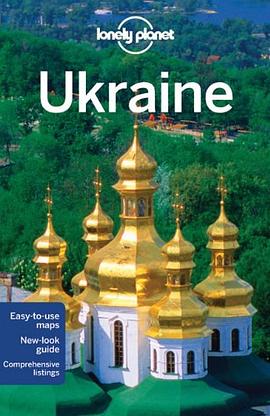
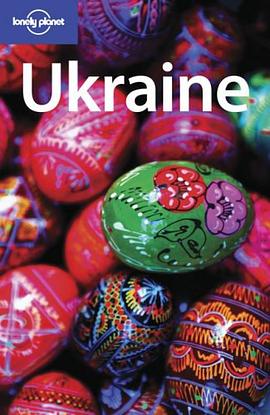
For those of you who came in late, in 2004 there was a popular revolution in Ukraine. And while that Orange-clad uprising failed to leave the nation basking in a happily-ever-after future, it was a revolution that, contrary to the famous dictum, didn’t eat its children.
The map remains the same, with the awe-inspiring, monumental capital of Kyiv at its heart, irrepressible Odesa and striking Crimea on its southern shores, plus cosy central-European Lviv near rolling western hills. Several years down the track, the industrial, pro-Russian east has forgotten its threat to secede.
Nonetheless, the Ukraine you’re visiting today is not the country that previously existed. ‘Post-Orange Ukraine’ might have the political blues as successive parliamentary stalemates drag out, but its press is freer, its attitudes more open and its economy improving. Memories of demonstrating on ‘the maydan’ (Kyiv’s Independence Square) still fuel increased civic awareness. There’s fledgling democracy instead of autocracy, fair elections and a tolerance of genuine public debate. At the same time, the unfulfilled promises of a weakened president have injected a sense of realism, if not cynicism.
Ukraine, whose name means ‘borderland’, is slowly, and sometimes indecisively, shifting. You still frequently encounter the surly, unhelpful bureaucracy that reigned when this was part of the Soviet Union, but now it’s tempered by widespread aspirations to eventually join the EU. The younger generation, central to the Orange Revolution, are looking forward and revelling in newfound freedoms. Traditionalists, meanwhile, are concerned about floating too far out of neighbouring Russia’s orbit.
A patchwork nation, as contemporary pundits like to call it, Ukraine draws on numerous historical influences, and as a patchwork nation it’s searching for unifying 21st-century symbols. The dominant culture is Slavic, but Scythian gold is still hoarded in the history museum at Kyiv’s Kievo-Pecherska Lavra (Caves Monastery) and Byzantine mosaics line the capital’s St Sophia’s Cathedral.
The golden domes of myriad Russian and Ukrainian Orthodox cathedrals gleam out across one of Europe’s poorest nations. Yet, among the rocky outcrops of fascinating Crimea, you’ll also find Turkic architecture, not to mention ancient cave cities. The country’s marauding Cossacks are remembered on the Dnipro River’s Khortytsya Island, as well as in musical and dance rituals.
Not all Ukrainians get an equal (duck-) kick out of all these traditions. The Russian-speaking east, centre and south might take pride in Cossack history, but the Ukrainian-speaking west of the country lionises the native Hutsul culture of the Carpathians, while the Crimean Tatars are making a comeback on their homeland peninsula.
So any success that post-Orange Ukraine achieves is a building-block towards a new national identity. By hosting the Eurovision song contest in 2005, abolishing most visas to welcome more overseas tourists, being chosen to co-host the European Football Championships in 2012 and even angling for the 2018 Winter Olympics, this once-overlooked country hopes to show off its increasing capabilities to the world.
Meanwhile, it wants to prove them to all Ukrainians, too.
Our Top Picks For Ukraine
1 Lviv
Be seduced by the shabby Mitteleuropean charm of this popular city-break destination in the making
2 Kamyanets-Podilsky
Be awestruck by this medieval town marooned atop a tall rock island
3 Kyiv
Delight in a peerless capital – from the cradle of Slavic culture to the crucible of the Orange Revolution
4 Sofiyivka Park
See devotion to beauty writ large in Uman’s spectacular formal gardens
5 Odesa
Relive film history on the Potemkin Steps and dance till dawn in open-air seaside clubs
6 Vylkovo
Punt around the waterways of this ‘Ukrainian Venice’ in the beautiful Danube Delta Biosphere Reserve
7 Bakhchysaray
Learn about Tatar culture at the Khans‘ Palace, then explore the cave city of Chufut-Kale
8 Yalta
Revel in post-Soviet kitsch, drop in at Chekhov’s place and tour historic palaces
9 Kara-Dag Nature Reserve
Enjoy an out-of-this-world experience, wandering through this reserve’s volcanic landscape
10 Kharkiv
Take a trip to the brain of Ukrainian industry – and get a rush from its lovely student atmosphere
11 Khortytsya Island
Return to the source of Cossack culture on the museum site of the Zaporizhska Sich
12 Carpathian Mountains
Catch a glimpse of a disappearing European culture while hiking through this idyllic region
13 Sudak & Novy Svit
Scramble all over Sudak’s medieval fortress before taking the stunning coastal road to Novy Svit
14 Chornobyl
Sign up for the world’s most bizarre day trip to the infamous nuclear reactor
15 Sevastopol & Balaklava
Delve into Crimean and Cold War history beside the blue waters of these two towns
作者简介
目录信息
读后感
用户评价
老实说,我期待的是一本能提供清晰脉络和明确论点的非虚构作品,毕竟书名指向一个如此明确的地理和政治实体。但我得到的,却是一次充满象征意义的、近乎迷幻的旅程。这本书的结构非常松散,与其说它是一本书,不如说它是一系列相互关联的碎片、日记摘录和哲学沉思的集合体。作者似乎更热衷于探讨“存在”的边缘状态,探讨个体在宏大叙事下的渺小与顽强。阅读过程中,我时不时需要停下来,反复咀嚼那些措辞极其讲究的句子,它们往往承载了多重含义,需要读者投入极大的心力去解码。它没有提供任何关于现代政治格局的直接分析,没有地图,没有时间轴,甚至连主要人物的背景介绍都含糊其辞。这使得那些习惯了快速获取信息的读者可能会感到挫败。对我个人而言,这是一种挑战,但也是一种回报——它迫使我跳出固有的认知框架,去感受那种更深层次的、根植于土地和信仰中的精神状态。它探讨的是一种“失落”与“坚守”的辩证关系,但表达方式极其内敛和隐晦,需要读者具备相当的耐心和共情能力才能体会其深意。
评分从装帧设计来看,这本书的纸张选择和印刷质量都透露着一种克制的高级感,不是那种华而不实的精装,而是沉稳、耐读的质地。但内容上,它完全颠覆了“名副其实”的期待。我原以为会读到关于地缘政治冲突或当代社会变迁的直白论述,结果却陷入了一片关于“根源”和“存在主义困境”的迷雾之中。作者似乎对当下喧嚣的事件不感兴趣,他更关注那些跨越时间、渗透在文化血液中的幽灵。这本书充满了对“失语”状态的描绘,描述了那些无法用日常语言表达的深层感受,那些只能通过梦境、艺术或古老的仪式来传递的情绪重量。其中关于乡村生活和城市化的对比章节尤其出色,他没有简单地进行二元对立,而是展现了现代性如何潜移默化地侵蚀着那些古老的精神结构,那种变化是无声的,但却是毁灭性的。总的来说,这本书更像是一部关于灵魂地理学的探索,而不是一本关于特定国家的实地考察报告。它需要你带着开放的心态去接纳它的节奏和它的沉默,它给予的回报是更深层次的、关于人类共同境遇的理解。
评分这本书的封面设计得相当大胆,用那种深沉的蓝色和撕裂的黄色构建出一种强烈的视觉冲击力,让人一眼就能感受到某种沉重和不平静的气息。我原本以为这会是一部聚焦于某个特定历史事件的严肃著作,或许是关于某个冲突的深度调查,或者是一部探讨民族身份认同的学术论文。然而,当我翻开第一页时,发现它更多的是一种散文式的叙事,充满了对土地、对记忆、对“家园”这个抽象概念的深情描绘。作者的笔触细腻得近乎偏执,他似乎总是在追逐那些稍纵即逝的光影和声音——田野里风吹过向日葵的沙沙声,老旧木屋里壁炉噼啪作响的余烬,甚至是雨后泥土散发出的那种特有的、略带酸涩的气味。这本书并非在罗列事实,而是在构建一种氛围,一种浸润在特定地理和文化中的集体潜意识。我尤其喜欢其中关于童年记忆的章节,那些片段仿佛被施了魔法,带着一种超现实的色彩,让我这个局外人也似乎能感受到那种被保护又带着一丝不安的童年底色。整体阅读体验是缓慢而沉思的,它更像是一首精心编织的长诗,而不是一份标准化的历史读物。它挑战了我们对“纪实”的传统认知,用文学的语言去触摸那些难以言喻的集体伤痕与生命力。
评分这本书的文字风格是极其个人化的,充满了强烈的内省色彩,读起来让人感觉仿佛是偷窥了作者最私密的心灵独白。它的叙事视角一直在游走,时而是宏大的历史观察者,时而又变回一个在街角踌躇的迷茫旅人。我发现作者对细节的捕捉能力令人咋舌,他能将一个日常的场景——比如在某个老旧火车站台等待列车的经历——描写得具有史诗般的张力。然而,这种过度的个人化也带来了一些阅读上的障碍。在某些篇章里,作者似乎过于沉浸在自己的意象世界里,导致上下文之间的逻辑跳跃性太大,有时会让读者感到不知所措,必须依靠直觉去连接那些看似不相干的段落。这不是一本提供标准答案的书,它更像是一面多棱镜,折射出复杂情绪的万千光影。我无法从中找到任何明确的结论或行动指南,它提供的只是一种感性上的体验,一种对人类精神韧性的颂歌。对于那些期待一本书能提供清晰路线图的人来说,这本书可能会显得过于晦涩和分散精力,但对于喜欢沉浸在优美又略带忧郁的文字海洋中的读者,它无疑是一场精神盛宴。
评分这本书的语言密度极高,几乎每一句话都像是经过反复打磨的宝石,闪烁着不同的光芒,但同时,这种密度也意味着它要求读者保持高度集中的注意力。它的句式结构经常打破常规,充满了倒装和复杂的从句,这使得阅读速度不得不放缓,仿佛是在品尝一种需要细细咀嚼的佳酿。我注意到,作者非常偏爱使用古典意象和神话符号来构建他的叙事骨架,这使得整部作品笼罩着一层厚重的文化滤镜。阅读它,更像是在与一位学识渊博但略显忧郁的智者进行一场漫长的对话,他很少直接回答你的问题,而是引导你走向更深层的思考。书中关于“记忆的不可靠性”和“历史的重负”的探讨尤其引人入胜,但作者的处理方式非常微妙,他没有直接批判,而是通过一系列充满象征意义的场景来展现这种张力。这本书的篇幅不算短,但由于其非线性叙事和高密度的信息量,读完之后,我有一种比读完一本厚厚的历史专著更为深刻的疲惫感,但这种疲惫感是充实的,因为它代表着精神上的深度参与。
评分 评分 评分 评分 评分