
具体描述
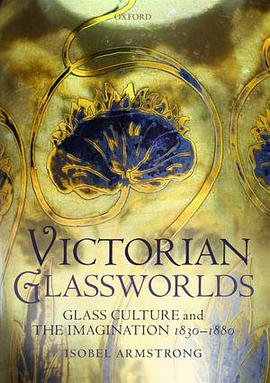
Isobel Armstrong's startlingly original and beautifully illustrated book tells the stories that spring from the mass-production of glass in nineteenth-century England. Moving across technology, industry, local history, architecture, literature, print culture, the visual arts, optics, and philosophy, it will transform our understanding of the Victorian period. The mass production of glass in the nineteenth century transformed an ancient material into a modern one, at the same time transforming the environment and the nineteenth-century imagination. It created a new glass culture hitherto inconceivable. Glass culture constituted Victorian modernity. It was made from infinite variations of the prefabricated glass panel, and the lens. The mirror and the window became its formative elements, both the texts and constituents of glass culture. The glassworlds of the century are heterogeneous.They manifest themselves in the technologies of the factory furnace, in the myths of Cinderella and her glass slipper circulated in print media, in the ideologies of the conservatory as building type, in the fantasia of the shopfront, in the production of chandeliers, in the Crystal Palace, and the lens-made images of the magic lantern and microscope. But they were nevertheless governed by two inescapable conditions. First, to look through glass was to look through the residues of the breath of an unknown artisan, because glass was mass produced by incorporating glassblowing into the division of labour. Second, literally a new medium, glass brought the ambiguity of transparency and the problems of mediation into the everyday. It intervened between seer and seen, incorporating a modern philosophical problem into bodily experience. Thus for poets and novelists glass took on material and ontological, political, and aesthetic meanings. Reading glass forwards into Bauhaus modernism, Walter Benjamin overlooked an early phase of glass culture where the languages of glass are different. The book charts this phase in three parts.Factory archives, trade union records, and periodicals document the individual manufacturers and artisans who founded glass culture, the industrial tourists who described it, and the systematic politics of window-breaking. Part Two, culminating in glass under glass at the Crystal Palace, reads the glassing of the environment, including the mirror, the window, and controversy round the conservatory, and their inscription in poems and novels. Part Three explores the lens, from optical toys to 'philosophical' instruments as the telescope and microscope were known. A meditation on its history and phenomenology, Victorian Glassworlds is a poetics of glass for nineteenth-century modernity.
作者简介
目录信息
读后感
用户评价
这本书的广度令人惊讶,它不仅仅聚焦于英国本土,还对当时玻璃技术输出到殖民地以及全球贸易网络中的影响进行了详尽的描绘。我作为一个业余的历史爱好者,发现其中关于跨洋运输过程中玻璃制品的保护技术和保险制度的描述尤其有趣,这让我看到了维多利亚时代的全球化进程中,看似脆弱的玻璃制品扮演的物流角色。作者对各种地方性玻璃作坊和大型工厂的对比分析非常到位,揭示了工业化初期手工艺如何挣扎求存的现实困境。阅读过程中,我时不时需要停下来查阅一些地图和人物小传,因为作者将大量的历史人物和地理背景信息巧妙地融入叙事,构建了一个极其丰富的历史场景。这本书的价值在于它构建了一个完整的生态系统——从沙子的开采到最终摆上富豪餐桌的精美器皿,再到它在特定社会背景下的功能和命运,无所不包,逻辑严密,绝对是该领域内一部里程碑式的作品,值得反复品读。
评分我必须承认,我并不是一个对“历史材料学”抱有浓厚兴趣的人,但《Victorian Glassworlds》成功地将我拉进了这个迷人的领域。它的魅力在于其强烈的批判性视角。作者没有一味地歌颂玻璃工业带来的进步,而是毫不留情地揭示了其背后的环境代价和劳动剥削问题。这种对光鲜亮丽背后的阴影的挖掘,使得整本书的论述更加立体和有力量。例如,书中对早期玻璃化学成分的研究,不仅解释了颜色是如何产生的,还探讨了这些化学物质对工人和周边环境的长期影响,读起来让人深思。而且,本书的结构设计也非常新颖,它不是按照时间顺序简单罗列,而是围绕“光线、反射、隐私、透明度”等几个核心概念展开讨论,这种主题式的组织方式,让复杂的历史脉络变得清晰易懂。对于那些希望从更深层次理解维多利亚时代中产阶级生活观的读者,这本书提供了一个绝佳的切入点,它教会我们如何透过一块窗户玻璃,窥见一个时代的焦虑与渴望。
评分这本书的文字功力简直令人赞叹,阅读体验如丝般顺滑,每一个句子都仿佛经过精心打磨。它最让我印象深刻的是对“玻璃的隐喻意义”的探讨。作者引经据典,从文学作品到当时的广告宣传,分析了维多利亚人是如何将玻璃视为“现代性”和“清晰”的化身。我尤其喜欢其中关于“镜子与自我认知”的章节,书中分析了当时镜子制造技术的进步如何影响了人们对自身形象的关注程度,这种心理层面的剖析,远超了一般工艺史的范畴。叙述风格带有浓厚的散文色彩,情感充沛而不失严谨,即便是对专业术语的解释,也处理得非常优雅,不会让人感到晦涩难懂。总的来说,这是一本充满人文气息的学术著作,它成功地将冰冷的材料科学与炽热的人类情感编织在一起,读完后感觉自己不仅增长了见识,心灵也仿佛被某种纯净的光芒洗涤过。
评分这本《Victorian Glassworlds》简直是一场视觉与历史的盛宴!我完全沉浸在维多利亚时代那些精美绝伦的玻璃制品之中。作者对那个时期玻璃制造工艺的描述细致入微,仿佛我能亲手触摸到那些吹制玻璃的温热和打磨后的光滑。尤其是关于那些宏伟的温室和水晶宫的章节,文字的画面感极强,让我能清晰地想象出阳光穿过复杂的花纹玻璃,在巨大的空间内投下斑驳光影的震撼景象。这本书不仅仅是关于“玻璃”这个材料,它更深入地探讨了玻璃如何塑造了维多利亚时代的建筑美学和社会生活。比如,那些早期的灯具和窗户设计,是如何悄无声息地改变了人们的日常生活习惯,甚至影响了室内装饰的潮流。阅读过程中,我不断被那种对细节的痴迷所打动,作者对不同时期玻璃风格演变的梳理,从早期的朴素到后期的繁复奢华,展现了一部流动的艺术史。全书的学术深度与通俗易懂的叙述完美结合,让人在享受阅读乐趣的同时,也能学到许多关于工艺史和文化史的知识。我对玻璃制品的热情完全被点燃了,现在看任何老照片里的玻璃器皿,都能多出几分敬意和理解。
评分翻开这本书的瞬间,我原以为会是一本枯燥的工艺图册,结果却被一种近乎诗意的笔触深深吸引。作者的叙事节奏把握得极为巧妙,他总能在技术细节和人文关怀之间找到一个绝佳的平衡点。我特别欣赏他对时代精神捕捉的精准度——玻璃,在这个作者的笔下,不再是冷冰冰的材料,而是折射出整个工业革命时期人类雄心壮志和对未来无限憧憬的媒介。那些关于玻璃工厂工人的日常片段,虽然篇幅不长,却充满了人情味,让人感受到在蒸汽与硝烟中创造出这些晶莹之物的艰辛与荣耀。更令人称道的是,书中对当时社会阶层与玻璃消费的关联分析,揭示了精美玻璃器皿如何成为身份和地位的象征,这种社会学视角的切入,极大地拓宽了我的理解维度。这本书的排版和插图选择也堪称一流,那些高清的彩色图片,即便隔着纸张,也能感受到玻璃的通透质感,对于研究维多利亚时代艺术史的学生来说,这无疑是一部极具参考价值的珍藏本。
评分资料详实,文笔优美,跨界,涉及小说诗歌建筑设计城市规划哲学视觉研究等等。可惜以伦敦为主,缺乏与殖民扩张历史之关系视角(比如19世纪英国有些玻璃画已外包在广州制作)。
评分very interesting materials
评分very interesting materials
评分其实我觉得三星半吧……有很多好玩的东西,但是内容组织得有点散,最后一到image那个部分我就头昏了……
评分资料详实,文笔优美,跨界,涉及小说诗歌建筑设计城市规划哲学视觉研究等等。可惜以伦敦为主,缺乏与殖民扩张历史之关系视角(比如19世纪英国有些玻璃画已外包在广州制作)。