
具体描述
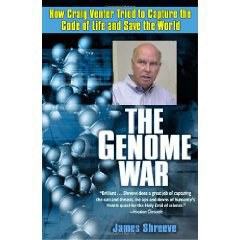
On Charles Darwin's birthday -- February 12 -- in 2001, two groups of scientists announced simultaneously that the human genome sequence had been completed. The public consortium, involving teams from six countries, published its results in Nature and made them immediately available on the Internet. Craig Venter's company, Celera Genomics, published its paper in Science. Those announcements, although premature (only two rough drafts were available, accompanied by some preliminary analyses), marked one of the few uncontroversial moments in the quest for the human genome sequence. Almost everything else, from the ownership of the results to the molecular and statistical methods used, was the subject of sharp conflict. The title of this book, The Genome War, is only partly exaggerated. No casualties were reported, but all the psychological ingredients of a war were present and are documented in the book. The subtitle is a joke, I hope. The Genome War has something in common with Les Liaisons Dangereuses. In Laclos's novel, the apparent goal of the characters -- to seduce a human being -- is little more than a pretext for a cruel game of power. Two centuries later the pretext has become grander -- the goal no longer centers on a single person, but on the DNA of the species -- but the game is no less cruel. Through 26 dense chapters, Shreeve displays for us the intricate game of personalities and ambitions that ultimately led to the completion of the Human Genome Project. Great stories need great characters. Shreeve chose Craig Venter, and in this choice lies the appeal of the book as well as its main limitation. Venter, or at least the Venter whom Shreeve describes, is the herald of glamour, efficiency, and free enterprise. He enters the book onboard his yacht, and from that moment on, any scientist with "home-cut hair" who wears "whatever old sweater and slacks first presented themselves to him on waking up" has a hard time. Big projects, big money, big rewards for the investors; everything related to Venter is formidable, never mind that certain pages of the book are too much reminiscent, for my taste, of Lifestyles of the Rich and Famous. On the other hand, to offer a suitable stage for such a character, Shreeve continuously has to create dramatic situations. Often he does so by reporting private conversations and very personal thoughts, which in many cases he cannot have learned from the horse's mouth. As a result, the readers simply do not understand what cocktail of fiction and nonfiction they actually have in their hands. More important, crucial aspects of the story and other key figures -- notably John Sulston, the head of genome sequencing at Britain's Sanger Institute -- are left in the shadows. I doubt that the average reader will realize how important it has been to ensure that the human DNA sequence remains freely available to all (despite and against Venter's wishes). Far too few words are spent to explain that Celera could put together its results only by using the data produced and made available to all by the public consortium. In brief, this is not the most balanced or rigorous book on the Human Genome Project. However, some of its pages are worth reading. I liked this image of the Cold Spring Harbor Laboratory: "In the hallways and stairwells hang photographs of the original apostles of the new science: Delbruck himself, Salvador Luria, Crick and Watson, Barbara McClintock, Jacques Monod, Alfred Hershey . . . forever young and cocksure, their eyes bright from the birth of ideas that will take their older, grayer selves to Stockholm." Guido Barbujani
作者简介
目录信息
读后感
用户评价
这本书最让我惊喜的一点,在于它打破了传统叙事中的二元对立。在这里,英雄并非完美无瑕,反派也拥有令人同情的动机。作者似乎在刻意模糊“正义”与“邪恶”的界限,让读者陷入一种持续的道德模糊状态。我发现自己会不自觉地站在不同角色的立场上去权衡利弊,这种智力上的参与感,是许多线性叙事作品无法提供的。尤其是关于记忆与身份认同的那几章,简直是神来之笔,它探讨了当“自我”可以被编辑和重塑时,什么是我们真正坚守的内核。从文学手法上看,作者娴熟地运用了多重视角切换,每一次视角转换都像是在拼凑一幅破碎的万花筒,直到最后一刻,图案才完整呈现。这种叙事上的复杂性,要求读者保持高度的专注力,但一旦成功导航,所获得的阅读满足感是无与伦比的。它无疑是近年来文学界少有的一部需要被认真对待的力作。
评分这部作品的文字功底着实令人叹服,它不像某些畅销书那样追求表面的华丽辞藻堆砌,而是呈现出一种内敛而深沉的力量感。作者的遣词造物如同精准的手术刀,每一次落笔都直击要害,构建出一个既真实可信又充满张力的世界观。我特别喜欢它对环境氛围的营造,无论是阴郁压抑的地下城,还是光怪陆离的上层社会,那种“在场感”极强,仿佛能闻到空气中的尘土味和金属的冰冷。更难能可贵的是,作者似乎对哲学命题有着深刻的洞察,书中穿插的那些看似不经意的哲思片段,实际上是对整部作品主题的精妙注脚,为故事增添了厚度和重量。每一次阅读,都能从中咂摸出新的含义,这绝对是一本值得反复翻阅的“重读之作”。它不像快餐文化那样转瞬即逝,而是像陈年的佳酿,需要细细品味,才能体会到其中复杂的层次和回甘。
评分这本书的叙事节奏把握得简直出神入化,一开始的铺垫看似波澜不惊,却像一张慢慢收紧的网,让人在不知不觉中深陷其中。作者对人物心理的刻画细腻入微,特别是主角在面对道德困境时的挣扎与抉择,读来令人感同身受。那种在宏大背景下,个体命运被时代洪流裹挟的无力感,被描绘得淋漓尽致。我尤其欣赏作者在处理复杂情节时的清晰度,即便涉及大量的专业术语或历史背景,也能用一种近乎优雅的方式将其融入叙事,保证了故事的流畅性。读到一半时,情节发生了一个惊人的反转,让我不得不放下书,花了好几分钟来消化这个信息,那种智力上的冲击感是近些年来阅读体验中罕有的。整体而言,它不仅仅是一个故事,更像是一次精心编排的智力迷宫,引导着读者去思考关于人性、权力与选择的终极问题。高潮部分的处理更是精彩,情感的爆发与逻辑的严密性达到了完美的平衡,收尾处留下的余韵悠长,让人久久不能忘怀。
评分坦白讲,初读时我曾对它的开场有些许疑虑,它没有立刻抛出“钩子”,而是用一种近乎散文诗的笔调缓慢展开,这对于习惯了快节奏开篇的读者来说可能需要一点耐心。然而,一旦跨过了最初的门槛,那种如同被催眠般的吸引力便会占据主导。书中对于未来科技伦理的探讨,尤其令人深思——它并未给出简单的“好”或“坏”的结论,而是将伦理的灰色地带赤裸裸地展现在读者面前,迫使我们反思技术进步的真正代价。作者在构建这个未来世界时,似乎投入了大量严谨的研究,无论是社会阶层固化的描写,还是技术细节的呈现,都带着一股令人信服的真实感。它更像是一部社会寓言,披着科幻的外衣,内核却是对当下社会病灶的尖锐批判。读完后,你不会感到轻松愉悦,反而会带有一种挥之不去的沉重感,因为它让你看到了可能性,一种我们或许正在迈向的未来。
评分从结构上看,这本书的野心是巨大的,它试图在一个有限的篇幅内,探讨跨越代际的恩怨纠葛与社会结构性的腐败。尽管主题宏大,但作者的叙事技巧却异常老练,没有让故事陷入臃肿或失焦。每一条线索的引入和收束都像是精心计算过的数学公式,虽然错综复杂,但最终都能完美契合。我个人对其中几位配角的塑造印象尤为深刻,他们并非推动主线剧情的工具人,而是拥有自己独立完整的人生轨迹和灰色地带,这种对“边缘人物”的深入挖掘,极大地丰富了世界的立体感。相较于一些情节驱动的类型小说,这部作品更注重内在的张力,冲突往往不是通过爆炸或追逐来展现,而是通过对话中沉默的重量和眼神的交锋来体现,这种含蓄的张力处理,显得尤为高级和成熟。对于追求深度阅读体验的读者来说,这无疑是一份厚礼。
评分 评分 评分 评分 评分