
具体描述
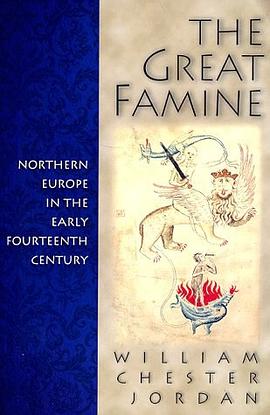
The horrors of the Great Famine (1315-1322), one of the severest catastrophes ever to strike northern Europe, lived on for centuries in the minds of Europeans who recalled tales of widespread hunger, class warfare, epidemic disease, frighteningly high mortality, and unspeakable crimes. Until now, no one has offered a perspective of what daily life was actually like throughout the entire region devastated by this crisis, nor has anyone probed far into its causes. Here, the distinguished historian William Jordan provides the first comprehensive inquiry into the Famine from Ireland to western Poland, from Scandinavia to central France and western Germany. He produces a rich cultural history of medieval community life, drawing his evidence from such sources as meteorological and agricultural records, accounts kept by monasteries providing for the needy, and documentation of military campaigns. Whereas there has been a tendency to describe the food shortages as a result of simply bad weather or else poor economic planning, Jordan sets the stage so that we see the complex interplay of social and environmental factors that caused this particular disaster and allowed it to continue for so long. Jordan begins with a description of medieval northern Europe at its demographic peak around 1300, by which time the region had achieved a sophisticated level of economic integration. He then looks at problems that, when combined with years of inundating rains and brutal winters, gnawed away at economic stability. From animal diseases and harvest failures to volatile prices, class antagonism, and distribution breakdowns brought on by constant war, northern Europeans felt helplessly besieged by acts of an angry God - although a cessation of war and a more equitable distribution of resources might have lessened the severity of the food shortages. Throughout Jordan interweaves vivid historical detail with a sharp analysis of why certain responses to the famine failed. He ultimately shows that while the northern European economy did recover quickly, the Great Famine ushered in a period of social instability that had serious repercussions for generations to come.
作者简介
目录信息
读后感
用户评价
这本书的封面设计简直是艺术品,那种深沉的蓝色调配上烫金的字体,立刻就给人一种庄重而厚重的历史感。我是在一家老旧的书店里偶然发现它的,当时它被放在一个专门展示历史著作的角落,周围的书都显得有些黯淡,唯独它散发出一种沉静的力量。 随手翻开几页,里面的排版就让我印象深刻,字体选择典雅而清晰,页边距的留白恰到好处,读起来非常舒适,即使是长篇大论的叙述,眼睛也不会感到疲劳。 装帧的质感也极佳,那种略带粗粝感的纸张,握在手中仿佛能触摸到历史的纹理。我特别留意了一下注释和引文部分的排版,它们被处理得非常专业,既不打断正文的流畅性,又能在需要时提供详实的佐证,显示出作者在学术严谨性上的高标准。这本书的厚度也让人敬畏,它承诺了一次深入的、不容回避的阅读旅程,而不是浮光掠影的概述。光是看着它静静地躺在书架上,我就能感受到它所承载的巨大信息量和分量,让人充满期待去探索其内在的世界。 这种对实体书的极致追求,在如今这个电子阅读盛行的时代,显得尤为珍贵,它不仅仅是一本书,更像是一件值得珍藏的工艺品。
评分这本书的叙事节奏把握得极其精准,仿佛一位经验老到的交响乐指挥家,知道何时该让低音提琴奏出压抑的旋律,何时又该让小提琴群奏出激昂的高潮。 故事的开篇,作者并没有急于抛出宏大的主题,而是选择了一条极其个人化的切入点,通过描绘一个普通家庭在特定历史背景下的日常生活细节,巧妙地构建了一种令人不安的“常态下的异样感”。 这种慢热的铺陈,非但没有让人感到拖沓,反而如同抽丝剥茧般,让读者在不知不觉中被卷入情境的核心。 接着,情节的张力开始逐渐累积,作者娴熟地运用了多重叙事视角,让同一事件从不同人物的口中展现出截然不同的面貌,极大地丰富了故事的维度和复杂性,避免了任何一方的绝对化或脸谱化。 那些关键的转折点,往往发生在看似平静的段落末尾,留下的悬念足够让人在合上书本后,仍在大脑中久久回荡,迫不及待地想要知道后续的发展。 这种叙事技巧的运用,体现了作者对文学张力营造的深刻理解,让阅读体验充满了探索的乐趣和智力上的挑战。
评分从结构布局来看,这本书展现出了一种令人惊叹的宏观视野和严谨的逻辑架构。 作者似乎不仅仅是想讲述一个故事或记录一段历史,而是试图构建一个完整的知识体系,去解释某种社会现象是如何产生的,又是如何沿着特定的路径演变的。 书中穿插了大量的历史文献引用、社会学分析和经济学模型,这些专业内容被巧妙地融入叙事主线,起到了相互支撑、互相印证的作用,使得论证过程既扎实又富有可读性。 令人称道的是,作者在引入这些理论性内容时,并没有采用枯燥的说教式口吻,而是通过人物的亲身经历或对某个关键事件的深度剖析来自然地引入,让理论变得“可触摸”和“可理解”。 这种将深度研究与引人入胜的故事讲述完美结合的能力,是许多非虚构作品难以企及的高度。 读者在阅读完之后,获得的不仅仅是信息量的增长,更是一种认知框架的拓宽,仿佛获得了一把理解复杂世界的钥匙,能够以更批判、更全面的视角去看待类似的社会议题。
评分我非常欣赏作者在构建人物群像时所展现出的细腻笔触和深刻洞察力。 这本书中的角色绝非符号化的工具人,他们是鲜活的、充满矛盾和人性的个体。 无论是那个始终在道德边缘徘徊的底层人物,还是那个身居高位却被权力异化的高级官员,每个人物都有其清晰的动机和成长的轨迹。 作者没有对任何角色进行简单的道德审判,而是冷静地将他们置于特定的历史熔炉中进行观察和解剖。 你能清晰地看到,在巨大的外部压力下,人性是如何被扭曲、被激发、又或者在绝望中闪现出微弱的光芒。 比如,书中对于某个次要角色在关键时刻所做的艰难抉择的描写,那种内心的挣扎和权衡被刻画得入木三分,我甚至能感受到那种令人窒息的紧迫感,仿佛亲身经历了那种两难的困境。 这种对复杂人性的忠实呈现,使得整部作品的厚度和深度远超一般的历史题材叙述,它探讨的议题是普世的:关于生存的代价、尊严的坚守,以及群体记忆的构建与遗忘。
评分这本书的语言风格简直是一场文字的盛宴,它兼具了古典文学的厚重感和现代主义的精准性,形成了极其独特的语感。 读起来,你能感受到作者对词汇的掌控达到了炉火纯青的地步,他似乎总能找到那个“刚刚好”的词语,既不至于过于华丽而显得矫揉造作,也不至于过于朴素而显得苍白无力。 尤其是在描绘那些宏大场面或内心极度压抑的情绪时,作者会适时地运用一些精妙的比喻和象征手法,这些意象并非生硬地插入,而是自然地从上下文的逻辑中生长出来,极大地增强了文字的表现力和感染力。 它的句子结构变化丰富,时而是一气呵成的长句,将多层次的思考和情感铺陈开来,读起来有一种如行云流水般的酣畅淋漓;时而又是简洁有力的短句,如同重锤敲击,直击要害,带来强烈的震撼效果。 这种对语言节奏和音韵的精雕细琢,让阅读过程变成了一种纯粹的审美享受,即便是在处理那些沉重、令人不快的主题时,优美的文字也为这种体验提供了一种必要的缓冲和升华。
评分An excellent analysis of the causes, spread, and consequences of the Great Famine (1315-1322) in northern Europe. Well-written!
评分An excellent analysis of the causes, spread, and consequences of the Great Famine (1315-1322) in northern Europe. Well-written!
评分An excellent analysis of the causes, spread, and consequences of the Great Famine (1315-1322) in northern Europe. Well-written!
评分An excellent analysis of the causes, spread, and consequences of the Great Famine (1315-1322) in northern Europe. Well-written!
评分An excellent analysis of the causes, spread, and consequences of the Great Famine (1315-1322) in northern Europe. Well-written!