
具体描述
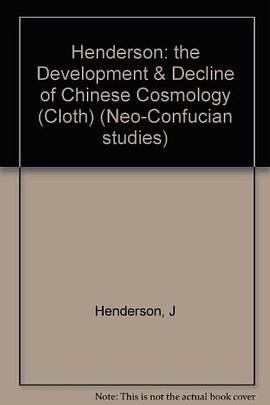
Cosmological ideas influenced every aspect of traditional Chinese culture, from science and medicine to art, philosophy, and religion. Although other premodern societies developed similar conceptions, in no other major civilization were such ideas so pervasive or powerful. In The Development and Decline of Chinese Cosmology, John Henderson traces the evolution of Chinese thought on cosmic order from the classical era to the nineteenth century. Unlike many standard studies of premodern cosmologies, this book analyzes the origins, development, and rejection of these models, not just their structure. Moreover, while historians often limit their studies of cosmic order to specialized fields like the history of science, Henderson examines how the cosmological ideas formulated in late classical times permeated various facets of Chinese life, from high philosophy to popular culture. In discussing these ideas, the author draws surprising parallels between the history of Chinese and classical Western cosmologies, identifying general patterns in the development of cosmological conceptions in several premodern civilizations. This volume thus appeals not only to students of Chinese intellectual history, but anyone interested in cultural anthropology, ancient and medieval philosophy, and the history of science and medicine as well. An understanding of the development and decline of Chinese cosmology illuminates broad areas of traditional Chinese culture and it provides a new perspective for viewing the history of Chinese thought in a larger comparative context.
作者简介
John B. Henderson earned his Ph.D. at the University of California, Berkeley. He is Professor in the Department of History at Louisiana State University. Professor Henderson's previously published works include Scripture, Canon, and Commentary: A Comparison of Confucian and Western Exegesis and Notions of Time in Chinese Historical Thinking.
目录信息
读后感
As for this item, I guess it is not hard to find many pages of the similar books from amazon or the library of any university. From the beginning, such as M.Grant, A.C.Graham, the correlative thinking is the key word of Chinese thinking style and cosmology....
评分As for this item, I guess it is not hard to find many pages of the similar books from amazon or the library of any university. From the beginning, such as M.Grant, A.C.Graham, the correlative thinking is the key word of Chinese thinking style and cosmology....
评分As for this item, I guess it is not hard to find many pages of the similar books from amazon or the library of any university. From the beginning, such as M.Grant, A.C.Graham, the correlative thinking is the key word of Chinese thinking style and cosmology....
评分As for this item, I guess it is not hard to find many pages of the similar books from amazon or the library of any university. From the beginning, such as M.Grant, A.C.Graham, the correlative thinking is the key word of Chinese thinking style and cosmology....
评分As for this item, I guess it is not hard to find many pages of the similar books from amazon or the library of any university. From the beginning, such as M.Grant, A.C.Graham, the correlative thinking is the key word of Chinese thinking style and cosmology....
用户评价
这本书的另一大亮点在于其对中国古代科学发展与宇宙观之间关系的探讨。我一直对古代中国在天文学、数学、医学等方面取得的成就感到好奇,而我深信这些成就的背后,必然有着一套与之相呼应的宇宙观作为支撑。这本书是否能够揭示出,古人对宇宙的认识是如何驱动他们进行科学探索的?又或者,科学上的发现是如何反过来修正和深化他们的宇宙观的?这种双向的互动关系,是我非常想要了解的。
评分这本书的封面设计就吸引了我,那种古老而又充满智慧的东方美学,似乎预示着一段深刻的文化探索之旅。拿到书的那一刻,我脑海中闪过的第一个念头就是:终于有一本书能够系统地梳理中国数千年来,人们是如何理解宇宙、天地运行规律以及人类自身在其中的位置的。中国作为拥有悠久文明史的国家,其宇宙观的演变无疑是中国哲学、历史、科学乃至艺术发展的重要脉络。我尤其期待书中能够深入探讨那些塑造了中国古代思想核心的“天人合一”、“阴阳五行”等概念,不仅仅是简单的介绍,而是要看到它们是如何随着时代变迁,经历融合、发展,甚至是被挑战和改造的。
评分我一直在思考,古代中国人对宇宙的理解,是如何影响了他们的审美情趣和艺术创作的。从山水画的构图,到园林的设计,再到诗词歌赋的意境,似乎处处都透露着一种与自然和谐共处的哲学思想。这本书是否能够帮助我理解,这种“天人合一”的宇宙观,是如何转化为具体的艺术形式,又如何在潜移默化中塑造了中国人的审美偏好?我期待书中能有一些具体的案例分析,让我能够将理论与实践联系起来。
评分我一直在寻找一本能够帮助我理解中国古代哲学中那些看似抽象但又极其重要的概念的书籍,而这本书似乎正是为此而生。它不仅仅解释了“道”是什么,更重要的是探讨了中国人是如何通过观察自然、体悟人生来认识“道”的,以及“道”是如何体现在宇宙的运行和万物的生灭之中的。我期待书中能够深入剖析这些观念是如何在不同学派之间流传、碰撞和发展的,比如道家对“无为而治”的宇宙观理解,与儒家对“天命”的关注,在更宏观的层面是如何相互关联的。
评分阅读这本书的过程,更像是一次沉浸式的历史体验。作者不仅仅罗列了各个时期的宇宙观,而是将它们置于具体的社会、政治、经济和文化背景之下,让我能够理解这些观念是如何产生的,又如何影响了当时的社会生活。比如,早期神话传说中的天人关系,是如何在儒家、道家等思想体系中被哲学化、体系化的?这些宇宙观又如何渗透到农业生产、历法制定、政治制度乃╋甚至人们的日常行为之中?我尤其好奇的是,在不同朝代,统治者是如何利用或调整宇宙观来巩固其统治的,这其中是否存在着某些政治化的解读和运用?
评分作为一名对中国传统文化充满兴趣的普通读者,我常常感到在浩瀚的中国古代思想海洋中难以找到清晰的航向。这本书的出现,就像为我提供了一张详尽的星图,让我能够理解中国古代人们是如何通过对宇宙的观察和思考,构建起他们独特的世界观。从古代对星辰运行的崇拜,到对自然规律的探索,再到对自身在宇宙中位置的思考,这本书似乎一步步地引导我走进了那个古老而又神秘的东方思想世界。
评分这本书的价值在于,它不仅仅是一本学术专著,更是一扇通往中国古代精神世界的窗口。通过对中国古代宇宙观的深入剖析,我仿佛能够听到那些遥远的声音,感受到那些古老的心灵对宇宙奥秘的探求。这种对人类共通经验的挖掘,以及对文明深层结构的解读,让我对这本书充满了期待,也相信它能带给我深刻的启发。
评分我一直在寻找能够帮助我理解中国古代哲学思想与社会现实之间复杂联系的读物。这本书似乎正是这样一本能够提供深刻洞察的书籍。它不仅触及了形而上的宇宙观,更将这些观念置于具体的历史和社会语境中进行考察。我好奇作者是如何处理这些错综复杂的关系,如何展现宇宙观的演变如何深刻地影响了中国社会的方方面面,包括政治、经济、文化和日常生活。这种对历史宏观进程的把握,以及对微观细节的关注,是这本书最吸引我的地方。
评分这本书最让我感到惊叹的是其宏大的视野和严谨的学术态度。作者似乎对中国古代的文献资料进行了广泛而深入的研究,从先秦诸子百家到汉唐宋明,各个时期重要的思想家和著作都被涵盖其中。而且,我能感受到作者并非仅仅是搬运史料,而是对这些复杂而多样的宇宙观进行了深刻的理解和分析,并试图梳理出它们之间内在的逻辑联系和演变轨迹。这种对中国古代思想进行系统性梳理的努力,对于我们这些想要深入了解中国文化根源的读者来说,无疑是极其宝贵的。
评分阅读这本书,让我对“中国性”有了更深刻的理解。中国古代的宇宙观并非是单一的、静止的,而是在历史的长河中不断演变、融合的。这种演变既体现了中华文明强大的生命力和适应性,也折射出中国人民在面对世界时所展现出的独特智慧。我尤其想知道,在不同的历史时期,当中国文化与其他文明发生接触时,中国的宇宙观是如何应对和吸收外来思想的,这其中又有哪些值得我们借鉴的经验?
评分lucid, charming and provocative; even when I don't agree (such as the art history part), I still respect his thinking.
评分lucid, charming and provocative; even when I don't agree (such as the art history part), I still respect his thinking.
评分lucid, charming and provocative; even when I don't agree (such as the art history part), I still respect his thinking.
评分lucid, charming and provocative; even when I don't agree (such as the art history part), I still respect his thinking.
评分lucid, charming and provocative; even when I don't agree (such as the art history part), I still respect his thinking.