
具体描述
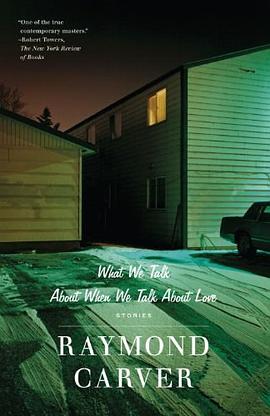
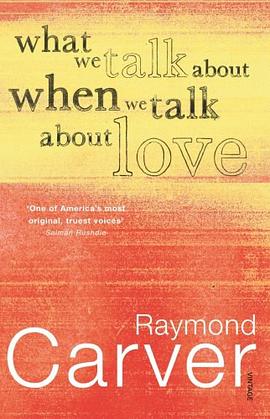
Raymond Carver's "What We Talk About When We Talk About Love"
Commentary by Karen Bernardo
Raymond Carver's short story "What We Talk About When We Talk About Love" takes place in one sitting, or more precisely, one pre-dinner drinking bout. It is told in first person, with one of the four characters referring to himself as "I," but ironically this is the character about whom we know the least; he is merely the mouthpiece for the action, and all we know about him is that his name is Nick and he is married to Laura. His friend Mel is a cardiologist, married to Terri, and initiates the conversation of what love means. This conversation provides the central focus of the story.
Mel, Nick tells us, thinks "real love [is] nothing less than spiritual love." He cannot comprehend that his wife's abusive ex-husband, Ed, could possibly have loved her while he was dragging her around the room by her ankles. "That's not love, and you know it," Mel says. "I don't know what you'd call it, but I sure know you wouldn't call it love."
Terri, on the other hand, insists that it was. She has led a much less sheltered life and is also much less self-righteous than Mel; she understands that while objectively Ed could be regarded as sadistic, dangerous, and pathological, he operated out of a reservoir of strong emotion that was simply incapable of channeling itself in socially-acceptable ways. This strong emotion, when turned toward other human beings, erupted in violence. This is why he beat his wife and eventually committed suicide.
Ed, in fact, functions as a pivotal character in the story even though he is dead by the time the action occurs. He stands out in stark contrast to the little group drinking around the table, for, crazy as he was, he had life in him. Terri seems to look back to her days with Ed with a kind of nostalgia, because for all his crackling violence, she thinks he is more man than Mel will ever be.
Mel, for his part, presents the story's central question -- what is love -- because like the rest of the group he is imbued with a sense of loss, of regret, of unutterable sadness, for reasons he can not quite describe. He feels instinctively that it has something to do with love, and he's right in a way; it has everything to do with passion. The little group sees in alcohol a way to inflame the passion they once felt for living, or the passion they think they should feel. Mel notes that as much as they love each other, if they were all married to someone else, it would make no difference in their lives; one empty person is as good as another.
In fact there is in fact no passion in these people; the alcohol makes it worse, and at the end, when Mel says the gin is gone, Nick concludes the story with the words: "I could hear the human noise we sat there making, not one of us moving, not even when the room went dark." They can't move because they suddenly realize the fact that none of them have ever moved; their lives have always been, and will always be, empty and dark, and they no longer have gin to cover this up.
作者简介
Raymond Carver
Raymond Carver was a man of few words. Often characterized by an economy that bordered on austerity, Carver’s stories were short and plainly written, and his terse prose lent itself perfectly to his favorite subject: working-class America. Aside from poetry, which was written in the same no-frills style, Carver devoted himself exclusively to short stories. What really set Carver apart from other authors, however, was his exploration of the dark side of Americana. In the simple lives of small town folk, Carver uncovered the violence, rage, and loneliness lurking just beneath the surface. Like many writers, his posthumous reputation has grown exponentially, and it is impossible to imagine any serious study of the short story that does not include the extraordinary work of Raymond Carver.
目录信息
读后感
我不敢说我读懂了卡佛,这只是我的一些阅读感受。 我觉得在2010年的一大幸事,就是结识了雷蒙德卡佛和他的文字。我喜欢翻来覆去地随意阅读这个集子里的每个短篇,仿佛顺着漆黑的山洞向前摸索,越往深越会有新的发现。他不像一般作者带领你展示每一件成品,而仅...
评分现在谈论卡佛已经逐渐有了一种反讽的意味。我们写的评论比他的小说还要长,我们说的话比他笔下的人物的还要多,我们制造了喧嚣评价他的沉默,我们把他的简约看成了流行和时尚,对他背后大半生遭受的困难视而不见。卡佛在中文语境里受到的追捧已经遮蔽了他的小说与现实世界的关...
评分这一本的故事都不陌生,有几个被串成了一部电影,译为《浮世男女》 在谈话中,如果双方对于某个概念的认识程度不同,很有可能无法展开对话 要不是一方给另一方讲课,就是双方误解、争吵、闹僵、一拍两散 就好像许多男人很难把爱挂在嘴边,也许爱情在他心中太过于神圣和沉重 但...
评分 评分所有想看卡佛的这本短篇小说集的文艺青年们都应该放弃这个念头——这些小说里没有矫情和装腔作势,只有生活的真实的琐碎和无奈;这些小说不能带来谈资,而只会让人沉默。 短篇小说是生活或世界的一个剖面,就像建筑一样,没有哪一个剖面可以展现本体的全部,但是精心...
用户评价
这本书的语言密度极高,每一句话都似乎经过了反复的锤炼,充满了诗意但又冰冷得近乎残酷。我不得不经常停下来,重新阅读某些段落,不是因为没看懂,而是因为那句表达得太过精妙,需要时间去细细品味其中的多重含义。它不像那种流畅到可以一目十行的通俗小说,它更像是一系列高浓度的精油,你只需要几滴,就能感受到强烈的冲击力。我特别喜欢它对“沉默”的刻画。在很多场景中,未说出口的话语比任何尖叫或争吵都更有力量。那些人物之间的停顿、迟疑、以及刻意的回避,被作者捕捉得丝丝入扣。它探讨的议题是宏大的,关于连接、孤独、以及人类在寻找归属感时的无力,但作者却巧妙地将其包裹在了极其私密和具体的日常场景之中,这种反差制造了强大的张力。对于热衷于语言艺术的读者来说,这绝对是一场盛宴。
评分这本小说(暂且这么称呼它吧,因为它读起来更像是一系列碎片化的意识流)给我的感觉是极其压抑,又带着一丝难以言喻的、近乎病态的美感。作者的笔触如同手术刀般精准地切割着人际关系的表层,直抵那些最核心、最令人不适的真相。我花了很长时间才适应这种叙事节奏,它不像传统小说那样提供清晰的因果链条或饱满的人物弧光,更多的是一种氛围的营造,一种对“状态”的捕捉。比如,其中有一段关于城市夜晚的描写,那种被霓虹灯切割的光影,映射出的却是人物内心深处巨大的空洞和疏离感,读完让人感到一阵寒意。我尤其欣赏作者对细节的把握,那些细微的肢体语言,一个不经意的眼神,往往比大段的独白更具杀伤力,仿佛你正在偷窥一场精心编排却又随时可能失控的私人戏剧。然而,这种风格也意味着它极具挑战性,如果期待一个轻松愉快的阅读体验,那无疑是会大失所望的。它需要读者投入大量的个人情感共鸣和解读空间,否则很容易在迷雾中迷失方向。
评分这本书的氛围营造简直是大师级的——阴郁、潮湿,带着一种挥之不去的宿命感。它不像是在讲故事,更像是在描绘一幅气氛画。你几乎能闻到书中那些封闭空间里陈旧的气味,感受到人物心中那份挥之不去的焦虑。我注意到作者非常偏爱使用一种近乎冷漠的、客观的第三人称视角来叙述那些最私密的情感爆发,这种距离感反而制造出一种更强大的戏剧效果,仿佛命运的巨轮正在缓缓碾过,而角色们无暇顾及彼此的痛苦。我特别对其中反复出现的几个象征性物件印象深刻,它们贯穿始终,每次出现都带着不同的重量和暗示,极大地丰富了文本的层次。虽然它探讨的主题可能并不新鲜,但其独特的切入点和对人性幽暗面的挖掘深度,使得它超越了一般的“情感小说”范畴,达到了某种近乎寓言的高度。读完之后,我久久无法平静,感觉自己仿佛刚从一场漫长而真实的梦魇中醒来。
评分我得承认,这本书的阅读体验非常具有侵入性。它没有给我一个安全的缓冲地带,而是直接把我扔进了主角们那令人窒息的情感漩涡里。我感觉自己不仅仅是在阅读一个故事,更像是在经历一段情感上的“洗礼”。它成功地颠覆了我对传统爱情叙事的期待,它展示的不是玫瑰和誓言,而是恐惧、怀疑和自我欺骗如何一步步腐蚀最亲密的关系。这本书的结构仿佛是一座迷宫,你以为找到了出口,结果却发现自己又回到了原点,只是心境略有不同。特别是对“身份认同”的探讨,模糊了界限,让人不禁反思:我们所认识的“他人”,究竟有几分是真实,又有几分是我们投射的幻影?这种哲学层面的拷问,让这本书的厚重感远超其篇幅所显示的。它需要你放下预设的道德标准去接纳角色的复杂性,这很费神,但回报是深刻的自我反思。
评分如果让我用一个词来概括这本书给我的直观感受,那一定是“破碎”。它不是那种结构松散的叙事,而是那种精心打磨过的、故意呈现出裂痕的艺术品。我注意到作者在不同章节间频繁地切换视角和时间线,这种手法使得任何试图建立稳定世界观的努力都成了徒劳。这种阅读体验非常像是在听一张老旧的黑胶唱片,偶尔有电流的嘶嘶声,有时音轨会突然跳跃,但正是这些不完美,构成了它独特的魅力。其中涉及到的一组人物关系,那种纠缠不清、爱恨交织的复杂性,简直让人喘不过气。他们似乎都带着某种无法摆脱的宿命,不断地在试图靠近和推开之间拉扯。我感觉自己像个旁观者,目睹着一场注定以某种悲剧收场的实验,却无能为力。这本书最成功的地方在于,它让你开始审视自己生活中的那些“灰色地带”,那些我们习惯性忽略或美化了的互动瞬间。
评分没想到他还在我们学校教过课…… 全都是很有画面感的故事。只是看到后面就习惯了所有的主人公的类似的无奈的一面。Love the title story best.
评分we don't know
评分随便找一本来标记了。两个版本对比起来看到的话后面一个版本的文笔真的进步极大,而且是寥寥几笔就能让人从一些细微的设定展开浮想,把许许多多引人深思的问题轻巧地糅合在看似简单的故事里真的很了不起。不过为什么后来要给角色换名字!
评分200801
评分村上春树就是日本的卡佛吧!!!