
具体描述
A New York Times Notable Book
Winner of the Kiriyama Book Prize
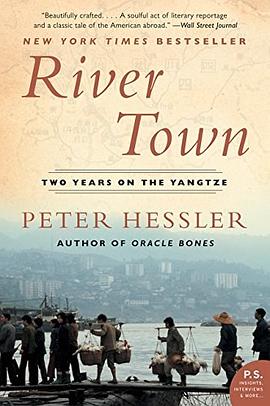
In the heart of China's Sichuan province, amid the terraced hills of the Yangtze River valley, lies the remote town of Fuling. Like many other small cities in this ever-evolving country, Fuling is heading down a new path of change and growth, which came into remarkably sharp focus when Peter Hessler arrived as a Peace Corps volunteer, marking the first time in more than half a century that the city had an American resident. Hessler taught English and American literature at the local college, but it was his students who taught him about the complex processes of understanding that take place when one is immersed in a radically different society.
Poignant, thoughtful, funny, and enormously compelling, River Town is an unforgettable portrait of a city that is seeking to understand both what it was and what it someday will be.
Third-place winner of Barnes & Noble's 2001 Discover Great New Writers Award for Nonfiction
作者简介
Peter Hessler is a staff writer at The New Yorker, where he served as the Beijing correspondent from 2000 to 2007, and is also a contributing writer for National Geographic. He is the author of River Town, which won the Kiriyama Prize; Oracle Bones, which was a finalist for the National Book Award; and, most recently, Country Driving. He won the 2008 National Magazine Award for excellence in reporting, and he was named a MacArthur Fellow in 2011. He lives in Cairo.
Biography
Peter Hessler, one of four children, was born in 1969, in Pittsburgh, but moved shortly thereafter to Columbia, Missouri. His father is a recently retired professor of sociology at the University of Missouri, and his mother teaches history at Columbia College.
Hessler attended Princeton University, where he majored in English and Creative Writing. The summer before graduation, he worked as a researcher for the Kellogg Foundation in southeastern Missouri, where he wrote a long ethnography about a small town called Sikeston. This became his first significant publication, appearing in the Journal for Applied Anthropology.
In 1992, Hessler entered Oxford University, where he studied English Language and Literature at Mansfield College. After graduating in 1994, he traveled for six month in Europe and Asia. One of the highlights of that trip was taking the trans-Siberian train from Moscow to Beijing. That journey resulted in his first published travel story, an essay that appeared in The New York Times in 1995. And that journey was his first introduction to China.
He spent the following year freelancing and attempting to write a book about his travels. Although the book didn't work out, he was able to publish travel stories in a range of newspapers, including The New York Times, The Philadelphia Inquirer, The Washington Post, and The Newark Star-Ledger, among others. In 1995, he received the Stratton Fellowship, a grant from the Friends of Switzerland and spent two months hiking 650 miles across the Alps. Afterwards he continued to freelance, writing travel stories for American newspapers while teaching freshman composition at the University of Missouri. He also organized volunteer projects for students on campus.
In 1996 he joined the Peace Corps and was sent to China. For two years, he taught English at a small college in Fuling, a city on the Yangtze River. While living in Fuling, he studied Mandarin Chinese and became proficient in the language.
After completing his Peace Corps service in 1998, he traveled to Tibet, where he researched a long article, "Tibet Through Chinese Eyes," which appeared in the Atlantic Monthly in February of 1999. Following that trip, he returned to Missouri and wrote River Town: Two Years on the Yangtze. While working on the book, he continued to write travel stories for The New York Times and other newspapers. In March of 1999, Hessler decided to return to China independently and try to establish himself as a freelance writer.
Over the following years, he traveled widely in China and freelanced for a variety of publications. For a brief spell, he was accredited as the Boston Globe stringer in Beijing. In 2000, The New Yorker began publishing some of his stories; the following year, he became the first New Yorker correspondent to be accredited as a full-time resident correspondent in the People's Republic.
In 2000, Hessler also started researching stories for National Geographic Magazine. The first assignment was a story about Xi'an archaeology, which sparked his interest in researching antiquities. Subsequently he accepted an assignment for a story about China's bronze-age cultures, which led to his interest of the oracle bones of the Anyang excavations.
River Town was published in 2001. It won the Kiriyama Prize for outstanding nonfiction book about the Pacific Rim and South Asia. It was also a finalist for the Barnes & Noble Discover award, and in the United Kingdom it was shortlisted for the Thomas Cook Travel Book Award. The book has been translated into Korean, Thai, and Hungarian. The Hungarian translation won the Elle Literary Prize for nonfiction in 2004.
Peter Hessler's magazine stories have been selected for the Best American Travel Writing anthologies of 2001, 2004 and 2005, and also for the Best American Sports Writing anthology of 2004. "Chasing the Wall," a National Geographic story published in 2003, was nominated for a National Magazine Award.
Hessler first conceived of Oracle Bones at the end of 2001 and spent the next four years researching and writing the book.
He currently lives in Beijing.
Author biography courtesy of HarperCollins.
Good To Know
"The only steady job I ever held in journalism was delivering the Columbia Missourian," Hessler revealed in our interview. "I knew I wanted to be a writer since I was sixteen years old. Mary Racine, who taught sophomore English at Hickman High School, first encouraged me to take writing seriously. Mary Ann Gates taught juniors and Khaki Westerfield taught seniors; they were all remarkable teachers It makes a big difference to be encouraged at such an early stage."
目录信息
ONE:
Downstream 3
The City 27
TWO:
Shakespeare with Chinese Characteristics 33
Raise the Flag Mountain 53
THREE:
Running 59
The White Crane Ridge 94
FOUR:
The Dam 99
The Wu River 125
FIVE:
Opium Wars 131
White Flat Mountain 154
SIX:
Storm 163
PART II
SEVEN:
Summer 185
The Priest 220
EIGHT:
Chinese Life 227
The Restaurant Owner 249
NINE:
Money 255
The Teacher 287
TEN:
Chinese New Year 293
The Land 322
ELEVEN:
Spring Again 327
The River 356
TWELVE:
Upstream 363
· · · · · · (收起)
读后感
彼得•海斯勒(中文名何伟,1969-)很早就有成为作家的梦想。他先在普林斯顿大学修文学,1992年获得罗德奖学金后赴英国牛津大学深造。1996年他作为“和平队”( The Peace Corps)队员到中国涪陵支教。这次支教还有两个更实际的目的:第一是体验生活,让写作才华在一个陌生...
评分他在具有虔诚信仰的家庭中长大,他具有虔诚的信仰。他在大学里学文学,他痛恨文学被可怕的教育体制和文学评论撕裂和肢解,失去了原来的优美。 他的梦想,是成为一个作家,但是在此之前,他想看看遥远的国度,也想为了他的信仰做一些工作。于是他选择作为一个志愿者,登上了去...
评分《江城》的阅读交织着惊奇与亲切,因为它与《寻路中国》无论异还是同都十分清晰。异,惊奇;同,亲切。 1996年—1998年间,二十七八岁彼得•海斯勒(中文名何伟)以“和平队(Peace Corps)”志愿者身份在四川涪陵师专担任英语老师。《江城》便是他对这段经历的纪录和思考...
评分原文链接 http://www.ilmare.cn/?p=225 看何伟(Peter Hessler)的这本书其实是一个非常愉快的过程,这本书是我的老师文中先生推荐的。拿到这本书是10月初的事情了。这两个月一直断断续续地看着River Town,这本书算是我看过的第一本真正意义上的原版书籍。 这是一个美国人描...
评分读《江城》的时候,想起两组摄影,骆丹的318国道系列和严明的大国志。在初初看这两组摄影时,会有轻微不适,好像自身是局外人,他们镜头里的中国不再是我熟知的那个国度,更像是异次元空间,荒诞,充斥着各种象征和反讽,如果硬要用一个标准性的词来定性,应该是魔幻现实主义。...
用户评价
《River Town》这本书,在我阅读的过程中,如同置身于一条缓缓流淌的河流之中,时而平静,时而激荡,带给我的是一种难以言喻的沉浸感。作者的笔触,极其细腻且富有力量,他描绘的River Town,不仅仅是一个地理上的地点,更是一个充满了生命力和情感的空间。我能清晰地感受到,小镇上那些古老的建筑,在岁月的侵蚀下,依然散发着温暖的光泽;我能听到,河水拍打着岸边的声音,带着一种永恒的节奏;我能闻到,空气中弥漫着青草和泥土的混合气息,充满了自然的芬芳。而更让我震撼的是,作者将这些环境的描绘,与人物的内心世界紧密地联系在一起。我能感觉到,小镇的宁静,既是一种安详,也可能是一种压抑;我能感受到,小镇的人们,他们身上带着一种淳朴的善良,也带着一种不为人知的孤独。人物的塑造,更是这本书的一大亮点。他们并非是简单的符号,而是充满了复杂的人性,有着自己的渴望,也有着自己的遗憾。他们的对话,有时朴实无华,有时却又充满了哲理的深度。我常常在阅读时,被书中某些情节所触动,为某些人物的命运而感到惋惜。这本书,不仅仅是一个故事,它更像是一次心灵的洗礼,让我重新审视自己,审视生活。
评分《River Town》这本书,给我的感觉就像是走进了一幅徐徐展开的古老画卷,每一笔每一划,都充满了故事和情感。作者的文字功底,是毋庸置疑的。他对于环境的描绘,不仅仅是简单的堆砌词藻,而是用一种极为生动、极具感染力的方式,将那个名为River Town的小镇呈现在读者面前。我仿佛能看到,清晨,薄雾缭绕在河面上,给整个小镇披上了一层神秘的面纱;午后,阳光穿过茂密的树叶,在地面上投下斑驳的光影,显得宁静而祥和;夜晚,明亮的月光洒在屋顶,为这个小镇增添了几分浪漫与宁静。这些画面,在我的脑海中挥之不去。而更让我印象深刻的是,作者并没有将重点仅仅放在景物的描绘上,而是将这些景物与人物的命运紧密地联系在一起。我能感觉到,小镇的每一个角落,都承载着一段故事,都见证着人物的成长与蜕变。那些生活在River Town的人们,他们淳朴善良,却也同样面临着生活的挑战与困境。作者对于人物内心的挖掘,也同样令人拍案叫绝。他没有回避人性的复杂与矛盾,而是将人物的喜怒哀乐,他们的爱恨情仇,都描绘得淋漓尽致。我常常在阅读的过程中,为书中人物的命运而揪心,为他们的选择而思考,为他们的结局而感慨。这本书,给我带来的不仅仅是阅读的愉悦,更是一种深刻的思考,一种对人性的探索,一种对生活的热爱。
评分对于《River Town》这本书,我的感受是复杂而又深刻的,它不像某些小说那样,能够用寥寥数语概括其精髓,反而更像是一坛陈年的佳酿,需要时间去品味,去体会其中的韵味。作者在字里行间所营造出的那种氛围,是这本书最吸引我的地方。那个River Town,它不仅仅是一个地理名词,更是一种情感的载体,一种对过去、对回忆的寄托。我能想象出那里错落有致的房屋,屋檐下悬挂着的风铃,以及小镇上来往的人们,他们脸上带着岁月的痕迹,眼神中却闪烁着一种不灭的光芒。作者在描绘这些细节时,极其细腻,仿佛他本人就生活在那个小镇,亲身经历着那里的一切。我能感受到河水流淌的声音,听到街边商贩的叫卖声,甚至能闻到空气中飘散的炊烟味。而更重要的是,这些景物并非是孤立存在的,它们与书中人物的情感和命运紧密地交织在一起。我能感觉到,小镇的宁静,既是一种安抚,也可能是一种孤独。而小镇上的人们,他们的生活,看似平淡,实则充满了人性的挣扎与选择。作者在人物塑造上的功力,也同样令人赞叹。他们并非是完美的化身,而是充满了血肉之躯的普通人,有着自己的优点,也逃脱不了自己的缺点。他们的对话,有时朴实无华,有时却又充满了智慧和哲理。我常常会在阅读过程中,停下来,反复咀嚼作者的文字,思考其中的深意。这本书,给我带来的不仅仅是阅读的快感,更是一种对生活、对人性的思考,一种心灵的洗涤。
评分当我沉浸在《River Town》这本书的世界里时,我仿佛看到了自己,也看到了我曾经经历过的,或正在经历着的一些东西。作者的文字,有着一种魔力,它能够轻易地将我拉入那个小镇,让我与书中的人物一同呼吸,一同感受。我能想象出,River Town的清晨,薄雾笼罩着河面,一切都显得朦胧而宁静;我能想象出,小镇上古老的建筑,在夕阳下泛着金色的光芒,充满了历史的厚重感;我能想象出,小镇上来往的人们,他们脸上带着淳朴的笑容,眼神中却闪烁着不为人知的秘密。作者对景物的描绘,极其生动,我仿佛能闻到空气中弥漫的泥土芬芳,听到河水潺潺的低语,感受到微风拂过脸颊带来的温柔。而更让我着迷的是,作者将这些景物巧妙地融入到了人物的内心世界中。我能感受到,小镇的宁静,既是一种安抚,也可能是一种束缚;我能感受到,小镇上的人们,他们身上带着一种淳朴的善良,也带着一种不为人知的忧伤。人物的塑造,也同样精彩。他们并非是脸谱化的角色,而是充满了人性的光辉与缺陷。他们的对话,有时显得朴实无华,有时却又充满了智慧与哲理。我常常会在阅读过程中,为书中某些情节而感动,为某些人物的命运而牵挂。这本书,不仅仅是一个故事,它更像是一次心灵的旅行,带我走进了另一个世界,也让我有机会审视自己的内心。
评分当我合上《River Town》的最后一页时,我的脑海中依旧回荡着那些熟悉又陌生的画面,一种淡淡的忧伤,却又夹杂着一丝释然的情绪,久久未能散去。这本书,在我看来,最令人惊叹之处在于它所营造出的那种沉浸式的氛围。作者仿佛是一位技艺精湛的魔术师,挥舞着他的笔杆,将读者轻易地拉入一个与现实世界截然不同的空间。那个River Town,它不仅仅是被文字构建出来的场景,更像是一个真实存在的、有着呼吸和心跳的地方。我能清晰地想象出那些古老的木质建筑,在阳光下泛着温润的光泽,能想象出小镇广场上,人们脸上带着淳朴的笑容,分享着各自的生活点滴。而隐藏在这一切宁静之下的,则是那些错综复杂的人际关系,那些埋藏在心底的秘密,以及那些不经意间被揭开的伤疤。这本书的人物塑造,也同样令人印象深刻。他们并非是脸谱化的英雄或反派,而是充满了人性的光辉与缺陷,每一个角色都仿佛是作者精心打磨过的宝石,折射出不同的光芒。他们的对话,有时显得朴实无华,有时却又蕴含深意,常常在不经意间触动我内心最柔软的地方。我喜欢作者在叙事上的那种“留白”,他从不急于给出答案,而是让读者自己去体会,去猜测,去感受。这种处理方式,使得整个故事充满了张力,也让每一次的“顿悟”都显得格外珍贵。我常常会在阅读过程中停下来,思考角色的动机,思考他们行为背后的逻辑,思考作者究竟想要通过这个故事传递给我什么。这本书,给我带来的不仅仅是阅读的乐趣,更是一种深刻的情感共鸣,一种对生活、对人性的洞察。
评分《River Town》这本书,在我手中辗转反侧多日,每一次翻阅,都像是与一位老友进行着一场意味深长的对话。它所描绘的那个小镇,如同一个被时间遗忘的角落,充满了古老的气息和一种难以言喻的生命力。作者对细节的把控,简直可以用“炉火纯青”来形容。从清晨薄雾笼罩下的河面,到午后阳光穿过窗棂投下的光斑,再到夜晚星辰点点的夜空,每一个场景都被他描绘得栩栩如生,仿佛我亲身置于其中,能够感受到那里的温度、湿度、乃至空气中弥漫的微小尘埃。更让我着迷的是,作者并没有将重点仅仅放在对景物的描摹上,而是巧妙地将这些景物融入到了人物的内心世界和生活轨迹之中。我能够感受到,River Town的静谧,既是它的一大特色,也可能是一种压抑,一种对过往的束缚。而小镇上的人们,他们身上带着一种淳朴的善良,也带着一种根深蒂固的固执。他们之间的关系,错综复杂,却又紧密相连,仿佛是小镇上那条河流的支流,彼此缠绕,共同滋养着这片土地。我特别喜欢作者在处理人物关系时的那种“不动声色”,他从不刻意去制造冲突,而是让矛盾在日常的点滴中自然地浮现,在细微的言语和表情中悄然发酵。这种叙事方式,让我更加深刻地体会到人性的复杂与多面。这本书,不仅仅是一个故事,它更像是一次心灵的旅行,带我走进了另一个世界,也让我有机会审视自己的内心。
评分初次接触《River Town》这本书,我便被它那独特的韵味所吸引。作者的叙事方式,如同一位技艺高超的织匠,用细腻的笔触,将一幅幅生动的画面编织在一起。那个River Town,它不仅仅是一个地理概念,更像是一个承载着无数故事和情感的空间。我能想象出,小镇上古老的石板路,两旁低矮的房屋,以及那条贯穿小镇的河流,它静静地流淌着,见证着一代又一代人的悲欢离合。作者对环境的描绘,充满了诗意与哲理。我仿佛能闻到空气中弥漫的泥土芬芳,听到河水潺潺的低语,感受到微风拂过脸颊带来的温柔。而更让我着迷的是,作者将这些环境元素巧妙地融入到了人物的内心世界中。我能感受到,小镇的宁静,既是它的一种治愈,也可能是一种寂寞。而生活在小镇上的人们,他们身上带着一种淳朴的善良,也带着一种不为人知的忧伤。作者对人物的塑造,可谓是入木三分。他们并非是完美的符号,而是有着各自的优点和缺点,有着自己的渴望和遗憾。他们的对话,有时显得朴实无华,有时却又充满了智慧与深意。我常常会在阅读过程中,被某些情节所打动,为某些人物的命运而牵挂。这本书,给我带来的不仅仅是阅读的享受,更是一种深刻的思考,一种对人生、对情感的理解。
评分《River Town》这本书,宛如一股清泉,缓缓流淌进我的心田,滋润着我干涸的思绪。作者的叙事,不像其他小说那样直白,而是充满了留白和暗示,需要读者用心去体会,去感受。我仿佛能看到,那个River Town,它坐落在山谷之中,被群山环抱,显得宁静而神秘。河水从镇旁流过,带着岁月的痕迹,也见证着小镇的变迁。作者对环境的描绘,极其细腻,我能感受到清晨的露珠,午后的阳光,以及夜晚的凉风。这些景物,并非是孤立存在的,它们与人物的情感和命运紧密相连。我能感受到,小镇的宁静,既是一种安详,也可能是一种孤独;我能感受到,小镇上的人们,他们身上带着一种淳朴的善良,也带着一种不为人知的忧伤。人物的塑造,更是这本书的一大亮点。他们并非是完美的化身,而是充满了血肉之躯的普通人,有着自己的优点,也逃脱不了自己的缺点。他们的对话,有时朴实无华,有时却又充满了智慧和哲理。我常常会在阅读过程中,停下来,反复咀嚼作者的文字,思考其中的深意。这本书,给我带来的不仅仅是阅读的快感,更是一种对生活、对人性的思考,一种心灵的洗涤。
评分这本书,名为《River Town》,如同我在初次翻开它时所感受到的那样,它不仅仅是一个故事,更像是一幅徐徐展开的、浸润着光影与情感的画卷。从封面那略带复古色调的插画开始,我就被一种难以言喻的宁静与深邃所吸引。故事的开篇,并非以戏剧性的事件引爆,而是如同缓缓流淌的河水,用一种耐心而细腻的方式,将我带入那个名为“River Town”的地方。我仿佛能闻到空气中弥漫的湿润泥土和某种未知植物的淡淡香气,听到远处传来的模糊的人声和偶尔的犬吠。作者在描绘这个小镇时,着实花费了巨大的笔墨,每一个街角,每一栋房屋,甚至每一块被岁月打磨过的石头,都仿佛被赋予了生命。这种对环境的极致描摹,并非流于表面,而是与书中人物的内心世界紧密相连。我能感受到,这个小镇的宁静背后,隐藏着多少不为人知的过往,多少被时光掩埋的秘密。主角,或者说,那些在River Town中穿梭的身影,他们的生活轨迹,他们的喜怒哀乐,都在作者的笔下被勾勒得如此真实,仿佛我能透过文字,看到他们眼神中的光芒,感受到他们指尖的温度。尤其是对那些细微之处的刻画,比如雨滴落在窗户上的轨迹,阳光透过树叶洒下的斑驳光影,又或是微风拂过脸颊带来的凉意,这些都如同细密的针脚,将整个故事缝合得严丝合缝,让我沉浸其中,无法自拔。我一直在思考,River Town究竟是一个地理上的名词,还是一个象征,抑或是作者内心深处的一个投影?它所承载的,究竟是关于乡愁、关于回忆,还是关于某种更深层次的生命体验?这本书,给我带来的思考,远远超出了故事本身,它像是一面镜子,映照出我内心深处的一些东西,让我重新审视自己与周围的世界。
评分当我翻开《River Town》这本书时,我就知道,我将踏上一段不平凡的旅程。作者以其独特的视角和细腻的笔触,为我展现了一个充满魅力的River Town。这个小镇,它仿佛被时间所遗忘,却又充满了勃勃生机。我能想象出,小镇上那些错落有致的房屋,在阳光下泛着温暖的光泽,能想象出,小镇上来往的人们,他们脸上带着淳朴的笑容,分享着各自的生活点滴。作者对景物的描绘,可谓是栩栩如生。我仿佛能闻到空气中弥漫的淡淡花香,听到河水潺潺的低语,感受到微风拂过脸颊带来的温柔。而更让我着迷的是,作者将这些景物巧妙地融入到了人物的内心世界中。我能感受到,小镇的宁静,既是一种安抚,也可能是一种束缚;我能感受到,小镇上的人们,他们身上带着一种淳朴的善良,也带着一种不为人知的忧伤。人物的塑造,也同样精彩。他们并非是脸谱化的角色,而是充满了人性的光辉与缺陷。他们的对话,有时显得朴实无华,有时却又充满了智慧与哲理。我常常会在阅读过程中,为书中某些情节而感动,为某些人物的命运而牵挂。这本书,不仅仅是一个故事,它更像是一次心灵的旅行,带我走进了另一个世界,也让我有机会审视自己的内心。
评分经理去年推荐了这本书给我看,我很后悔迟了一年才看。1996年我读小学,我在四川但我对其一无所知,过了十几年觉得知道一点的时候,生活的社会变了许多,所以实际上还是一无所知。他是外国人,他没有身在此山中,我读到的是一双异国眼里的自己国家,新鲜,震惊,却仍然无法评价,可说的是作品记录真实,行文诚恳,感情朴实,反正在当下我们已经没办法客观去看这个国家了。
评分不知道是不是所有像我一样把这本当三部曲最后一本来看的都会被那种hopelessness and strength袭击得无法招架...已哭成猪头;何伟谦卑,温柔,敏锐,好奇,热情,幽默,有优秀的文笔以及严谨的历史文化研究功力,很会卖萌,偶尔热血。读《江城》到最后真的会哭到老泪纵横,时间的逝去,历史的顽固,文学的美,自由的不可得,个人的无力,人与人之间的信任与牵绊。之后的《甲骨文》和《寻路中国》都好,然而都不复处女作的情感浓度。幸甚,他在还是正太的时候与涪陵互相驯养,我们从此有这样一个朋友,记着我们的命运和希望。
评分厚厚的读书笔记。据说手持《江城》造访涪陵的外国游人很多,甚至有澳洲学生申请去那个学校留学。文字的力量如此之大,胜过无数空泛的旅游广告。
评分为何伟的真诚而感动,即使他波澜不惊的讲述也可以酝酿出如此感人的效果。PS,边看边感慨,这书中文版得删除多少篇幅才能出版啊······
评分不知道是不是所有像我一样把这本当三部曲最后一本来看的都会被那种hopelessness and strength袭击得无法招架...已哭成猪头;何伟谦卑,温柔,敏锐,好奇,热情,幽默,有优秀的文笔以及严谨的历史文化研究功力,很会卖萌,偶尔热血。读《江城》到最后真的会哭到老泪纵横,时间的逝去,历史的顽固,文学的美,自由的不可得,个人的无力,人与人之间的信任与牵绊。之后的《甲骨文》和《寻路中国》都好,然而都不复处女作的情感浓度。幸甚,他在还是正太的时候与涪陵互相驯养,我们从此有这样一个朋友,记着我们的命运和希望。