
具体描述
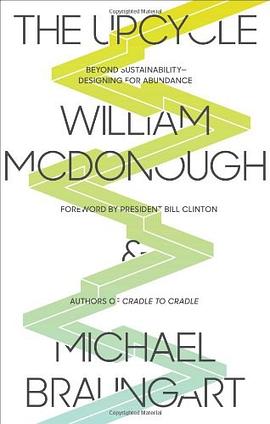
The Upcycle is the eagerly awaited follow-up to Cradle to Cradle, one of the most consequential ecological manifestoes of our time. Now, drawing on the green living lessons gained from 10 years of putting the Cradle to Cradle concept into practice with businesses, governments, and ordinary people, William McDonough and Michael Braungart envision the next step in the solution to our ecological crisis: We don't just use or reuse and recycle resources with greater effectiveness, we actually improve the natural world as we live, create, and build.
For McDonough and Braungart, the questions of resource scarcity and sustainability are questions of design. They are practical-minded visionaries: They envision beneficial designs of products, buildings, and business practices―and they show us these ideas being put to use around the world as everyday objects like chairs, cars, and factories are being reimagined not just to sustain life on the planet but to grow it. It is an eye-opening, inspiring tour of our green future as it unfolds in front of us.
The Upcycle is as ambitious as such classics as Rachel Carson's Silent Spring―but its mission is very different. McDonough and Braungart want to turn on its head our very understanding of the human role on earth: Instead of protecting the planet from human impact, why not redesign our activity to improve the environment? We can have a beneficial, sustainable footprint. Abundance for all. The goal is within our reach.
From Booklist
With their landmark work on designing zero-waste merchandise, Cradle to Cradle (2002), architect McDonough and chemist Braungart launched a revolutionary program that encourages manufacturers to substitute environmentally unfriendly products with those that generate as few toxic footprints as possible. In consulting for corporations as far afield as Ford and Nike, the pair has demonstrated that nonpolluting goods, from carpets to shoes, can win consumers over without sacrificing the bottom line. Now the authors take their sustainability philosophy an inspired step further, arguing that industries can do better than simply trimming down the garbage and instead become “part of the natural cycle of regeneration on the planet.” Drawing on multiple examples from nature’s endless food chain, where one creature’s waste becomes nutrition for others, McDonough and Braungart debunk the notion that ecological measures inevitably steal profits from business and joy from life. The authors’ many reports on industry innovators give readers a peek into a future where mankind might one day stop destroying the environment and, instead, add to its abundance. --Carl Hays
Review
“Asking how a cherry tree would design an energy-efficient building is only one of the creative ‘practices' that McDonough and Braungart spread before their readers. This book will give you renewed hope that, indeed, ‘it is darkest before the dawn.'” ―Carl Pope, executive director of the Sierra Club on Cradle to Cradle
“[McDonough and Braungart are] masters of holistic environmentalism . . . [They] have a knack for combining big ideas with commonsense practicality, which leaves readers feeling excited about the future.” ―Bruce Barcott, Outside Magazine on Cradle to Cradle
作者简介
William McDonough is an American architect and founding principal of William McDonough + Partners. Michael Braungart is a German chemist. Together they cofounded McDonough Braungart Design Chemistry, and in 2002 they coauthored Cradle to Cradle.
目录信息
读后感
用户评价
我拿到这本书时,以为它会是那种干燥的、充满理论的学术著作,结果完全出乎意料——它充满了蓬勃的生命力和旺盛的生命热情。虽然探讨的主题可能涉及深奥的概念,但作者采用了极其接地气、甚至有些粗粝的语言风格来表达,使得那些复杂的思想变得触手可及。它有一种强烈的“动手做”的冲动感,仿佛读完之后,你必须立刻起身,去改造身边的某个角落,去重新审视家中的某个旧物。这本书的逻辑链条非常紧密,虽然表面上看起来跳跃,但实际上每一个看似随意的联想背后,都隐藏着严密的因果关系和深刻的哲学基础。它教会我的最重要一课是,创造力并非凭空产生,它往往栖息于我们对现有事物的重新组合和颠覆之中。这本书的能量是外放的,它像一个强力的磁场,将读者的注意力从屏幕和喧嚣中拉回,聚焦于手中能够感知和改变的实体世界。
评分读完后,一股久违的清爽感充盈心头,感觉就像刚从一场冗长而压抑的梦中醒来,呼吸都变得顺畅了。这本书的结构处理非常大胆,它似乎故意打破了传统的线性叙事框架,将一系列看似不相关的片段、思想火花和观察记录拼贴在一起,形成了一种迷人的、碎片化的整体美感。这种处理方式考验了读者的耐心,但一旦适应了它的节奏,你会发现这种“非连续性”恰恰是其魅力所在——它更贴近真实生活的随机性和偶然性。书中充满了作者个人强烈的视角和毫不掩饰的情感投射,这种真诚是极其打动人的。它没有试图去说教或者强加观点,而是提供了一系列精妙的观察点,邀请读者自行去构建意义。特别是那些关于“创造性破坏”的论述,观点尖锐而独到,让我对我们习以为常的“新旧更迭”产生了深深的怀疑与反思。这本书就像是一把锐利的解剖刀,精准地剖开了当代社会中关于“消耗”和“价值”的伪装,留下的思考余味悠长,让人回味无穷。
评分这本书的文字就像是走进了一座被时间遗忘的古老图书馆,空气中弥漫着陈旧纸张和皮革装订的香气,虽然我手中的是电子版,但那种沉浸感是无与伦比的。作者对细节的捕捉能力简直令人咋舌,书中描绘的那些日常物件,那些被我们习惯性忽略的角落,在他笔下突然焕发出一种近乎神性的光芒。我尤其喜欢其中关于“时间痕迹”的探讨,他不仅仅是在描述一个物品的外观变化,而是在追溯其背后的历史脉络和无数次被触碰、被使用的记忆碎片。阅读过程中,我时常需要停下来,不是因为情节复杂,而是因为那些优美的、近乎诗歌的句子,让我不得不细细品味,感受文字的韵律和它所承载的厚重感。这本书的叙事节奏是缓慢而舒展的,就像一位技艺精湛的制表匠,不急不躁地打磨每一个齿轮,最终呈现出一个精准而又充满哲思的机械装置。它强迫你放慢脚步,去重新审视那些被我们快速划过的事物,这种体验是极其珍贵和令人满足的。它不仅仅是一部作品,更像是一次心灵的漫游,引导我探索物质世界背后更深层次的意义。
评分这本书的行文风格非常具有实验性,它似乎在不断地挑战语言的边界,用词遣句充满了令人耳目一新的冲击力。我必须承认,初读时感到一丝困惑,因为它大量运用了非传统的句法结构和晦涩的意象组合,读起来更像是在解读一幅复杂的超现实主义画作,而不是阅读一本传统意义上的书籍。但坚持下去,那种“穿透迷雾”的豁然开朗感,却是其他作品难以比拟的。作者似乎对美学有着近乎偏执的追求,每一个段落都经过了精心的打磨,字里行间流淌着一种冷峻而又迷人的、后现代主义的疏离感。它不像是在讲述一个故事,而更像是在构建一个概念性的装置艺术,邀请读者走进去,用自己的经验去填补那些留白的、模棱两可的部分。这本书的优点在于它拒绝迎合大众,坚持走自己的路,尽管这使得阅读门槛提高,但对于追求智力挑战和审美深度的读者来说,绝对是一次酣畅淋漓的精神冒险。
评分这本书的叙事核心带着一种令人不安的、却又无比真实的“残缺之美”。它没有提供任何圆满的结局或者简单的解决方案,反而聚焦于那些被社会视为“废弃物”或“失败品”的存在。作者的笔触细腻而富有同情心,却又保持着一种科学家的客观冷静,这种矛盾的结合反而产生了一种强大的张力。我特别留意到他对“物质记忆”的描述,那种仿佛能从触摸中读取历史的超能力,被描绘得极其可信。这种对“不再有用之物”的关注,深刻地触及了我们这个崇尚效率和完美的世界观的底层逻辑。它迫使我们去思考,价值是否真的只与功能性挂钩?那些不再高效运行的系统、不再流行的风格、那些被时间磨损的物件,它们是否拥有另一种形式的、更持久的生命力?阅读体验是持续性的、渐进式的,每次翻开新的一页,都像是在探索一片新发现的废墟,每一块砖石都讲述着被遗忘的辉煌。
评分第一名。比起c2c,这本比较乌托邦。
评分bio material的cover 整页齐刷刷地掉了 差评 我还以为是我室友拿了我的尺子和小刀割下来的呢
评分better have read Cradle to Cradle prior to read this book.
评分第一名。比起c2c,这本比较乌托邦。
评分第一名。比起c2c,这本比较乌托邦。