
具体描述
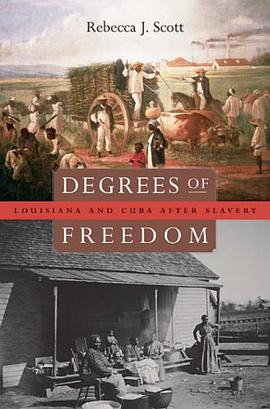
As Louisiana and Cuba emerged from slavery in the late 19th Century, each faced the question of what rights former slaves could claim. Degrees of Freedom compares and contrasts these two societies in which slavery was destroyed by war, and citizenship was redefined through social and political upheaval. Both Louisiana and Cuba were rich in sugar plantations that depended on an enslaved labour force. After abolition, on both sides of the Gulf of Mexico, ordinary people - cane cutters and cigar workers, laundresses and labour organisers - forged alliances to protect and expand the freedoms they had won. But by the beginning of the 20th Century, Louisiana and Cuba diverged sharply in the meanings attributed to race and colour in public life, and in the boundaries placed on citizenship. Louisiana had taken the path of disenfranchisement and state-mandated racial segregation: Cuba had enacted universal manhood suffrage and had seen the emergence of a trans-racial conception of the nation. What might explain these differences? Moving through the cane fields, small farms, and cities of Louisiana and Cuba, Rebecca Scott skilfully observes the people, places, legislation and leadership that shaped how these societies adjusted to the abolition of slavery. The two distinctive worlds also come together, as Cuban exiles take refuge in New Orleans in the 1880s, and black soldiers from Louisiana garrison small towns in eastern Cuba during the 1899 U.S. military occupation. Crafting her narrative from the words and deeds of the actors themselves, Scott brings to life the historical drama of race and citizenship in post-emancipation societies.
作者简介
Gulf South Historical Association Book Award for the best book published on the history and culture of the Gulf South region for the year June 2005-June 2006
2006 Frederick Douglass Book Prize, Gilder Lehrman Center
2006 John Hope Franklin Prize, American Studies Association
2005 Williams Prize in Louisiana History
As Louisiana and Cuba emerged from slavery in the late nineteenth century, each faced the question of what rights former slaves could claim. Degrees of Freedom compares and contrasts these two societies in which slavery was destroyed by war, and citizenship was redefined through social and political upheaval. Both Louisiana and Cuba were rich in sugar plantations that depended on an enslaved labor force. After abolition, on both sides of the Gulf of Mexico, ordinary people--cane cutters and cigar workers, laundresses and labor organizers--forged alliances to protect and expand the freedoms they had won. But by the beginning of the twentieth century, Louisiana and Cuba diverged sharply in the meanings attributed to race and color in public life, and in the boundaries placed on citizenship.
Louisiana had taken the path of disenfranchisement and state-mandated racial segregation; Cuba had enacted universal manhood suffrage and had seen the emergence of a transracial conception of the nation. What might explain these differences?
Moving through the cane fields, small farms, and cities of Louisiana and Cuba, Rebecca Scott skillfully observes the people, places, legislation, and leadership that shaped how these societies adjusted to the abolition of slavery. The two distinctive worlds also come together, as Cuban exiles take refuge in New Orleans in the 1880s, and black soldiers from Louisiana garrison small towns in eastern Cuba during the 1899 U.S. military occupation.
Crafting her narrative from the words and deeds of the actors themselves, Scott brings to life the historical drama of race and citizenship in postemancipation societies
目录信息
读后感
用户评价
从结构主义的角度来看,这本书的内在逻辑简直是令人拍案叫绝的精妙布局。它绝不是一部简单的线性叙事小说,它更像是一座结构复杂的建筑群,每一个章节,甚至每一个段落,都像是承重柱或装饰性的拱门,它们相互支撑,共同构成了宏伟的整体。我尤其欣赏作者如何处理“留白”的艺术。他不会把所有的信息都喂给你,而是留下了大量的空间,邀请读者主动参与到意义的建构过程中去。比如,某个关键人物的动机在书中只被轻描淡写地提及了一两次,但通过前后文的对照、其他人物的侧面反应,你必须自己去填补那个巨大的空白。这种“读者参与性”的叙事策略,极大地提升了阅读的互动性和持久性。读完合上书本后,这本书并没有立即从我的脑海中淡去,反而像一个持续运转的钟表,在后台继续发出嘀嗒声。我经常会在做其他事情的时候,突然闪回某个片段,开始重新审视和推敲作者的意图。这种能够引发读者深度反思和持续讨论的文本,无疑是具有持久生命力的,它超越了单纯的娱乐范畴,达到了某种对人性深刻的探索高度。
评分如果用一个词来概括这次阅读体验,我会选择“熵增的美学”。这本书对混乱、无序和必然的衰败过程的描绘,既残酷又充满了令人着迷的秩序感。作者似乎对物理学中的一些概念有着深厚的理解,并将之巧妙地融入到情节的推进和人物关系的演变中。你会看到一切事物都朝着不可逆转的混乱状态发展,但作者的高明之处在于,他并没有将这种“崩塌”描绘成单纯的悲剧,而是在崩溃的过程中,展现出一种奇异的、高密度的“自由”状态。人物在失去既有结构束缚后所爆发出的创造力和毁灭欲,形成了强烈的张力。这种对系统性瓦解的冷静观察,使得整部作品具有一种宏大的、近乎宇宙尺度的悲剧感。它让你思考,我们毕生努力建立起来的那些规则、界限和秩序,在时间的长河中究竟有多么脆弱。读完之后,我有一种清醒的认识,那就是真正的理解,往往来自于对事物终将走向无序这一基本事实的坦然接受。这是一种非常成熟、非常深刻的文学表达,让人回味无穷。
评分这本书的语言风格简直是一场文字的盛宴,充满了对细节的极致捕捉和对氛围的精准拿捏。我时常会停下来,不是因为情节不够吸引人,而是因为某个特定的词语组合,或者一个绝妙的比喻,让我忍不住要细细品味。作者似乎对语言有着一种近乎偏执的狂热,他从不使用空洞的形容词,而是用一系列精确的动词和富有张力的名词来构建画面。举个例子,他描述一场争吵时,用的不是“他们大声喊叫”,而是“空气被撕裂的声音,像干枯的皮革被猛地扯开”,这种画面感是极强的,几乎能让你感受到那种紧张到极致的声场。更难得的是,他能够在保持语言华丽和富有诗意的同时,丝毫不损害故事的推进效率。很多作家在追求文采时容易陷入自我陶醉,导致情节拖沓,但在这里,每一句优美的文字都像是精心打磨过的工具,服务于构建更宏大、更深刻的主题。读完之后,我有一种强烈的错觉,仿佛我刚刚度过了一段真实的人生旅程,那些被文字描绘出来的场景和人物的命运,已经深深地刻在了我的记忆里,成为了我个人经验的一部分。这种沉浸式的阅读体验,在我近期读过的大部分作品中都是罕见的。
评分这本书最让我震撼的地方,在于它对“边缘人物”的刻画达到了前所未有的深度和同情心。它没有聚焦于那些传统的英雄或反派,而是将聚光灯投向了那些在社会结构中看似微不足道、随时可能被遗忘的角色。作者对这些“局外人”的观察入木三分,他没有用廉价的怜悯来描绘他们的困境,而是展现了他们在极端环境下的韧性、尊严以及那些不为人知的内心世界。我特别喜欢作者对这种社会群体的细致入微的描绘,比如某个小镇上的老邮差,或者一位隐居的图书馆管理员,他们的人生轨迹虽然曲折,却充满了我们日常生活中容易忽视的哲学意味。通过这些角色的视角,作者巧妙地揭示了主流叙事下被压抑的声音和被边缘化的真理。这种叙事上的“去中心化”,使得整部作品的视野变得无比开阔,不再局限于狭隘的个人悲欢,而是扩展到了对整个社会生态系统的反思。阅读这些片段时,我常常感到一种强烈的共鸣——原来,最真实、最本质的人性光辉,往往不在聚光灯下,而在那些被我们匆匆走过的角落里。
评分这本书的封皮设计简直是视觉的享受,那种深沉的蓝色调,配上烫金的字体,拿在手里沉甸甸的,透露出一种不容忽视的厚重感。我本来以为它会是一本晦涩难懂的学术著作,毕竟书名本身就带着一种哲学思辨的味道。然而,一旦翻开扉页,作者行云流水的笔触立刻将我拉入了一个全新的叙事世界。他叙事节奏的把控堪称大师级别,时而如同清晨的薄雾,缓慢而细腻地铺陈背景,让我有足够的时间去感受故事中的情绪张力;时而又像夏日午后的雷阵雨,节奏陡然加快,信息量和情感冲击力瞬间爆发,让人应接不暇,只能沉浸其中,跟随文字的洪流向前推进。特别是他对人物内心独白的刻画,那种深入骨髓的挣扎与彷徨,简直是教科书级别的展现。你感觉自己不是在阅读一个虚构的故事,而是偷窥到了一个个鲜活的灵魂在最真实、最脆弱的时刻。我尤其喜欢作者处理时间线的方式,他并不拘泥于线性的叙事,而是像一位技艺精湛的织工,将过去、现在与未来的碎片巧妙地编织在一起,每一次跳跃都仿佛提供了一个新的观察角度,使得整个故事的肌理变得异常丰富和立体。这种结构上的创新,让原本可能平淡无奇的情节瞬间焕发出迷人的光彩,每一次阅读都像是在解开一个复杂的谜团,充满了智力上的愉悦感。
评分 评分 评分 评分 评分