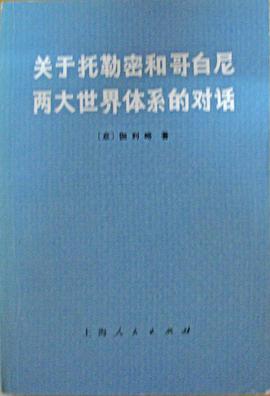
具体描述
Early in the 1920s, the New York Giants sent a scout to watch a young Cuban play for Foster's American Giants, a baseball club in the Negro Leagues. During one at-bat this talented slugger lined a ball so hard that the rightfielder was able to play it off the top of the fence and throw Christobel Torrienti out at first base. The scout liked what he saw, but was disappointed in the player's appearance. "He was a light brown," recalled one of Torrienti's teammates, "and would have gone up to the major leagues, but he had real rough hair." Such was life behind the color line, the unofficial boundary that prevented hundreds of star-quality athletes from playing big-league baseball. When Only the Ball Was White was first published in 1970, Satchel Paige had not yet been inducted into the Hall of Fame and there was a general ignorance even among sports enthusiasts of the rich tradition of the Negro Leagues. Few knew that during the 1930s and '40s outstanding black teams were playing regularly in Yankee Stadium and Brooklyn's Ebbets Field. And names like Cool Papa Bell, Rube Foster, Judy Johnson, Biz Mackey, and Buck Leonard would bring no flash of smiling recognition to the fan's face, even though many of these men could easily have played alongside Ty Cobb, Walter Johnson, Hack Wilson, Lou Gehrig--and shattered their records in the process. Many baseball pundits now believe, for example, that had Josh Gibson played in the major leagues, he would have surpassed Babe Ruth's 714 home runs before Hank Aaron had even hit his first. And the great Dizzy Dean acknowledged that the best pitcher he had ever seen was not Lefty Grove or Carl Hubbell, but rather "old Satchel Paige, that big lanky colored boy." In Only the Ball Was White, Robert Peterson tells the forgotten story of these excluded ballplayers, and gives them the recognition they were so long denied. Reconstructing the old Negro Leagues from contemporary sports publications, accounts of games in the black press, and through interviews with the men who actually played the game, Peterson brings to life the fascinating period that stretched from shortly after the Civil War to the signing of Jackie Robinson in 1947. We watch as the New York Black Yankees and the Philadelphia Crawfords take the field, look on as the East-West All-Star lineups are announced, and listen as the players themselves tell of the struggle and glory that was black baseball. In addition to these vivid accounts, Peterson includes yearly Negro League standings and an all-time register of players and officials, making the book a treasure trove of baseball information and lore. A monumental and poignant book, Only the Ball Was White reminds us that what was often considered the "Golden Age" of baseball was also the era of Jim Crow. It is a book that must be read by anyone hoping not only to understand the story of baseball, but the story of America.
作者简介
目录信息
读后感
用户评价
这本书的叙事结构真是引人入胜,作者的笔触细腻得如同鬼斧神工,将历史的洪流与个体命运的微小波动交织在一起,展现出一种宏大而又亲密的张力。我尤其欣赏作者在场景描绘上的功力,无论是古老集市上泥土与香料混合的气味,还是阴雨连绵的午后,那份湿冷的空气仿佛真的能透过纸页渗透出来。故事的主线围绕着几代人的恩怨情仇展开,人物的塑造极其立体,没有绝对的好人或坏蛋,每个人都在时代的局限下做出挣扎与选择,他们的动机和内心的矛盾冲突被刻画得入木三分,让人在阅读过程中不断地质疑和反思自身的道德准则。小说的高潮部分处理得尤为精彩,情绪的累积如同被压缩的弹簧,在关键时刻猛烈地释放,但作者却又巧妙地留下了那么一丝余韵,让读者沉浸在事件结束后的复杂心境中,久久不能平息。这种处理方式,既满足了故事性带来的阅读快感,又提升了作品的思想深度,绝非一般的通俗小说所能比拟。
评分读完这本书,我感到一种强烈的、几乎是身体上的震撼。它绝不是那种轻松愉快的消遣读物,更像是一次对人性幽暗角落的深度探访。作者似乎毫不留情地撕开了社会光鲜外表下的溃烂,用一种近乎冷酷的写实主义手法,描绘了权力结构下个体的无助与扭曲。我发现自己常常需要停下来,揉揉眼睛,消化一下刚刚读到的那些残酷细节。叙事节奏的把握非常老练,长篇大论的哲学思考和短促、如同刀割般的对话交替出现,使得文本的张力始终维持在一个极高的水准线上。值得一提的是,这本书的语言风格非常独特,时而古朴凝重,充满古典文学的韵味,时而又突然切换到极其现代、充满俚俗感的表达,这种混搭非但没有造成阅读障碍,反而构建出一种独特的时空错位感,暗示着某些核心的人类困境是亘古不变的。它迫使你直面那些你通常会选择回避的、关于背叛、牺牲与救赎的艰难命题。
评分我必须承认,这本书的阅读门槛相当高,它需要读者付出极大的专注力和耐心去梳理其中盘根错节的人物关系和错综复杂的历史背景。它不像许多畅销书那样提供立即可见的满足感,而是更像是一座等待被挖掘的古老遗迹,你每深入一层,挖掘出新的线索和意义,那种满足感就愈发醇厚、持久。作者的知识储备令人敬佩,他对特定时代背景下的社会制度、宗教仪式乃至日常生活细节的考据都极其扎实,这为整个故事提供了坚实的基石,使其具备了近乎纪录片的真实感。但这种学术性的严谨并没有让故事变得枯燥,相反,它为那些充满激情的、近乎悲剧性的爱情和权力斗争提供了强有力的支撑。总的来说,这是一部需要“二刷”的作品,因为第一次阅读,你或许忙于跟上情节的脚步,而第二次,你才能真正开始欣赏作者布局的精妙和文字的密度。
评分这本书的魅力在于它对“时间”的玩弄手法。作者似乎并不满足于线性叙事,而是频繁地进行跨越式的跳跃,从一个世纪的开端瞬间跳到另一个世纪的黄昏,但令人称奇的是,这些跳跃非但没有打乱叙事逻辑,反而以一种近乎音乐对位法的形式,让不同时代的主题和母题相互呼应、产生共鸣。我常常在阅读时感觉自己不是在读一个故事,而是在看一幅层层叠加的油画,每一层颜料都代表着不同的历史时期,它们彼此渗透,共同构成了一个关于“记忆与遗忘”的宏大主题。书中对地理环境的描写也达到了近乎诗意的境界,那种地方的特质,那种被时间磨砺过的土地的性格,仿佛成了角色的延伸,影响着每一个人物的性格走向和最终命运。这是一种非常高明的写作技巧,将背景和人物融为一体,让人难以区分哪个才是真正的叙事主体。
评分很少有小说能像这部作品一样,在探讨“身份认同”这个主题时,达到如此深刻的哲学思辨高度。书中探讨的不仅仅是民族、阶级或性别身份的构建,更深入到个体在面对“虚假自我”与“真实渴望”时的永恒拉扯。角色们为了适应社会对他们的期待,不得不穿上层层伪装,而这些伪装最终也开始吞噬了他们的本真。作者的叙事视角经常在第一人称的内心独白和冷眼旁观的客观叙述之间游走,这种切换带来的疏离感,恰恰加强了对角色内心挣扎的戏剧性表现。我特别喜欢那些看似无关紧要的道具或信物在后文中被赋予的巨大象征意义,它们如同散落在故事迷宫中的面包屑,指引着读者回溯那些被遗忘的、决定性的瞬间。这本书的结局处理得非常大胆,它没有提供一个明确的“答案”或“救赎”,而是将最终的解释权交还给了读者,这使得作品的讨论空间被极大地拓宽了,引发了我与身边朋友间持续不断的争论和重新解读。
评分 评分 评分 评分 评分