
具体描述
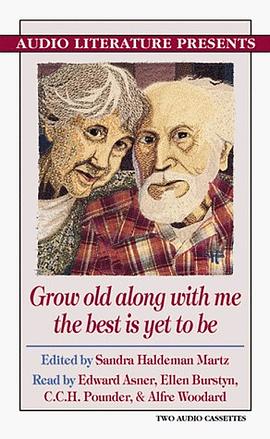
While editing Grow Old Along with Me-The Best Is Yet to Be, I reflected on how this anthology differs from its predecessor, When I Am an Old Woman I Shall Wear Purple. The answer is found, I feel, in both the social changes that have occurred in the last ten years and in the changed perspectives of the writers. Much of the material in When I Am an Old Woman I Shall Wear Purple was written in the early eighties. About half of the writers in the collection were in their mid-forties or younger, women my age. They painted tender word pictures of mothers and grandmothers and older women friends. They, and I, viewed aging earnestly, poignantly, tenderly-and with a certain distance.
Today my generation is firmly entrenched in middle age, marching stalwartly ahead of the baby boomers. Two-thirds of the women writers whose work was selected for Grow Old Along with Me are over fifty; one-third are over sixty. This is our story now: our age spots, our menopause, our arthritic bones.
Our expectations about growing older have shifted dramatically in the last decade, influenced by the prospect of longer life spans, increased awareness of health and fitness, more positive media images of older women, and the changed perceptions of women's roles in a world that grew out of the social movements of the sixties and seventies. We expect to be taken more seriously-by politicians, by the medical community, by our religious leaders, by our families. But we also demand the freedom to take life less seriously-to be unconventional, to flaunt our grey hair and wrinkles, to be age proud. It's an exciting time to be an older woman.
Compiling Grow Old Along with Me also provided the opportunity to look at another perspective on aging: how men feel about growing older. Over the last several years an increasing number of men have attended anthology readings around the country. Their level of interest in the issues discussed and their enthusiasm about participating in this type of emotionally evocative exploration of aging prompted me to broaden the scope to include both men and women.
For most of my editorial life, my work has focused on women writers and women's issues. I wasn't sure what kind of material to expect from male writers. Any assumptions I had, however, were challenged by my commitment to keep an open ear, an open heart.
In the end the differences between what men and women had to say about aging were minor. The men in the stories and poems seemed a little more likely to define themselves through their work, to be more reflective about the mark they felt they had (or had not) made on the world, or to be more anxious about retirement and what they would do with their lives afterward. But these issues also surfaced for some of the women. The women in the stories and poems generally seemed better prepared for their old age, more excited about new beginnings as family structures shifted. Yet there were also men on the brink of new adventures and experiencing new personal insights. Particularly satisfying were the writers who spoke from the other side's point of view-men writing about women and women writing about men-the result, perhaps, of writers who are really caring listeners.
Common threads ran throughout the material: the need to be loved, the importance of family connections, an acceptance of the aging process. There were observable differences when the writings were grouped by age of the characters in the stories. Self-assessment, both physical and psychological, was most likely to emerge in the stories and poems depicting people in their fifties and early sixties. Those in their late sixties and seventies often focused on letting go, retirement, loss of life partners. The very old were especially eloquent when celebrating life's simplicity.
It is hard to find the right words to describe the photographs. Beautiful. Courageous. Tender. Vigorous. Joyful. They stand alone as visual poems. They complement and illuminate the text. The work would not be the same without them.
These writers and photographers leave me challenged and eager to greet the future. I invite you, dear reader, to "Grow old along with me-the best is yet to be." END
作者简介
目录信息
读后感
用户评价
这本书简直是生活的教科书,它没有宏大的叙事,也没有曲折离奇的情节,但它以一种近乎平实的笔触,描绘了人生的日常与哲思,让人读完后仿佛完成了一次深入的自我对话。作者对于人与人之间那种微妙的情感连结有着惊人的洞察力,特别是那些细微的、常常被我们忽略的温情瞬间,被捕捉得淋漓尽致。比如,书中有一段描绘老夫妻在黄昏时分,仅仅依靠一个眼神就能理解对方内心所有波澜的场景,那种默契和依赖,不是靠言语堆砌出来的,而是岁月沉淀的馈赠。我尤其欣赏作者叙事时那种不急不躁的节奏感,它仿佛在邀请读者慢下来,去真正感受时间的流逝和生命的厚度。它不像许多现代文学那样追求强烈的冲击力,而是用一种温柔而坚定的力量,潜移默化地改变着读者的心境。每一次重读,都会有新的感悟,因为它触及的并非是事件本身,而是那些支撑着事件发生的底层人性与情感结构。这本书的价值在于,它提供了一个安宁的港湾,让那些在喧嚣生活中感到疲惫的心灵得以栖息和整理。
评分这本书的语言魅力,在于它拥有一种奇特的“回响效应”。你以为自己读完了一个段落,但几分钟后,书中的某个词汇或某种意境会突然在你的脑海中“叮”的一声响起,仿佛被某种无形的力量激活了。这种文学上的“共振”非常罕见。它在探讨人际关系时,表现得尤为突出。作者似乎对人类社交中的那些潜规则和未说出口的承诺有着近乎预言家的洞察。例如,书中对于“承诺”这个概念的解构,完全颠覆了我以往的理解——它不再是简单的是非对错,而是变成了关于责任、时机和自我牺牲的复杂权衡。阅读时,我常常会不由自主地想,如果我当初在某个关键时刻,能有这样的视角,我的选择会不会有所不同?这本书提供了一种“重写”内在经验的可能性,不是去改变过去,而是用更成熟的视角去审视它,从而获得心灵上的和解。它的文字是富有雕塑感的,每一个句子都像是经过精心打磨,棱角分明却又手感温和。
评分这本书的文字风格,坦白说,初读时会让人略感挑战,因为它拒绝使用那些花哨的辞藻和刻意的煽情,它选择了一种近乎古典的、内敛的表达方式。但坚持读下去,你会发现,这种克制恰恰是它力量的源泉。它像一块经过千锤百炼的玉石,质地温润,光泽内敛。作者对于生活细节的捕捉,细致入微,却又绝不琐碎。他能从一片落叶、一盏未熄的灯火中,提炼出关于存在意义的宏大命题。阅读过程更像是一次对自身经历的复盘和梳理,那些曾经以为早已被遗忘的童年记忆、青春期的迷茫,都会随着文字的引导,重新浮现,并被赋予一种新的理解。这种体验是私密的、强烈的,它迫使你直面自己生命中的“未完成”和“未言明”。这本书的结构处理也十分精妙,它没有采用传统的线性叙事,而是通过一系列碎片化的场景和哲思片段进行拼接,最终形成一幅完整而深刻的生命画卷。它考验着读者的耐心,但也回报以更深层次的共鸣。
评分我向来对那些过度美化生活的作品抱持审慎态度,但这本书却罕见地做到了真实与希望的完美平衡。它毫不避讳地展示了人生中必然会遭遇的失落、遗憾乃至伤痛,那些关于“失去”的描写,真实得让人心痛。然而,作者的厉害之处在于,他从未让悲伤成为故事的终点。他总能在最深的幽暗处,点亮一盏微弱却坚定的光。这种光不是空洞的乐观主义,而是建立在对现实深刻认知基础上的“韧性”和“接纳”。读到关于时间不可逆转性的探讨时,我甚至一度停下来,望着窗外发呆了好久,思考着自己过去的选择与未来的可能。这本书的魅力,在于它能坦然地拥抱人生的两面性——美好与残酷并存。它教会我们,真正的成熟不是消除痛苦,而是带着伤口,依然选择相信和继续前行。对于那些正处于人生十字路口,感到迷茫和无助的读者来说,这本书无疑是一剂强心针,它用最朴素的真理,给予最持久的力量。
评分这是一部需要用心灵去阅读的作品,而不是用眼睛。如果你期待的是那种节奏明快、情节驱动的故事,那么这本书可能会让你感到不耐烦。它的魅力在于其深厚的“存在感”。作者似乎将自己完全融入了文字之中,读起来感觉就像是与一位睿智的长者在壁炉边进行一场不设时间限制的促膝长谈。他讨论的议题非常宏大——从个体在历史长河中的渺小,到爱与遗忘的本质。但奇妙的是,所有的宏大叙事,最终都会落脚到一个非常具体的、可触摸的细节上,比如一杯冒着热气的茶,或者一次轻轻的握手。这种由大入小的过渡,展现了作者高超的叙事驾驭能力。这本书提供给我的,不仅仅是阅读的享受,更是一种生命态度的启发:即如何在一个快速变化的世界里,锚定自己不变的核心价值。它鼓励读者去珍视那些看似微不足道的瞬间,因为,正是那些瞬间构成了我们之所以为“我们”的全部意义。读完后,感觉整个人都沉静了下来,对未来少了一份焦虑,多了一份笃定。
评分 评分 评分 评分 评分