
具体描述
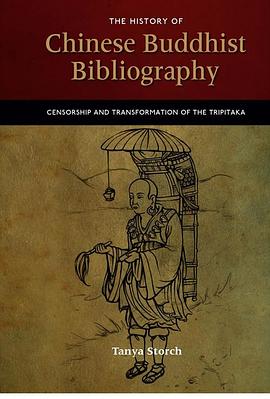
This study is a thorough examination of the entire historical scope of the Chinese Buddhist bibliography, including its historical foundations, textual classifications, criteria of authenticity, and collections made by individual catalogers. The need for such a study is urgent, for although references to and even in-depth studies of individual Buddhist catalogs and the data they contain have been written, there has not been until now an investigation into the entire historical scope of Buddhist bibliography in China. Understanding just what those who organized the canon over the centuries have left out, or preserved, is key to recovering a fuller appreciation for the development of Buddhism in East Asia in all its complexity. The study of individual bibliographers’ positions is equally crucial for the understanding of standards of authenticity and assignment of value to one group of scriptures over others. History of books, libraries, and learning in China would be incomplete without studying the history of Buddhist bibliography. Ultimately, it is necessary to study Buddhist bibliography because it represents the Tripitaka, the largest and most influential collection of sacred scriptures in the world, and because this collection needs to be incorporated into comparative discussions of Scripture and Canon in world history.
This is the first study that covers the entire historical scope of Buddhist bibliography in China in any European language, as well as the only study that provides detailed descriptions of all influential catalogs of the Buddhist canon written in the second through the end of the tenth centuries. It is the first attempt, in both European and Asian languages, to provide a comparative analysis between ideas, and these theological and historiographical principles used in creation of an authoritative canon by Christian and Buddhist scholars.
The History of Chinese Buddhist Bibliography: Censorship and Transformation of the Tripitaka is an important book for Asian studies, history of classifications, textual criticism, history of books, and history of libraries. This book would be appropriate for courses in Chinese Buddhism, Chinese history, and Chinese literature and civilizations. It will also be an excellent supplemental textbook for courses in comparative religious studies and comparative religious scripture.
作者简介
Tanya Storch is an Associate Professor of Religious Studies at the University of the Pacific in California. She taught Asian religions at several universities, including the University of New Mexico, University of Pennsylvania, and University of Florida. She holds a PhD from the University of Pennsylvania and an MA from the University of St. Petersburg, Russia. Dr. Storch’s previous publications include Chinese Scrolls; Religions and Missionaries in the Pacific, 1500–1800; Japan Under Snow; and Mastering the Five Elements. Overall, she has nearly thirty academic and artistic publications in the field of Asian religion and spirituality.
目录信息
Transliterated Sanskrit Names, Titles, and Terms
Foreword by Victor H. Mair
Introduction
Chapter 1: Chinese Catalogs of Traditional (Non-Buddhist) Literature
Chapter 2: The Earliest Chinese Catalogs of Buddhist Literature
Chapter 3: Chinese Ideas about the Authenticity of the Buddhist Canon
Chapter 4: The New Position of Buddhism in China
Chapter 5: The Golden Age of Chinese Buddhism and the Catalogs of the Tang Dynasty
Chapter 6: Buddhist Catalogs and “Translators”
Chapter 7: Notes on the Use of Book Catalogs in Religious And Secular Contexts
Conclusion:
Appendix A: A Table of Chinese Buddhist Scriptural Catalogues
Bibliography
Index
· · · · · · (收起)
读后感
用户评价
读罢全书,我的感受是复杂而又充满敬意的,因为它揭示了看似一成不变的佛教经典背后,隐藏着何等复杂的人为干预与时代选择。这部作品的叙事节奏把握得相当老练,它不像一些枯燥的学术专著那样,将所有信息一股脑倾注给读者,而是巧妙地设置了几个关键的“转折点”,比如某个重要论师的入藏工作,或是某次官方政策对文献整理方向的决定性影响。这些节点的描绘,充满了戏剧性的张力。我特别喜欢作者对于“失落与重构”这一主题的关注。很多珍贵的早期文献是如何从历史视野中逐渐模糊,又是如何通过后世的辑佚和影印得以重见天日的,这些过程被讲述得扣人心弦,仿佛在进行一场跨越千年的考古发掘。这种将文献学与文化抢救史紧密结合的写法,使得原本可能略显晦涩的目录学研究,一下子变得鲜活且具有人文关怀。它让我们意识到,我们今天所依赖的经典,是无数代抄写者、刻板师和校对者心血凝成的奇迹。
评分我发现自己会不自觉地将此书的内容与其他中国思想史或艺术史的著作进行对照阅读,因为它提供了一个独特的“物质基础”视角。例如,当我们谈论宋代理学兴起时,这本书会告诉你,如果没有当时刻版技术的成熟和文献整理的规模化,这些思想的传播速度和广度会大打折扣。它强调了“媒介即信息”的深度含义。作者对那些“次要”或“边缘”文献的关注,尤其值得称赞,因为这些看似不起眼的材料,往往更能反映当时普通僧侣或地方寺院的实际阅读需求与信仰实践。这种对“主流”与“非主流”文献的平等对待,使得对中国佛教文献史的图景得以全面、立体的呈现。这本书的价值在于,它成功地架起了一座桥梁,将冷硬的文献考据与鲜活的文化历史紧密相连,对于任何致力于跨学科研究的学者或资深爱好者而言,都是一份不可多得的宝藏。
评分这本关于中国佛教文献史的著作,着实让我这个对传统文献学和宗教史都抱有浓厚兴趣的读者,体验了一次深度而沉浸的学术漫游。作者在梳理浩如烟海的古籍流变时,展现出的那种旁征博引、抽丝剥茧的功力,令人印象深刻。我尤其欣赏它不仅仅停留在简单的目录学罗列上,而是将文献的增删、流传中的舛误,乃至不同时代对“正藏”标准的认定差异,都置于具体的历史语境中进行细致的剖析。比如,书中对宋代官刻大藏本与地方私刻本之间的文本差异的考证,简直可以算得上是一篇篇精彩的微观史研究。阅读过程中,我时常需要停下来,翻阅其他辅助资料,以跟上作者严谨的逻辑链条,这表明了其内容之扎实,绝非肤浅的概述。对于任何想深入理解汉传佛教思想传播脉络的人来说,这本书无疑是提供了一个极佳的“索引”和“地图”。它没有过度依赖宏大的叙事,而是通过对具体书目、刻本的精确描摹,构建起一个清晰可见的文献生态系统,让人真切感受到佛教经典在中华大地上传播、本土化过程中所经历的曲折与坚持。
评分这本书的语言风格极其内敛而精准,这对于一本严肃的学术著作来说是恰如其分的。作者似乎有一种将复杂概念“降维”的能力,但又不失其原有的学术精度。我发现自己跟随作者的笔触,穿越于唐代的写本时代、宋代的雕版高峰,直至明清的商业化印行,对不同历史阶段的文献生产模式有了全新的认识。例如,书中对不同地区刻书中心的特点对比分析——例如蜀地刻本的粗犷与江浙刻本的精细之间的分野——就非常到位,展现了区域经济和文化水平对文献流传的具体影响。但最让我赞叹的是其对“版本学”的运用,它并非孤立地讨论某个版本的优劣,而是将版本的优劣视为特定社会环境下对“权威性”追求的体现。这种将文献形态与社会权力结构相结合的分析视角,无疑提升了全书的理论高度。它不再仅仅是一本介绍“有什么书”的工具书,而是一部探讨“这些书是如何成为我们所见的样子”的深刻论著。
评分坦白说,初捧此书时,我担心会陷入对专业术语的疲劳轰炸,但出乎意料的是,作者的行文如同一条蜿蜒的河流,时而湍急深入学术核心,时而舒缓开阔,引导读者思考文献背后的文化心理。其中关于不同教派之间对“谁的经典更重要”的争论和妥协,描绘得尤为精彩。这些争论并非停留在教义层面,而是具体体现在藏经目录的编排顺序、哪些文本被收入或被边缘化的现实操作中。这种将权力斗争、宗派竞争与图书编纂行为直接挂钩的洞察力,是本书超越一般文献史叙述的关键所在。它让我明白了,一部佛教大藏经的诞生,从来都不是单纯的学术活动,而是一场复杂的文化政治博弈的结果。这种深入骨髓的批判性审视,让阅读体验充满了智力上的刺激,仿佛自己也参与了那场跨越世纪的文本争夺战。
评分目前英文世界所见的最全面的经录
评分目前英文世界所见的最全面的经录
评分目前英文世界所见的最全面的经录
评分目前英文世界所见的最全面的经录
评分目前英文世界所见的最全面的经录