
具体描述
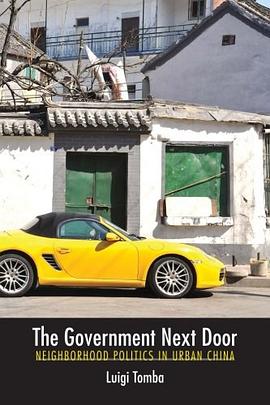
Chinese residential communities are places of intense governing and an arena of active political engagement between state and society. In The Government Next Door, Luigi Tomba investigates how the goals of a government consolidated in a distant authority materialize in citizens' everyday lives. Chinese neighborhoods reveal much about the changing nature of governing practices in the country. Government action is driven by the need to preserve social and political stability, but such priorities must adapt to the progressive privatization of urban residential space and an increasingly complex set of societal forces. Tomba’s vivid ethnographic accounts of neighborhood life and politics in Beijing, Shenyang, and Chengdu depict how such local "translation" of government priorities takes place.
Tomba reveals how different clusters of residential space are governed more or less intensely depending on the residents’ social status; how disgruntled communities with high unemployment are still managed with the pastoral strategies typical of the socialist tradition, while high-income neighbors are allowed greater autonomy in exchange for a greater concern for social order. Conflicts are contained by the gated structures of the neighborhoods to prevent systemic challenges to the government, and middle-class lifestyles have become exemplars of a new, responsible form of citizenship. At times of conflict and in daily interactions, the penetration of the state discourse about social stability becomes clear.
作者简介
Luigi Tomba is a Senior Fellow at the Australian Centre on China in the World, Australian National University. He is the author of Paradoxes of Labour Reform: Chinese Labour Theory and Practice from Socialism to the Market and coeditor of The China Journal.
目录信息
1. Social Clustering: Neighborhoods and the Governing of Social Distinction
2. Micro-Governing the Urban Crisis
3. Housing and Social Engineering
4. Contained Contention: Interests, Places, Community, and the State
5. A Contagious Civilization: Community, Exemplarism, and Suzhi
Conclusion: Arenas of Contention and Accommodation
Notes
Bibliography
Index
· · · · · · (收起)
读后感
The core conception of this book seems to be community consensus: the shared discourses and converging interests of state and non-state actors (definitely including residents). The community consensus is resulting from five governance strategies summari...
评分The core conception of this book seems to be community consensus: the shared discourses and converging interests of state and non-state actors (definitely including residents). The community consensus is resulting from five governance strategies summari...
评分微信版地址:https://mp.weixin.qq.com/s?__biz=MzA5MTM1OTkwNA==&mid=401695652&idx=1&sn=080e4f6d8ff610cc005ef3df77bbb061&scene=1&srcid=0213uZpyER7zdEdpa3m65izE&key=710a5d99946419d945b245dbf24aadcddffb63e483bdd3498b5bd8e9fe89c3afe0220321a39ccee3c7ecfdfea44e8d84...
评分微信版地址:https://mp.weixin.qq.com/s?__biz=MzA5MTM1OTkwNA==&mid=401695652&idx=1&sn=080e4f6d8ff610cc005ef3df77bbb061&scene=1&srcid=0213uZpyER7zdEdpa3m65izE&key=710a5d99946419d945b245dbf24aadcddffb63e483bdd3498b5bd8e9fe89c3afe0220321a39ccee3c7ecfdfea44e8d84...
评分The core conception of this book seems to be community consensus: the shared discourses and converging interests of state and non-state actors (definitely including residents). The community consensus is resulting from five governance strategies summari...
用户评价
这本书的题目《The Government Next Door》让我联想到许多关于权力渗透和日常生活隐患的讨论。我一直在寻找那种能够揭示隐藏在表象之下的社会运行机制的作品,而这个书名似乎就触及了这一点。我好奇作者是如何定义和描绘这个“隔壁的政府”的。它是否是一个实体组织,隐藏在某个我们意想不到的地方?或者它是一种无形的,但却深刻影响着我们生活方式、思维模式的社会力量?我非常期待作者在人物塑造上的表现,特别是主角如何面对这种“近在咫尺”却又充满神秘感的权力。他/她会是一个普通人,还是一个对生活有特殊洞察力的人?他/她的发现过程会是怎样?是偶然的瞥见,还是有意识的调查?更重要的是,当主角意识到这种“政府”的存在后,他/她会做出怎样的反应?是被迫屈服,还是会试图揭露真相?我希望作者能够通过细腻的情感描写和引人入胜的情节,来展现主角内心的挣扎和成长。这种贴近生活,却又包含惊人真相的故事,往往能够带来最深刻的思考。而且,“隔壁”这个词也给了我一种强烈的社区感和熟悉感,我想知道作者是如何将这种熟悉感与权力之间的疏离感结合起来,从而营造出一种独特的氛围。
评分从书名《The Government Next Door》的字面意思推测,这可能是一部探讨权力结构如何潜移默化地渗透到普通人生活中的作品。我一直对那些揭示社会幕后运作的题材很感兴趣,尤其是当这种运作与我们的日常生活紧密相关时。我猜想,这个“隔壁的政府”可能并非我们传统意义上理解的政府机构,而是一种更隐蔽、更具个人化色彩的权力形式。它可能以一种令人不安的亲近感出现在我们身边,影响着我们的选择,甚至重塑我们的认知。我非常期待作者对主角人物的塑造,一个普通人如何在这种“近在咫尺”的权力面前做出反应,是会选择逃避,还是会试图理解甚至反抗?这种内心的挣扎和外部的压力如何交织,将是故事最引人入胜的部分。我喜欢那种层层递进的叙事手法,让读者随着主角的视角,一点点揭开真相的面纱。我希望作者能够通过精妙的情节设计和细腻的人物描写,来构建一个既有现实基础又充满想象力的故事世界。而且,“隔壁”这个词也充满了生活化的气息,这让我好奇作者会如何将这种日常的场景与政治、权力的主题巧妙地结合起来,从而产生出人意料的化学反应。
评分这本书的书名《The Government Next Door》非常吸引我,它点出了一个我一直以来都非常感兴趣的主题——权力如何以一种非传统、非宏大的方式,悄无声息地渗透到我们普通人的日常生活之中。我一直想寻找那种能够揭示隐藏在寻常巷陌下的社会结构和权力运作的书籍,而这个书名似乎就精准地击中了这一点。我非常好奇作者将如何构建这个“隔壁的政府”的形象。它是一个隐藏在社区里的秘密组织,还是某种更抽象的,但却无处不在的社会力量?它对个体的影响方式是怎样的?我特别期待作者在主角塑造上的表现,一个普通人如何面对并理解这种“近在咫尺”却又充满神秘的权力。他/她会是一个被动的受害者,还是一个主动的探寻者?他/她在这个过程中会经历怎样的心理变化和成长?我希望作者能够用精湛的叙事技巧,描绘出主角在权力阴影下的探索与挣扎,以及最终的觉醒或妥协。而且,“隔壁”这个词本身就带有一种强烈的空间亲近感,这让我很好奇作者如何利用这种日常的熟悉感来反衬出权力带来的疏离和压迫,从而创造出一种既真实又充满张力的叙事。
评分我被这本书的题材深深吸引了,那种关于“政府”的描写,如果不是以那种宏大叙事的角度,而是以一种贴近个体生活的方式呈现,那将是非常有意思的。想象一下,我们以为自己生活在一个熟悉的社区,但在这个社区的某个角落,或者以某种我们意想不到的方式,存在着一个影响着我们方方面面的“政府”。这会是一种怎样的存在形式?是某个秘密组织的触角,还是某种社会规则的具象化?我特别想知道,作者是如何处理这种“近在咫尺”的权力感的。这种权力是否是以一种温和但不可抗拒的方式运作?还是以一种更具侵略性的姿态,直接干预了个体的生活?我对主角的心理活动充满了好奇,当他/她逐渐意识到这种“隔壁的政府”的存在时,内心的挣扎、怀疑、恐惧,以及可能的反抗,将会是故事的核心看点。我希望作者能够深入挖掘人性的弱点和韧性,在这样一种充满不确定性的环境下,主角会如何做出选择?是随波逐流,还是尝试挑战?而且,故事的“隔壁”设定,也给我一种强烈的代入感,仿佛这样的事情就可能发生在我们自己的身边,这会增加故事的现实批判意义。我期待作者能够用一种引人入胜的笔触,描绘出这种既熟悉又陌生的权力图景,让读者在阅读过程中不断反思自身所处的社会环境。
评分这本书的封面设计就足够吸引人了,那种介于现实与虚幻之间的神秘感,让人忍不住想一探究竟。我一直对那种发生在普通人身上的非凡故事很感兴趣,而《The Government Next Door》似乎就捕捉到了这种精髓。从书名来看,它暗示着一种近距离的、渗透式的权力,一种我们或许从未真正意识到却又时刻影响着我们生活的东西。我很好奇作者会如何描绘这种“隔壁的政府”——它可能是一种具象化的存在,比如一个隐藏在普通社区里的秘密机构,也可能是某种抽象的力量,一种无形却强大的社会结构。我特别期待作者对人物塑造的功力,主角是否会是一个普通到不能再普通的人,然后被卷入一场宏大的事件中?他/她的反应会是如何的?是在恐惧中被动接受,还是在探索中逐渐觉醒?这种反差往往能产生最深刻的共鸣。而且,故事的设定在“隔壁”,这个词本身就带有一种亲近又疏离的意味,我好奇这种空间上的接近如何转化成权力上的距离。这种距离是压迫性的,还是带有某种讽刺的意味?我猜想,作者可能会通过细腻的观察来揭示日常生活中的不寻常之处,让读者在阅读过程中不断产生“原来是这样”的顿悟。这种层层剥茧的叙事方式,往往能带来极大的阅读快感。我个人很喜欢那种故事的开端很平淡,但随着情节的发展,逐渐揭露出一个庞大而复杂的真相的模式。希望《The Government Next Door》能够提供这样一次令人难忘的阅读体验。
评分我一直对那种将宏大叙事融入微观个体命运的作品情有独钟,而《The Government Next Door》的标题就激起了我的这种期待。它暗示了一种权力机构的“近在咫尺”,一种我们可能习以为常却又从未真正理解其运作模式的存在。我好奇作者将如何描绘这个“隔壁的政府”——它是一种有形的组织,还是某种无形的社会规则的体现?它的存在形式是怎样的,又如何影响着普通人的生活?我特别关注作者在人物塑造上的功力,主角作为一个普通人,如何在意识到这种“政府”的存在后,展现出怎样的心理变化和行动选择?是会被巨大的压力所压垮,还是会在困惑与抗争中找到自己的力量?我希望作者能通过精炼的笔触,勾勒出主角内心的细腻波动,以及他在面对未知权力时的成长轨迹。而且,“隔壁”这个词本身就带有一种强烈的社区感和亲近感,我很好奇作者如何利用这种熟悉的环境来反衬出权力的疏离和渗透,从而营造出一种既真实又令人不安的阅读体验。我期待这本书能够提供一个独特的视角,去审视我们生活中的那些不被注意却又至关重要的权力运作。
评分我被《The Government Next Door》这个书名所吸引,它唤起了一种对权力运作方式的全新思考。我一直对那些能够揭示社会隐秘层面,探讨个体与权力之间关系的著作很感兴趣。这个“隔壁的政府”听起来就充满了一种令人不安的亲近感,仿佛权力并非遥不可及,而是就隐藏在我们身边,以一种我们可能忽视或误解的方式存在着。我非常好奇作者将如何描绘这个“政府”的形象和运作模式。它是一个具象化的组织,还是某种无形的社会规则或力量的象征?它如何影响着我们日常生活的方方面面,又如何潜移默化地塑造着我们的行为和思想?我对主角的人物设定和命运走向充满期待。一个普通人在面对这样一种“近在咫尺”却又充满神秘的权力时,会经历怎样的心理历程?他/她会是主动去探寻真相,还是被动卷入事件的漩涡?我希望作者能够通过细腻的情感描绘和引人入胜的情节设计,展现出主角在权力阴影下的挣扎、觉醒与成长。而且,“隔壁”这个词本身就带有一种强烈的社区感和生活气息,这让我好奇作者如何巧妙地将这种日常的熟悉感与权力带来的疏离和压迫感相结合,从而营造出一种既真实又令人心悸的阅读体验。
评分从书名《The Government Next Door》来看,这似乎是一部关于权力如何以一种意想不到的、非常规的方式渗透到我们日常生活中的故事。我一直以来都对那些揭示隐藏在普通事物背后的复杂机制的作品抱有浓厚的兴趣,而这个书名恰恰触及了我内心深处的这种好奇。我迫切想知道,作者是如何定义和描绘这个“隔壁的政府”的。它是否是一个实体存在的组织,隐藏在我们生活的社区之中?或者它是一种更加抽象的,但却深刻影响着我们行为和思维的社会力量?我对主角的塑造充满期待,尤其是当他/她逐渐意识到这种“政府”的存在后,会经历怎样的心理转变和情感波动。这种发现过程会是怎样?是突然的惊醒,还是循序渐进的探寻?主角将如何应对这种突如其来的权力压迫,是选择沉默,还是会寻求某种形式的反抗?我希望作者能够用细腻的笔触,描绘出主角内心的挣扎和成长,展现出人性在面对未知和压迫时的复杂性。而且,“隔壁”这个词本身就带有一种强烈的地域性和亲近感,这让我很好奇作者如何将这种日常的熟悉感与权力的神秘和疏离感巧妙地结合起来,从而营造出一种独特而引人入胜的叙事氛围。
评分《The Government Next Door》这个书名瞬间就攫住了我的注意力,它暗示了一种权力存在的视角,这种视角不是来自高高在上的官方宣告,而是来自我们触手可及的,甚至是令人不安的“隔壁”。我一直对那些深入探讨社会结构如何影响个人命运的作品抱有浓厚兴趣,而这个书名恰恰触及了这一点——权力不再是遥远的口号,而是可以近距离感受到的存在。我非常好奇作者将如何定义和呈现这个“隔壁的政府”。它是一个拥有实体形态的组织,还是某种更具象化的社会规则或思想的体现?它的存在方式是怎样的,又如何以一种我们意想不到的方式,在潜移默化中影响着我们的生活?我尤其期待作者在主角塑造上的功力。一个普通人,在意识到这种“近在咫尺”的权力后,会经历怎样的内心挣扎和思想转变?他/她会选择被动接受,还是会试图去理解、去挑战?我希望作者能通过细腻的情感描绘和引人入胜的情节,展现出主角在权力阴影下的探索、成长与抉择。而且,“隔壁”这个词本身就带有一种强烈的社区感和生活化气息,这让我好奇作者如何将这种熟悉的环境与权力带来的疏离感和压迫感进行巧妙的结合,从而营造出一种既真实又令人心悸的阅读体验。
评分《The Government Next Door》这个书名给我一种强烈的预感,这会是一部深刻探讨权力如何在我们最熟悉的环境中运作的作品。我一直着迷于那些能够揭示隐藏在日常生活表象之下复杂社会运作的书籍,而这个标题似乎就精准地捕捉到了这一点。我非常好奇作者将如何定义和描绘这个“隔壁的政府”。它是一个实体存在的组织,隐藏在我们看似平静的社区中?还是某种我们未能察觉,却深刻影响着我们决策和行为的无形力量?我最期待的是作者在人物塑造方面的表现,尤其是主角,一个普通人,在意识到这种“政府”的存在后,他/她内心的波动与挣扎。他/她会如何应对这种突如其来的认知冲击?是选择沉默与服从,还是会试图理解并反抗?我希望作者能通过细致入微的笔触,描绘出主角在面对未知权力时的成长与蜕变。而且,“隔壁”这个词本身就带有强烈的社区感和亲近感,这让我很好奇作者如何巧妙地将这种熟悉的环境与权力带来的疏离感和压迫感进行对比,从而营造出一种独特而引人深思的阅读氛围。
评分作者试图证明国家在社区治理中的两种治理术。在下岗工人社区,通过强化居委会、街道办,国家既提供福利又监视社会。在城市小区,国家以住房改革吸引中产,同时以"社区自治“和”“素质”的话语(discourse)鼓励对其他社会阶层的拒斥,以此维系城市空间分隔和社会稳定。前一半Read已写得很详细;后一半视角虽新但可靠性存疑。诚然,社会控制不都是通过压制性(repressive)手段实现的。但仅凭政府和中产在话语上的重叠(convergence),就认定两者之间存在"共识"(consensus,本书语境中或可理解为“合谋”),一切都是计划的一部分,脑补太多。说远一点,中国研究应该“求同”而非“求异”。比如,先看segregation和gentrification的普遍经验,再看中国是否特别、为何特别。
评分理论野心大,对城市新兴“中产阶级”的政治行动力的判断也挺到位的。但相比起来田野材料就太碎太单薄了,撑不起来那些论点。
评分总感觉书中的分析框架更适用于台北这样的城市:数之不尽的抗争议题,没完没了的抗争行动,以及无微不至密切关心的政府。
评分这本书给我涨了很多房产方面的知识 作者所指出的这种基于“共识”的治理模式确实是存在的 但只用这一条思路来解释基层治理未免有点以偏概全 似乎还有很多反抗、矛盾和别的渠道没有涉及 仿佛政府一顿操作猛如虎 大家各归其位乖乖听话打造和谐社会 有点太往福柯的规训社会那一套上靠了 虽然我是福柯的粉丝 但从我的感觉上来看。。中国人好像没那么好管
评分理论野心大,对城市新兴“中产阶级”的政治行动力的判断也挺到位的。但相比起来田野材料就太碎太单薄了,撑不起来那些论点。