
具体描述
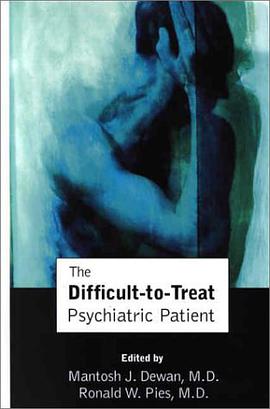
Why do some psychiatric patients fail to get better, even when in the care of competent clinicians? Treatment-refractory conditions are all too common in everyday clinical practice. Treatment resistance occurs across the full spectrum of psychiatric disorders, incurring enormous emotional, economic, and social costs. In the United States, treatment of depression alone costs more than $40 billion annually, and as many as 40% of patients with depression have a treatment-refractory form of the illness. This groundbreaking clinical guide starts where standard textbooks end, focusing on clinical strategies to be used after all basic treatment options, such as medication and psychotherapy, have failed. In this book expert contributors address the sequential clinical steps in treating difficult-to-treat psychiatric patients by offering a blend of evidence-based clinical recommendations, detailed case vignettes, treatment algorithms, andAwhen necessary to go beyond the reach of evidenceAthe clinical wisdom of leaders in the field. The chapters in this user-friendly, practical guide are organized by major disorder. Each chapter offers concrete recommendations on what to do when the usual first steps in therapy are ineffective, including evidence for biopsychosocial treatments alone versus in combination, generic versus specific therapies, and literature reviews and the latest expert wisdom. A sampling includes -The management of the complex and often refractory bipolar disorder, which involves replacing or combining lithium treatment with anticonvulsants or atypical antipsychotic agents with adjuncts such as benzodiazepines, thyroid hormone, and electroconvulsive therapy, but alsoAabove allAwith careful attention to the therapeutic alliance. -The importance of combined therapeutic modalities for patients with schizophreniaAespecially given managed careAs cost-cutting strategies, which deprive many schizophrenic patients of effective treatment modalities such as family therapy or early use of an atypical antipsychotic. -Combination treatments for anxiety, with medications adjusted over time as symptoms wax and wane, and early and appropriate interventions to mitigate internal and external environmental stressors. -The emphasis on common sense, optimism, a sense of humor, and an iron constitution as the most important tools for clinicians wishing to work with the most severely ill patients with borderline personality disorder. -The importance of individual differences in biological vulnerability, emotionality and expressiveness, cognitive schemas and beliefs, prior traumatic experience, resilience, and coping strategies for successful treatment of posttraumatic stress disorder. Packed with up-to-date information of immediate relevance, this volume will prove invaluable in both classroom and clinical practice, for everyone from beginning interns and residents to experienced psychiatric and medical practitioners and social workers.
作者简介
目录信息
读后感
用户评价
我必须承认,这本书的叙事节奏和专业深度,初读之下可能会让一些非专业人士感到有些吃力,它没有采用那种迎合大众的、充满戏剧化的个案故事集的形式。相反,它更像是一部深入的临床研究手稿与深刻的哲学探讨的混合体。作者在讨论某些罕见且高度复杂的综合征时,对现有文献的梳理和批判性评估达到了很高的水准,引用了大量前沿但又不易获取的研究资料。我特别关注了其中关于“治疗联盟的崩溃与重建”这一章节,作者对临床师自身的局限性、挫败感以及应对“替代性创伤”的讨论,坦率得令人敬佩。这不仅仅是一本关于病人的书,更是一部关于治疗师如何在面对巨大挑战时保持专业韧性的指南。它没有提供廉价的“万灵药”,而是倡导一种谦逊、持续学习和高度个体化的治疗哲学。这本书的价值在于,它清晰地界定了“难治”的范畴,并指出我们对“容易治疗”的期望,常常是一种对复杂性的逃避。
评分阅读过程中,我惊喜地发现,本书并非仅仅停留在描述“难治”的表象,它更深入地挖掘了那些可能导致治疗受阻的深层因素。我尤其欣赏作者在处理“依恋关系”和“创伤历史”时所展现出的细致入微的笔触。在精神病学领域,我们常常强调生物学基础,但这本书巧妙地将神经科学的发现与患者漫长而曲折的生命故事编织在一起,形成了一个更立体的理解框架。例如,它对慢性精神分裂症患者的社会功能衰退过程的描述,不仅仅归咎于症状本身,而是深入剖析了社会排斥、技能退化以及家庭系统动力学如何共同作用,将他们推向了“难治”的深渊。这种多层次的分析视角,极大地拓宽了我对临床干预可能性的想象。它提供了一系列虽然不保证立竿见影,但却充满人文关怀的策略——比如,如何在高风险环境中重建信任,如何通过微小的、持续的互动来对抗长期的无望感。这本书读起来并不轻松,因为它要求读者直面那些最令人沮丧的临床困境,但它的坦诚和深度绝对值得投入的时间。
评分这本书的独特之处在于其对“治疗的耐心”的重新定义。在当今追求快速见效的医疗体系中,我们很容易将那些需要数年甚至数十年持续支持的患者视为失败的案例。然而,本书通过一系列极其详尽的、跨越数十年病程的纵向案例分析,展示了“微小进步”的累积效应。那些看似停滞不前的阶段,在更宏观的时间尺度下,其实是脆弱的平衡和反复的适应过程。我特别欣赏作者在描述药物治疗局限性时所持的平衡态度——它既不盲目崇拜药理学,也不完全否定药物的作用,而是着重于如何将药物视为一个更大型、更复杂的心理社会干预工具箱中的一个部件。阅读这些案例,我深刻体会到,面对这些患者,我们的角色更像是一个持久的陪伴者和环境的协调者,而不是一个快速修复缺陷的工程师。这种视角的转变,对于任何试图长期投入于精神健康领域的人来说,都是至关重要的精神洗礼。
评分从装帧和排版上看,这本书的学术气息浓厚,内容组织严密,逻辑链条清晰,但也正因为如此,它对读者的认知负荷提出了较高的要求。不过,这种严谨性恰恰是其力量所在。我最感兴趣的部分是关于“慢性化”现象的讨论。作者将一些患者的“难治”状态,置于更广阔的社会结构性压力之下进行考察,探讨了贫困、住房不稳定、系统性歧视如何内化为内在的病理学表现,使得单纯的生物学干预显得苍白无力。这本书成功地将个体化的临床实践,提升到了公共卫生政策和伦理学的层面进行拷问。它迫使我们去思考,当我们把一个人贴上“难治”的标签时,我们是否也正在同时谴责我们自己所处的医疗和支持系统的不足?总体而言,这本书提供了一个复杂、多维且极富挑战性的视角,它不是一本轻松的读物,但绝对是一本能真正改变你看待那些最深陷困境的患者的“奠基石”式的著作。
评分这本关于那些“顽固”精神疾病患者的书,从我翻开扉页的那一刻起,就给我带来了极大的触动。我一直觉得,在主流的心理治疗和药物治疗范式下,总有一群人像是被遗漏的角落,他们的症状复杂交织,对标准疗法反应平平,让人常常陷入一种无助的境地。作者似乎深谙这种临床上的“灰色地带”,没有试图用过于简化的模型去套用这些复杂的案例。相反,他/她采取了一种非常细致入微的观察角度,仿佛是在引导我们去理解,在那些看似“无效”的治疗背后,究竟隐藏着多少我们尚未触及的生物学、社会学以及个体生命经验的复杂纠葛。书中对不同诊断边界模糊的病例分析,尤其令人印象深刻,它挑战了我们对“诊断标签”的僵化认知,提醒我们,疾病本身是一种动态的过程,而非一成不变的刻板画像。特别是关于那些长期住院、多重共病患者群体的叙述,那种沉重的现实感扑面而来,让人深思,我们给予这些最脆弱的群体的支持,是否真的足够人性化和全面。这本书更像是一场深刻的反思之旅,迫使临床工作者(乃至所有关心这个议题的人)重新审视“成功治疗”的定义。
评分 评分 评分 评分 评分