
具体描述
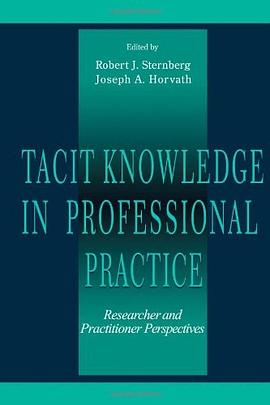
Those responsible for professional development in public and private-sector organizations have long had to deal with an uncomfortable reality. Billions of dollars are spent on formal education and training directed toward the development of job incumbents, yet the recipients of this training spend all but a fraction of their working life outside the training room--in meetings, on the shop floor, on the road, or in their offices. Faced with the need to promote "continuous learning" in a cost-effective manner, trainers, consultants, and educators have sought to develop ways to enrich the instructional and developmental potential of job assignments--to understand and facilitate the "lessons of experience." Not surprisingly, social and behavioral scientists have weighed in on the subject of on-the-job learning, and one message of their research is quite clear. This message is that much of the knowledge people use to succeed on the job is acquired implicitly--without intention to learn or awareness of having learned. The common language of the workplace reflects an awareness of this fact as people speak of learning "by doing" or "by osmosis" and of professional "instinct" or "intuition." Psychologists, more careful if not clearer in their choice of words, refer to learning without intention or awareness as "implicit learning" and refer to the knowledge that results from this learning as "tacit knowledge." Tacit Knowledge in Professional Practice explores implicit learning and tacit knowledge as they manifest themselves in the practice of six knowledge-intensive professions, and considers the implications of a tacit-knowledge approach for increasing the instructional and developmental impact of work experiences. This volume brings together distinguished practitioners and researchers in each of the six disciplines to discuss their own research and/or professional experience and to engage each other's views. It addresses professional practice in its totality -- from the technical to the interpersonal to the crassly commercial -- not simply a few aspects of practice that lend themselves to controlled study. Finally, this edited volume seeks to go beyond the enumeration of critical experiences to an understanding of the psychological mechanisms that underlie learning from experience in professional disciplines and, in so doing, to lay a foundation for innovations in professional education and training.
作者简介
目录信息
读后感
用户评价
从一个实践者的角度来看,这本书的价值在于它提供了一套识别和培养隐性技能的“侦查工具”。在很多高速发展的领域,工具和技术日新月异,但真正拉开差距的,往往是那些非标准化的、在压力下瞬间做出的判断。这本书精准地捕捉到了这种“瞬间决策美学”。作者没有提供任何“操作手册”,因为她深知隐性知识的个体性和情境依赖性,这是这本书最令人信服的地方。它没有给出“你应该做什么”,而是反复叩问“你是如何做到的?” 这种对“如何”的深入挖掘,促使我开始在日常工作中记录那些原本被视为理所当然的成功或失败瞬间,试图剥离出那些潜藏的认知捷径。比如,书中关于“专家直觉”的分析,让我明白了直觉并非神秘力量,而是经过海量数据和经验筛选后,大脑自动匹配的优化路径。这种去神秘化的过程,极大地增强了我对自身专业成长的信心和方向感,让人敢于相信自己的积累,并更有意识地去积累那些真正有价值的东西。
评分这本书的叙事节奏非常富有张力,它成功地将枯燥的知识论探讨,转化为一场引人入胜的探索之旅。作者的文字功底极佳,她善于运用对比和反讽的手法来凸显主题的重要性。我特别欣赏作者对“公开知识”与“秘密知识”边界的探讨,很多时候,我们以为我们已经完全掌握了某项技能,但这本书展示了那些真正的高手是如何巧妙地隐藏和运用那些无法被轻易模仿的“独门秘籍”。它有一种奇妙的魔力,让你在阅读的过程中,会不自觉地将书中的情境投射到自己的工作环境中,进行一场无声的自我辩论。这种即时反馈机制,是很多干巴巴的教科书所不具备的。它不是提供答案,而是提供了一种更具批判性的提问方式。读完之后,我不再轻易相信那些声称能“百分百量化”专业能力的工具,转而更加珍视那些需要时间、耐心和真诚交流才能培养出来的深度合作关系。这本书,更像是为你配备了一副能看透事物表象的透镜。
评分我不得不说,初读这本书时,我差点以为自己拿起了一本哲学思辨录,它的切入点非常新颖,避开了传统管理学书籍中对流程优化和知识管理的陈词滥调。作者似乎对知识的“幽暗地带”抱有极大的热情,不断挑战着我们对于“什么是知识”的固有认知。书中引用的那些关于学徒制、导师制的社会学和人类学视角,为理解专业传承提供了全新的框架。我特别喜欢其中关于“身体记忆”(Embodied Knowledge)的论述,它解释了为什么有些技能的习得,即便通过最详尽的文本说明,也无法真正掌握,必须亲身涉入情境之中。这本书的语言风格有些许的古典韵味,措辞考究,需要读者慢下来细细品味,它更像是一次智力上的漫步,而不是一场信息搜集的冲刺。这使得阅读过程本身就成为一种反思性的实践。当然,对于追求快速解决方案的读者来说,这本书可能会显得有些“慢热”,但如果你愿意投入时间去追随作者的思辨轨迹,你会发现它为你打开了一扇通往更高阶专业认知的门。
评分坦白讲,这本书的理论深度令人印象深刻,但同时,它的学术性也带来了一定的阅读门槛。书中涉及了大量的现象学、解释学等哲学流派的概念,使得部分章节的论证显得异常密集和抽象。这对于我这种更偏向于应用层面的读者来说,偶尔会需要反复阅读才能完全消化其论点。尽管如此,一旦跨过这些理论障碍,所获得的洞见却是极其深刻的。作者在对比不同文化背景下的知识传承模式时,展现了惊人的跨学科视野。例如,将日本的匠人精神与西方工程学的知识管理进行类比,极大地拓宽了我们对“知识转移”可能性的理解边界。它迫使我们思考,当我们将一个复杂的实践过程拆解成一个个步骤时,我们到底丢失了什么至关重要的东西?这本书的价值不在于解决某个具体问题,而在于重塑我们看待专业实践的整体图景,它更像是一次对心智模式的深度重构训练,适合那些渴望进行“范式转移”的资深专业人士。
评分这本书的书名是《Tacit Knowledge in Professional Practice》,下面是五段读者视角下的图书评价: 这本书的结构清晰,逻辑严谨,仿佛一位经验丰富的老手在娓娓道来。我尤其欣赏作者在探讨专业实践中那些“心照不宣”的知识时,所采用的细腻观察和深入剖析。它不是那种堆砌理论的学术著作,而是充满了对真实工作场景的深刻洞察。书中对不同行业案例的引用非常恰当,让我能立刻联想到自己职业生涯中遇到的那些“只可意会,难以言传”的时刻。比如,关于一个资深律师如何仅凭直觉判断庭审走向,或者一位外科医生在手术中对患者细微反应的瞬间捕捉,这些描述都极其生动,让人感同身受。作者并没有试图将这些知识简单地“编码”成可复制的流程,而是巧妙地引导读者去反思知识的本质——那些根植于经验、难以量化的智慧。读完后,我感觉自己对“专业精神”有了更深层次的理解,不再仅仅关注书本上的规章制度,而是开始重视那些在实践中沉淀下来的、真正起作用的“内功”。对于任何希望提升自身专业深度,超越基础技能的职场人士来说,这本书都是一本不可多得的指路明灯,它激发了我对自己过往经验进行系统性梳理的渴望。
评分 评分 评分 评分 评分