
具体描述
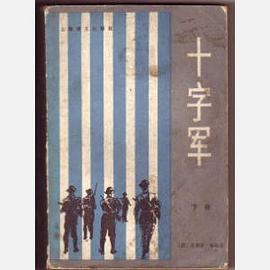
讲述一队美军宣传单位1944至1945年于法、德作战的经历。
本书并不像一般二战小说那样黑白分明的贴上好yankee坏jerry的标签,对战争中个人的心态做了很多描写,创造了大量个性鲜明的人物,是一本不容错过的二战小说佳作。
作者简介
Early life
Helmut Flieg, born to a Jewish merchant family in Chemnitz, was an antifascist from an early age. In 1931 he was, at the instigation of local Nazis, expelled from the Gymnasium in his home town because of an anti-military poem. He completed school in Berlin, and began a degree in media studies there. After the 1933 Reichstag fire he fled to Czechoslovakia, where he took the name Stefan Heym. In Czechoslovakia, the only remaining democracy in Central Europe at that time, he worked for German newspapers published in Prague such as Prager Tagblatt and Deutsche Zeitung Bohemia and also managed to have some of his articles published in translation by Czech newspapers. During this time he signed his articles under several pseudonyms, Melchior Douglas, Gregor Holm and Stefan Heym.[1]
[edit] United States
In 1935 he received a grant from a Jewish student association, and went to the United States to continue his degree at the University of Chicago, which he completed in 1936 with a dissertation on Heinrich Heine. Between 1937 and 1939 he was based in New York as Editor-in-Chief of the German-language weekly Deutsches Volksecho, which was close to the Communist Party of the USA. After the newspaper ceased publication in November 1939, Heym worked as a freelance author in English, and achieved a bestseller with his first novel, Hostages (1942).
From 1943 Heym, now an American citizen, contributed to the World War II war effort. As member of the Ritchie Boys, a unit for psychological warfare under the command of émigré Hans Habe, he experienced the 1944 Normandy landings. His work consisted of composing texts designed to influence Wehrmacht soldiers, to be disseminated by leaflet, radio and loudspeaker. These experiences formed the background for a later novel, The Crusaders, and were the basis for Reden an den Feind (Speeches to the Enemy), a collection of those texts. After the war Heym led the Ruhrzeitung in Essen, and then became editor in Munich of the Neue Zeitung, one of the most important newspapers of the American occupying forces. Because of his pro-Soviet inclinations Heym was transferred back to the US towards the end of 1945 and was discharged because of "procommunistic" mindset.
In the following years he worked as a freelance author once again. In 1952 he gave all his American military commendations back in protest of the Korean War and moving first to Prague, and in the following year to the German Democratic Republic (GDR, "East Germany").
[edit] GDR
In the GDR Heym initially received privileged treatment as a returning antifascist emigre. He lived with his wife in a state-provided villa in Berlin-Grünau. Between 1953 and 1956 he worked at the Berliner Zeitung, thereafter primarily as a freelance author. In the early years of his life in the GDR Heym supported the regime with socialist novels and other works. Heym's works, which he continued to write in English, were published by a publishing house founded for him, named Seven Seas Publishers, and in German translation were printed in large numbers.
Conflicts with the GDR authorities became apparent from 1956 on, as despite the destalinisation of the leadership the publication of Heym's book on the 17 June 1953 uprising, Five Days in June, was rejected. Tensions increased after 1965, when Erich Honecker attacked Heym during an SED party conference. In 1969 Heym was convicted of breaching the exchange control regulations after publishing his novel Lassalle in West Germany. He was nonetheless able to leave the GDR on foreign trips, such his two-month visit to the US in 1978, and his books continued to appear, albeit in lower print runs, in the GDR.
In 1976 Heym was among those GDR authors who signed the petition protesting the exile of Wolf Biermann. From this point on Heym could only publish his works in the West, and he began composing works in German. In 1979 he was again convicted of breaching exchange controls and excluded from the GDR Authors Association. Heym expressed support for German reunification as early as 1982, and during the 1980s supported the civil rights movement in the GDR, contributing a number of speeches to the East Berlin demonstrations in autumn 1989.
Stefan Heym's grave
[edit] After reunification
In the years after reunification Heym was critical of what he saw as the discrimination against East Germans in their integration into the Federal Republic, and argued for a socialist alternative to the capitalism of the reunited Germany. At the federal elections in 1994 Heym stood as an independent on the Open List of the then Party of Democratic Socialism, and won direct election to the Bundestag from the seat of Berlin-Mitte/Prenzlauer-Berg. As chairman by seniority he held the opening speech of the new Parliament in November 1994, but resigned in October 1995 in protest against a planned constitutional amendment raising MPs' expense allowances. In 1997 he was among the signers of the "Erfurt Declaration", demanding a red-green alliance (between SPD and Greens) to form a minority government supported by the PDS after the 1998 federal elections. He died suddenly of heart failure in Ein Bokek in Israel whilst attending a Heinrich Heine Conference.
Heym was honoured with honorary doctorates from the University of Bern (1990) and University of Cambridge (1991), and honorary citizenship of Chemnitz, his birthplace (2001). He was also awarded the Jerusalem Prize (1993) for literature 'for the freedom of the individual in society', and the peace medal of the IPPNW. Previously he had won the Heinrich-Mann-Prize (1953), and the National Prize of the GDR, 2nd class (1959).
He was buried in the Weißensee Cemetery.
目录信息
读后感
作品以十字军为标题,显然影射着些什么?事实上在历史上十字军也只是在少数心目中有正面形象,绝大多数人会认为十字军只是打着宗教旗号的利欲熏心者,为了名为了钱为了利而去光明正大的屠杀。作者是不是暗示着二战时的美军也有着这样的想法和理念呢! 看到法利虚将军和韦洛拜等...
评分作品以十字军为标题,显然影射着些什么?事实上在历史上十字军也只是在少数心目中有正面形象,绝大多数人会认为十字军只是打着宗教旗号的利欲熏心者,为了名为了钱为了利而去光明正大的屠杀。作者是不是暗示着二战时的美军也有着这样的想法和理念呢! 看到法利虚将军和韦洛拜等...
评分作品以十字军为标题,显然影射着些什么?事实上在历史上十字军也只是在少数心目中有正面形象,绝大多数人会认为十字军只是打着宗教旗号的利欲熏心者,为了名为了钱为了利而去光明正大的屠杀。作者是不是暗示着二战时的美军也有着这样的想法和理念呢! 看到法利虚将军和韦洛拜等...
评分作品以十字军为标题,显然影射着些什么?事实上在历史上十字军也只是在少数心目中有正面形象,绝大多数人会认为十字军只是打着宗教旗号的利欲熏心者,为了名为了钱为了利而去光明正大的屠杀。作者是不是暗示着二战时的美军也有着这样的想法和理念呢! 看到法利虚将军和韦洛拜等...
评分作品以十字军为标题,显然影射着些什么?事实上在历史上十字军也只是在少数心目中有正面形象,绝大多数人会认为十字军只是打着宗教旗号的利欲熏心者,为了名为了钱为了利而去光明正大的屠杀。作者是不是暗示着二战时的美军也有着这样的想法和理念呢! 看到法利虚将军和韦洛拜等...
用户评价
这本《静默的群山》简直是一部关于时间本身的史诗。作者以一种近乎冥想的笔触,描绘了一个与世隔绝的偏远山村,那里的人们的生活节奏似乎完全脱离了现代文明的喧嚣。我仿佛能闻到清晨山间泥土和松针混合的湿润气息,感受到那种日出而作、日落而息的古老韵律。故事的主角,一个年迈的木匠,他的每一道刻痕、每一次呼吸都承载着村庄几代人的记忆。他与山脉的对话,不是用言语,而是通过他手中木料的纹理和年轮来完成的。书中最让我震撼的是对“等待”的描绘。他们等待春天融雪,等待丰收的季节,等待生命周而复始的循环。这种等待不是消极的,而是一种深刻的理解与接纳,即万物皆有其序,人不能强求。书中对自然景象的细致刻画,比如光影在岩壁上缓慢移动的轨迹,暴风雨来临前空气中压抑的电荷感,都极其精准且富有诗意。读完后,我感觉自己的心跳都慢了下来,仿佛被那群山的力量洗涤了一遍,对“慢”有了一种全新的敬畏。这本书就像一块打磨光滑的鹅卵石,握在手里,沉甸甸的,充满了岁月的温度,是那种需要反复咀嚼才能体会其深意的杰作。
评分《机械心跳的城市》这部作品展现了对未来都市社会结构病态的辛辣解剖,其笔法冷峻、逻辑严密,充满了赛博朋克式的绝望美学。作者构建了一个以效率至上为唯一准则的巨型都市,所有人的行为都被一套复杂的算法精确计算和调控。我尤其关注了其中关于“情感商品化”的部分。书中探讨了一种新型服务——“情绪下载”,人们可以通过购买特定的情绪包来体验被剥夺的感受,这提出了一个尖锐的问题:当情感可以被批量生产和交易时,人性的真实性还剩下多少?叙事节奏极快,充满了追逐、数据流的闪回和对权力核心的潜入,紧张感贯穿始终。然而,这种快节奏之下,作者并未放弃对哲学命题的探讨,比如“自由意志”在高度结构化的环境中如何消亡。书中对霓虹灯下湿漉漉的街道、永远嗡鸣的通风系统以及那些穿着统一制服的底层劳动者的描绘,充满了视觉冲击力。它让我思考,我们今天所追求的“便利”和“连接”,是否正在将我们推向一个更加僵硬和失温的未来。这本书读起来就像是高速运转的机器发出的尖锐摩擦声,令人不安,却又忍不住想听下去,因为它预言了某种我们正在孕育的可能。
评分这是一本名为《风与泥土的低语》的民族志散文集,它以一种近乎人类学家的细致入微,记录了特定区域内一种即将消亡的游牧部落的生活习俗和口头文学。这本书的魅力在于其对“声音”和“仪式”的尊重与忠实还原。作者花了二十年的时间,真正融入了那个社会,而不是仅仅作为一个旁观者记录。我被其中关于“命名仪式”的那一章深深吸引,每一个名字都不是随机赋予的,而是与个体生命中某个重要自然事件相绑定,比如“在冬季第一场雪中诞生的孩子”拥有一个象征“坚韧”的古老词汇。书中对于他们口述史诗的引用,虽然翻译过来失去了原有的韵律,但字里行间依然能感受到那种口耳相传的史诗力量和韵味。作者的叙事风格极其朴实,几乎没有使用任何华丽的辞藻,但正是这种克制,反而增强了记录的真实感和重量。它不是在歌颂落后,而是在展示一种基于土地和季节的完整世界观,提醒着我们,在水泥森林之外,还有如此丰富、如此精妙的生存智慧正在悄然逝去。读完后,我产生了强烈的冲动,想要去触摸那些真正依靠自然生存的古老方式。
评分《迷失的星图》是一部让人拍案叫绝的硬科幻冒险小说,它成功地将宏大的宇宙尺度与细腻的人性挣扎熔铸一炉。情节的复杂度远超一般的太空歌剧,它建立在一个基于量子纠缠通讯理论的全新物理模型之上。故事围绕着一支勘探队寻找传说中能够“重塑时间线”的古老文明遗迹展开。作者在描述星际航行和超光速跳跃时,那种对物理定律的尊重和大胆的想象力令人折服。我尤其喜欢其中关于“观察者效应”的文学化运用,当探险者对未知进行观测时,观测本身就在不可逆转地改变了他们所寻求的真相。书中的角色塑造非常立体,尤其是那位背负着家族使命、却又对未知的恐惧挣扎的女导航员。她的内心戏份,与外部冰冷的宇宙环境形成了强烈的对比。书中对于外星生物生态的设定,也跳脱了常见的类人形态,充满了生物学上的新奇感和逻辑自洽性。阅读它,就像是戴上了一副能看穿宇宙奥秘的眼镜,视野被瞬间拉伸到极限,同时又被拉回到角色个体面对巨大未知时的无助与勇气之中,是一次既烧脑又热血的智力探险。
评分《最后的炼金术士》是一部构建精巧的架空历史奇幻小说,它巧妙地将文艺复兴时期的科学萌芽与民间魔法传说编织在一起,创造了一个既熟悉又充满异质感的欧洲大陆。故事的核心围绕着一个秘密的“皇家学会”展开,他们试图用科学的方法去量化和控制那些传统上被视为“不可名状”的神秘力量。情节线索非常多,涉及宫廷阴谋、学派之间的学术争斗以及对禁忌知识的追寻。我特别欣赏作者对“实验过程”的细致描写,那些玻璃器皿、蒸馏过程、金属的灼烧声,都营造出一种早期科学探索的粗粝质感。与传统的魔法体系不同,这里的“炼金术”更像是一种危险的、需要精确配比的化学反应,稍有不慎,后果不堪设想。书中的反派角色并非脸谱化的邪恶,而是一个坚信只有通过极致的控制才能带来“秩序”的理想主义者,这使得冲突更具张力。这本书阅读起来需要高度的专注力,因为它涉及大量晦涩的符号和复杂的历史背景铺垫,但一旦你适应了那种独特的“古典科学”氛围,你会发现自己完全沉浸在了对知识边界不断试探的激动人心的旅程中。
评分还不错。
评分大学时图书馆有这本书,因为看起来是繁体字而没有借。现在孔夫子上买到了。果然是好书,什么时候能重版呢。
评分大学时图书馆有这本书,因为看起来是繁体字而没有借。现在孔夫子上买到了。果然是好书,什么时候能重版呢。
评分大学时图书馆有这本书,因为看起来是繁体字而没有借。现在孔夫子上买到了。果然是好书,什么时候能重版呢。
评分还不错。