
具体描述
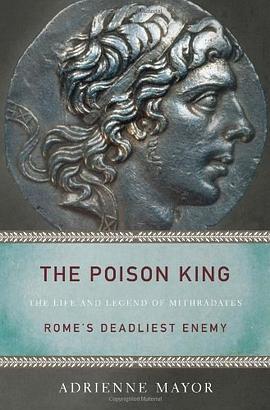
Machiavelli praised his military genius. European royalty sought out his secret elixir against poison. His life inspired Mozart's first opera, while for centuries poets and playwrights recited bloody, romantic tales of his victories, defeats, intrigues, concubines, and mysterious death. But until now no modern historian has recounted the full story of Mithradates, the ruthless king and visionary rebel who challenged the power of Rome in the first century BC. In this richly illustrated book - the first biography of Mithradates in fifty years - Adrienne Mayor combines a storyteller's gifts with the most recent archaeological and scientific discoveries to tell the tale of Mithradates as it has never been told before. "The Poison King" describes a life brimming with spectacle and excitement. Claiming Alexander the Great and Darius of Persia as ancestors, Mithradates inherited a wealthy Black Sea kingdom at age fourteen after his mother poisoned his father. He fled into exile and returned in triumph to become a ruler of superb intelligence and fierce ambition. Hailed as a savior by his followers and feared as a second Hannibal by his enemies, he envisioned a grand Eastern empire to rival Rome. After massacring eighty thousand Roman citizens in 88 BC, he seized Greece and modern-day Turkey. Fighting some of the most spectacular battles in ancient history, he dragged Rome into a long round of wars and threatened to invade Italy itself. His uncanny ability to elude capture and surge back after devastating losses unnerved the Romans, while his mastery of poisons allowed him to foil assassination attempts and eliminate rivals. "The Poison King" is a gripping account of one of Rome's most relentless but least understood foes.
作者简介
Adrienne Mayor is a research scholar in Classics and the History and Philosophy of Science and Technology Program at Stanford. Her work is often featured on NPR and BBC, Discovery and History TV channels, and other popular media, including the New York Times and National Geographic, and her books are translated into Spanish, Japanese, Chinese, Korean, Hungarian, Polish, Turkish, Italian, Russian, and Greek. In college during the Vietnam War, she received special permission to take ROTC courses in the history of war; 20 years later she began writing articles for "MHQ: The Quarterly Journal of Military History." Mayor is especially interested in the history of science (the history of human curiosity) and she investigates natural knowledge embedded in classcial Greek and Roman literature and other "pre-scientific" myths and oral traditions.
"The Amazons: Lives and Legends of Warrior Women across the Ancient World" (2014) is the result of Mayor's long interest in the realities behind myths, legends, and ancient historical accounts of women warriors. "The Poison King: The Life and Legend of Mithridates" is the first full biography in half a century of one of Rome's deadliest enemies and the world's first experimental toxicologist. "The Poison King" was a finalist for the 2009 National Book Award, nonfiction and won top honors in Biography in the Independent Book Publishers Awards, 2010.
Mayor's two books on pre-Darwinian fossil traditions in classical antiquity and in Native America ("The First Fossil Hunters" and "Fossil Legends of the First Americans") opened new windows in the emerging field of Geomythology. "First Fossil Hunters" is featured in the popular History Channel show "Ancient Monster Hunters," about Mayor's discovery of the links between ancient observations of dinosaur fossils and the gold-guarding Griffin of mythology. "First Fossil Hunters" and "Fossil Legends of the First Americans" also inspired the BBC documentary "Dinosaurs, Monsters, and Myths" and the popular traveling exhibit "Mythic Creatures" (launched at the American Museum of Natural History, 2007-17).
Her book "Greek Fire, Poison Arrows & Scorpion Bombs," about the origins and early use of biological weapons, uncovered the surprisingly ancient roots of biochemical warfare. This book was featured in National Geographic, New York Times, and the History Channel's "Ancient Greek WMDs" --and it has become a favorite resource for diabolical, unconventional weaponry among ancient war-gamers.
目录信息
读后感
用户评价
这本书的叙事节奏掌控得简直令人叹为观止,从一开始的低语般的神秘感,到中间骤然加速,如同脱缰野马般冲向高潮,再到结尾处那种深邃而悠长的回味,每一个转折都恰到好处地扣住了读者的心弦。我常常发现自己不自觉地屏住呼吸,只为了不错过作者笔下那个世界里任何一个细微的声响或阴影。作者对于人物内心世界的刻画,更是达到了炉火纯青的地步。那些主角们,他们的挣扎、他们的妥协、他们不为人知的弱点,都被剥离得淋漓尽致,让我感觉他们不是纸上的人物,而是我身边那些活生生、有血有肉的朋友,甚至是我自己。特别是当他们面对那些道德上的灰色地带时,那种纠结和痛苦,那种在“正确”与“生存”之间拉扯的无力感,深刻地触动了我。读完一个章节后,我常常需要停下来,点上一支烟,让思绪在故事情节的余韵中缓缓沉淀,回味那些尚未完全解开的伏笔和人物动机。这种阅读体验,与其说是阅读,不如说是一场沉浸式的精神探险,让人欲罢不能,每一次翻页都伴随着对未知命运的强烈好奇心和一丝隐隐的担忧。
评分我很少遇到一部作品能够如此巧妙地平衡史诗般的宏大叙事与细腻入微的个人情感。故事背景设定在一个波澜壮阔的时代,牵扯着数个王国的兴衰存亡、古老的神祇传说和即将到来的灾难。这些元素本身就足够引人入胜了。然而,作者并没有让这些宏大的叙事压垮了小人物的情感线。相反,是通过那些最基层的士兵、最卑微的仆人,甚至是那些被时代洪流裹挟的普通民众的视角,来展现整个时代的重量和冰冷。我清晰地记住了那个在战争间隙中努力寻找一朵花来送给心上人的士兵,以及那个必须在忠诚和亲情之间做出抉择的宫廷书记员。正是这些鲜活的个体故事,像无数条闪光的丝线,将那些庞大的历史事件串联起来,赋予了冰冷的史诗以温暖的、人性化的内核。这种大小叙事完美融合的结构,让读者既能感受到历史的厚重,又能体验到情感的真实脉动。
评分这本书最让我震撼的是其对“人性代价”的深刻探讨。它没有美化英雄主义,也没有过度渲染邪恶的诱惑,而是冷静地剖析了在极端环境下,个体为了生存或理想,必须做出的那些艰难的、常常是令人心碎的选择。我看到一些角色为了保护他们珍视的东西,不得不牺牲掉自己最宝贵的部分——可能是良知,可能是爱人,甚至可能是他们对自己的认知。这种悲剧性的必然性,不是简单的“坏人做坏事”就能概括的,它源于环境的挤压和命运的无情。特别是那些反派角色,作者赋予了他们复杂且令人同情的背景故事,让你在痛恨他们行为的同时,又不得不对他们的遭遇产生一丝怜悯。这种“爱恨交织”的情感体验,是优秀作品的标志。它迫使我们反思,在不同的时空背景下,我们自己会做出怎样的抉择?这种哲学层面的叩问,让这本书的价值超越了单纯的娱乐消遣。
评分我必须承认,这本书的复杂性初读时让人有些望而却步。它不像那些情节线索清晰、非黑即白的作品那样容易消化,它更像一张精心编织的巨大挂毯,上面绣满了无数互相交织的支线剧情和错综复杂的人物关系网。但正是这种复杂度,赋予了故事无尽的层次感和深度。作者似乎并不急于提供简单的答案,而是不断地抛出新的谜团,引导我们去质疑既定的事实,去探索隐藏在表面之下的权力结构和历史真相。这种开放式的叙事结构,极大地激发了我的主动思考能力。我发现自己会在阅读间隙,拿出一张纸,试图梳理这些派系之间的恩怨情仇,推测某个次要人物的真实身份和目的。这种智力上的博弈,让阅读过程不再是被动的接受信息,而是一种主动的参与和解构。它要求读者投入大量的精力,但最终的回报是丰厚且持久的,它让你对“真相”的理解,远比故事本身更深刻。
评分说实话,我一开始是被这本书的语言风格吸引的。那不是那种华丽辞藻堆砌出来的“美文”,而是一种带着泥土气息、直击灵魂的质感。作者的遣词造句,充满了力量感和画面感,尤其在描绘那些宏大场景,比如古老的废墟、战火纷飞的集市,或是幽暗密布的地下宫殿时,那些文字仿佛拥有了立体声和嗅觉冲击力。你几乎可以闻到空气中弥漫的灰尘和铁锈味,感受到石板路上寒湿的微风。这种描写功力,使得整个故事背景的构建远超一般作品的平面化处理,它成了一个有呼吸、有温度的实体存在。我尤其欣赏作者在对话中展现的微妙张力,角色之间看似平静的言语交锋背后,往往隐藏着更深层的权力斗争和情感暗流。那些看似不经意的台词,反复推敲后,会发现其深远的暗示作用,这需要读者有足够的耐心和敏锐度去捕捉,而一旦捕捉到,那种豁然开朗的愉悦感是无与伦比的。
评分因为常常缺失关键记录和史料互相矛盾,使得作者不得不在许多地方对Mithradates的人生进行猜测,语言天才、毒理学先锋、政宣高手、魅力领袖,罗马暴政的反对者和偏执多疑的人格,当成传奇看可读性还是很强。不过看到80%都不知道这个一手好牌打得稀烂的作战能力怎么能被称为Rome's deadliest enemy...倒是在Pontus陷落后的穷途末路里尽显不屈不挠的英雄气概,或许这种无处不在的反抗精神才是罗马的死敌(不....最爱窝里斗的罗马,自己才是自己的死敌...🤦)在“Remember you are mortal"这里结束就好了,已经有太多“what if”...
评分因为常常缺失关键记录和史料互相矛盾,使得作者不得不在许多地方对Mithradates的人生进行猜测,语言天才、毒理学先锋、政宣高手、魅力领袖,罗马暴政的反对者和偏执多疑的人格,当成传奇看可读性还是很强。不过看到80%都不知道这个一手好牌打得稀烂的作战能力怎么能被称为Rome's deadliest enemy...倒是在Pontus陷落后的穷途末路里尽显不屈不挠的英雄气概,或许这种无处不在的反抗精神才是罗马的死敌(不....最爱窝里斗的罗马,自己才是自己的死敌...🤦)在“Remember you are mortal"这里结束就好了,已经有太多“what if”...
评分因为常常缺失关键记录和史料互相矛盾,使得作者不得不在许多地方对Mithradates的人生进行猜测,语言天才、毒理学先锋、政宣高手、魅力领袖,罗马暴政的反对者和偏执多疑的人格,当成传奇看可读性还是很强。不过看到80%都不知道这个一手好牌打得稀烂的作战能力怎么能被称为Rome's deadliest enemy...倒是在Pontus陷落后的穷途末路里尽显不屈不挠的英雄气概,或许这种无处不在的反抗精神才是罗马的死敌(不....最爱窝里斗的罗马,自己才是自己的死敌...🤦)在“Remember you are mortal"这里结束就好了,已经有太多“what if”...
评分因为常常缺失关键记录和史料互相矛盾,使得作者不得不在许多地方对Mithradates的人生进行猜测,语言天才、毒理学先锋、政宣高手、魅力领袖,罗马暴政的反对者和偏执多疑的人格,当成传奇看可读性还是很强。不过看到80%都不知道这个一手好牌打得稀烂的作战能力怎么能被称为Rome's deadliest enemy...倒是在Pontus陷落后的穷途末路里尽显不屈不挠的英雄气概,或许这种无处不在的反抗精神才是罗马的死敌(不....最爱窝里斗的罗马,自己才是自己的死敌...🤦)在“Remember you are mortal"这里结束就好了,已经有太多“what if”...
评分因为常常缺失关键记录和史料互相矛盾,使得作者不得不在许多地方对Mithradates的人生进行猜测,语言天才、毒理学先锋、政宣高手、魅力领袖,罗马暴政的反对者和偏执多疑的人格,当成传奇看可读性还是很强。不过看到80%都不知道这个一手好牌打得稀烂的作战能力怎么能被称为Rome's deadliest enemy...倒是在Pontus陷落后的穷途末路里尽显不屈不挠的英雄气概,或许这种无处不在的反抗精神才是罗马的死敌(不....最爱窝里斗的罗马,自己才是自己的死敌...🤦)在“Remember you are mortal"这里结束就好了,已经有太多“what if”...