
具体描述
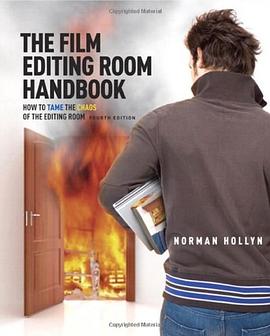
The assistant film editor has many more responsibilities than simply helping to edit the picture. He or she must work with all the numerous members of the filmmaking team, juggle the demands of copious amounts of footage from various sources, keep notes during the shoot's dailies screenings, process sound, oversee the creation of optical effects and integrate them in the editor's workflow, and many more detail-oriented, simultaneous tasks that require skills on a technical and organizational level. Widely regarded as THE guide for helping you get through it all, Norman Hollyn, editing whiz and longtime instructor, is the ultimate master at making the process fun while making you a pro. In this fourth edition, he continues in the celebrated style of his previous editions with a hands-on approach, assuming the role of an assistant editor to describe the myriad workflows involved. Not only will you learn everything you need to know about how the editing process works, but you'll gain the wisdom that normally only comes with on-the-job experience, putting you way ahead in your career and making you a better, more efficient editor. In The Film Editing Room Handbook, you'll learn: * Everything the assistant editor needs to know on the job--from pre-production to the shoot, to editing and adding visual effects and sound, to the mix and color finishing. * How to work in a variety of scenarios, whether it is a feature, television, commercial, musical, or web-based project. * Best practices for organizing and optimizing your systems and files, useful to editors working on any nonlinear editing platform. * How to find a job in this competitive market and put together an attractive resume that proves you've got the skills to succeed. Praise for The Film Editing Room Handbook, Fourth Edition "The Film Editing Room Handbook systematically explains everything you need to know about the editing process, exactly as it exists in the making of major motion pictures. Complicated technical concepts are made totally clear and easily understandable in this absolutely essential book for all assistant editors, indie filmmakers, and those who aspire to break into the industry." -- Mark Goldblatt, A.C.E., editor of The Terminator, Starship Troopers, and True Lies " This is a wonderful book that explains the complexities of the editing room assistant's job with clarity and wit. " -- Alan Heim, A.C.E, Oscar-winning editor and former president of American Cinema Editors " The Assistant Editor is the unsung hero of the editing room, tip-toeing around land mines to keep everything running smoothly in a job where all the important rules are unwritten. Until now. Norman Hollyn does an excellent job explaining the process of editing, the role of the assistant editor, and clearly labeling where all the booby traps are buried." -- Larry Jordan, producer, director, editor, and Apple-certified trainer " This book is an excellent introduction to editing in the real world. Norman Hollyn not only tells you what is necessary, he tells you what is efficient. He knows how important that can be because he's been there." -- Burton J. Sears, film instructor at Savannah College of Art and Design, editor of Virtuosity, Jacob's Ladder, and Henry and June
作者简介
目录信息
读后感
用户评价
我通常对技术手册类的书籍持保留态度,因为它们常常很快就会因为软件更新而过时。然而,《剪辑室里的电影制作指南》的非凡之处在于,它将焦点牢牢锁定在了“电影艺术”和“叙事结构”这两个永恒不变的核心上。它对“视点转移”和“角色认知剪辑”的论述,几乎可以作为任何剧本写作课程的补充教材。它教会我如何通过镜头语言来控制观众对角色的同情或疏离感。例如,当一个角色在试图隐瞒真相时,剪辑师如何通过插入短暂的、不相关的闪回或特写镜头,来向观众暗示角色的内心挣扎,而无需任何对白——这种对心理层面的挖掘,实在太精彩了。这本书的语言风格非常凝练,没有一句废话,每一个论断都基于对大量优秀电影作品的深入研究和实践积累。它不仅仅是一本工具书,更像是一部关于如何“思考电影”的专著。对于有志于从事严肃电影制作的人来说,这本书的内容具有极高的耐读性和持久的参考价值,绝对是案头必备的经典之作。
评分这本《剪辑室里的电影制作指南》简直是为我这种对剪辑充满好奇的新手量身定做的。我一直是那种坐在电影院里,盯着屏幕上每一个镜头切换、每一个节奏变化都会忍不住思考“他们是怎么做到的?”的人。这本书的厉害之处在于,它没有一开始就堆砌那些深奥的理论术语,而是非常平易近心地从最基础的原理讲起,仿佛有一位经验丰富的导师坐在你身边,耐心拆解每一个步骤。比如,它对“匹配剪辑”的讲解,就不仅仅是告诉你这是一种技术,而是深入剖析了它在叙事功能上的强大作用——如何用视觉上的相似性来平滑过渡时空,或者如何在不知不觉中引导观众的情绪流动。我特别喜欢它在讨论“节奏”那一章时所使用的类比,它将剪辑的节奏比作音乐的节拍,清晰地阐述了长镜头如何营造沉思,而快速蒙太奇又如何制造紧张感。书中还配有大量实际案例的截图和脚本分析,这对我这种需要视觉辅助才能理解概念的人来说,简直是福音。读完前几章,我感觉自己对电影语言的理解一下子提升到了一个新的层次,不再只是被动地接受影像,而是开始主动地“阅读”剪辑师的意图。对于任何想要从纯粹的电影爱好者升级为能理解幕后工艺的深度观众来说,这本书都是一个绝佳的入门石阶。
评分这本书的排版和用词都带着一种沉稳而专业的英式风格,阅读体验极佳,完全不像市面上很多为了迎合快节奏读者而写得轻浮的教程。它对“时间重构”的探讨,是我个人认为全书最精华的部分。作者非常犀利地指出了现代电影制作中对线性叙事的过度依赖,并详细阐述了如何利用闪回、交叉剪辑以及变速剪辑等技术,在不让观众感到困惑的前提下,构建出更复杂、更有层次感的时空体验。我对它如何分析经典影片中那些看似“不合逻辑”的剪辑点印象深刻,作者通过帧分析和声音设计结合的视角,揭示了这些“错误”其实是服务于角色潜意识或主题表达的精心设计。这种深入到“微观层面”的解构能力,让人对剪辑的敬畏感油然而生。此外,书中还涉及了与声音设计师和调色师的协作环节,这对于现在许多“一人包办一切”的独立制作人来说,是非常及时的提醒——优秀的剪辑是团队合作的产物,而非孤立的技艺。这本书提供了一个完整的、系统化的后期制作蓝图。
评分说实话,我原本以为这种“手册”类的书籍会读起来枯燥乏味,充斥着机械化的操作流程,但《剪辑室里的电影制作指南》完全颠覆了我的预期。它真正的价值在于,它讨论的不是“如何按下软件里的哪个按钮”,而是“为什么要在那个时间点按下按钮”。作者的笔触非常老练,带着一种近乎哲学的思辨性,尤其是在探讨“情感剪辑”的部分,真是令人拍案叫绝。他用了很多篇幅来讨论如何在非线性的叙事结构中保持观众的代入感,这在当下的多线叙事潮流中尤为重要。我印象特别深的是对“沉默的力量”这一节的描述,作者强调,剪辑并不仅仅是连接镜头的艺术,更是控制信息和留白的艺术。一个恰到好处的停顿,其信息量可能比一连串的对话都要大。这种对“非动作”的重视,体现了作者对电影媒介本质的深刻洞察。这本书的结构安排也十分巧妙,它将技术性内容和艺术性探讨穿插进行,确保读者在学习具体技巧的同时,不至于迷失在纯粹的技术细节中。对于那些已经在用软件剪辑,但总感觉自己的作品缺乏“灵魂”的进阶用户来说,这本书简直就是一剂强心针,它帮你找到了技术与艺术之间的那个黄金分割点。
评分作为一名正在筹备毕业短片的新晋导演,我购买了市面上几乎所有关于后期制作的书籍,但坦白讲,大部分都过于侧重某个特定软件的操作,或者仅仅停留在教科书式的理论罗列。《剪辑室里的电影制作指南》之所以能脱颖而出,是因为它真正深入到了“决策”的层面。它不是告诉你“你应该”怎么做,而是系统地展示了不同选择背后的逻辑和后果。举例来说,书中对比了不同景别剪辑的心理效应:大特写如何剥夺观众的安全感,而全景镜头如何提供叙事上的掌控感。这种对“剪辑意图”的细致剖析,极大地帮助我明确了自己影片的风格方向。更令人称赞的是,它触及了跨媒介叙事的剪辑挑战。例如,如何处理那些必须在保持原著精髓与适应电影媒介节奏之间进行取舍的改编项目,书中提供的分析框架极具操作性。它让我意识到,剪辑师不应该只是导演的执行者,而是叙事结构的首要设计师。这本书读下来,感觉就像是上了一堂高强度的、案例驱动的电影分析大师课,每一页都充满了实战智慧,而不是空泛的理论说教。
评分 评分 评分 评分 评分