
具体描述
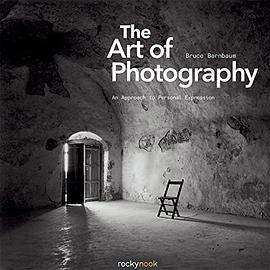
This is an updated and newly revised edition of the classic book The Art of Photography (originally published in 1994), which has often been described as the most readable, understandable, and complete textbook on photography. With well over 100 beautiful photographic illustrations in both black-and-white and color, as well as numerous charts, graphs, and tables, this book presents the world of photography to beginner, intermediate, and advanced photographers seeking to make a personal statement through the medium of photography. Without talking down to anyone, or talking over anyone's head, Barnbaum presents "how to" techniques for both traditional and digital approaches. Yet he goes well beyond the technical, as he delves deeply into the philosophical, expressive, and creative aspects of photography so often avoided in other books.
Bruce Barnbaum is recognized as one of the world's finest landscape and architectural photographers, and for decades has been considered one of the best instructors in the field of photography. This latest incarnation of his textbook, which has evolved, grown, and been refined over the past 35 years, will prove to be an ongoing, invaluable photographic reference for years to come. It is truly the resource of choice for the thinking photographer.
作者简介
Bruce Barnbaum, of Granite Falls, WA, entered photography as a hobbyist in the 1960s, and after four decades, it is still his hobby. It has also been his life's work for the past 30 years.
Bruce's educational background includes Bachelor's and Master's degrees in mathematics from UCLA. After working for several years as a mathematical analyst and computer programmer for missile guidance systems, he abruptly left the field and turned to photography.
Bruce has authored several books, some of which have become classics. The Art of Photography was first published in 1994 and remained in print until 2007. Bruce has been self-publishing the book ever since, but with limited distribution (until now).
Bruce is a frequent contributor to several photography magazines. His series "The Master Printing Class" is featured in each issue of Photo Techniques, and his articles are published regularly in LensWork. Through his workshops, articles, lectures, books, and innovative photography, Bruce has become a well-known and highly-respected photographer, educator, and pioneer.
Bruce is recognized as one of the finest darkroom printers on this planet, both for his exceptional black and white work, as well as for his color imagery. He understands light to an extent rarely found, and combines this understanding with a mastery of composition, applying his knowledge to an extraordinarily wide range of subject matter. His work is represented by more than ten galleries throughout the United States and Canada, and is in the collections of museums and private collectors worldwide.
Bruce has been an active environmental advocate for more than three decades, both independently and through his involvement and leadership with organizations such as the Sierra Club, the National Audubon Society, the Stillaguamish Citizens' Alliance, 1000 Friends of Washington, and the North Cascades Conservation Council.
目录信息
Chapter 1: Communication Through Photography;
1.1 Enthusiasm;
1.2 Judging Your Own Personal Response;
Chapter 2: What is Composition?;
2.1 How the Human Eye Sees;
2.2 Unified Thought;
2.3 Simplicity;
2.4 Expressing Your Own Point of View;
2.5 Simplicity vs. Complexity;
Chapter 3: Elements of Composition;
3.1 Contrast and Tone;
3.2 Line;
3.3 Form;
3.4 Line, Form, Contrast, and Emotion;
3.5 Pattern;
3.6 Balance;
3.7 Movement;
3.8 Positive/Negative Space;
3.9 Texture;
3.10 Camera Position;
3.11 Focal Length of Lens and Cropping;
3.12 Depth of Field;
3.13 Shutter Speed;
3.14 Relationships;
3.15 Involvement with the Scene;
3.16 Rules, Formulas, and Other Problems and Pitfalls;
Chapter 4: Visualization;
4.1 Step 1: Photographic Looking and Seeing;
4.2 Step 2: Composing an Image;
4.3 Step 3: Envisioning the Final Print;
4.4 Step 4: Planning a Strategy for a Final Print;
4.5 How Your Eye Differs from Your Camera;
4.6 Alternative Approaches;
Chapter 5: Light;
5.1 Looking at Light;
5.2 Exercises in Learning to See Light More Accurately;
5.3 Light Determines Form;
5.4 Types of Lighting/Quality of Light;
5.5 Light as Seen by the Eye and by Film or Sensors, and the Inverse Square Law;
Chapter 6: Color;
6.1 The Color Wheel and Color Sphere;
6.2 Color Composition;
6.3 Color and Emotion;
6.4 Color Contrast and Tone;
6.5 Choosing A Color Film;
6.6 Color Digital Methods;
6.7 Light and Color Control;
6.8 Subjectivity and Mood of Color;
6.9 In Summary;
Chapter 7: Filters;
7.1 Black-and-White Filters;
7.2 Examples with a Hypothetical Landscape;
7.3 Contrast Control with Filters;
7.4 Digital Filtration for Black-and-White;
7.5 Infrared Film and Filters;
7.6 Filters for Color Images;
7.7 Neutral Density and Polarizing Filters;
7.8 Problems Associated with Polarizers;
Chapter 8: The Zone System of Exposure for Film;
8.1 A Brief Overview;
8.2 Film’s Response to Light: Building the Zone System;
8.3 Translating Negative Densities to Print Tonalities;
8.4 The Light Meter—How it Works;
8.5 Review of Negative Exposure Procedure;
8.6 Using the Zone System to Depart from Reality;
8.7 The Zone System for Color;
8.8 The Zone System and the Inverse Square Law;
8.9 In Summary;
Chapter 9: The Black-and-White Negative and Contrast Control—The Extended Zone System;
9.1 Chapter 9 Overview;
9.2 The Negative During Development;
9.3 The Bellows Analogy;
9.4 Putting Higher Zones to Work;
9.5 Reciprocity Failure;
9.6 Examples of Decreasing and Increasing Contrast;
9.7 The Exposure/Density Curve and Zone 4 Shadow Placement;
9.8 Differences Between Photography and Sensitometry: Texture vs. Tone and Zone 4 Shadow Placement;
9.9 Pre-Exposure—What It Is, Where It Works, Where It Fails;
9.10 Developing the Exposed Negative;
9.11 Explanation of Compensating Development;
9.12 Two-Solution Compensating Development for Negatives;
9.13 Development Procedures for Sheet Film and Roll Film;
9.14 The Zone System and Roll Film;
9.15 Negative Materials and Developers;
Chapter 10: The Print;
10.1 Black-and-White Enlarging Papers;
10.2 Variable Contrast vs. Graded Papers;
10.3 Fiber Base Papers vs. Resin Coated (RC) Papers;
10.4 Black-and-White Paper Developers;
10.5 Making Contact Proof Prints;
10.6 Preliminary Work Toward a Final Print;
10.7 Make Test Prints, Not Test Strips;
10.8 Two-Solution Development for Graded and Variable Contrast Papers;
10.9 Dodging and Burning;
10.10 Integrating the Entire Process: Visualization, Exposure, Development, and Printing;
10.11 Burning with Variable Contrast Papers;
10.12 Advanced Darkroom Techniques;
10.13 Inspection, Evaluation, and the Myth of “Dry-Down”;
10.14 Potassium Ferricyanide Reducing (Bleaching);
10.15 Final Fixing of the Image;
10.16 Local vs. Overall Contrast Control;
10.17 Scale;
10.18 Selenium Toning Prints;
10.19 Other Toners;
10.20 Chemical Coloration;
10.21 Full Archival Processing of Prints;
10.22 Toning, Intensifying, and Reducing Negatives;
10.23 Cold, Neutral, and Warm Tone Papers;
10.24 Review of Contrast Controls;
10.25 Color Printing;
10.26 Color Contrast Reduction Masking;
10.27 Masking to Alter Color Intensities;
10.28 The Shadow Mask;
10.29 Spotting and Rebalancing Color for Color Prints;
10.30 Washing and Drying Color Prints;
10.31 Achieving Proper Color Balance;
Chapter 11: The Digital Zone System;
11.1 Basics of Digital Capture;
11.2 The Sensor’s Useful Brightness Range;
11.3 The Histogram—The Heart of the Digital Zone System;
11.4 The RAW Converter—Processing the RAW Capture;
11.5 High Dynamic Range Images—The Extended Zone System for Digital Photography;
11.6 Practical Considerations, Cautions, and Recommendations;
Chapter 12: Presentation;
12.1 Dry Mounting Prints;
12.2 Making Positioning Guides for Print Placement;
12.3 Spotting, Etching, and Correction of Defects;
12.4 Print Finishing;
Chapter 13: Exploding Photographic Myths;
13.1 Myth #1: The zone system gives you a negative that yields a straight print of exactly what you saw in the field, with no burning or dodging required;
13.2 Myth #2: There are 10 zones in the zone system;
13.3 Myth #3: Shadows should be placed at Zone 3 in the zone system;
13.4 Myth #4: Negative densities should be within a fixed density range, and negatives that don’t fit into that range are useless;
13.5 Myth #5: All contact proof prints of negatives should be made at the same exposure;
13.6 Myth #6: The best landscape photographs are made within an hour and a half of sunrise or sunset;
13.7 Myth #7: All black-and-white photographs need a good black, a good white, and tones in between;
13.8 Myth #8: Two More Persistent Myths;
Chapter 14: Photographic Techniques and Artistic Integrity;
14.1 Art, Communication, and Personal Integrity;
Chapter 15: Photographic Realism, Abstraction, and Art;
15.1 Photography as Fine Art;
15.2 Photography and Painting—Their Mutual Influence;
15.3 The Strength of Abstraction;
15.4 Inwardly and Outwardly Directed Questions;
15.5 The Power of Photography;
Chapter 16: Thoughts on Creativity;
16.1 Obstacles to Creativity;
16.2 Prerequisites for Creativity;
16.3 Producing Something New—Its Real Importance;
16.4 Be Prepared for Imagination, Innovation, and Creativity;
Chapter 17: Approaching Creativity Intuitively;
17.1 Intuition in Science;
17.2 Avoiding Intuition;
17.3 Understanding and Misunderstanding Intuition;
17.4 Examples of the Intuitive Approach;
17.5 Applying Intuition to Your Photography;
17.6 Conclusion;
Chapter 18: Toward A Personal Philosophy;
18.1 Flexibility;
18.2 Visual Arts;
18.3 Nonvisual Arts;
18.4 Expanding and Defining Your Interests;
18.5 Limitations of Photography;
18.6 Developing a Personal Style;
18.7 Self-Critique, Interaction, and Study;
Testing Materials and Equipment for Traditional Photography;
ASA (ISO) Test;
Contrast Development Test;
Lens Sharpness and Coverage Test;
Bellows Test;
Safelight Test;
Enlarger Light Uniformity Test;
Enlarger Lens Sharpness Test;
Enlarger Light Sources
· · · · · · (收起)
读后感
1. 按下快门就是创作一次有意义的表述 2. 兴趣也需要再分领域进行轻重探索 3. 乐趣以激情为基石 不为拍而拍 也不怕僵局 激情需要保护 诚实于热情 快乐才会到来✨ 4. 街头摄影里 考虑互动和反应可以帮助抵达本性 5. 抽象摄影里 想象力和实验动力是唯一限制 6. 主题会退居其次...
评分这是一本有意思的书,中途我一直想放弃读,有几章是我不能理解的,这本书对我来讲是拓展自己的,我不是这个专业的,索性就大概浏览过了一遍。 这是一本那个年代的书籍,比我生的早,这是一本现代的书籍,思想前卫,值得被记录下来,过时的是那个时代的器械,思想是没法过时的。...
评分很实在的一本指导书。尤其是关于构图的定义,值得好好琢磨。 摄影的门槛看起来很低,但要拍出好照片,需要大量实践和思考——思考的重要性并不比实践低,拍照不能只靠感觉,而感觉本身也依赖于认知和思想。表达认知,还需要技术。 部分观点摘录如下—— 摄影是非语汇性交流的一...
评分摄影是非语汇性交流的一种形式。在最佳情况下,一幅照片可以把一个人(摄影师)的思想传达给另一个人(观看者)。在这方面,摄影类似于其他非语汇性艺术形式,例如绘画、雕塑和音乐。 “摄影是非语汇性交流的一种形式。” 要创作一次有意义的表述——一幅永恒的摄影作品,摄影...
评分用户评价
作为一名资深的摄影爱好者,我阅读过不少摄影书籍。但《摄影的艺术》这本书,依然给了我很多惊喜和启发。它不仅仅停留在技术的层面,更深入地探讨了摄影的哲学意义和艺术价值。 我特别赞赏书中关于“摄影师的责任”的讨论。它引导我们思考,作为摄影师,我们有责任去记录真实,去传播信息,去用镜头传递我们对世界的理解和感受。这种对摄影师社会责任感的强调,让我觉得这本书不仅仅是关于摄影技巧,更是一本关于如何成为一个负责任的摄影师的指南。
评分这本书《摄影的艺术》在我手中沉甸甸的,光是翻阅目录就让我心生敬畏。我一直对摄影有着浓厚的兴趣,但总感觉自己只是停留在“按下快门”的层面,离真正的“艺术”还有很远的距离。市面上关于摄影的书籍琳琅满目,但我总觉得它们要么过于技术化,让我望而却步,要么过于泛泛而谈,缺乏深度。直到我遇到了《摄影的艺术》,我才仿佛找到了通往摄影殿堂的钥匙。 这本书给我最大的惊喜在于它能够将摄影的技巧与艺术理念完美地融合在一起。它不仅仅是告诉我们如何调整光圈、快门速度,更重要的是引导我们去思考“为什么”要这样拍摄。比如,书中对于构图的讲解,不再是简单地罗列黄金分割、三分法,而是深入剖析了这些构图法则背后的心理学原理,以及它们如何影响观众的情绪和观感。我记得其中有一个章节,详细阐述了如何通过引导线来创造深度和空间感,并提供了大量不同场景下的范例,让我恍然大悟,原来看似简单的线条,竟然能蕴含如此丰富的表现力。
评分作为一名业余摄影爱好者,我一直希望能找到一本能够全面提升我摄影水平的书籍。《摄影的艺术》这本书,可以说是我近几年读过的最满意的一本。它覆盖了摄影的方方面面,从最基础的曝光控制,到复杂的后期处理,再到摄影的艺术理念,都有深入的探讨。 我特别欣赏书中关于“光线运用”的讲解。光线是摄影的灵魂,而这本书将各种光线类型(如硬光、柔光、逆光、侧光等)的特点、适用场景以及如何利用它们来塑造主体、营造氛围都进行了详细的阐述。书中提供了大量的示例图片,清晰地展示了不同光线条件下拍摄出的效果差异,让我能够直观地理解光线对照片的影响。
评分我一直在探索如何在自己的摄影作品中注入更多的情感和故事。很多时候,我拍出的照片虽然清晰、曝光准确,但总觉得少了点什么,缺乏触动人心的力量。而《摄影的艺术》这本书,恰恰满足了我这方面的需求。它用大量篇幅探讨了摄影师如何通过镜头去捕捉和表达情感,如何运用光影、色彩和构图来传递微妙的情绪。书中有一段关于“捕捉决定性瞬间”的论述,让我印象深刻。它不是简单地强调速度,而是强调观察力、耐心和对时机的精准判断,以及如何预判事件的发展,从而在最恰当的时机按下快门,记录下具有历史意义或情感共鸣的瞬间。 我尤其喜欢书中关于“故事性”的章节,它教会我如何在一张静态的照片中讲述一个动态的故事。作者通过分析一些著名摄影作品,揭示了其中蕴含的叙事技巧,比如如何通过人物的表情、动作、环境的细节来暗示故事的发生、发展和可能的结局。这让我意识到,摄影不仅仅是记录,更是一种叙事方式,一种用视觉语言与观众进行交流的沟通方式。
评分拿到《摄影的艺术》这本书的时候,我正处于一个摄影的低谷期。感觉自己拍来拍去都差不多,提不起什么兴趣。但这本书真的让我眼前一亮,仿佛重新点燃了我对摄影的热情。 我尤其喜欢书中关于“后期处理”的章节。之前我对后期处理的理解停留在简单的调色、裁剪,总觉得过于“做作”。但这本书让我看到了后期处理的艺术性,它不是为了“造假”,而是为了更好地“表达”。作者通过分析一些前后对比的图片,生动地展示了如何通过后期处理来强化照片的主题,营造氛围,甚至改变照片的叙事方向。
评分一直以来,我都觉得摄影是一门需要天赋的艺术,自己可能资质平平。但《摄影的艺术》这本书,让我改变了这个想法。它用一种鼓励和启发的方式,告诉我,摄影的艺术是可以学习和掌握的。 书中关于“人像摄影”的部分,让我尤为着迷。它不仅仅讲解了如何打光、如何摆姿势,更重要的是教我们如何与被拍摄者建立连接,捕捉他们真实的情感和个性。作者强调,一张成功的人像照片,不仅在于技术上的完美,更在于能够触及被拍摄者的灵魂。
评分说实话,我是一个对摄影理论有些抵触的人,总觉得那些术语和概念离我太遥远。然而,《摄影的艺术》这本书彻底改变了我的看法。它用一种非常平易近人的方式,将复杂的摄影理论变得生动有趣,并且与实际拍摄紧密结合。书中对于“色彩学”的讲解,我之前一直认为是个枯燥无味的学科,但作者通过分析不同色彩组合所产生的心理效应,以及如何在摄影中运用色彩来烘托主题、营造氛围,让我重新认识了色彩的魔力。 我记得其中有一个案例,作者分析了一张使用对比色拍摄的人像照片,解释了为什么这种色彩搭配能够立刻吸引观众的注意力,并产生一种活力和激情的感觉。这种结合理论与实践的讲解方式,让我更容易理解和吸收。而且,书中还提供了很多“实践练习”的建议,引导读者去尝试不同的色彩组合,观察它们带来的效果,这比死记硬背理论知识要有效得多。
评分在阅读《摄影的艺术》这本书的过程中,我最深的感受就是它所传递的“耐心”和“思考”。在如今这个信息爆炸、追求效率的时代,我们往往习惯于快速拍摄,然后快速浏览。但这本书让我放慢了脚步,去重新审视摄影的本质。 书中有一个章节专门讨论了“慢摄影”的概念,它强调在拍摄前进行充分的观察和思考,以及在拍摄过程中保持耐心,等待最佳的时机。这与我之前那种“拍得越多越好”的观念形成了鲜明的对比。作者通过分享一些他的拍摄经历,说明了耐心等待的价值,有时候,一个微小的变化,一个恰到好处的光线,都可能让一张照片从平庸变得非凡。
评分我一直认为,摄影不仅仅是技术的堆砌,更重要的是一种观察世界、表达自我的方式。《摄影的艺术》这本书,恰恰将这一点体现得淋漓尽致。作者不仅仅在传授摄影技巧,更在引导我们去发现生活中的美,去用独特的视角去解读世界。 书中关于“摄影师的视角”的章节,让我受益匪浅。它鼓励读者去打破常规的拍摄思维,去寻找不为人知的细节,去捕捉那些容易被忽略的美好。例如,作者分享了一些关于街头摄影的心得,如何通过观察行人的表情、姿态,以及环境的互动,来创作出富有故事性和人文关怀的作品。这让我开始重新审视我身边的环境,发现原来平凡的日常生活中,也隐藏着如此多的摄影题材。
评分我是一名对摄影充满热情但又感到瓶颈的爱好者。《摄影的艺术》这本书,像一道曙光,照亮了我前行的道路。它不仅仅是一本技术指南,更是一本关于如何“看见”的哲学书。 书中关于“构图”的讲解,让我印象深刻。它不仅仅讲解了各种构图法则,更重要的是阐释了这些法则背后的逻辑和情感表达。例如,作者在分析一张风景照时,指出利用画面中的曲线引导线,不仅能够增加画面的纵深感,更能引发观众的探索欲和好奇心。这种结合心理学原理的讲解,让我对构图有了更深层次的理解。
评分又读了一遍,还是觉得语句冗长。同一个意思反反复复讲几遍。|| 读过的最好的摄影理论书。唯一的缺点是太长,但是瑕不掩瑜。
评分读过的最好的摄影书
评分要不是准备下个月搬家,都忘了自己买过这么一本书。里面大概一半内容严重过时,用来作示例的照片很多,呃,都挺烂的。文字大概不错,但是太长,没兴趣再仔细看。
评分读过的最好的摄影书
评分读过的最好的摄影书