
具体描述
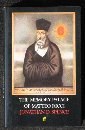
As the first great age of European naval exploration came to an end in the late sixteenth century, merchants and missionaries began to travel to the Far East in search of new markets and new harvests of souls.
One of the most extraordinary of these travellers was Matteo Ricci, a Jesuit who left his native Italy in 1577 and journeyed first to India and then to China, where he lived and worked from 1583 until his death in 1610.
To capture the complex emotional and religious drama of Ricci's life, Jonathan Spence has shifted away from conventional biographical techniques and has placed his subject in a structure of images that Ricci himself composed. One set of these images derives from four crucial moments in the Bible, which Ricci introduced to China by means of wood engravings with his appnded commentaries, one set is found in a book on the art of memory, which Ricci composed in Chinese and circulated among members of the Ming dynasty's elite.
The result is not only a rich and compelling narrative about Ricci's life in Italy, India and China, but also a significant work of global history, in which intellectual, social, military, maritime and religious themes are drawn together, juxtaposing the world of Counter-Reformation Europe with that of Ming China. The Memory Palace that Ricci attempted to describe in print is transformed in Spence's extraordinary book into a frame for Ricci's life and a metaphor for the hopes and fears of a largely forgotten world.
作者简介
Jonathan D. Spence (Chinese name: 史景遷, August 11, 1936– ) is a British-born historian and public intellectual specializing in Chinese history. He has been Sterling Professor of History at Yale University since 1993. His most famous book is The Search for Modern China, which has become one of the standard texts on the last several hundred years of Chinese history. A prolific author, reviewer, and essayist, his other books include The Death of Woman Wang (1978); The Memory Palace of Matteo Ricci (1984); The Question of Hu (1987); Chinese Roundabout: Essays on History and Culture; The Gate of Heavenly Peace: The Chinese and Their Revolution 1895-1980; The Chan's Great Continent: China in Western Minds; and God's Chinese Son (1996). His research often takes him to many Chinese universities.
目录信息
读后感
最近才注意到史景迁。 此前看到杨念群批判中国当代史学的文章(http://blog.sina.com.cn/s/blog_4d4a41600100096r.html)。鉴于“当今中国史学完全丧失了讲故事的能力”、“中国当今史学完全丧失了想像力”、“中国当今史学像个鹦鹉学舌的理论秀艺人”这三大罪状,杨呼吁给中...
评分 评分这本书似乎是国外汉学家写人物的一个定式——所谓的传主,只是一个引子或者一个线索,作者靠他刻意编制一张历史背景的大网,这网一兜鱼,那网一兜虾,网得越多,见识不多如我者就读得越累。这本书的原名是利玛窦的记忆迷宫,还好,因为人家本来就不打算给利玛窦立传,而是要通...
评分用户评价
《马泰奥·利玛窦的记忆宫殿》让我对“传教士”这个身份有了全新的认识。我以前总觉得传教士的身份,似乎就意味着一种固定的模式和目的。但利玛窦的故事,让我看到了这个身份背后所蕴含的巨大可能性和复杂性。他不仅仅是一位传教者,更是一位文化使者、一位科学家、一位艺术家。他用自己多元化的才能,在中国开辟了一条独特的道路。我被书中对利玛窦在绘画、地图绘制、钟表制造等方面的才能的描写所吸引。这些技能,不仅帮助他赢得了中国人的尊重,更是为他与中国社会的交流提供了更多元的平台。这让我思考,我们是否也应该打破固有的思维模式,去发掘和发挥自己身上更多的潜能?我们是否应该用更广阔的视野,去看待和理解不同的职业和身份?利玛窦的故事,让我看到了一个人的生命可以有多少种可能性,一个人的价值可以有多少种实现方式。他用自己的行动证明了,真正的“传道”,需要的是智慧、是理解、是尊重,更是对生命本身的热爱和对世界的好奇。
评分翻开《马泰奥·利玛 পৌঁছ的记忆宫殿》,我立刻被一种沉浸式的阅读体验所吸引。作者的笔触细腻而富有画面感,仿佛是将我置身于明朝那个充满变革与活力的时代。我开始想象,当利玛窦第一次踏上中国的土地时,他看到的景象是怎样的?他心中的感受又是什么?是敬畏?是好奇?还是某种更加复杂的情感?书中对当时中国社会风貌、宫廷礼仪、文人雅士以及普通百姓生活的描绘,都让我如痴如醉。我尤其对那些关于利玛窦如何学习中文、如何融入中国社会、如何与当时的士大夫阶层交流的细节感到着迷。这不仅仅是语言的学习,更是文化、思想、观念的碰撞与融合。我总觉得,真正的了解,来自于深入的体验和细致的观察,而利玛窦无疑是一位在这方面做得极其出色的人物。这本书让我看到了一个传教士如何超越宗教的藩篱,以一种开放包容的心态去认识和理解一个全新的世界。这种胸怀和远见,在任何时代都是值得我们学习和借鉴的。我渴望通过这本书,不仅仅了解利玛窦这个人,更能理解那个时代,以及那个时代下,东西方文明交融的可能性与复杂性。
评分《马泰奥·利玛窦的记忆宫殿》给我带来的震撼,并不仅仅在于了解了一个历史人物的生平,更在于它让我重新认识了“传播”和“交流”的意义。利玛窦作为一位西方传教士,他所做的远不止是传播宗教,他更是将西方的科学技术、哲学思想、艺术文化带到了中国,同时他也极大地推动了中国文化的对外传播。我读到书中关于利玛窦如何将中国的典籍翻译成拉丁文,如何向欧洲介绍中国的风土人情时,我感到一种强烈的自豪感。这表明,中国文化在世界文明的宝库中,也占据着重要的地位。这本书让我明白,文化的力量是巨大的,它可以跨越国界,连接心灵。而“交流”则更是文明进步的催化剂,只有在不断的对话与碰撞中,文明才能获得新的生命力。我深受触动的是,利玛窦在那个信息相对闭塞的年代,是如何凭借一腔热忱和不懈努力,成为连接两个伟大文明的桥梁。这种勇气和毅力,让我对我们今天所处的时代,所拥有便捷的交流方式,感到更加珍惜。
评分读完《马泰奥·利玛窦的记忆宫殿》,我最大的感受是,历史的叙事总是充满了各种可能性和角度。我以往对于利玛窦的认知,更多是教科书上简略的介绍,而这本书则为我打开了一个全新的视角。我开始理解,为什么在当时,利玛窦能够获得如此高的评价,甚至受到明朝皇帝的器重。这不仅仅是因为他的学识,更是因为他所展现出的独特的人格魅力和对中国文化的尊重与理解。我喜欢书中对利玛窦与其他中国知识分子的交往的描写,那种思想上的碰撞,那种智慧的火花,让我看到了一个更加立体的历史场景。这本书也让我反思,我们在评价历史人物时,是否过于简单化?我们是否应该更深入地去理解他们所处的时代背景,他们所面临的困境,以及他们所做出的选择?我被利玛窦那种“入乡随俗”又“坚持自我”的智慧所打动,他能够在融入中国社会的同时,仍然保持着自己的信仰和身份认同,这是一种非常高明的生存智慧和文化智慧。
评分一本关于马泰奥·利玛窦的书,仅仅是这个名字就足以点燃我内心深处的好奇心。当我在书店的架子上偶然瞥见它时,一种难以言喻的吸引力便将我牢牢抓住。我常常在想,是什么样的力量,能让一个来自遥远的西方传教士,跨越千山万水,来到一个截然不同的文明中心,并在这片土地上留下如此深刻的印记?《马泰奥·利玛窦的记忆宫殿》这个书名本身就充满了诗意和神秘感,它似乎预示着我们将跟随利玛窦的脚步,进入他那个被知识、信仰和文化交织而成的精神世界。我对外面的世界总是充满向往,而历史,尤其是那些关于跨越文化藩篱的伟大探索,总能以一种不可思议的方式吸引我。利玛窦,这个名字在历史的长河中闪烁着独特的光芒,他不仅是一位传教士,更是一位科学家、一位外交家、一位艺术家,他用自己的生命书写了一段连接东西方文明的传奇。我期待这本书能够为我揭示这位伟大人物多层面的魅力,让我不仅仅从历史书的枯燥文字中认识他,而是能够更深入地理解他的内心世界,感受他所处的时代氛围,以及他所面对的挑战与机遇。我对那些能够将历史人物“活化”的书籍有着特别的偏爱,能够让我仿佛置身于那个年代,与书中人物进行一场跨越时空的对话,这是阅读最迷人的部分。
评分《马泰奥·利玛窦的记忆宫殿》是一本让我受益匪浅的书。它不仅丰富了我的历史知识,更重要的是,它改变了我对于“文化交流”的看法。以往我总觉得,文化交流似乎是强势文化对弱势文化的渗透,但利玛窦的故事,让我看到了另一种可能:一种相互学习、相互尊重的平等交流。我被书中关于利玛窦如何运用中国的方式来表达自己的思想,如何用中国的美学元素来辅助自己的传播所打动。这是一种真正的“以柔克刚”,是一种“润物细无声”的力量。我开始思考,我们如今在与不同文化打交道时,是否也应该学习这种智慧?我们是否应该更多地去理解对方的文化,去尊重对方的习俗,而不是仅仅强调自身的优越性?利玛窦在中国所做的,是一种真正的“文明对话”,他不仅仅是带来了什么,更重要的是,他倾听了什么,理解了什么。这种开放和包容的态度,是任何一个希望在世界舞台上有所作为的个人或民族都应该拥有的。
评分《马泰奥·利玛窦的记忆宫殿》就像一部引人入胜的纪录片,通过作者精湛的文字,将我带回到了那个波澜壮阔的时代。我被书中对利玛窦如何适应中国环境的细致描写所吸引,他学习中文的艰辛,他克服水土不服的努力,他与中国官员和士大夫的周旋,每一个细节都让我感受到他作为一个“外国人”所经历的不易。但同时,我也看到了他身上那种非凡的毅力和坚定的信念。他并非只是一个被动接受者,而是一个积极的探索者和学习者。我喜欢书中那种“沉浸式”的叙事,仿佛我就是那个时代的旁观者,亲眼见证着利玛窦的每一个足迹,感受着他每一次的成长与蜕变。这本书让我理解到,任何伟大的成就,都离不开漫长而艰辛的积累。而“理解”本身,就是一个不断学习、不断尝试、不断修正的过程。利玛窦在中国所做的,正是这样一个漫长而深刻的“理解”过程,他用一生去理解中国,理解中国文化,理解中国人民。
评分《马泰奥·利玛窦的记忆宫殿》不仅仅是一本关于历史人物的传记,更是一次对人类求知欲和探索精神的致敬。当我读到利玛窦在中国所做的科学研究,比如他在天文、地理、数学等方面的贡献时,我感到由衷的钦佩。他将西方的科学知识带到中国,同时也学习和吸收了中国古代的智慧。这种双向的交流,是如此的宝贵和富有启示意义。我常常在思考,我们如今所处的这个时代,信息爆炸,知识的获取似乎变得越来越容易,但我们是否也因此失去了那种对未知世界近乎虔诚的探索精神?利玛窦的故事,让我重新审视了“学习”的真正含义。它不是简单的知识堆砌,而是一种生命的态度,一种对真理的追求,一种与世界对话的方式。书中对利玛窦所面临的各种挑战,包括文化差异、宗教误解、政治阻碍的描写,也让我深刻地体会到,任何伟大的事业,都非一帆风顺。然而,正是这些困难,才更能彰显出人物的伟大之处。我在这本书中看到了,一个人的信仰和理想,是如何支撑他穿越重重阻碍,最终实现自己的人生价值。
评分《马泰奥·利玛窦的记忆宫殿》让我对“记忆”这一概念有了更深刻的理解。书名中的“记忆宫殿”不仅仅是指利玛窦脑海中储存知识的工具,更象征着他所构建的,连接东西方文明的思想殿堂。我常常在想,我们每个人,又何尝不是一座记忆的宫殿?我们储存着自己的经历、知识、情感,也储存着我们所接触到的、所理解的文化。利玛陌的故事,让我看到了一个伟大的灵魂,是如何通过自己的记忆和理解,将不同文明的元素融合在一起,并创造出新的价值。我被书中对利玛窦所留下的著作的分析所吸引,那些著作不仅仅是传教的工具,更是他思考、观察、以及与中国文明深度互动的结晶。我开始思考,我们如今所遗留下来的东西,无论是文字、艺术还是思想,又将如何被后人所解读和传承?而我们自身的“记忆宫殿”,又将为后世留下怎样的遗产?这本书让我对“传承”这个词有了更深的敬畏。
评分关于《马泰奥·利玛窦的记忆宫殿》这本书,最让我印象深刻的是作者如何巧妙地将历史事实与文学想象相结合,创造出一个既真实又生动的利玛窦形象。我喜欢那种叙事方式,它不像枯燥的史书那样,而是充满了故事性和人情味。我能够感受到利玛窦的喜怒哀乐,他的坚定与彷徨,他的孤独与成就。尤其是一些书中描绘的细节,比如他如何用中国的诗词来表达自己的情感,如何理解中国的哲学思想,这些都让我觉得他不再是一个遥远的外国面孔,而是一个有血有肉、有深度的人。我一直认为,理解一个伟人,最好的方式就是去理解他的“人性”部分,去感受他作为一个普通人所经历的挣扎和奋斗。这本书在这方面做得非常出色,它让我看到了利玛窦的“中国化”过程,不仅仅是外在的学习,更是内在的融合和思考。这种对文化融合的深刻探讨,让我对“世界主义”有了更深的理解。我开始思考,在一个日益全球化的时代,我们应该如何处理好自身文化与外来文化的关系,如何在保持独特性的同时,又能拥抱多元?
评分a strangely beautiful book
评分a strangely beautiful book
评分a strangely beautiful book
评分a strangely beautiful book
评分a strangely beautiful book