
具体描述
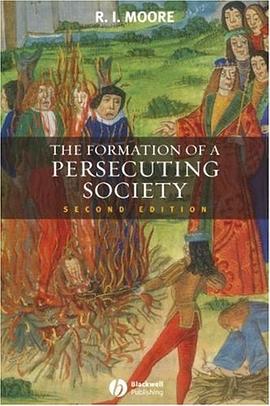
The tenth to the thirteenth centuries in Europe saw the appearance of popular heresy and the establishment of the Inquisition, the expropriation and mass murder of Jews, and the propagation of elaborate measures to segregate lepers from the healthy and curtail their civil rights. These were traditionally seen as distinct and separate developments, and explained in terms of the problems which their victims presented to medieval society. In this stimulating book, first published in 1987 and now widely regarded as a a classic in medieval history, R. I. Moore argues that the coincidences in the treatment of these and other minority groups cannot be explained independently, and that all are part of a pattern of persecution which now appeared for the first time to make Europe become, as it has remained, a persecuting society. In this new edition, R. I. Moore updates and extends his original argument with a new, final chapter, ldquo;A Persecuting Societyrdquo;. Here and in a new preface and critical bibliography, he considers the impact of a generationrsquo;s research and refines his conception of the ldquo;persecuting societyrdquo; accordingly, addressing criticisms of the first edition.<br/><br/>The tenth to the thirteenth centuries in Europe saw the appearance of popular heresy and the establishment of the Inquisition, the expropriation and mass murder of Jews, and the propagation of elaborate measures to segregate lepers from the healthy and curtail their civil rights. These were traditionally seen as distinct and separate developments, and explained in terms of the problems which their victims presented to medieval society. In this stimulating book, first published in 1987 and now widely regarded as a a classic in medieval history, R. I. Moore argues that the coincidences in the treatment of these and other minority groups cannot be explained independently, and that all are part of a pattern of persecution which now appeared for the first time to make Europe become, as it has remained, a persecuting society.In this new edition, R. I. Moore updates and extends his original argument with a new, final chapter, "A Persecuting Society". Here and in a new preface and critical bibliography, he considers the impact of a generation's research and refines his conception of the "persecuting society" accordingly, addressing criticisms of the first edition.
作者简介
目录信息
读后感
用户评价
这本《The Formation of a Persecuting Society》无疑是社会学和历史学领域内一部极具冲击力的著作,它对中世纪晚期和早期现代欧洲社会中“迫害范式”的形成进行了深入而细致的剖析。作者巧妙地将权力结构、宗教教义与社会心理层面的集体焦虑编织在一起,描绘出一幅从边缘群体被“他者化”到系统性迫害建立的复杂图景。我尤其欣赏其对法律和制度演变过程的考察,它清晰地展示了精英阶层如何利用意识形态工具,将社会内部的张力巧妙地转化为对特定群体的系统性攻击。例如,关于异端裁判所的运作机制,书中不仅仅停留在对酷刑和审判程序的描述,更深入探讨了地方性权力网络如何配合中央集权的需求,形成一个高效的、自我强化的迫害机器。这种跨学科的视角,使得原本枯燥的制度史研究变得生动而引人深思,迫使读者反思我们现代社会中,是否有类似的、潜藏的“迫害倾向”正在悄然酝酿。书中对“污名化”过程的精妙解构,至今仍在我脑海中挥之不去,它揭示了恐惧如何被制度化,并最终成为社会控制的基石。
评分这部作品在处理复杂的历史材料时,展现出一种近乎冷酷的客观性,但这种客观性背后蕴含着对人类脆弱性的深沉洞察。与其他关注中世纪宗教改革或文艺复兴的著作相比,它专注于那段黑暗、充满怀疑和系统性暴力的时期,并成功地将“迫害”提升为一种值得被严肃研究的社会学现象,而非仅仅是历史的污点。我被其对“模范受害者”和“模范加害者”形象塑造的社会学意义所吸引。当一个群体被明确定义为“绝对邪恶”时,对他们的镇压便获得了道德上的绝对高地。这本书的价值在于,它成功地“去神圣化”了这些历史过程,将其还原为权力博弈、社会焦虑、以及制度僵化的产物。读完后,我感到自己对历史的理解被彻底重构了,它让我意识到,构建一个友善的社会,远比构建一个“纯洁”的社会要困难得多,也重要得多。
评分这本书的文字风格极其冷峻、精确,学术性毋庸置疑,但其论证的逻辑链条却出乎意料地流畅且具有强大的说服力。与许多社会史著作侧重于微观个案不同,此书展现出宏大的结构性视野,它似乎在追溯一个庞大的社会“元叙事”的源头。我印象最深的是作者对于不同迫害类型——比如对犹太人的排斥、对异端的打击、以及对女性边缘群体的控制——之间存在着深刻的结构性同源性的论断。这种“结构同源性”的提出,极大地拓宽了我对“社会控制”概念的理解范围。它不再仅仅是关于政治高层的命令,而是一种渗透到社区、家庭、甚至个人良知层面的隐形契约。阅读过程中,我时常需要停下来,对照着我熟悉的现代社会现象进行反思,书中关于“想象的敌人”如何服务于内部团结的理论,至今仍让我感到不寒而栗。
评分读罢此书,我感受到一股近乎窒息的、对历史深层驱动力的敬畏。这本书的叙事节奏非常缓慢而密集,每一页都仿佛压着厚重的史料和难以言喻的人性阴暗面。它真正令人震撼之处,在于其对“共识的构建”这一核心主题的处理。作者并没有简单地指责某一个“恶人”或某一个“错误思想”,而是展示了在一个特定历史节点上,社会如何一步步地、看似合理地达成一致,去定义和消灭那些“不合群”的个体。这种细致入微的社会心理描摹,让我看到了集体偏执的温床是如何在日常的恐惧、谣言和教会的说教中逐渐成形的。那些关于巫术或瘟疫的记载,不再是简单的迷信事件,而是被作者置于社会资源分配不均和对既有秩序维护的巨大压力之下进行解读。它迫使我跳出二元对立的简单思维,去理解迫害者群体内部的动因和自我合理化机制,这才是真正的深刻。
评分坦白说,初读这本书时,我有些被其庞大的注释系统和对拉丁文、中古德语引文的引用所震慑,它无疑是一部献给专业学者的巨著。然而,一旦跨过最初的门槛,其核心论点如同利剑般精准地刺入了历史的核心。我尤其赞赏作者对“偶然性”与“必然性”之间辩证关系的把握。很多迫害事件的爆发似乎是偶然的冲突,但在作者的梳理下,这些偶然性背后,是早已被权力与意识形态铺设好的“必然”轨道。这种历史的“轨迹感”塑造得非常成功,它让你清晰地看到,社会在关键的历史转折点上,是如何一步步地关闭了通往宽容的大门,而选择了那条更具破坏性、但也更易于维护短期稳定的路径。对于任何想理解西方文明中“排他性”根源的读者来说,这都是一本无可替代的基石读物。
评分思路可以,文字啰嗦
评分思路可以,文字啰嗦
评分思路可以,文字啰嗦
评分思路可以,文字啰嗦
评分思路可以,文字啰嗦