
具体描述
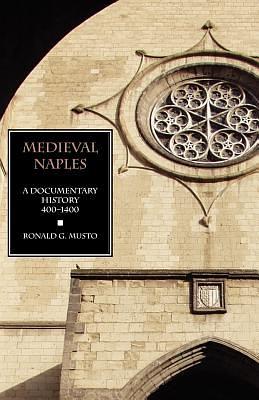
This is the first comprehensive English-language collection of sources yet to treat the city of Naples from late antiquity to the beginning of the Renaissance. Sources are drawn from its historical, economic, literary, artistic, religious and cultural life from the fall of Rome through the Byzantine, ducal, Norman, Hohenstaufen and Angevin periods. The Introduction offers a comprehensive survey of the periods covered, with a discussion of the historiography and of important research and interpretive issues. These include the material development of the city from late antiquity through the end of the Angevin period, the condition and use of the available primary sources and archaeological evidence, with particular attention given to the wide variety of recent excavations and of archival materials, the question of the ruralization and recovery of its urban core through the little known ducal period, Naples’ importance as a commercial and political capital, its developing economic and material base, and the issue of its relationship to its hinterland on the one hand and to broader Mediterranean contexts on the other. It also surveys changes in Naples’ urban plan, its walls, fortifications and port and its commercial and residential development. For the later Middle Ages, Musto traces Naples’ intellectual life and the complex historiography of what he terms the “black legend of the Angevins” and its continued impact on perceptions of Naples and the Italian South. Documents include chronicles and histories; archival materials, accounts, financial and commercial records, contracts, wills, notarial and legislative documents; poetry, romances, biographies, letters, travelers’ accounts and legends; liturgical and hagiographical texts; as well as examples of manuscript production and illustration, painting and architecture. 460 pages. Preface, introduction, notes and bibliography; appendices, including the Tavola Strozzi with key, Map of Medieval Naples with thumbnail key; index. 82 readings, 74 b&w figures, plus 60 thumbnail images. Links to online resources from A Documentary History of Naples, including image galleries with over 460 additional images in full color; and to full bibliographies with ongoing supplements.
作者简介
目录信息
读后感
用户评价
说实话,这本书的阅读体验是有些挑战性的,但绝对是值得的。它并非那种轻松愉快的消遣读物,而是需要你静下心来,细细品味其中蕴含的学术张力。作者在引用一手史料方面做得极为扎实,脚注密集且详尽,这对于严肃研究者来说是宝贵的财富,但也可能让普通读者感到略微吃力。我花了很长时间才消化完关于中世纪那不勒斯司法体系的那几章,里面的法律术语和案例分析相当复杂。然而,一旦你掌握了其中的逻辑框架,你会发现作者构建的这座历史大厦是多么的宏伟而精密。它迫使你去思考,在那个充满不确定性的时代,人们是如何建立秩序、维护尊严的。
评分这本书最吸引我的地方在于,它成功地“去神圣化”了中世纪的浪漫想象,展现了一个真实、充满矛盾与活力的那不勒斯城邦。它没有过度渲染骑士精神,反而坦诚地揭示了腐败、饥荒和阶级对立是如何在繁荣的表象下暗流涌动的。作者在分析不同时期社会阶层的流动性时,使用了大量的社会经济数据,使得论证更具说服力。我尤其欣赏他对瘟疫和自然灾害对城市结构影响的描述,这些“非人力因素”如何重塑了那不勒斯的命运,被描绘得极具戏剧张力。总而言之,这是一本不回避复杂性、敢于直面历史多面性的佳作,读完后对那个时代的理解更加立体和丰满了。
评分这本书展现了一种非常独特的叙事视角,它没有将那不勒斯孤立地看待,而是将其置于更广阔的欧洲和地中海背景下进行考察。这种跨区域的比较分析,极大地提升了本书的理论高度。我特别喜欢作者处理宗教与世俗权力关系的方式,那不勒斯大主教的影响力有时甚至超越了王室法令,这种微妙的平衡被展现得淋漓尽致。书中的图版和地图选择非常考究,为理解复杂的地理和政治布局提供了极大的帮助。我曾尝试在网上寻找相关资料来印证书中的某些论点,但发现许多细节只有在这本书中才能找到扎实的依据。对于想要深入研究“南方问题”源头的读者而言,这本书无疑提供了坚实的基础。
评分我必须承认,我最初拿起这本书时,是抱着一种比较功利的心态——想快速了解中世纪那不勒斯的生活片段。然而,这本书的深度完全超出了我的预期。它不仅仅是一部历史陈述,更像是一幅徐徐展开的社会风俗画卷。作者对日常生活细节的捕捉令人惊叹,从贵族阶层的服饰礼仪,到平民百姓的饮食起居,再到手工业行会的运作方式,都描绘得栩栩如生。特别是关于城市规划和建筑风格演变的部分,我感觉自己像是在一位老导游的带领下,走过了那些古老的街道和教堂。语言风格典雅而不失生动,读起来非常流畅,即使是对于非专业读者来说,也能轻松进入状态。它成功地将冰冷的历史事件,注入了鲜活的人文关怀。
评分这本书简直是历史爱好者的福音,特别是对于那些对意大利南部,特别是那不勒斯在中世纪时期的社会、政治和文化风貌感兴趣的人来说。作者的笔触细腻入微,仿佛带着读者穿越回那个刀光剑影与艺术辉煌并存的时代。我尤其欣赏他对当时权力结构的梳理,从安茹王朝到阿拉贡家族的更迭,每一个转折点都被剖析得入木三分。书中对那不勒斯作为地中海贸易枢纽的地位的论述,也让我对那个时期欧洲经济格局有了更宏观的理解。读完后,那种身临其境的感觉久久不能散去,仿佛能闻到港口空气中混合着香料和海水的味道。唯一美中不足的是,某些关于地方行政区划的章节略显冗长,但瑕不掩瑜,总体来说,这是一部令人深思、极具学术价值的作品。
评分 评分 评分 评分 评分