具体描述
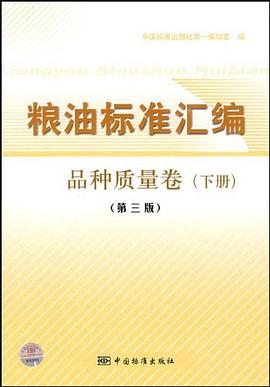
《粮油标准汇编(品种质量卷下)》自2005年出版发行以来,给粮油行业的相关单位和人员查询、了解标准带来方便,受到他们的欢迎。目前,书中收录的一些标准已经被新标准代替,同时也有一些新制定的标准需要增补进来,因此,有必要对《粮油标准汇编(品种质量卷下)》进行修订。
由于新增加一些标准导致篇幅增加,本次修订将《粮油标准汇编 品种质量卷(第三版)》分为上、下册,上册包括原粮品种质量标准、原粮加工产品品种质量标准,下册包括油料品种质量标准、油脂品种质量标准、油料其他加工品品种质量标准,以方便读者按类别使用。本册为《粮油标准汇编 品种质量卷(第三版)》的下册,收集了截至2009年3月底发布的有关粮油品种质量的标准共计59项,其中国家标准40项,行业标准19项。
本册收集的国家标准、行业标准的属性已在目录上标明(GB或GB/T,1S/T,1Y,NY或NY/T,SB/T等),年号用四位数字表示。鉴于部分国家标准、行业标准是在标准清理整顿前出版的,现尚未修订,故正文部分仍保留原样;读者在使用这些标准时,其属性以本目录上标明的为准(标准正文“引用标准”中标准的属性请读者注意查对)。
本册可供从事粮油生产、贸易、储藏、检验、科研的相关机构以及粮油标准化机构的相关人员使用。
《粮油标准汇编》:一份关于粮食与食用油行业规范的深度解析 《粮油标准汇编》并非一本简单的技术手册,而是一部系统性、权威性的行业规范指南。它如同一个精密运转的齿轮,将粮食生产、加工、储存、运输、贸易以及食用油的生产、检测、分级等各个环节紧密地串联起来,确保了整个粮油产业链的健康、高效与安全。本书旨在为从事粮油相关行业的专业人士、科研机构、政府监管部门以及广大消费者提供一个全面、准确、可信赖的知识框架,促进我国粮油行业的标准化发展,提升产品质量和市场竞争力,保障国家粮食安全和人民群众的“舌尖上的安全”。 内容涵盖的广度与深度 本书的结构设计精巧,内容涵盖了粮油行业各个细分领域的重要标准。 粮食部分: Grain Standards: This section delves into the fundamental standards governing various staple grains, including but not limited to wheat, rice, corn, soybeans, and barley. It meticulously details quality parameters such as moisture content, impurity levels, grain integrity, foreign matter identification, and the permissible limits for various defects. Furthermore, it outlines the testing methodologies and analytical techniques required to assess these parameters, ensuring consistency and accuracy in grain grading and classification. Specific standards for different varieties and intended uses (e.g., milling wheat, brewing barley) are also addressed, highlighting the nuanced requirements for each. Commodity Inspection and Quarantine: A critical component of food safety, this part addresses the stringent standards and procedures for the inspection and quarantine of imported and exported grains. It covers pest and disease detection, residue analysis (pesticides, veterinary drugs), heavy metal testing, and mycotoxin assessment. The aim is to prevent the introduction of harmful contaminants and ensure that exported grains meet international quality and safety requirements. Storage and Transportation: Recognizing that quality can degrade throughout the supply chain, this section focuses on standards related to the safe and effective storage and transportation of grains. It includes guidelines on ideal storage conditions (temperature, humidity), pest control measures in storage facilities, and appropriate packaging and transportation methods to maintain grain quality and prevent spoilage. Processing Standards: For grains destined for further processing, the book outlines standards for milling, refining, and other processing activities. This includes specifications for flour particle size, oil extraction rates, and the acceptable levels of processing aids. Edible Oil Section: Edible Oil Quality Standards: This comprehensive section meticulously defines the quality parameters for various types of edible oils, including but not limited to soybean oil, rapeseed oil, peanut oil, sunflower oil, and olive oil. It details requirements for physical and chemical properties such as refractive index, specific gravity, acid value, peroxide value, saponification value, and unsaponifiable matter. Furthermore, it specifies the acceptable limits for impurities, color, odor, and taste, ensuring the purity and edibility of the oil. Nutritional and Health Standards: Beyond basic quality, this part addresses standards related to the nutritional composition and health aspects of edible oils. It may include guidelines on fatty acid profiles (saturated, monounsaturated, polyunsaturated), vitamin content (e.g., Vitamin E), and the absence or permissible levels of undesirable compounds such as trans fats and cholesterol. Testing and Analysis Methods: Crucial for enforcing quality standards, this section provides detailed methodologies for the analytical testing of edible oils. It covers techniques for determining physicochemical properties, identifying adulterants, and quantifying specific components, ensuring that laboratories can reliably assess oil quality. Packaging and Labeling: Standards related to the packaging and labeling of edible oils are thoroughly examined. This includes requirements for packaging materials to prevent contamination and preserve quality, as well as accurate and informative labeling that details the product's name, net content, ingredients, production date, expiration date, manufacturer information, and nutritional information, empowering consumers to make informed choices. Food Safety and Hygiene: This part highlights the critical food safety and hygiene standards that must be adhered to throughout the edible oil production process. It encompasses guidelines on Good Manufacturing Practices (GMP), Hazard Analysis and Critical Control Points (HACCP), and strict hygiene protocols to prevent microbial contamination and ensure the safety of the final product. 核心价值与应用 《粮油标准汇编》的价值体现在其多方面的应用: 指导生产与加工: 为粮油的种植、收购、储存、运输、加工等各个环节提供了明确的操作规范和质量控制要求,帮助企业提高生产效率,降低损耗,确保产品质量。 支撑贸易与流通: 作为国际和国内贸易的重要依据,标准化的产品 facilita es de intercambio comercial, reduce las barreras técnicas y promueve la competencia justa en el mercado. 保障食品安全: 通过设定严格的质量和安全指标,本书有助于从源头上控制食品安全风险,保护消费者健康。 促进科研与创新: 为相关领域的科研人员提供了基础性的数据和参考,推动粮油科技的进步和产业的升级。 提升监管效能: 为政府监管部门提供了科学、客观的执法依据,有助于加强市场监管,打击假冒伪劣产品。 《粮油标准汇编》并非一成不变的静态文本,它随着科技的进步、市场需求的变化以及国际标准的更新而不断修订和完善。本书的出版,标志着我国粮油行业在规范化、标准化道路上迈出了坚实的一步,为构建安全、优质、高效的粮油产业体系奠定了坚实的基础。