
具体描述
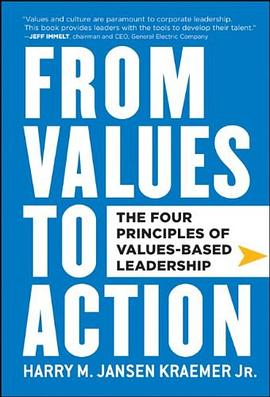
Respected former CEO, professor, and speaker examines what it takes to become a values-based leader In this highly-anticipated book, Harry Kraemer argues that today's business environment demands values-based leaders who, in "doing the right thing," deliver outstanding and lasting results. The journey to becoming a values-based leader starts with self-reflection. He asks, "If you are not self-reflective, how can you know yourself? If you do not know yourself, how can you lead yourself? If you cannot lead yourself, how can you lead others?" Kraemer identifies self-reflection as the first of four principles that guide leaders to make choices that honor their values and candidly recounts how these principles helped him navigate some of the toughest challenges he faced in his career. Offers a framework for adopting the principles of values-based leadership?self-reflection, balance, true self-confidence, and genuine humility?to lead organizations effectively Based on Kraemer's popular Kellogg MBA course on values-based leadership A recognized expert in values-based leadership, Kraemer is a sought after speaker on the subject Lively and engaging, Kraemer's book comes at a critical time when true leadership in every facet of society is desperately needed.
Q&A with Harry M. Jansen Kraemer, Jr.
Why did you write this book?
Values-based leadership has been the foundation of my leadership throughout my career. These values are rooted in the way I was raised and the lessons my parents taught me. Over the years, I have also mentored others in values-based leadership in order to increase their satisfaction and effectiveness, and to help them build a values-based team. Now, as a professor of management and strategy at Northwestern University’s Kellogg School of Management, I teach values-based leadership. My students have encouraged me to write a book, as did many others. For me spreading the word about values-based leadership—which is needed more than ever at this time—is a passion and a mission. With a perceived leadership deficit in many facets of society from business to government, values-based leadership can be a powerful solution to address the need for leadership that inspires, informs, and invites followership.
What makes someone a values-based leader?
Leaders influence others. Values-based leaders take it to the next level, using their words, actions, and example to inspire and motivate others to pursue what matters most. For the values-based leader, what matters most is the greater good—the positive change that can be effected in any organization or activity whether on a local basis or a global level. Values-based leaders take the time to discover and reflect on what is most important to them, and they use their values as the basis of their decisions and actions.
At what level can someone become a values-based leader?
Values-based leadership is possible for anyone to achieve—from the college graduate starting a first job to a senior executive. Every organization—for-profit, not-for-profit, government—needs values-based leaders. All it takes is a desire to do the right thing by making choices and decisions that are aligned with your values. I embraced values-based leadership a long time ago when I was a junior member of a team that was working in cubicles. I never knew when or if I would be promoted out of those cubicles. No matter what, I told myself, I was committed to making a difference with my life in whatever way I could. As my career progressed, eventually becoming chairman and CEO of a $10 billion global healthcare company, I continued to follow values-based leadership, treating others with respect and never putting my own needs and desires ahead of the goals of my team or the organization.
What are the principles of values-based leadership?
The four principles are: (1) self-reflection, which increases self-awareness; (2) balance, which encourages you to seek multiple perspectives to gain a global perspective; (3) true self-confidence, which helps you identify your strengths and weaknesses and to feel comfortable in your own skin; and (4) genuine humility, which keeps you from forgetting where you came from, no matter what your title or level of accomplishment. Together they form a foundation of values-based leadership. They may appear simplistic, but they are a lifelong discipline. In the book, I go into detail about what each of the principles has meant to me and how leaders at all levels can use them to embark on their own journey of values-based leadership.
How do the four principles work together as a foundation for leadership?
The principles will help you lead and influence others, regardless of your level in the organization. The principles will also help you, as a values-based leader, to build a values-based organization. You will develop a team of people who are also aligned with values—theirs and those of the organization. You will make sure the values are reflected in the organization’s strategy, how it communicates, how it treats people, how it creates alignment, how it develops talent, and so forth. At every juncture, values are the foundation—particularly when an organization faces change, controversy or crisis. When you know what your values are and the values that the organization stands for, making decisions even in the most difficult circumstances becomes clearer: You will do the right thing.
作者简介
目录信息
读后感
4月27日从亚马逊的邮件中看到了该书,立刻下载到kindle上,初读之下,倍感畅快。大约因为作者是从企业界功成身退,进入学界的缘故,无论观点还是行文表述,很对我这种在企业中的实践者的胃口。于是尝试翻译。到5月12日,译完前言及前9章内容,后来工作繁忙,只好暂停。端午休假...
评分Kellogg商学院名师,上课互动特别多,也通过很多自己的故事来阐述这本书的精髓。 self -reflection: know yourself, lead yourself balance - ability to understand all slices of an issue, life balance true self-confidence - recognize what I know/don't know genuine h...
评分4月27日从亚马逊的邮件中看到了该书,立刻下载到kindle上,初读之下,倍感畅快。大约因为作者是从企业界功成身退,进入学界的缘故,无论观点还是行文表述,很对我这种在企业中的实践者的胃口。于是尝试翻译。到5月12日,译完前言及前9章内容,后来工作繁忙,只好暂停。端午休假...
评分4月27日从亚马逊的邮件中看到了该书,立刻下载到kindle上,初读之下,倍感畅快。大约因为作者是从企业界功成身退,进入学界的缘故,无论观点还是行文表述,很对我这种在企业中的实践者的胃口。于是尝试翻译。到5月12日,译完前言及前9章内容,后来工作繁忙,只好暂停。端午休假...
评分4月27日从亚马逊的邮件中看到了该书,立刻下载到kindle上,初读之下,倍感畅快。大约因为作者是从企业界功成身退,进入学界的缘故,无论观点还是行文表述,很对我这种在企业中的实践者的胃口。于是尝试翻译。到5月12日,译完前言及前9章内容,后来工作繁忙,只好暂停。端午休假...
用户评价
这本书给我的感觉,与其说是在“阅读”,不如说是在进行一场漫长而艰苦的“心理矫正训练”。我注意到,作者的写作风格非常克制和内敛,没有过多的情感渲染,所有的力量都凝聚在对事物本质的穿透性描述上。尤其让我印象深刻的是关于“行动的锚点”的探讨,书中详细论述了环境、习惯以及社会情境是如何悄无声息地重塑我们的执行力。我过去总觉得,只要“决心”够大,任何行动都能启动,但这本书彻底颠覆了我的这种朴素认知,它将“行动”这个看似简单的行为,分解成了无数个相互依赖的小系统。这种精密的解构,让我想起了一部结构复杂的交响乐,每一个声部都不可或缺,一旦某个环节失衡,整体的和谐便荡然无存。我甚至开始重新审视我的工作流程和生活空间,试图找出那些无形的“摩擦力”,从而减少行动的启动成本。这是一本需要反复研读,并将其理论应用于实践后才能真正体会其深意的作品。
评分如果用一个词来形容这本书给我的感受,那就是“颠覆性”。我以前接触过不少关于效率和目标设定的书籍,它们大多侧重于外在工具和时间管理技巧,但这本书却像一把手术刀,直插“为什么我们无法执行”的核心。作者对人类动机的分析极其深刻,他没有将我们视为纯粹的理性机器,而是充分考虑了情绪的惰性、对不确定性的天然抗拒,以及我们如何通过“未来自我”的视角来规避眼前的责任。书中有一段话提到,我们总是在为那个“更自律的未来自己”预留犯错的空间,这简直是对我日常行为的精准描摹。这种描述的精准度,让人感到一丝寒意,但也正是这种毫不留情的揭示,才真正具备了改变的力量。这本书的语言风格虽然严谨,但在关键时刻会爆发出惊人的洞察力,仿佛是在黑暗中点亮了一盏强光灯,让我看清了自己一直在原地踏步的原因。它不是教你如何跑得更快,而是让你明白为什么你从未真正起跑。
评分这本书读完后,我的内心久久不能平静,它像一把锋利的刻刀,精准地剖开了我过往的行为模式。我一直以为自己对“做事情”有着清晰的认识,但这本书却像一面魔镜,照出了我内心深处那些模糊不清、自我欺骗的角落。作者似乎拥有洞悉人心的能力,他并不直接告诉我该怎么做,而是通过一系列深刻的观察和细腻的心理剖析,引导我自行去探索那些阻碍我从“想”到“做”的真正障碍。我尤其欣赏其中关于“意图与执行的鸿沟”的论述,书中没有使用那些空泛的励志口号,而是扎根于日常生活的琐碎与挣扎,将那些我们习以为常的拖延、自我怀疑,以及对完美主义的盲目崇拜,描绘得入木三分。阅读过程中,我常常需要停下来,深深地呼吸,因为书中的某些段落仿佛直接针对我的思维定式发起了挑战,那种被看穿却又无可辩驳的感觉,让人既痛苦又兴奋。它不是一本教你“秘籍”的书,而是一次深刻的自我对话,促使我们重新审视那些看似理所当然的“价值”,并思考它们如何真正落地为有意义的“行动”。这本书的价值在于,它迫使你走出舒适区,正视行动的本质,而非沉溺于美好的想象之中。
评分坦率地说,这本书的阅读体验有些“硬核”,它绝非那种可以轻松翻阅、读完就扔的快餐读物。它的结构精巧而严密,逻辑链条环环相扣,稍不留神就可能跟不上作者的思路。我发现,这本书更像是一部经过精心打磨的哲学辩论集,作者不断地抛出新的概念框架,然后用强有力的论据去支撑,同时又对这些框架本身进行批判性的反思。我花了大量时间去理解其中关于“承诺的结构性偏差”的部分,书中对我们如何低估执行难度、高估自身意志力的分析,让我这个自诩为理性决策者的人感到震惊。它要求读者具备高度的专注力和抽象思维能力,那些关于认知负荷、决策疲劳的描述,都建立在扎实的心理学基础之上,使得整本书充满了知性的力量。我没有在其中找到任何可以轻松复制的“三步走”方案,相反,它提供的是一套复杂的认知工具箱,需要读者花费时间去磨合和学习如何使用。这本书更适合那些对底层逻辑有强烈探求欲,并且不畏惧面对复杂思考过程的读者。
评分这本书带给我的是一种宁静的觉醒,而非激烈的冲击。它不像那些充满肾上腺素的成功学著作,而是像一位睿智的长者,用沉稳的语调阐述宇宙的法则——关于我们自身行动法则的法则。我欣赏作者的深厚积累,书中引用的案例和理论跨越了多个学科领域,但所有的知识最终都汇聚成一个核心议题:如何构建一个能够自动导向我们所珍视的目标的系统。我特别关注其中关于“价值的沉降过程”的论述,它清晰地界定了什么是真正的“拥有”——不是对概念的理解,而是通过重复、一致的实践所形成的内在反应模式。在阅读这本书的过程中,我感觉自己的注意力被重新校准了,不再被那些短暂的、表层的“成功指标”所诱惑,而是开始专注于那些缓慢但确凿的、形成长期驱动力的“结构性改进”。这本书更像是为心灵提供了一个坚固的地基,一旦地基稳固,上层建筑的搭建便水到渠成。读完后,我没有急于去尝试什么“新方法”,而是花时间去消化和重建自己对“做”这件事的根本认识。
评分Very readable and best leadership book I've read. Highly recommended.
评分Very readable and best leadership book I've read. Highly recommended.
评分Very readable and best leadership book I've read. Highly recommended.
评分Very readable and best leadership book I've read. Highly recommended.
评分Very readable and best leadership book I've read. Highly recommended.