
具体描述
【内容简介】
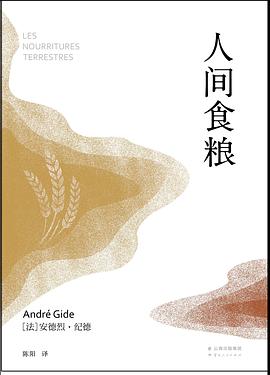
《人间食粮》是法国作家纪德的散文作品集。纪德游历北非和意大利之后,以沿途漫游为线索,以虚拟的女神为倾诉对象,描摹异国风情,抒发人生感怀,文字如诗如画、形式多样,包含传统的短诗、颂歌、旋曲等。在书中,纪德用炽热之情呼唤用脚步去丈量大地,用文字表达真实的感受。他蔑视传统道德,提倡自由,尤其强调对自然对人生的强烈感受,并以这种感受作为精神食粮。
【编辑推荐】
《人间食粮》主张从书本“返回”到大地,它反对“观念”,一切听从“感性”的呼唤。
“希望你是因为我的书而对自己产生了兴趣,继而对其他一切都有了更大的兴趣。”
生命的激情像宗教一般神圣,任何感觉都是一种无限的存在。只有你感觉到了,一切才真正有意义。
此书可谓纪德本人最激越的精神独白,被奉为“不安的一代人的《圣经》”。
作者简介
安德烈·纪德(Andre Gide,1869.11.22—1951.2.19),法国著名作家,1947年获诺贝尔文学奖。保护同性恋权益代表。主要作品有小说《田园交响曲》、《伪币制造者》等,散文名著《人间食粮》等。
从法国文学发展史的轨迹来看,纪德就是一座联接古典与现代的桥梁,他既是19世纪巴尔扎克、雨果、福楼拜和波德莱尔、马拉美的文学传统的忠实传承者,又是新一代文风的伟大开创者。
纪德的思想影响了西方整整三代人,为西方在现实的压抑下痛苦地追求真诚和自由的心灵树立了榜样。他的思想深深影响了萨特、加缪等众多思想家、文学家,他们都曾将纪德视为自己的精神导师。
目录信息
读后感
我的理解 ——读《人间食粮》 文/唐斯婷 “抛弃自己的优越感吧,它是思想的一大包袱。” 所谓的优越感,只不过是自欺欺人的方式之一,你越是小心谨慎地保护它,它只会给你一个结果:身受束缚。 不断地否定自我,甚至承认“我”是不存在的。忘我的时候,我们的人生反而更从容地...
评分为什么不出盛澄华译本的精装?! 为什么不出盛澄华译本的精装?! 为什么不出盛澄华译本的精装?! 为什么不出盛澄华译本的精装?! 为什么不出盛澄华译本的精装?! 为什么不出盛澄华译本的精装?! 为什么不出盛澄华译本的精装?! 为什么不出盛澄华译本的精装?!
评分 评分1 微风嬉戏, 抚弄百花。 我全心倾听 人世头个早晨的歌声。 早晨的陶醉、 裸露的阳光、花瓣, 全都沾满了朝露⋯⋯ 不要过分等待, 听从最亲切的劝告吧, 让未来 慢慢地占住你。 日光温暖的抚摩 变得如此悄然, 即使最胆怯的心灵, 也会沉迷于爱情。 人生到世上就是为了...
评分其实我不会起标题。 一、 这是我第二次读《Les nourritures terrestres》这本书了。为什么要使用法语的原文标题呢?原因在于我第一次看的是李玉明《人间食粮》这个译本,而这一次读的确实盛澄华先生翻译的《地粮》。 在拿到书之前就从不同的角度了解到译文的编辑对于盛澄...
用户评价
《人间食粮》这本书,对我而言,更像是一次心灵的洗礼。作者的笔触极为细腻,仿佛能洞察人心最隐秘的角落。我特别喜欢书里对“失去”与“获得”的探讨,它并非以一种煽情的方式呈现,而是通过对生活细枝末节的描绘,让读者自己去体会那种失而复得的喜悦,或是难以弥补的缺憾。书中有个场景,描写了一位老人,在多年后重新回到故乡,发现儿时熟悉的场景早已物是人非。他走过曾经的玩耍之地,触碰着斑驳的墙壁,试图找回那段珍贵的记忆。作者没有用过多的词语去渲染他的悲伤,而是通过对老人眼神的捕捉,对他细微动作的描绘,将那种复杂的情感表达得淋漓尽致。这种不动声色的力量,反而更具穿透力。它让我思考,我们在追求物质生活的同时,是否也忽略了那些精神上的“食粮”?那些曾经的经历,那些教会我们成长的人,才是我们生命中最宝贵的积淀。这本书教会我,珍惜当下,感恩过往,并以更加平和的心态去面对生活的起伏。
评分This novel, "人间食粮," offers a profound exploration of the human condition through its intricate character studies and evocative descriptions. I found myself completely immersed in the narrative, drawn into the lives of the individuals the author so skillfully portrays. There was a particular chapter detailing the quiet resilience of a woman facing adversity, her inner strength manifesting not in grand gestures, but in the everyday act of tending to her small garden. The author meticulously described the way she coaxed life from the soil, the way she found solace in the cyclical rhythm of nature. It was a powerful depiction of hope and perseverance, a subtle reminder that even in the darkest of times, there is always the possibility of growth and renewal. The language used is rich and nuanced, painting vivid images in the reader's mind. It's the kind of book that stays with you long after you've turned the last page, prompting reflection on your own life and the choices you've made. It's a work that speaks to the quiet battles fought and won within the human heart, celebrating the indomitable spirit that resides in us all.
评分读完《人间食粮》,我感觉自己仿佛经历了一场关于“成长”的旅程。作者并没有直接讲述一个循序渐进的成长故事,而是通过描绘不同年龄段的人物,在各自的生活境遇中展现出的变化和感悟。我尤其欣赏书中关于“选择”的描写。书中有一个青年,在面临人生道路上的重要抉择时,内心充满了迷茫和挣扎。作者并没有给予他一个明确的答案,而是细致地描绘了他内心的辩驳,他对于不同可能性的考量,以及最终他所做出的那个充满勇气和担当的选择。这种对人性复杂性的深刻理解,让我对“成长”有了更深的认识。它不仅仅是年龄的增长,更是心智的成熟,是对自我认知和责任的承担。这本书让我思考,我们在人生的不同阶段,又将如何去“选择”,又将如何去“成长”?它就像一位智者,用温和的语言引导我去探索这些生命中最重要的问题。
评分The narrative in "人间食粮" is characterized by its remarkable subtlety and emotional resonance. The author possesses an uncanny ability to evoke powerful feelings through understated prose. I vividly recall a scene that captured the bittersweet experience of nostalgia. It centered around a character revisiting a place from their childhood, encountering familiar landmarks that had undergone subtle transformations. The author focused on the sensory details—the scent of rain on pavement, the feel of worn stone—and the internal monologue of the character as they grappled with the passage of time and the impermanence of memory. This wasn't a dramatic recounting of events, but a quiet exploration of the complex emotions that accompany remembrance. It highlighted how our past shapes our present, and how the echoes of what once was continue to influence who we are. The book’s strength lies in its ability to connect with the reader on a deeply personal level, prompting reflection on our own journeys and the memories that define us. It’s a testament to the author’s skill in weaving together narrative and emotion.
评分There's an undeniable authenticity that permeates "人间食粮," making it a truly compelling read. The author's keen observation of human behavior and motivations is evident throughout. I was particularly moved by a segment that focused on the quiet acts of kindness that often go unnoticed. It described a stranger offering assistance to someone struggling with a simple task, the interaction brief and devoid of expectation, yet leaving a profound positive impact. The author managed to capture the subtle beauty of these unheralded moments, emphasizing how such gestures, however small, can illuminate the human spirit and foster a sense of interconnectedness. It served as a gentle reminder that empathy and compassion are powerful forces in our lives, often expressed in the most unassuming ways. This book offers a unique perspective on the fundamental elements that sustain us, not just physically, but emotionally and spiritually. It’s a deeply humanistic work that celebrates the inherent goodness that can be found in everyday interactions, making it a truly enriching experience.
评分读《人间食粮》的过程,我感觉像是走进了一个充满人情味的老街区,每一个角落都散发着熟悉而温暖的气息。作者对人物的塑造极其到位,他们不是高高在上的圣人,也不是完美的英雄,而是有着各种各样缺点和烦恼的普通人。我印象深刻的是书中关于一位中年男人努力维持家庭的故事。他可能在工作中遭遇挫折,可能在生活中感到疲惫,但他依然坚韧地承担起自己的责任,用自己的方式守护着家人。作者没有去夸大他的伟大,而是细致地描绘了他每一次的努力,每一次的坚持,以及那些藏在心底的担忧和期盼。正是这种真实,让我对书中的人物产生了深深的共鸣。我仿佛看到了自己的父亲,自己的朋友,甚至看到了我自己。这本书让我思考,什么是真正的“食粮”?它不仅仅是维持生命的食物,更是支撑我们精神、慰藉我们心灵的那些无形的力量。那些爱、那些陪伴、那些共同经历的风雨,才是我们最宝贵的财富。这本书就像一面镜子,照出了我们内心深处最柔软的部分,也激发了我们去更加珍视身边的人和事。
评分I've always been drawn to stories that delve into the complexities of human relationships, and "人间食粮" certainly delivers. The author has a remarkable talent for capturing the unspoken nuances of interactions between people. I was particularly struck by a passage that depicted a strained conversation between a father and his adult son. The words exchanged were few, but the underlying emotions—regret, misunderstanding, a yearning for connection—were palpable. The author masterfully used silence and subtle gestures to convey the depth of their unspoken feelings. It was a stark reminder of how often we fail to communicate effectively, how easily bridges can be built or broken by the words we choose, or choose not to say. The book doesn't offer easy answers; instead, it invites the reader to ponder these universal human dilemmas. It’s a thought-provoking work that encourages introspection and a deeper appreciation for the efforts involved in maintaining meaningful connections with others. The realism and emotional honesty of the writing are truly commendable, making it a truly engaging read.
评分《人间食粮》这本书,给我带来的最深刻的感受,是一种对“平凡”的重新定义。作者似乎有一种魔力,能够将生活中最普通、最寻常的事物,赋予一种独特的生命力。我记得其中一段,描绘的是一位母亲在夜晚为孩子掖被角的情景。没有华丽的辞藻,没有惊心动魄的情节,只是一个再普通不过的家庭日常。但作者通过对灯光在孩子脸上的投射,母亲指尖的温度,以及那轻轻的叹息,将这份母爱的伟大,这份对家庭的守护,描绘得如此动人。它让我意识到,很多时候,我们所追求的“意义”和“价值”,并非遥不可及,而是就蕴藏在我们日常的点滴之中。这本书教会我,要学会发现生活中的美,要懂得感恩那些默默付出的人,更要学会去创造属于自己的“人间食粮”,那些能滋养心灵、温暖生命的力量。它是一种温和的提醒,让我们放慢脚步,去感受那些被我们常常忽略的美好。
评分我 must say, this book, "人间食粮," has a unique way of capturing the essence of human experience. The author's prose is almost poetic, yet grounded in reality. It's like reading a series of vignettes, each one a perfectly crafted miniature world. I particularly recall a passage that described a group of friends gathering for a simple meal, the conversation flowing easily, punctuated by laughter and shared memories. The way the author described the clinking of glasses, the aroma of the food wafting through the air, and the subtle shifts in their expressions, it all felt so incredibly authentic. It wasn't just about the food on the table; it was about the connection forged through shared moments, the unspoken understandings that bind people together. It reminded me of those spontaneous gatherings with my own friends, where the most elaborate feasts are often overshadowed by the simple joy of being in each other's company. The book doesn't preach or moralize; it simply presents these slices of life, allowing the reader to draw their own conclusions. It’s a testament to the power of observation and the ability to find profound meaning in the ordinary. Reading it makes me want to slow down, to savor the present moment, and to cherish the relationships that enrich my life.
评分《人间食粮》这本书,第一次翻开它,就被那细腻入微的笔触深深吸引。作者仿佛是一位经验丰富的画师,用文字调和出五彩斑斓的画面,将日常生活中那些容易被忽视的细节,描绘得生动鲜活。我记得书中有一段,细致地描写了一位老奶奶在清晨的集市上挑选蔬菜的场景,从她布满皱纹的手指摩挲着番茄表面的光滑,到她轻柔地将一把带着泥土芬芳的青菜放入篮中,每一个动作都充满了生活的韵味。作者并没有直接抒发情感,而是通过这些具象的描写,让读者自己去体会那种属于家的味道,那种属于年代的痕迹。那种质朴而温暖的力量,缓缓地渗透进我的心底,让我回想起小时候,外婆在厨房里忙碌的身影,空气中弥漫着饭菜的香气,那是无法用言语完全概括的幸福感。这本书就像一个宝藏,每一次阅读都能从中挖掘出新的感悟。它并非宏大的叙事,也不是跌宕起伏的情节,而是将目光聚焦于微小之处,却从中提炼出深刻的意义。这种对生活的热爱和对人性的洞察,让这本书在众多作品中脱颖而出,成为我书架上不可或缺的一部分。它提醒我,即使在平凡的日子里,也蕴藏着不平凡的美好,只要我们用心去感受,就能发现。
评分它象一篇漫长的情书,每一章每一段都在呼唤“纳塔奈尔”。
评分陈阳译版和李玉民译版,两版相互参照着读下来,发现陈阳版的更易读懂。若论起美感,两版皆有可取之处。
评分人间的食粮,精神的角落!
评分你永远也无法明了,我们作了多大的努力,才对生活发生了兴趣,而生活同任何事物一样,我们一旦感兴趣,就会忘乎所以。
评分竟然有生命之火的感觉,纪德的文笔太适合摘抄了