
具体描述
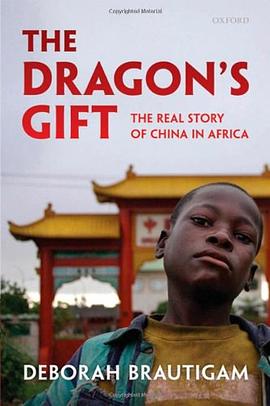
Is China a rogue donor, as some media pundits suggest? Or is China helping the developing world pave a pathway out of poverty, as the Chinese claim? In the last few years, China's aid program has leapt out of the shadows. Media reports about huge aid packages, support for pariah regimes, regiments of Chinese labor, and the ruthless exploitation of workers and natural resources in some of the poorest countries in the world sparked fierce debates. These debates, however, took place with very few hard facts. China's tradition of secrecy about its aid fueled rumors and speculation, making it difficult to gauge the risks and opportunities provided by China's growing embrace. This well-timed book, by one of the world's leading experts, provides the first comprehensive account of China's aid and economic cooperation overseas. Deborah Brautigam tackles the myths and realities, explaining what the Chinese are doing, how they do it, how much aid they give, and how it all fits into their "going global" strategy. Drawing on three decades of experience in China and Africa, and hundreds of interviews in Africa, China, Europe and the US, Brautigam shines new light on a topic of great interest. China has ended poverty for hundreds of millions of its own citizens. Will Chinese engagement benefit Africa? Using hard data and a series of vivid stories ranging across agriculture, industry, natural resources, and governance, Brautigam's fascinating book provides an answer. It is essential reading for anyone concerned with China's rise, and what it might mean for the challenge of ending poverty in Africa.
作者简介
Brautigam has been a recipient of a Fulbright Senior Regional Research Award for Africa, and a Fulbright-Hays Faculty Research Grant, and has also been awarded fellowships from the Council on Foreign Relations, the Woodrow Wilson International Center for Scholars, and the German Marshall Fund. She is the author of Chinese Aid and African Development: Exporting Green Revolution (St. Martin's Press, 1998) and Aid Dependence and Governance (Almquist & Wiksell, 2000), co-editor of Taxation and State-Building in Developing Countries: Capacity and Consent (Cambridge University Press, 2008) and some two dozen articles and book chapters on foreign aid, the political economy of development, and the politics of economic policy.
目录信息
读后感
推荐南风窗有一篇中国与非洲的文章可以看看 http://www.nfcmag.com/articles/1954/page/6
评分 评分 评分中国在非洲的真实故事(国际论坛) 殷 淼 一本由美国学者撰写的新书《龙的礼物:中国在非洲的真实故事》近日引起了关注。该书作者美利坚大学中非问题专家布罗伊蒂加姆从一个西方人的角度,有力地驳斥了“中国和非洲打交道只为寻求原材料”等在西方流传的种种荒诞言论。 ...
评分前两年俺看了一本书《白人的负担》,书的内容是讲对非洲的援助已经成了白人的负担的事。俺还写了一篇书评《西方援助收效甚微的根源正是作者不愿承认或者正视的——伪善!》西方人一面伪善的摇晃着手里的胡萝卜,把胡萝卜当指挥棒来要求非洲人按着他们的指挥缩减支出停止基础设...
用户评价
我必须承认,这本书让我第一次真正理解了“史诗感”这个词。它不仅仅是一个冒险故事,更像是对古老传说的一次深度挖掘,对人类与自然、与未知力量关系的哲学性探讨。主角艾莉雅在旅程中的成长,不仅仅是体能上的提升,更是精神层面的蜕变。她需要面对的,不仅仅是外在的敌人,更是内心的恐惧和疑虑。书中对于世界设定的宏大和细致,令人惊叹。从被魔法笼罩的古老森林,到星辰大海般辽阔的未知领域,每一个场景都仿佛跃然纸上,栩栩如生。那些古老的遗迹,那些被遗忘的语言,都暗示着一个更加深邃、更加广阔的世界观。作者巧妙地将这些碎片化的信息编织在一起,如同拼图一般,一点点揭示出隐藏在“龙的赠礼”背后的真相。
评分我很少会为了一本书熬夜,但《龙的赠礼》做到了。我迫不及待地想要知道接下来会发生什么,想要解开每一个伏笔。书中关于“赠礼”的解读,也远比我想象的要复杂。它并非物质上的馈赠,而是一种更深层次的觉醒,一种对生命本质的重新认识。艾莉雅在接受这份“赠礼”的过程中,也付出了巨大的代价,这些代价塑造了她,也让她更加理解这份赠礼的珍贵。作者对于人物内心世界的描绘,可谓是入木三分。艾莉雅的挣扎、她的痛苦、她的喜悦,都能够深深地触动读者的心弦。
评分我曾以为这仅仅是一个关于魔法和冒险的故事,但《龙的赠礼》所探讨的,远不止于此。它涉及到了牺牲、责任、以及人与人之间、人与自然之间更深层次的联系。艾莉雅并非一个完美的英雄,她的身上有着普通人的缺点和弱点,但正是这些不完美,让她显得更加真实,更加 relatable。当她面对巨大的挑战时,她的犹豫、她的彷徨,我都能够感同身受。而最终,她所爆发出的力量,又是如此令人振奋。
评分《龙的赠礼》的叙事节奏把握得非常出色。在紧张刺激的冒险场面之后,总会有一些舒缓而富有哲理的片段,让读者得以喘息,也能够更深入地理解故事的主题。我非常欣赏作者对于细节的把控,无论是环境的描写,还是人物的表情,都充满了生命力。那些古老的预言,那些神秘的符号,都如同散落在故事中的珍珠,等待着读者去发现和串联。而龙的出现,也并非只是为了推动剧情,它本身就代表着一种超越凡俗的力量,一种古老而神秘的智慧。
评分《龙的赠礼》这本书,我读完之后,心情久久不能平静。故事的开端就如同暴风雨前的宁静,主角艾莉雅的生活原本平静无波,直到那个神秘的夜晚,一个古老而强大的生物降临,彻底改变了她的一切。书中对龙的描绘,不仅仅是鳞片、翅膀和火焰的堆砌,更是一种震撼人心的存在感。作者笔下的龙,拥有着远超凡人的智慧和古老的历史,它并非简单的野兽,而是承载着某种使命,某种……赠礼。这个“赠礼”究竟是什么,在故事的初期,一切都是扑朔迷离。艾莉雅的反应,从最初的恐惧、不解,到逐渐的接纳、甚至是一种冥冥之中的吸引,这种转变被描绘得细腻而真实。她不再是那个安于现状的普通女孩,而是被命运的洪流裹挟,卷入了一场波及整个世界的宏大叙事。
评分这本书让我思考了很多关于“选择”的问题。在面对命运的岔路口,艾莉雅是如何做出艰难抉择的?她又是如何承担这些选择所带来的后果的?书中对于这些情节的刻画,充满了戏剧张力。那些看似微不足道的决定,最终却可能引发蝴蝶效应,改变整个世界的走向。而“龙的赠礼”,也并非是轻松获得的,它需要付出勇气、牺牲,甚至是对自我存在的挑战。我特别喜欢书中对于勇气一词的解读,它并非是不畏惧,而是在恐惧面前依然选择前进。
评分这本书最大的魅力,在于它层层剥茧的叙事方式。你以为你已经接近真相,但往往作者会抛出一个新的谜团,让你重新审视之前的一切。艾莉雅与龙之间的关系,是本书最引人入胜的元素之一。这种跨越种族的羁绊,不仅仅是简单的驯服或合作,更是一种灵魂的共鸣,一种对彼此存在意义的深刻理解。龙的视角,在书中被赋予了不同于人类的思考方式,它看待世界的方式,充满了古老而智慧的洞察力。而艾莉雅,则代表着人类的脆弱、坚韧以及无限的可能性。他们之间的互动,时而充满火花,时而又显得异常和谐,这种复杂而微妙的关系,正是本书情感张力的核心。
评分我不得不说,这本书带来的震撼,是持久而深远的。它不仅仅是一次阅读的体验,更是一次心灵的洗礼。艾莉雅的旅程,让我看到了普通人身上蕴含的巨大潜能。而“龙的赠礼”,则是一个引子,引导她去探索生命中那些更加宏大、更加神秘的课题。我非常喜欢书中对于“命运”和“自由意志”的探讨,在不可抗拒的力量面前,个体又该如何坚持自我?这份“赠礼”究竟是为了什么而存在?这些问题,在我合上书本之后,依然在我脑海中回响。
评分这本书的语言风格非常独特,充满了诗意和画面感。即便是在描写一些残酷的场景,也能够用一种别样的美感来呈现。我尤其喜欢书中对于“失落”和“寻觅”这两个主题的刻画。主人公在寻找“龙的赠礼”的过程中,其实也在寻找自己存在的意义。而这份“赠礼”,也并非是某个具体的物品,而是一种能够改变她人生轨迹的力量。那些隐藏在历史长河中的秘密,也如同电影镜头一般,在我脑海中一一闪过。
评分《龙的赠礼》所营造的氛围,简直是无与伦比。时而压抑,时而又充满希望。那些古老的咒语,那些被封印的力量,都让我对这个世界的可能性充满了遐想。艾莉雅的成长,不仅仅是她个人的成长,更是她对整个世界认知的升华。她开始理解,自己并非孤立的存在,而是与更广阔的宇宙紧密相连。龙的赠礼,究竟是福还是祸,亦或是两者皆有?这个问题,伴随着故事的推进,让我更加好奇。
评分这本快看死了的书……
评分马一下,一切缘分的开端
评分讲中国在非洲的投资。立场亲华到乍舌。好玩。推荐看。
评分官方数据资料欠缺,只好寻求西方学者的帮助。
评分今天的中国也在用自己过去三十年的发展经验去engage非洲的发展。作者对中国在非洲的大多所作所为还是持同情和认可的态度的。非洲不可能靠中国走上发展的道路,就像他们也不可能靠西方一样。他们是不是发展得好,不应该是中国来回答的问题。我们所要做的,第一,强调互惠互利;第二,对于环保、劳工、腐败问题的底线要划得更清楚些;第三,与国际上公认的极权政府保持距离。