
具体描述
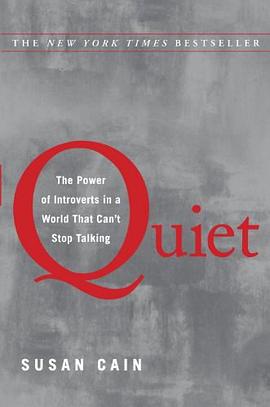
At least one-third of the people we know are introverts. They are the ones who prefer listening to speaking, reading to partying; who innovate and create but dislike self-promotion; who favor working on their own over brainstorming in teams. Although they are often labeled "quiet," it is to introverts that we owe many of the great contributions to society--from van Gogh’s sunflowers to the invention of the personal computer.
Passionately argued, impressively researched, and filled with indelible stories of real people, Quiet shows how dramatically we undervalue introverts, and how much we lose in doing so. Taking the reader on a journey from Dale Carnegie’s birthplace to Harvard Business School, from a Tony Robbins seminar to an evangelical megachurch, Susan Cain charts the rise of the Extrovert Ideal in the twentieth century and explores its far-reaching effects. She talks to Asian-American students who feel alienated from the brash, backslapping atmosphere of American schools. She questions the dominant values of American business culture, where forced collaboration can stand in the way of innovation, and where the leadership potential of introverts is often overlooked. And she draws on cutting-edge research in psychology and neuroscience to reveal the surprising differences between extroverts and introverts.
Perhaps most inspiring, she introduces us to successful introverts--from a witty, high-octane public speaker who recharges in solitude after his talks, to a record-breaking salesman who quietly taps into the power of questions. Finally, she offers invaluable advice on everything from how to better negotiate differences in introvert-extrovert relationships to how to empower an introverted child to when it makes sense to be a "pretend extrovert."
This extraordinary book has the power to permanently change how we see introverts and, equally important, how introverts see themselves.
作者简介
SUSAN CAIN is a consultant to major corporations and law firms on negotiation strategies and personal presentation style. She lives in the Hudson River Valley with her husband and two sons. Visit her website, ThePowerofIntroverts.com.
目录信息
Introduction: The North and South of Temperament 15
Part 1 The Extrovert Ideal
1 The Rise of the "Mighty Likeable Fellow": How Extroversion Became the Cultural Ideal 43
2 The Myth of Charismatic Leadership: The Culture of Personality, a Hundred Years Later 67
3 When Collaboration Kills Creativity: The Rise of the New Groupthink and the Power of Working Alone 128
Part 2 Your Biology, Your Self?
4 Is Temperament Destiny?: Nature, Nurture, and the Orchid Hypothesis 171
5 Beyond Temperament: The Role of Free Will (and the Secret of Public Speaking for Introverts) 200
6 "Franklin was a Politician, But Eleanor Spoke Out of Conscience": Why Cool is Overrated 225
7 Why Did Wall Street Crash and Warren Buffett Prosper?: How Introverts and Extroverts Think (and Process Dopamine) Differently 266
Part 3 Do All Cultures Have an Extrovert Ideal?
8 Soft Power: Asian-Americans and the Extrovert Ideal 307
Part 4 How to Love, How to Work
9 When Should You Act More Extroverted Than You Really Are? 347
10 The Communication Gap: How to Talk to Members of the Opposite Type 379
11 On Cobblers and Generals: How to Cultivate Quiet Kids in a World That Can't Hear Them 408
Conclusion: Wonderland 447
A Note on the Dedication 452
A Note on the Words Introvert and Extrovert 455
Acknowledgments 459
Notes 465
· · · · · · (收起)
读后感
很难相信这是某年度的最佳非虚构书。读这本书时从头到尾只感觉内向的自己被理解,并且很高兴有人为内向者写一本书,但令人失望的是并没有读到新知识。99%的篇幅描写内向人群的特征、心理、出发点、以及实验证明他们如何不比别人差,社会应该如何避免“偏向”外向者。如果你已经...
评分前段时间刚分享了Susan Cain 名为“The power of introverts 内向者的力量”的TED演讲(http://www.wisdomsnack.com/890.html),因为非常有共鸣,这几日正打算读她今年一月刚出版的新书 Quiet: The Power of Introverts in a World That Can’t Stop Talking,无意间发现了Chr...
评分“你知道我别无所求,只想有个安静的环境写写东西”,当我在校园里来来回回,来来回回地走,心心念念,心心念念地只有这句话。我不知道看起来偌大的校园,我要去哪里才能找到,才能找到一处没有白天和黑夜,没有喧嚣和吵闹,没有成群结队,没有熟人朋友的地方,任由我高兴就写...
评分”外向的人更倾向从外部世界寻找力量,而内向的人更倾向关注自己的内部世界“。 初看此书,我开始迷茫于自己到底属于外向还是内向。小时的记忆里,我始终是争强好胜并喜欢做焦点中心的人,不仅仅是需要学习很好被认可,而是喜欢自己有才华,尤其是艺术类,或者被大家喜欢,始终...
评分1、给内向者的建议:在周末的时候尽量保持自己安静的本性,在工作日里努力“走出自己的世界,流露出混合的性格,跟你的团队和同事联系,调动起你可以控制的一切能量”。(而如果你是个外向的人,你应该让你的周末回归本我变得疯狂起来,上课的时候专注于学业。) 2、你在某些领...
用户评价
我必须承认,这本书给我带来了一种前所未有的沉浸感。一旦我翻开了它,就很难再放下。我被深深地吸引住了,仿佛进入了一个属于我自己的私密空间,与书中的世界融为一体。作者的叙事方式,具有一种天然的吸引力,他能够巧妙地将读者带入到故事的进程中,去体验主人公的喜怒哀乐。我常常在阅读的时候,会忘记了时间,忘记了周围的一切。这种沉浸式的阅读体验,是评价一本书是否优秀的重要标准之一。我感谢作者能够带给我这样一次难忘的阅读旅程,让我有机会去探索一个充满深度和内涵的世界。
评分这本书带给我的,是一种久违的宁静感。在这个信息爆炸、节奏飞快的时代,我们常常被各种声音所包围,被各种欲望所裹挟。而这本书,就像是一股清流,让我有机会停下来,去感受内心深处的平静。我发现,很多时候,我们所追求的幸福,并非来自于物质的丰裕或者外界的认可,而是来自于内心的安宁和满足。作者通过主人公的经历,展现了如何在纷扰的世界中,找到属于自己的一方净土。这种“安静”的力量,并不是消极的逃避,而是一种积极的沉淀和积蓄。我从这本书中,学到了如何去拥抱独处,如何去倾听内心的声音,如何在喧嚣中保持一份从容。
评分让我惊叹的是,这本书的人物塑造。每一个人物,即使是出场不多的小角色,都仿佛拥有自己的生命。他们有血有肉,有优点有缺点,他们的行为和思想,都显得那么真实可信。我能够感受到他们之间的情感纠葛,他们的爱恨情仇,他们的挣扎与成长。作者并没有将人物简单地脸谱化,而是深入到他们的内心世界,去挖掘他们复杂的动机和情感。我尤其喜欢他对主人公内心世界的描绘,那种细致入微的刻画,让我觉得仿佛他就是我身边的朋友,我能够感同身受他的喜怒哀乐。这种真实的人物塑造,让整个故事更加生动,也更加引人入胜。
评分这本书的封面设计就有一种莫名的吸引力,不是那种张扬的、色彩斑斓的,而是一种沉静的、内敛的美。深邃的蓝色背景,点缀着几笔若隐若现的银色线条,仿佛夜空中的星辰,又像是深海中的微光。我甚至花了点时间去感受那种留白的设计,似乎在暗示着故事中蕴含着许多未曾言说的情感和留给读者想象的空间。当我翻开第一页,那种感觉就愈发强烈了。作者并没有立刻抛出什么惊心动魄的情节,而是用一种缓慢而细腻的笔触,勾勒出一种氛围。我感觉自己仿佛置身于一个被时间遗忘的角落,周围的一切都静止了,只剩下我一个人,在静静地感受着周围的一切。这种开篇的处理,让我一下子就投入了进去,想要去探索这个故事背后到底隐藏着什么。我不禁开始思考,作者究竟想通过这种“安静”来传达什么样的信息?是内心的平静,还是外在的沉寂?是压抑的情绪,还是等待释放的能量?这种开放性的解读,让我对后续的故事充满了期待。
评分这本书最让我印象深刻的,是它对于“孤独”的描绘。这种孤独,并非是那种令人窒息的、绝望的孤立,而是一种更加 nuanced 的、甚至带有一丝选择性的状态。作者通过主人公的视角,展现了在人群中可能存在的疏离感,以及一个人独处时所能获得的内省和成长。我发现,有时候,我们并非真的需要时时刻刻被人群包围,真正的连接,往往来自于内心的理解和共鸣。在阅读的过程中,我常常会联想到自己生活中曾经经历过的那些感到“格格不入”的时刻,那些在热闹中却感到寂寞的瞬间。这本书似乎给了我一种释然,一种鼓励,让我去接纳自己偶尔的“不合群”,去拥抱那种宁静的自我空间。这种对孤独的深刻洞察,让这本书在众多心灵鸡汤式的读物中脱颖而出,显得更加真实和有力量。
评分我对这本书的语言风格非常着迷。它不追求华丽辞藻的堆砌,也没有故作高深的哲学探讨。作者的文字,就像是未经雕琢的璞玉,质朴而温润。他用最简洁、最直接的方式,去触碰那些最柔软、最深刻的情感。我尤其喜欢他对于景物和环境的描写,那种细腻的笔触,仿佛能够将我带入到那个场景之中,去感受微风拂面,去聆听鸟语虫鸣。这种画面感的营造,是这本书的一大亮点。让我感到欣喜的是,作者的文字中透露出一种真诚,一种不加掩饰的情感流露。我能够感受到,他是在用一颗真心去创作,去与读者进行一次真挚的交流。这种真诚,使得这本书读起来格外舒服,也格外有力量。
评分阅读这本书的过程,就像是在参加一场私密的对话。作者的文字并不华丽,却有着一种直抵人心的力量。他选择了一种非常贴近生活、却又充满诗意的叙事方式。我常常会在某个词语、某个句子上停下来,反复品味。有时候,我会为主人公细腻的情感变化而动容,那种细微的心理波动,在他笔下被刻画得淋漓尽致。我会代入他的经历,去感受他的喜悦,他的失落,甚至是他那些不为人知的挣扎。我甚至会想象,作者在写下这些文字的时候,是不是也曾经有过相似的感受?是不是也在某个深夜,独自一人,面对着自己的内心?这种共鸣感,是我在阅读过程中最深刻的体验之一。这本书并没有轰轰烈烈的爱情,也没有惊心动魄的冒险,它更多的是关于成长,关于自我认知,关于如何在喧嚣的世界里找到属于自己的一片宁静。每一个角色,即使是配角,也都有着鲜明的个性和复杂的内心世界,他们之间的互动,充满了张力,也充满了温情。
评分这本书给我带来的,不仅仅是故事本身,更是一种思考方式的启迪。作者在处理一些社会现象或者人性弱点的时候,并没有直接给出批判性的论断,而是通过人物的经历和内心独白,引导读者自己去体会和思考。这种“留白”式的表达,让我觉得非常有启发性。我不再是被动地接受信息,而是主动地去建构自己的理解。我发现,很多时候,我们过于急于去下结论,却忽略了事情的复杂性。这本书让我明白,很多看似简单的问题,背后可能隐藏着多重的原因和动机。这种开放式的探讨,让我对人性有了更深刻的认识,也让我学会了更加审慎地看待问题。我甚至会把书中的一些观点,带入到我自己的生活和工作中去思考,尝试用更加多元的视角去解决问题。
评分我必须说,这本书的节奏处理得非常巧妙。它没有那种让人坐立不安的催促感,也没有那种让人昏昏欲睡的拖沓。相反,它像一条缓缓流淌的溪水,时而平静,时而激起些许涟漪,但始终保持着一种舒缓而连贯的步调。我常常在阅读的过程中,不自觉地放慢了速度,生怕错过任何一个细微的情感线索。作者的叙事,就像是在娓娓道来一个古老的故事,每一个细节都经过了精心的打磨,每一个转折都显得自然而合乎情理。我发现,这种慢节奏的阅读体验,反而更能让我沉浸其中,去体会故事的深层含义。它让我有机会去思考,去反刍,去与书中的人物进行更深层次的对话。这种沉浸式的阅读,是我近年来少有的体验,也是我极其珍视的一种阅读方式。
评分这本书所营造的氛围,让我久久不能忘怀。它不是那种压抑的、沉重的氛围,而是一种带着淡淡忧伤,却又充满希望的氛围。作者用非常精准的笔触,勾勒出了一种属于这个故事特有的情绪基调。我常常会在阅读的过程中,感受到一种莫名的触动,一种对生活、对人生的深沉的感悟。这种氛围的营造,并非依靠跌宕起伏的情节,而是来自于文字本身所蕴含的情感力量。它像一种无声的引导,让我去体会那些深埋在心底的情感,去反思那些被忽略的人生哲理。我甚至觉得,这本书所传达的,是一种关于“存在”本身的意义。
评分Insightful. A guidebook for introverts and also for the rest of the world to get to know more about the introverts and enjoy the brilliance of them. Never realized that I was actually a pseudo-extrovert or at least an ambivert. It's wonderful that I've made it through those hard times.
评分via Alan. As Alan said, this book crystalizes things we have been realizing on our own. I am always proud to be an introvert. Wait, what is the name of that song? Quiet is the new loud!
评分Insightful. A guidebook for introverts and also for the rest of the world to get to know more about the introverts and enjoy the brilliance of them. Never realized that I was actually a pseudo-extrovert or at least an ambivert. It's wonderful that I've made it through those hard times.
评分Audiobook下载:百度云网盘。http://site.douban.com/196116/widget/notes/11781049/note/252247479/。再一次让我确认了自己 I am a real introvert。听得我真是觉得有种“老乡见老乡两眼泪汪汪”的感觉。这世上还有人如此深刻了解Introverts 啊!!非常全面非常深入非常有诚意的一本书。很喜欢。http://book.douban.com/review/6148870/
评分作者/作者所描述的和我的生活太近了,讀著感覺好奇怪。