
具体描述
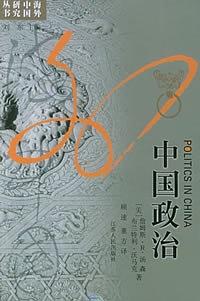
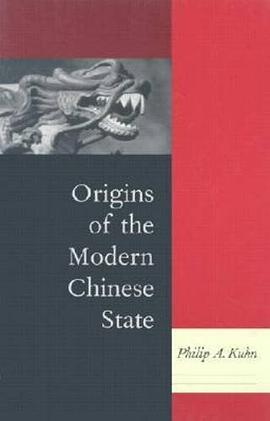
What is “Chinese” about China’s modern state? This book proposes that the state we see today has developed over the past two centuries largely as a response to internal challenges emerging from the late empire. Well before the Opium War, Chinese confronted such constitutional questions as: How does the scope of political participation affect state power? How is the state to secure a share of society’s wealth? In response to the changing demands of the age, this agenda has been expressed in changing language. Yet, because the underlying pattern remains recognizable, the modernization of the state in response to foreign aggression can be studied in longer perspective.
The author offers three concrete studies to illustrate the constitutional agenda in action: how the early nineteenth-century scholar-activist Wei Yuan confronted the relation between broadened political participation and authoritarian state power; how the reformist proposals of the influential scholar Feng Guifen were received by mainstream bureaucrats during the 1898 reform movement; and how fiscal problems of the late empire formed a backdrop to agricultural collectivization in the 1950s. In each case, the author presents the “modern” constitutional solution as only the most recent answer to old Chinese questions. The book concludes by describing the transformation of the constitutional agenda over the course of the modern period.
作者简介
Philip A. Kuhn is Francis Lee Higginson Professor of History at Harvard University. His most recent book is Soulstealers: The Chinese Sorcery Scare of 1768, winner of the Joseph Levenson Prize of the Association for Asian Studies.
目录信息
读后感
http://tieba.baidu.com/p/2789653966 刘仲敬:想象中国,建构中国——《中国现代国家的起源》书评 孔飞力《中国现代国家的起源》在2013年出版,堪称汉语读书界期待已久的盛事。由于作者炉火纯青的史学功力和典雅文笔,由于施华茨学派的盛名,由于《叫魂》、《叛乱》两书积累...
评分20世纪前半页,中国挣扎在不同的外部势力压迫,和迥异的内部救亡道路中。之前公共号发过文章《中国为什么这么慢》,我却以为,中国绝对算不上慢的了,算算从清政府预备立宪,光绪三十四年(1908年)《宪法大纲》颁布到中华人民共和国成立1949年,短短41年间,我们经...
评分这篇书评重在阐释作者本身的意思,不重发散和评论。 #### 导论 “这些政治活动家们涉及中国内部的一种持续存在的”根本性议程“或”建制议程“(constitutional agenda )——正是这一议程,将中国帝制晚期的历史与现代的历史联接到了一起。在这里,所谓‘根本性’问题,指...
评分北京时间2月15日17点40分,汉学家魏希德在推特上发消息称,美国著名汉学家孔飞力去世,享年83岁,他的《叫魂:1768年中国妖术大恐慌》在学术界影响巨大;他的《中国现代国家的起源》等多部论著有力地表达了“中国中心论”的观点,并为日后汉学界的研究提供了重要理论依据 孔飞...
评分用户评价
**一位历史爱好者的深度解读** 这本书的出现,仿佛为我打开了一扇通往近代中国心脏地带的秘境之门。作者以其对史料的精湛掌握和深邃的洞察力,并没有仅仅停留在罗列事件的层面,而是巧妙地织就了一张错综复杂的社会、政治、文化网络。我尤其被书中对于晚清时期,尤其是洋务运动之后,中国精英阶层在面对西方文明冲击时所产生的思想激荡和策略调整的细致描绘所吸引。那些关于“中学为体,西学为用”的争论,在作者笔下不再是枯燥的口号,而是活生生的思想交锋,是无数仁人志士在民族危亡关头,为中国寻找出路的艰难探索。从地方精英在改革中的角色,到中央集权如何在新旧秩序的夹缝中维系,再到民族资本主义的萌芽与困境,每一个环节都被抽丝剥茧,呈现出前所未有的清晰与生动。我仿佛能听到那些古老书院的回响,感受到维新变法时期士人内心的焦虑与激昂,更能体会到辛亥革命为何会在历史的洪流中以那样一种近乎必然却又充满偶然的方式到来。这本书不仅仅是关于“国家”的起源,更是关于一个古老文明在现代世界中如何挣扎求存、重塑自我的宏大叙事,它让我对中国近代史的理解,从表层的事件描述,上升到了对深层结构与动力机制的把握,这种认知上的飞跃,是我阅读这本书最大的收获。
评分**一位对历史学方法论和叙事方式有研究的学者的评价** 从历史学的方法论和叙事方式的角度来看,《现代中国国家的起源》是一部极具启发性的作品。作者在书中展现了一种宏大叙事与微观细节相结合的写作风格,能够将复杂的历史进程,以清晰且富有吸引力的方式呈现给读者。我尤其赞赏作者在处理史料时的严谨态度,以及在建构论点时的逻辑清晰。书中对于不同学派观点的采纳与扬弃,以及在评价历史人物和事件时的 nuanced 态度,都展现了作者深厚的学术功底。它不仅仅是关于“发生了什么”,更是关于“为什么会发生”以及“如何理解这些发生”。书中对历史因果链条的细致梳理,以及对历史事件背后深层结构和动力的挖掘,都为其他历史研究者提供了宝贵的借鉴。它让我看到了,一部优秀的历史著作,是如何通过精湛的叙事,将杂乱的历史碎片,重新组织成一幅连贯而富有深意的画卷,从而帮助读者建立起对历史更为全面和深刻的认知。
评分**一位对国际关系和地缘政治感兴趣的读者的解读** 这本书的价值,在一定程度上也体现在它如何揭示了现代中国国家形成过程中,国际环境和地缘政治所扮演的关键角色。作者在书中对西方列强的侵略、条约体系的建立、以及中国在国际体系中的地位变化,是如何深刻地影响了中国国家建构的方向和速度,进行了深入的分析。我尤其被书中对中国在维护国家主权、争取国际平等地位过程中所付出的巨大努力和经历的曲折的描述所吸引。它让我看到,现代国家的形成,并非孤立的国内进程,而是与全球政治经济格局紧密交织在一起。书中对中国在不同历史时期,如何在全球力量对比中寻找生存空间、如何利用国际机遇来推动自身发展、以及如何构建具有独立自主性的对外关系,都为理解现代中国国家在全球体系中的定位提供了重要的历史依据。它让我认识到,一个国家的形成,也必然是其在复杂多变的国际关系网络中,不断界定自身角色和争取战略主动的过程。
评分**一位对军事史有浓厚兴趣的读者的视角** 对于任何对军事史略知一二的人来说,这本书的出现无疑为理解现代中国国家的形成提供了更为宏观的视角,它将军事力量的现代化与国家建构的过程紧密地联系在一起。作者在书中对清末湘淮军、北洋军阀的崛起,以及中国共产党领导的军队如何从无到有、从小到大、最终成为国家核心武装力量的演变,都进行了深入的剖析。我尤其被书中对军事改革如何成为国家试图重塑权力的重要手段的描述所吸引。从洋务运动时期引进西方军事技术和组织模式,到民国时期各派系围绕军事力量的争夺,再到中国共产党通过政治动员和思想灌输来构建一支高度统一、具有强大凝聚力的军队,这一系列军事力量的发展,直接塑造了中国现代国家的权力格局和疆域范围。本书让我认识到,一个强大而集中的军事力量,往往是现代国家生存和发展的重要保障,而军事力量的建设,又深刻地反映了国家内部的权力关系和政治目标。它不仅仅是关于战争的胜负,更是关于国家如何通过掌握和运用合法的暴力,来确立其在社会中的主导地位。
评分**一位对中国文化传统有深入研究的学者的感悟** 对于熟悉中国传统文化的研究者而言,《现代中国国家的起源》提供了一个极具挑战性但又无比丰富的视角,来审视传统与现代如何在中国这片土地上进行一场深刻的对话与碰撞。作者在书中对传统儒家政治思想在近代社会转型中的地位与作用的分析,让我深思。那些世代相传的治理理念、社会伦理,在西方文化的冲击下,是如何被质疑、被扬弃、又如何以变形的方式融入新的国家构建模式之中,这一切都被作者以一种非常敏锐的笔触描绘出来。我看到了传统士大夫阶层在失去旧有的政治舞台后,如何在新的权力格局中寻找自己的位置,以及他们对国家发展方向的持续影响。书中对于国家象征、意识形态传播以及国民身份认同的构建过程,都与中国深厚的文化底蕴有着千丝万缕的联系。它不仅仅是关于政治制度的移植或变革,更是关于一个以深厚文化为根基的社会,如何在自身文化肌体中孕育、塑造一个全新的“现代国家”的过程。这种文化视角下的历史解读,让我对中国近代史的理解,又增添了新的维度。
评分**一位对政治哲学深感兴趣的读者的评论** 这本书的价值,远不止于对历史事件的梳理,更在于它对“国家”这一概念背后深层政治哲学蕴含的挖掘。作者在探讨现代中国国家形成的过程中,深刻地触及了主权、合法性、民族主义以及治理的本质等一系列核心政治哲学问题。我被书中对于孙中山三民主义思想中关于民族、民权、民生的论述,以及这些思想在实践中如何被解释、被改造、被具体化的过程所深深吸引。它不仅仅是理论的探讨,更是理论在复杂现实中如何与权力、利益、以及历史惯性相互作用的生动案例。书中对共和体制尝试、军阀混战时期的政治碎片化、以及最终中国共产党如何通过一套全新的政治话语和组织模式来构建一个强大的国家,都为理解政治合法性来源的多样性提供了丰富的材料。我看到了权力从帝王转移到人民,又从人民手中被不同政治力量所掌握的复杂过程,以及在这个过程中,国家如何试图确立其在社会中的垄断地位。这本书让我对“国家”的形成,不仅仅从历史的角度,更从政治哲学的维度,有了更深刻的理解。
评分**一位对经济史感兴趣的读者的评价** 这本书在勾勒现代中国国家形成脉络的同时,也深刻地触及了经济因素在此过程中扮演的关键角色。作者并没有将经济发展视为一个独立于政治之外的领域,而是将其置于国家构建的宏大框架内进行考察。书中对晚清以来,特别是清末民初,国家如何试图动员和整合经济资源,以支持其在内外的生存和发展,进行了细致的描绘。我被书中对于国家在推动早期工业化、铁路建设、以及金融体系改革等方面的努力所吸引。这些努力,往往与国家权力的扩张、中央集权的强化以及民族主义情感的激发紧密相连。同时,书中也揭示了经济发展所面临的种种困境,包括地方经济势力的阻碍、外国资本的渗透、以及战争和动荡对经济的破坏。这本书让我理解了,为何经济现代化往往成为国家独立和强大的基石,以及国家如何在追求经济增长的过程中,不断调整其政策和权力结构。它让我看到,一个国家的形成,不仅仅是政治制度的演变,更是经济力量的整合与动员,以及国家如何在这场动员中,塑造其自身的命运。
评分**一位关注国家治理模式演变的读者的体验** 这本书对于我理解国家治理模式的演变,提供了一个极其宝贵的历史坐标。作者在书中对中国近代以来,从帝制瓦解到共和初立,再到各种政治力量轮番上阵,最终形成一种全新的国家治理体系的曲折过程,进行了生动而详实的描绘。我尤其被书中对中央与地方关系、官僚体系的构建与运作、以及国家如何通过法律、政策和意识形态来管理社会的努力所吸引。它让我看到,国家治理并非一成不变,而是一个在不断试错、调整和博弈中前进的过程。书中对不同时期国家治理的效率、合法性以及所面临的挑战的分析,都为理解现代国家治理的复杂性提供了深刻的洞见。我看到了国家治理在面对社会变革、经济发展以及外部压力时,如何不断寻找新的路径和方法,以及在这个过程中,国家权力如何被重新定义和分配。这本书帮助我理解了,一个现代国家的形成,不仅仅是制度的建立,更是治理能力的持续提升和治理模式的不断创新。
评分**一位社会学研究者的学术反思** 作为一名对国家形成理论颇感兴趣的社会学者,我发现《现代中国国家的起源》提供了一个极其宝贵且富有启发性的案例研究。作者并没有将“国家”视为一个抽象的、静态的概念,而是将其置于一个动态的、不断演化的历史过程中来考察。书中对权力结构的转变、合法性基础的重塑、以及公民身份的早期构建等方面进行了深入的分析,这与西方国家形成理论中的核心议题不谋而合,却又展现出中国独特的历史路径。我尤其赞赏作者在处理“国家”与“社会”之间关系时的审慎与 nuanced。它揭示了国家机器的扩张并非一蹴而就,而是经历了漫长而曲折的博弈过程,其中包含了地方势力、传统社会组织以及新兴社会力量的复杂互动。书中对于国家官僚体系的形成、税收能力的构建、以及军事力量的统一化等关键性国家能力的探讨,都为理解现代国家在后殖民或半殖民情境下的形成提供了重要的理论支撑。它帮助我理解了为何中国在近代经历了如此剧烈的动荡,以及为何最终能够形成一个如此强大而集中的国家机器。这本书的分析框架,对于理解其他发展中国家在国家形成过程中的挑战与机遇,也具有重要的借鉴意义。
评分**一位对社会运动和大众参与有着深入研究的学者的评论** 《现代中国国家的起源》为我提供了一个极其宝贵的案例,来审视社会运动和大众参与在中国现代国家形成过程中的作用。作者在书中对晚清以来的各种社会变革力量,包括维新运动、辛亥革命、以及后来的农民运动、工人运动等,是如何在国家建构的宏大叙事中发挥作用,进行了细致的分析。我尤其被书中对这些社会运动如何挑战现有权力结构、推动政治改革,甚至为新的国家形态的出现奠定基础的描述所吸引。它让我看到,国家并非仅仅是自上而下的建构,更是社会力量与政治权力之间复杂互动的结果。书中对民众的动员、意识形态的传播、以及社会组织在推动国家转型中的作用的探讨,都为理解现代国家如何赢得或巩固其合法性提供了深刻的启示。它让我认识到,一个强大的现代国家,往往离不开广泛的社会支持和积极的大众参与,而国家也必须通过不断回应社会的诉求,来维系其治理的有效性。
评分封面还是多好看的= =
评分找到了电子版pdf,很赞
评分強調從中國內部的脈絡觀察近代史
评分封面还是多好看的= =
评分里面提供了無數精彩的指導思想史家的題目。眼睛要亮。