
具体描述
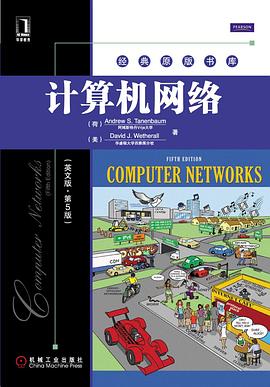
本书是全球最具有权威性和经典性的计算机网络教材,我国各大专院校也广泛采用此书作为计算机网络课程的基本教材。作者Tanenbaum 教授以高深的理论造诣和丰富的实践经验,在书中对计算机网络的原理、结构、协议标准与应用等做了深入的分析与研究。
全书按照网络协议模型(物理层、数据链路层、介质访问控制子层、网络层、传输层和应用层),自底向上逐层讲述每一层所用的技术与协议标准,并给出大量实例。全书内容全面详实,体系清晰合理,叙述由简入繁、层层深入,自底向上方法也符合人类从底层到高层的认识规律,因此是公认的最适合网络入门的教材。
随着计算机网络的发展,本版对相关内容进行了大量修订、更新和补充,具体更新内容如下:
•无线网络(802.12和802.16)。
•智能手机使用的3G网络。
•RFID和传感器网络。
•使用CDNs进行内容分发。
•对等网络。
•实时媒体。
•网络电话。
•延迟容忍网络。
作者简介
Andrew S. Tanenbaum 国际知名的计算机科学家,著名的技术作家、教育家和研究者,ACM和IEEE两会高级会员,荷兰皇家艺术和科学院院士,荷兰阿姆斯特丹Vrije大学计算机科学系教授。他讲授计算机网络、操作系统和计算机组成等课程30多年,教学成果卓著,其所著的多部计算机科学方面的教材已成为该领域内的范本,得到学术界和教育界的广泛认可,多次获得ACM及其他学术组织颁发的各项荣誉,包括1994年ACM Karl V. Karlstrom杰出教育奖、1997年ACM计算机科学教育杰出贡献奖、2002年Texty卓越教材奖、第10届ACM操作系统原理研讨会杰出论文奖等,他还入选了《世界名人录》。
David J. Wetherall 拥有美国麻省理工学院计算机科学博士学位,现为华盛顿大学西雅图分校计算机科学与工程系副教授。他的研究领域是网络系统,尤其是无线网络和移动计算、网络测量和Internet协议的设计、隐私和安全。
目录信息
1 introduction 23
1.1 uses of computer networks, 25
1.1.1 business applications, 25
1.1.2 home applications, 28
1.1.3 mobile users, 32
1.1.4 social issues, 36
1.2 network hardware, 39
1.2.1 personal area networks, 40
1.2.2 local area networks, 41
1.2.3 metropolitan area networks, 45
1.2.4 wide area networks, 45
1.2.5 internetworks, 50
1.3 network software, 51
1.3.1 protocol hierarchies, 51
1.3.2 design issues for the layers, 55
1.3.3 connection-oriented versus connectionless service, 57
1.3.4 service primitives, 60
1.3.5 the relationship of services to protocols, 62
1.4 reference models, 63
.1.4.1 the osi reference model, 63
1.4.2 the tcp/ip reference model, 67
1.4.3 the model used in this book, 70
computer networks contents
fifth edition
preface 6
about the authors 10
1 introduction 23
1.1 uses of computer networks, 25
1.1.1 business applications, 25
1.1.2 home applications, 28
1.1.3 mobile users, 32
1.1.4 social issues, 36
1.2 network hardware, 39
1.2.1 personal area networks, 40
1.2.2 local area networks, 41
1.2.3 metropolitan area networks, 45
1.2.4 wide area networks, 45
1.2.5 internetworks, 50
1.3 network software, 51
1.3.1 protocol hierarchies, 51
1.3.2 design issues for the layers, 55
1.3.3 connection-oriented versus connectionless service, 57
1.3.4 service primitives, 60
1.3.5 the relationship of services to protocols, 62
1.4 reference models, 63
1.4.1 the osi reference model, 63
1.4.2 the tcp/ip reference model, 67
1.4.3 the model used in this book, 70
computer networks contents
fifth edition
preface 6
12?contents
1.4.4 a comparison of the osi and tcp/ip reference models, 71
1.4.5 a critique of the osi model and protocols, 73
1.4.6 a critique of the tcp/ip reference model, 75
1.5 example networks, 76
1.5.1 the internet, 76
1.5.2 third-generation mobile phone networks, 85
1.5.3 wireless lans: 802.11, 90
1.5.4 rfid and sensor networks, 93
1.6 network standardization, 95
1.6.1 who’s who in the telecommunications world, 97
1.6.2 who’s who in the international standards world, 98
1.6.3 who’s who in the internet standards world, 100
1.7 metric units, 102
1.8 outline of the rest of the book, 103
1.9 summary, 104
2 the physical layer 109
2.1 the theoretical basis for data communication, 110
2.1.1 fourier analysis, 110
2.1.2 bandwidth-limited signals, 110
2.1.3 the maximum data rate of a channel, 114
2.2 guided transmission media, 115
2.2.1 magnetic media, 115
2.2.2 twisted pairs, 116
2.2.3 coaxial cable, 117
2.2.4 power lines, 118
2.2.5 fiber optics, 119
2.3 wireless transmission, 125
2.3.1 the electromagnetic spectrum, 125
2.3.2 radio transmission, 129
2.3.3 microwave transmission, 130
2.3.4 infrared transmission, 134
2.3.5 light transmission, 134
contents?13
2.4 communication satellites, 136
2.4.1 geostationary satellites, 137
2.4.2 medium-earth orbit satellites, 141
2.4.3 low-earth orbit satellites, 141
2.4.4 satellites versus fiber, 143
2.5 digital modulation and multiplexing, 145
2.5.1 baseband transmission, 145
2.5.2 passband transmission, 150
2.5.3 frequency division multiplexing, 152
2.5.4 time division multiplexing, 155
2.5.5 code division multiplexing, 155
2.6 the public switched telephone network, 158
2.6.1 structure of the telephone system, 159
2.6.2 the politics of telephones, 162
2.6.3 the local loop: modems, adsl, and fiber, 164
2.6.4 trunks and multiplexing, 172
2.6.5 switching, 181
2.7 the mobile telephone system, 184
2.7.1 first-generation (1g) mobile phones: analog voice, 186
2.7.2 second-generation (2g) mobile phones: digital voice, 190
2.7.3 third-generation (3g) mobile phones: digital voice and data, 194
2.8 cable television, 199
2.8.1 community antenna television, 199
2.8.2 internet over cable, 200
2.8.3 spectrum allocation, 202
2.8.4 cable modems, 203
2.8.5 adsl versus cable, 205
2.9 summary, 206
3 the data link layer 213
3.1 data link layer design issues, 214
3.1.1 services provided to the network layer, 214
3.1.2 framing, 217
3.1.3 error control, 220
3.1.4 flow control, 221
2.4 communication satellites, 136
2.4.1 geostationary satellites, 137
2.4.2 medium-earth orbit satellites, 141
2.4.3 low-earth orbit satellites, 141
2.4.4 satellites versus fiber, 143
2.5 digital modulation and multiplexing, 145
2.5.1 baseband transmission, 145
2.5.2 passband transmission, 150
2.5.3 frequency division multiplexing, 152
2.5.4 time division multiplexing, 155
2.5.5 code division multiplexing, 155
2.6 the public switched telephone network, 158
2.6.1 structure of the telephone system, 159
2.6.2 the politics of telephones, 162
2.6.3 the local loop: modems, adsl, and fiber, 164
2.6.4 trunks and multiplexing, 172
2.6.5 switching, 181
2.7 the mobile telephone system, 184
2.7.1 first-generation (1g) mobile phones: analog voice, 186
2.7.2 second-generation (2g) mobile phones: digital voice, 190
2.7.3 third-generation (3g) mobile phones: digital voice and data, 194
2.8 cable television, 199
2.8.1 community antenna television, 199
2.8.2 internet over cable, 200
2.8.3 spectrum allocation, 202
2.8.4 cable modems, 203
2.8.5 adsl versus cable, 205
2.9 summary, 206
3 the data link layer 213
3.1 data link layer design issues, 214
3.1.1 services provided to the network layer, 214
3.1.2 framing, 217
3.1.3 error control, 220
3.1.4 flow control, 221
14?contents
3.2 error detection and correction, 222
3.2.1 error-correcting codes, 224
3.2.2 error-detecting codes, 229
3.3 elementary data link protocols, 235
3.3.1 a utopian simplex protocol, 240
3.3.2 a simplex stop-and-wait protocol for an error-free channel, 241
3.3.3 a simplex stop-and-wait protocol for a noisy channel, 242
3.4 sliding window protocols, 246
3.4.1 a one-bit sliding window protocol, 249
3.4.2 a protocol using go-back-n, 252
3.4.3 a protocol using selective repeat, 259
3.5 example data link protocols, 264
3.5.1 packet over sonet, 265
3.5.2 adsl (asymmetric digital subscriber loop), 268
3.6 summary, 271
4 the medium access control sublayer 275
4.1 the channel allocation problem, 276
4.1.1 static channel allocation, 276
4.1.2 assumptions for dynamic channel allocation, 278
4.2 multiple access protocols, 279
4.2.1 aloha, 280
4.2.2 carrier sense multiple access protocols, 284
4.2.3 collision-free protocols, 287
4.2.4 limited-contention protocols, 292
4.2.5 wireless lan protocols, 295
4.3 ethernet, 298
4.3.1 classic ethernet physical layer, 299
4.3.2 classic ethernet mac sublayer protocol, 300
4.3.3 ethernet performance, 304
4.3.4 switched ethernet, 306
and correction, 222
codes, 224
codes, 229
data link protocols, 235
simplex protocol, 240
stop-and-wait protocol for an error-free channel, 241
stop-and-wait protocol for a noisy channel, 242
protocols, 246
sliding window protocol, 249
using go-back-n, 252
using selective repeat, 259
link protocols, 264
sonet, 265
digital subscriber loop), 268
control sublayer 275
allocation problem, 276
allocation, 276
for dynamic channel allocation, 278
protocols, 279
280
multiple access protocols, 284
free protocols, 287
protocols, 292
lan protocols, 295
physical layer, 299
mac sublayer protocol, 300
performance, 304
ethernet, 306
3.2 error detection and correction, 222
3.2.1 error-correcting codes, 224
3.2.2 error-detecting codes, 229
3.3 elementary data link protocols, 235
3.3.1 a utopian simplex protocol, 240
3.3.2 a simplex stop-and-wait protocol for an error-free channel, 241
3.3.3 a simplex stop-and-wait protocol for a noisy channel, 242
3.4 sliding window protocols, 246
3.4.1 a one-bit sliding window protocol, 249
3.4.2 a protocol using go-back-n, 252
3.4.3 a protocol using selective repeat, 259
3.5 example data link protocols, 264
3.5.1 packet over sonet, 265
3.5.2 adsl (asymmetric digital subscriber loop), 268
3.6 summary, 271
4 the medium access control sublayer 275
4.1 the channel allocation problem, 276
4.1.1 static channel allocation, 276
4.1.2 assumptions for dynamic channel allocation, 278
4.2 multiple access protocols, 279
4.2.1 aloha, 280
4.2.2 carrier sense multiple access protocols, 284
4.2.3 collision-free protocols, 287
4.2.4 limited-contention protocols, 292
4.2.5 wireless lan protocols, 295
4.3 ethernet, 298
4.3.1 classic ethernet physical layer, 299
4.3.2 classic ethernet mac sublayer protocol, 300
4.3.3 ethernet performance, 304
4.3.4 switched ethernet, 306
contents?15
4.3.5 fast ethernet, 308
4.3.6 gigabit ethernet, 311
4.3.7 10-gigabit ethernet, 314
4.3.8 retrospective on ethernet, 316
4.4 wireless lans, 317
4.4.1 the 802.11 architecture and protocol stack, 317
4.4.2 the 802.11 physical layer, 319
4.4.3 the 802.11 mac sublayer protocol, 321
4.4.4 the 802.11 frame structure, 327
4.4.5 services, 329
4.5 broadband wireless, 330
4.5.1 comparison of 802.16 with 802.11 and 3g, 331
4.5.2 the 802.16 architecture and protocol stack, 332
4.5.3 the 802.16 physical layer, 334
4.5.4 the 802.16 mac sublayer protocol, 335
4.5.5 the 802.16 frame structure, 337
4.6 bluetooth, 338
4.6.1 bluetooth architecture, 338
4.6.2 bluetooth applications, 339
4.6.3 the bluetooth protocol stack, 340
4.6.4 the bluetooth radio layer, 342
4.6.5 the bluetooth link layers, 342
4.6.6 the bluetooth frame structure, 343
4.7 rfid, 345
4.7.1 epc gen 2 architecture, 345
4.7.2 epc gen 2 physical layer, 346
4.7.3 epc gen 2 tag identification layer, 347
4.7.4 tag identification message formats, 349
4.8 data link layer switching, 350
4.8.1 uses of bridges, 350
4.8.2 learning bridges, 352
4.8.3 spanning tree bridges, 355
4.8.4 repeaters, hubs, bridges, switches, routers, and gateways, 358
4.8.5 virtual lans, 360
4.9 summary, 367
16?contents
5 the network layer 373
5.1 network layer design issues, 373
5.1.1 store-and-forward packet switching, 374
5.1.2 services provided to the transport layer, 374
5.1.3 implementation of connectionless service, 376
5.1.4 implementation of connection-oriented service, 377
5.1.5 comparison of virtual-circuit and datagram networks, 379
5.2 routing algorithms, 380
5.2.1 the optimality principle, 382
5.2.2 shortest path algorithm, 384
5.2.3 flooding, 386
5.2.4 distance vector routing, 388
5.2.5 link state routing, 391
5.2.6 hierarchical routing, 396
5.2.7 broadcast routing, 398
5.2.8 multicast routing, 400
5.2.9 anycast routing, 403
5.2.10 routing for mobile hosts, 404
5.2.11 routing in ad hoc networks, 407
5.3 congestion control algorithms, 410
5.3.1 approaches to congestion control, 412
5.3.2 traffic-aware routing, 413
5.3.3 admission control, 415
5.3.4 traffic throttling, 416
5.3.5 load shedding, 419
5.4 quality of service, 422
5.4.1 application requirements, 423
5.4.2 traffic shaping, 425
5.4.3 packet scheduling, 429
5.4.4 admission control, 433
5.4.5 integrated services, 436
5.4.6 differentiated services, 439
5.5 internetworking, 442
5.5.1 how networks differ, 443
5.5.2 how networks can be connected, 444
5.5.3 tunneling, 447
contents?17
5.5.4 internetwork routing, 449
5.5.5 packet fragmentation, 450
5.6 the network layer in the internet, 454
5.6.1 the ip version 4 protocol, 457
5.6.2 ip addresses, 460
5.6.3 ip version 6, 473
5.6.4 internet control protocols, 483
5.6.5 label switching and mpls, 488
5.6.6 ospf—an interior gateway routing protocol, 492
5.6.7 bgp—the exterior gateway routing protocol, 497
5.6.8 internet multicasting, 502
5.6.9 mobile ip, 503
5.7 summary, 506
6 the transport layer 513
6.1 the transport service, 513
6.1.1 services provided to the upper layers, 514
6.1.2 transport service primitives, 516
6.1.3 berkeley sockets, 518
6.1.4 an example of socket programming: an internet file server, 521
6.2 elements of transport protocols, 525
6.2.1 addressing, 527
6.2.2 connection establishment, 530
6.2.3 connection release, 535
6.2.4 error control and flow control, 540
6.2.5 multiplexing, 545
6.2.6 crash recovery, 545
6.3 congestion control, 548
6.3.1 desirable bandwidth allocation, 549
6.3.2 regulating the sending rate, 553
6.3.3 wireless issues, 557
6.4 the internet transport protocols: udp, 559
6.4.1 introduction to udp, 559
6.4.2 remote procedure call, 561
6.4.3 real-time transport protocols, 564
5.5.4 internetwork routing, 449
5.5.5 packet fragmentation, 450
5.6 the network layer in the internet, 454
5.6.1 the ip version 4 protocol, 457
5.6.2 ip addresses, 460
5.6.3 ip version 6, 473
5.6.4 internet control protocols, 483
5.6.5 label switching and mpls, 488
5.6.6 ospf—an interior gateway routing protocol, 492
5.6.7 bgp—the exterior gateway routing protocol, 497
5.6.8 internet multicasting, 502
5.6.9 mobile ip, 503
5.7 summary, 506
6 the transport layer 513
6.1 the transport service, 513
6.1.1 services provided to the upper layers, 514
6.1.2 transport service primitives, 516
6.1.3 berkeley sockets, 518
6.1.4 an example of socket programming: an internet file server, 521
6.2 elements of transport protocols, 525
6.2.1 addressing, 527
6.2.2 connection establishment, 530
6.2.3 connection release, 535
6.2.4 error control and flow control, 540
6.2.5 multiplexing, 545
6.2.6 crash recovery, 545
6.3 congestion control, 548
6.3.1 desirable bandwidth allocation, 549
6.3.2 regulating the sending rate, 553
6.3.3 wireless issues, 557
6.4 the internet transport protocols: udp, 559
6.4.1 introduction to udp, 559
6.4.2 remote procedure call, 561
6.4.3 real-time transport protocols, 564
18?contents
6.5 the internet transport protocols: tcp, 570
6.5.1 introduction to tcp, 570
6.5.2 the tcp service model, 571
6.5.3 the tcp protocol, 574
6.5.4 the tcp segment header, 575
6.5.5 tcp connection establishment, 578
6.5.6 tcp connection release, 580
6.5.7 tcp connection management modeling, 580
6.5.8 tcp sliding window, 583
6.5.9 tcp timer management, 586
6.5.10 tcp congestion control, 589
6.5.11 the future of tcp, 599
6.6 performance issues, 600
6.6.1 performance problems in computer networks, 601
6.6.2 network performance measurement, 602
6.6.3 host design for fast networks, 604
6.6.4 fast segment processing, 608
6.6.5 header compression, 611
6.6.6 protocols for long fat networks, 613
6.7 delay-tolerant networking, 617
6.7.1 dtn architecture, 618
6.7.2 the bundle protocol, 621
6.8 summary, 623
7 the application layer 629
7.1 dns—the domain name system, 629
7.1.1 the dns name space, 630
7.1.2 domain resource records, 634
7.1.3 name servers, 637
7.2 electronic mail, 641
7.2.1 architecture and services, 642
7.2.2 the user agent, 644
7.2.3 message formats, 648
7.2.4 message transfer, 655
7.2.5 final delivery, 661
contents?19
7.3 the world wide web, 664
7.3.1 architectural overview, 665
7.3.2 static web pages, 680
7.3.3 dynamic web pages and web applications, 690
7.3.4 http—the hypertext transfer protocol, 701
7.3.5 the mobile web, 711
7.3.6 web search, 713
7.4 streaming audio and video, 715
7.4.1 digital audio, 717
7.4.2 digital video, 722
7.4.3 streaming stored media, 731
7.4.4 streaming live media, 739
7.4.5 real-time conferencing, 742
7.5 content delivery, 752
7.5.1 content and internet traffic, 754
7.5.2 server farms and web proxies, 756
7.5.3 content delivery networks, 761
7.5.4 peer-to-peer networks, 766
7.6 summary, 775
8 network security 781
8.1 cryptography, 784
8.1.1 introduction to cryptography, 785
8.1.2 substitution ciphers, 787
8.1.3 transposition ciphers, 789
8.1.4 one-time pads, 790
8.1.5 two fundamental cryptographic principles, 794
8.2 symmetric-key algorithms, 796
8.2.1 des—the data encryption standard, 798
8.2.2 aes—the advanced encryption standard, 801
8.2.3 cipher modes, 805
8.2.4 other ciphers, 810
8.2.5 cryptanalysis, 810
20?contents
8.3 public-key algorithms, 811
8.3.1 rsa, 812
8.3.2 other public-key algorithms, 814
8.4 digital signatures, 815
8.4.1 symmetric-key signatures, 816
8.4.2 public-key signatures, 817
8.4.3 message digests, 818
8.4.4 the birthday attack, 822
8.5 management of public keys, 824
8.5.1 certificates, 825
8.5.2 x.509, 827
8.5.3 public key infrastructures, 828
8.6 communication security, 831
8.6.1 ipsec, 832
8.6.2 firewalls, 836
8.6.3 virtual private networks, 839
8.6.4 wireless security, 840
8.7 authentication protocols, 845
8.7.1 authentication based on a shared secret key, 846
8.7.2 establishing a shared key: the diffie-hellman key exchange, 851
8.7.3 authentication using a key distribution center, 853
8.7.4 authentication using kerberos, 856
8.7.5 authentication using public-key cryptography, 858
8.8 email security, 859
8.8.1 pgp—pretty good privacy, 860
8.8.2 s/mime, 864
8.9 web security, 864
8.9.1 threats, 865
8.9.2 secure naming, 866
8.9.3 ssl—the secure sockets layer, 871
8.9.4 mobile code security, 875
8.10 social issues, 878
8.10.1 privacy, 878
8.10.2 freedom of speech, 881
8.10.3 copyright, 885
8.11 summary, 887
contents?21
9 reading list and bibliography 895
9.1 suggestions for further reading, 895
9.1.1 introduction and general works, 896
9.1.2 the physical layer, 897
9.1.3 the data link layer, 898
9.1.4 the medium access control sublayer, 898
9.1.5 the network layer, 899
9.1.6 the transport layer, 900
9.1.7 the application layer, 900
9.1.8 network security, 901
9.2 alphabetical bibliography, 902
index 921
· · · · · · (收起)
读后感
第一章看完了,讲解的确实详细,不过感觉看的有点累。 后面的物理层首先讲的就是傅立叶级数,伤脑筋啦。物理层、数据链路层、介质访问控制子层、网络层、传输层和应用层,不知道后面是不是很难,要怎么才能看完啊。 这本书竟然比c primer plus(都是入门类书籍~~~)还要厚。 ...
评分还是英文的好,中文的错误贼多,看到怀疑人生。 啊啊啊啊啊啊啊啊啊啊啊啊啊啊啊啊啊啊啊啊啊啊啊啊啊啊啊啊 啊啊啊啊啊啊啊啊啊啊啊啊啊啊啊啊啊啊啊啊啊啊啊啊啊啊啊啊 啊啊啊啊啊啊啊啊啊啊啊啊啊啊啊啊啊啊啊啊啊啊啊啊啊啊啊啊 啊啊啊啊啊啊啊啊啊啊啊啊啊啊啊啊啊啊啊啊...
评分记得好像是P.L.Hong老师教的这课。 每天在课上狂放ppt。有次实在记不动笔记了,跟她发email抱怨。 H老师很耐心地回复了,搞得我很感动。后来ms考了90多分? 不记得了。也许只有80几分吧。-__-||| 现在,居然连IP包的大小也忘记了。md。人生总是这样杯具啊。
评分大学时的教材里最喜欢的书,没有之一。很少有技术书能让人读的时候像读小说一样不觉得累,同时内容精彩没有啰嗦和废话。大三上这门课时读过一遍,毕业将近5年后又重读了一遍,毕业后积累的很多知识发现书中都有提及到,并且虽然原著作者的写作时间比较早,但书中的内容在互联网...
评分读起来非常爽,跟小说一样吸引人,作者的用词很地道恰当,生词量不多,介绍了很多网络设计的思想,告诉我们为什么这么做。 内容很专业,很详实,推荐想学网络的同学以这本作为入门再恰当不过了。 我做LTE空口PDCP协议的,这两天要抓一下FTP下载慢的问题。于是决定看看TCP协议...
用户评价
在阅读这本书之前,我一直认为计算机网络就是一个“插上网线就能用”的简单概念,对于其背后的复杂性几乎没有概念。然而,这本书彻底颠覆了我的认知,让我看到了一个充满智慧和秩序的网络世界。作者的讲解方式非常引人入胜,他没有直接抛出那些晦涩难懂的术语,而是通过一系列巧妙的比喻和生动的案例,将那些抽象的概念变得具体而易于理解。我特别喜欢他对“协议”的阐述,让我明白网络通信并非随心所欲,而是遵循着一套严谨而精密的规则。比如,他将TCP协议比作一次可靠的邮寄服务,详细解释了从发送方到接收方的数据是如何一步步被封装、传输、校验和解封装的,这个过程的严谨性让我印象深刻。书中的内容循序渐进,从最基础的物理层一直讲到应用层,每一层的作用和相互关系都得到了清晰的阐释。通过这本书,我不仅理解了网络是如何工作的,更重要的是,我开始能够从一个更宏观的角度去思考网络的设计和优化,甚至开始能够分析一些常见的网络问题。这本书让我对现代科技有了更深的敬畏,也为我打开了探索更广阔的网络世界的大门。
评分这是一本非常值得推荐给所有对计算机网络感兴趣的朋友的书籍。作者的写作风格非常独特,他没有采用传统的教科书式死板的叙述方式,而是将网络知识融入了生动的故事和深入浅出的讲解之中。我特别喜欢他在讲解一些复杂概念时,所使用的那些贴切的比喻,比如将IP地址比作城市的门牌号码,将路由器比作交通枢纽,这些比喻极大地降低了理解难度,让我在轻松愉快的阅读过程中,就掌握了许多重要的网络知识。书中的知识点覆盖面非常广,从最基础的网络模型,到各种重要的网络协议,再到一些实际的网络应用,都进行了详细的介绍。而且,作者在讲解每一个知识点时,都力求做到深入浅出,既有理论的高度,又有实践的指导意义。我还在书中学习到了许多关于网络安全和网络优化的知识,这些内容对于我理解现代互联网的运行至关重要。总而言之,这本书是一本集趣味性、知识性和实用性于一体的优秀读物,它能够帮助读者建立起扎实的计算机网络基础,并且激发读者对这个领域的进一步探索热情。
评分这本书给我最深的感受就是它的“系统性”和“全局观”。在接触这本书之前,我对于计算机网络零散的了解,如同看到了一个巨大机器的无数个零件,但却不知道它们是如何被组装在一起,又是如何协同工作的。这本书就如同一本详尽的组装说明书,为我提供了整个网络的宏大蓝图。作者在开篇就构建了一个清晰的网络模型,然后逐层剖析,从数据在物理介质上的传输,到数据包在网络中的路由,再到应用程序之间的通信,每一个环节都讲解得非常透彻。我尤其欣赏作者在解释各种协议时,并非仅仅罗列其功能,而是深入剖析了其设计理念和所解决的实际问题。例如,对TCP协议的讲解,让我深刻理解了其在保证数据可靠传输方面所做的努力,以及由此带来的性能权衡。书中还穿插了许多与我们日常生活密切相关的网络应用场景,比如网页的加载、邮件的发送等,这些案例让理论知识变得更加鲜活,也让我能够将学到的知识与自己的实际体验联系起来。总的来说,这本书不仅传授了知识,更重要的是培养了我对网络世界的整体认知能力,让我能够更清晰地理解现代信息社会是如何构建和运行的。
评分这本书最令我印象深刻的是其对“分层模型”的清晰阐释。在我看来,计算机网络之所以能够高效运作,很大程度上得益于其精妙的分层设计,而这本书恰恰在这方面做得非常出色。作者通过层层递进的方式,将网络从最底层的物理连接,一直讲解到最上层的应用协议,为读者构建了一个完整的认知框架。我尤其欣赏作者在介绍每一层时,都会详细说明该层所负责的功能、使用的协议,以及它与上一层和下一层之间的关系。这种结构化的讲解,让我能够清晰地看到数据在网络传输过程中是如何被一层一层地处理和传递的。例如,在讲解数据链路层时,作者不仅介绍了MAC地址的作用,还详细阐述了以太网协议的帧格式和CSMA/CD的冲突避免机制,这些细节的披露,让我对数据如何在局域网中传输有了更深刻的理解。读完这本书,我对整个互联网的运作逻辑有了前所未有的清晰认识,也让我能够更自信地去探索和理解更深层次的网络技术。
评分这是一本真正能够激发你学习兴趣的书籍。在阅读它之前,我对计算机网络知之甚少,甚至觉得这个领域遥不可及。但这本书以其独特的魅力,彻底改变了我的看法。作者的叙述方式非常生动有趣,他善于运用各种贴切的比喻,将那些抽象而复杂的网络概念形象化。比如,他将互联网比作一个巨大的邮政系统,将数据包比作需要寄送的信件,而路由器则像是邮件分拣中心,这些比喻让我能够轻松地理解数据是如何在网络中传输的。更重要的是,作者的讲解非常细致,他不会止步于概念的介绍,而是深入到每一个细节,例如TCP协议的三次握手和四次挥手,他不仅解释了过程,更阐述了这样做的原因和重要性。通过这本书,我不仅掌握了大量的网络知识,更重要的是,我学会了一种分析和解决问题的思维方式。这本书让我从一个被动的网络使用者,变成了一个能够理解和思考网络背后机制的学习者,这种转变让我受益匪浅。
评分这本书的优点在于其出色的逻辑结构和循序渐进的讲解方式,让一个初学者也能轻松入门。作者在开篇就为读者描绘了一个宏大的网络世界图景,然后逐步细化,从最基础的物理层和数据链路层开始,深入到网络层、传输层,再到应用层,每个层次的讲解都紧密衔接,前后呼应。我特别欣赏作者在介绍各个协议时,不仅仅是简单地列举其功能,而是会深入剖析其背后的设计思想和解决的问题。例如,在讲解TCP三次握手和四次挥手时,作者详细解释了为什么要这样做,这样做的目的是什么,以及在这种机制下可能出现的各种情况,比如丢包、重传等。这些细节的阐述,让我对TCP的可靠性和稳定性有了更深刻的理解。此外,书中还穿插了许多实际应用场景的案例分析,比如HTTP协议如何工作,FTP如何实现文件传输,DNS如何解析域名等等,这些案例让我能够将书本上的理论知识与实际生活中的体验联系起来,加深了记忆和理解。我还在书中学习到了许多关于网络架构和性能优化的概念,这些内容虽然相对深入,但通过作者的清晰讲解,我也能基本掌握。总而言之,这本书是一本理论与实践相结合的优秀教材,它不仅能帮助读者建立起扎实的计算机网络基础知识,还能激发读者对这个领域的进一步探索热情。
评分这本书的语言风格非常独特,它没有那种传统教科书的生硬和枯燥,而是充满了一种探索的乐趣。作者的文字如同涓涓细流,将复杂的网络概念一点点地渗透进读者的脑海。我特别喜欢他处理“冲突”和“拥塞”这两个网络中常见问题的方式。他没有简单地给出技术解决方案,而是首先引导读者去理解这些问题的根源,比如在数据传输过程中,为什么会发生冲突,为什么网络会变得拥堵,以及这些问题对通信效率有何影响。然后,他再逐一介绍各种解决方案,并分析它们的优缺点。这种“先理解,后解决”的模式,让我不仅记住了知识点,更重要的是,学会了如何用一种系统化的思维去分析和解决问题。此外,书中对各种网络设备,如路由器、交换机、集线器等的讲解也十分到位,它们在网络中的角色和功能都被描绘得栩栩如生。读完这本书,我感觉自己对网络世界有了一个全新的认识,那些曾经让我感到神秘的“黑盒子”,如今都变得透明而易懂。
评分这是一本让我彻底刷新了对“计算机网络”认知的书。在翻开它之前,我脑海中对网络的概念,可能还停留在“上网、发邮件、看看视频”这种浅显的层面,以为只要把网线插好,或者Wi-Fi密码对了,网络就自然而然地工作了。然而,这本书就像一个魔术师,一层一层地揭开了网络神秘的面纱,让我看到了隐藏在这些日常操作背后的复杂而精密的体系。作者的叙述方式非常生动,他没有枯燥地罗列各种协议和端口,而是通过大量生动的比喻,将那些抽象的概念变得具象化。比如,他将IP地址比作邮政编码,将TCP协议比作可靠的包裹递送服务,将DNS服务器比作电话簿,这些比喻不仅帮助我快速理解了核心原理,更重要的是,它们在我脑海中构建起了一个清晰的网络模型。我开始明白,每一次数据的传输,都经过了多少个环节,经历了多少次“封装”和“解封”,每一个字节都承载着多么精密的指令。阅读过程中,我时常会停下来,回想自己日常的网络行为,那些曾经觉得理所当然的瞬间,如今都充满了科技的智慧。这本书让我从一个被动的网络使用者,变成了一个开始主动理解和思考网络的“学习者”。它不只是介绍“是什么”,更重要的是解释了“为什么”,以及“如何”。这种深入的剖析,让我对互联网的运行机制有了前所未有的敬畏感,也激发了我进一步探索网络安全、网络架构等更深层领域的兴趣。
评分我一直以来都对科技的背后运作机制充满好奇,而计算机网络无疑是现代科技中最核心、最基础的部分之一。在我阅读这本书之前,对于诸如“路由器”、“交换机”、“防火墙”这些名词,虽然耳熟能详,但它们具体是如何工作的,又扮演着怎样的角色,我都是一知半解。这本书就像一位经验丰富的导游,带领我深入探索了计算机网络的方方面面。作者的语言风格非常平实易懂,他善于运用生活化的比喻来解释复杂的概念,比如将数据包比作信件,路由器的作用比作邮局的分拣中心,这些巧妙的比喻让我一下子就抓住了核心要义。而且,书中对每一个技术细节的阐述都非常到位,不会过于简化而失去专业性,也不会过于晦涩而让人望而却步。我尤其喜欢书中对“协议”的讲解,让我明白网络世界并非杂乱无章,而是一个由无数协议精密协调运转的秩序化系统。从底层的物理连接,到应用层的万维网,每一个环节都充满了智慧的结晶。阅读过程中,我常常会感到一种豁然开朗的喜悦,那些曾经困扰我的网络现象,似乎都有了合理的解释。这本书不仅满足了我对技术的好奇心,更重要的是,它为我打开了一扇认识数字世界的大门,让我能够更清晰地看到互联网是如何将世界连接在一起的。
评分这本书对我而言,不仅仅是一本技术书籍,更像是一场思维方式的重塑。在阅读之前,我总觉得计算机网络是一个非常“硬核”且远离日常的领域,充满了晦涩的代码和复杂的指令。然而,作者以一种极其友好的方式,将这个庞大而复杂的体系化繁为简,并将其与我们的生活紧密联系起来。他没有直接抛出大量的术语,而是从一个更宏观的视角出发,逐步引导读者去理解网络的本质。我非常欣赏作者在阐述过程中所展现的耐心和细致,他会反复强调关键概念,并提供多种角度的解释,确保读者能够真正理解。我尤其印象深刻的是关于“封装”和“解封装”的讲解,作者通过层层递进的比喻,让我深刻理解了数据在网络传输过程中是如何被包装和解包装的,这对于理解网络通信的可靠性至关重要。读完这本书,我感觉自己不再是那个仅仅会点击鼠标、输入网址的“小白”了,我对网络传输的每一个步骤都有了更清晰的认识,甚至能够根据书中的原理,去分析一些网络故障可能出现的原因。这本书让我对现代信息社会的运作有了更深刻的理解,也让我对那些默默支撑着我们日常网络生活的工程师们充满了敬意。
评分比较喜欢Andrew S. Tanenbaum的书,字里行间经常有一些小幽默
评分我认为是本挺槽糕的教科书。网络技术本身比较抽象的,因此需要作者自身的理论扎实与写作功底。在对待新手而言,还是日本人更幽默与友善,推荐那本《网络是怎样连接的》。
评分囫囵吞枣的读完,还是很多不明白。。
评分我现在即将大三~选修了这门课~只是老师讲的太浅薄!于是我在图书馆寻寻觅觅~找到了最新版的书~虽然是外文书籍~但是看起来并不费劲!看了前几章~内容讲的通俗易懂!我决定用大三上的整个时光好好研究它!同是出自作者的另外一本书,计算机操作系统~讲的也很好!主要讲解的是mini的linux内核只有3000多行~是学习操作系统的好东西!最后~感觉能在学校里遇到这两本书实乃我的荣幸!
评分难得地通俗易懂,更喜欢这本。