
具体描述
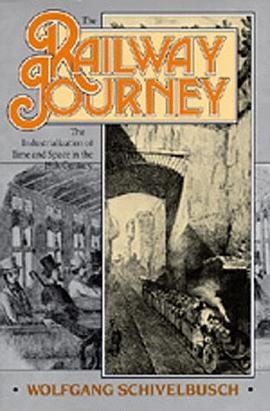
The impact of constant technological change upon our perception of the world is so pervasive as to have become a commonplace of modern society. But this was not always the case; as Wolfgang Schivelbusch points out in this fascinating study, our adaptation to technological change—the development of our modern, industrialized consciousness—was very much a learned behavior. In The Railway Journey, Schivelbusch examines the origins of this industrialized consciousness by exploring the reaction in the nineteenth century to the first dramatic avatar of technological change, the railroad.
In a highly original and engaging fashion, Schivelbusch discusses the ways in which our perceptions of distance, time, autonomy, speed, and risk were altered by railway travel. As a history of the surprising ways in which technology and culture interact, this book covers a wide range of topics, including the changing perception of landscapes, the death of conversation while traveling, the problematic nature of the railway compartment, the space of glass architecture, the pathology of the railway journey, industrial fatigue and the history of shock, and the railroad and the city.
Belonging to a distinguished European tradition of critical sociology best exemplified by the work of Georg Simmel and Walter Benjamin, The Railway Journey is anchored in rich empirical data and full of striking insights about railway travel, the industrial revolution, and technological change. Now updated with a new preface, The Railway Journey is an invaluable resource for readers interested in nineteenth-century culture and technology and the prehistory of modern media and digitalization.
作者简介
沃尔夫冈•希弗尔布施(Wolfgang Schivelbusch, 1941—)
德国历史学家、文化研究学者,1972年于柏林自由大学获博士学位,研究领域为文学、社会学和哲学,现居纽约、柏林。沃尔夫冈是一名独立研究者,不供职于任何一家研究机构,他以精神史研究路径而被人广泛熟知,在观念史与文化史研究领域也有所建树,他将埃利亚斯视为主要的影响以及灵感来源之一。2003年于柏林获海因里希•曼艺术学院奖,2013年于汉堡获莱辛城市奖。
他的主要作品有:《远距离关系:法西斯主义、国家社会主义、罗斯福新政(1933—1939)》《铁幕之前:柏林的思想生活(1945—1948)》《光芒,闪烁和幻想:20世纪的电气照明》《光明:19世纪人造光的历史》等。
目录信息
读后感
著名英剧《唐顿庄园》以这样的场景开场:贝茨先生乘坐火车前往唐顿庄园。汽笛鸣响,车轮滚滚,敲击着刚亢的铁轨。列车披着晨光,驶过不列颠乡间的沼泽,把一列倒影投在水面上。沿着轨道架有电线。轨道以外站着排排树木,仍是光秃秃的。蒸汽从机车里涌出,或是轻轻跌落在铁道边...
评分 评分著名英剧《唐顿庄园》以这样的场景开场:贝茨先生乘坐火车前往唐顿庄园。汽笛鸣响,车轮滚滚,敲击着刚亢的铁轨。列车披着晨光,驶过不列颠乡间的沼泽,把一列倒影投在水面上。沿着轨道架有电线。轨道以外站着排排树木,仍是光秃秃的。蒸汽从机车里涌出,或是轻轻跌落在铁道边...
评分用户评价
我是一个非常注重阅读体验的读者,而这本书在这方面做得非常出色。从封面设计到排版印刷,再到文字的打磨,每一个细节都透露出作者和出版社的用心。这本书的纸张质量很好,触感舒适,即使长时间阅读也不会感到疲劳。而且,书中的文字清晰易读,没有出现任何错别字或排版错误。最让我惊喜的是,作者在描写场景时,总是能够用最精准的语言,勾勒出最生动的画面,让我仿佛身临其境。我喜欢作者在人物对话中展现出的那种自然和真实,每一个角色的语言风格都独具特色,能够充分展现他们的性格特点。阅读这本书,就像是在品味一杯香醇的咖啡,每一个字句都充满了韵味,每一次翻页都充满了期待。它不仅仅是一部引人入胜的故事,更是一件精美的艺术品,它能够带给我身心的愉悦,也能够丰富我的精神世界。
评分这本书的封面设计就极具吸引力,我第一次见到它时就被那描绘着火车在广袤乡村飞驰的插画深深打动了。那复古的色调、细腻的笔触,仿佛能瞬间将我拉回到那个充满蒸汽与希望的时代。翻开扉页,纸张的触感也恰到好处,略带些许磨砂感,仿佛承载着一段久远的故事。我迫不及待地开始阅读,而书中的文字,如同精心打磨的宝石,每一句都闪烁着智慧的光芒,又如同潺潺流水,自然而然地引导着我的思绪。作者对于细节的把握令人惊叹,无论是对那个年代社会风貌的描绘,还是对人物内心世界的刻画,都显得如此真实而鲜活。阅读过程中,我常常会不自觉地想象自己就置身于那列火车之上,感受着车厢的摇晃,聆听着汽笛的鸣响,与书中的人物一同经历着他们的旅程,品味着他们的人生百态。这本书不仅仅是一部小说,更像是一次穿越时空的旅行,一次与历史和人性的深刻对话。它让我重新审视了许多习以为常的观点,也让我对生活有了更深的理解和感悟。它所传达的那种对未知的好奇、对梦想的执着,以及在困境中依然保持的乐观精神,都深深地触动了我。这本书的阅读体验是如此丰富而深刻,以至于我每次放下它,都会在心中久久回味,并且迫不及待地想要再次拾起,继续探索它所蕴含的无尽魅力。我强烈推荐给所有热爱阅读、渴望与文字进行深度交流的朋友们。
评分在我看来,一本能够引发读者共鸣的书,才是真正的好书。而这本书,无疑做到了这一点。它所描绘的许多情感和经历,都与我个人的生活体验产生了深刻的连接。我喜欢作者在刻画人物关系时所展现出的那种细腻和真实,那些友情、爱情、亲情之间的复杂情感,都被他描绘得淋漓尽致。在阅读过程中,我常常会因为书中人物的经历而感动落泪,也常常会因为他们的成功而感到由衷的喜悦。它让我看到了,即使在不同的时代、不同的背景下,人类的情感依然是共通的。这本书不仅仅是一个故事,更是一面镜子,它让我更好地认识了自己,也更深刻地理解了他人。它让我明白,生命中最珍贵的,往往是那些平凡而真实的感情。我感谢作者能够创造出如此触动人心的作品,它让我对生活有了更深的感悟,也让我更加珍惜身边的人。
评分我一直认为,一本真正优秀的书,应该是能够激发读者的思考,并且在读完之后依然能够萦绕在脑海中,引发持续的讨论和回味。而这本书,无疑做到了这一点。它所触及的许多话题,都具有相当的深度和前瞻性,作者并没有简单地给出一个答案,而是引导读者去独立思考,去形成自己的见解。我喜欢作者在文中穿插的一些哲学性的思考,这些思考为整个故事增添了更多层次的意义,也让我对生活有了更深刻的理解。在阅读过程中,我常常会停下来,在书中划下一些触动我的句子,或者是在笔记本上写下我的感悟。这些习惯,在阅读这本书的时候得到了极大的满足。它不仅仅是一本消遣读物,更是一次与作者的思想进行深度交流的机会。这本书让我重新认识到了阅读的力量,它不仅仅是获取信息,更是一种对心灵的滋养,一种对生命价值的探索。我感谢作者能够创造出如此充满智慧和启发性的作品,它让我对未来充满了期待,也让我更加珍惜当下。
评分我一直是个对历史题材作品情有独钟的读者,然而,许多历史作品往往过于注重史实的堆砌,而忽略了人性的挖掘。幸运的是,这本书完全没有这个问题。作者在尊重历史事实的基础上,更注重对人物内心世界的深入剖析。他笔下的人物,不再是冰冷的符号,而是有血有肉、有爱有恨的鲜活个体。我尤其喜欢作者在描绘人物成长经历时所展现出的那种细腻和真实,那些年少时的懵懂、青春期的叛逆、成年后的迷茫,都被他刻画得淋漓尽致。通过阅读这本书,我仿佛亲身经历了那个时代,感受到了那个时代人们所面临的挑战和机遇。它让我看到了,即使在历史的长河中,个体依然可以拥有自己的声音和选择。这本书不仅仅是一个关于过去的故事,更是一个关于如何面对当下、如何创造未来的启示。它让我明白了,历史并非只是尘封的过往,更是我们理解现在、塑造未来的重要参照。
评分我是一个对故事的完整性和逻辑性要求非常高的人,很多时候,我会因为作者在情节上的疏忽或者逻辑上的漏洞而感到沮丧。然而,在这本书里,我从未遇到过这样的情况。从头到尾,每一个情节的设置都显得那么巧妙,每一个人物的出现也都恰到好处,仿佛一切都是经过精心安排的。作者在构思故事时,显然付出了巨大的心血,他对于叙事节奏的把握也堪称完美,总能在恰当的时候抛出一些引人入胜的线索,又在恰当的时候给出令人意想不到的答案。阅读这本书的过程,就像是在解开一个层层包裹的谜团,每揭开一层,都带来新的惊喜和期待。我尤其欣赏作者在塑造人物时所展现出的立体感,他没有将人物简单地划分为好人或坏人,而是赋予了他们复杂的人性,让他们在善与恶、理性与感性之间摇摆不定。正是这种真实感,让我能够更好地理解他们,也更能与他们产生共鸣。这本书不仅仅是一个引人入胜的故事,更是一次对人性和社会现实的深刻探索。它让我看到了生活的多面性,也让我对人性有了更深的敬畏。我已经被这本书深深吸引,并且迫不及待地想要与更多人分享这份美好的阅读体验。
评分这本书给我带来的最深刻的感受,是它所描绘的那种宏大叙事与细腻情感之间的完美平衡。作者能够宏观地展现时代的变迁、社会的风貌,又能在微观层面深入到人物的内心世界,捕捉那些最细微的情感波动。这种驾驭复杂题材的能力,着实令人钦佩。我常常会因为作者对某个历史时期或者某个社会现象的精准描绘而感到震撼,仿佛亲身经历了那个时代,感受到了那个时代的脉搏。同时,书中人物之间的情感羁绊,那些爱恨情仇、悲欢离合,又深深地打动着我,让我为他们的命运牵挂。作者的笔触细腻而富有张力,他能够在不动声色间,将人物的内心世界展现在读者面前。这种高超的写作技巧,使得这本书不仅仅是一个故事,更是一幅生动的人生画卷。它让我看到了,即使在宏大的时代背景下,个体的情感依然是如此重要,它们构成了我们之所以为人的根本。这本书的魅力在于,它能够同时满足我对宏大叙事的追求和对细腻情感的渴望,给予我一种前所未有的阅读体验。
评分当我翻开这本书的那一刻,我就知道自己即将踏上一段非凡的旅程。作者的叙事方式非常有特色,他善于运用旁征博引,将看似不相关的故事巧妙地串联起来,形成一个庞大而完整的叙事网络。这种结构上的创新,使得阅读过程充满了探索的乐趣。我喜欢作者在描述事物时所展现出的那种独特的视角,他能够从一个全新的角度去审视我们习以为常的世界,从而带来令人耳目一新的感受。而且,这本书的语言也极具魅力,它既有诗歌般的韵律感,又不失故事的流畅性。我常常会被作者那些精妙的比喻和深刻的洞察力所折服。阅读这本书,就像是在品味一杯陈年的美酒,越品越有味道,越品越能体会到其中的精髓。它不仅丰富了我的知识,也拓展了我的视野,更重要的是,它激发了我对生活和世界的好奇心,让我更加渴望去探索未知的领域。这本书不仅仅是一部小说,更是一次精神上的冒险,一次对自我边界的挑战。
评分这本书的节奏控制得非常出色,从一开始就能够牢牢抓住读者的注意力,并且随着故事的推进,节奏时而舒缓,时而紧张,恰到好处地调动读者的情绪。作者在制造悬念和制造惊喜方面也做得非常到位,总能在意想不到的地方给出令人震撼的转折,让我欲罢不能。我喜欢作者在描写人物心理活动时所展现出的那种精妙的笔触,他能够将人物内心深处的纠结、挣扎、渴望,都描绘得入木三分。阅读这本书,就像是在经历一场跌宕起伏的过山车,充满了刺激和惊喜。更重要的是,这本书所传达出的那种对生命的热爱、对梦想的追求,以及在逆境中永不放弃的精神,都深深地感染了我。它让我明白,生活充满了未知和挑战,但只要我们保持积极的心态,勇敢地去面对,就一定能够找到属于自己的那片天空。这本书为我带来了巨大的精神力量,让我对生活充满了信心和希望。
评分刚拿到这本书的时候,我并没有抱有多大的期待,毕竟市面上优秀的作品实在太多了,想要从中脱颖而出并非易事。然而,当我沉浸在这本书的世界里时,我惊讶地发现,它所带来的惊喜远超我的想象。作者的文字功底非常扎实,语言流畅而富有感染力,即便是一些相对平淡的场景,在他笔下也能被描绘得生动有趣,引人入胜。更重要的是,这本书所探讨的主题深刻而具有普适性,它不仅仅是关于一段故事,更是关于人生、关于选择、关于成长。我尤其喜欢作者在处理人物关系时所展现出的细腻和真实,那些微妙的情感变化,那些无法言说的内心挣扎,都被他刻画得入木三分,让我仿佛看到了自己的影子。在阅读过程中,我时常会停下来思考,作者想要通过这些人物和事件传达怎样的信息?这些思考让我更加投入,也让阅读的过程变得更加有意义。这本书给我带来的不仅仅是阅读的乐趣,更是一种精神上的洗礼。它让我学会了以更宽广的视角去看待问题,以更包容的心态去理解他人。它让我重新审视了自己的生活,并从中汲取了继续前行的力量。这本书的价值,远不止于其文字本身,它更像是一份珍贵的礼物,一份可以伴随我一生去领悟的智慧。
评分评论有人在说这种纯纯的马克思的经济/技术决定论为啥要扯上弗洛伊德,我觉得弗洛伊德那里蛮好的啊,因为从另一方面看也可以说是在现代人的精神史中定位火车嘛。
评分很扎实的技术史社会史研究,除了最后的技术+文化双重决定论有点不能令人信服。
评分太棒了!纯纯的马克思式经济/技术基础决定论,细节超丰富又恰到好处,毫无冗余。每一个比较都来得顺其自然、水到渠成!语言简明易懂,只有高级词,绝无难长句。一堆insight, 当然最重要的还是panoramic travel, 很有说服力。缺点就是非要扯弗洛伊德,which is 注定要变为扯淡的。总之我要是能写出这样的书就真的心满意足了。大概会成为变身文科狗的推力?
评分评论有人在说这种纯纯的马克思的经济/技术决定论为啥要扯上弗洛伊德,我觉得弗洛伊德那里蛮好的啊,因为从另一方面看也可以说是在现代人的精神史中定位火车嘛。
评分T____T法兰克福水准的洞见和优雅(和马克思),完美的时间/空间、宏观/微观切换,看过的所有关键词可以概括为“商品、技术、现代化”的书里最喜欢的一本。问题当然有,比如中间提了一次对前工业时期的幻想之后好像自己也忘了这茬;再比如从legal liability解medical discourse但不知道为什么戛然而止饶了弗洛伊德。别的还得想想。