
具体描述
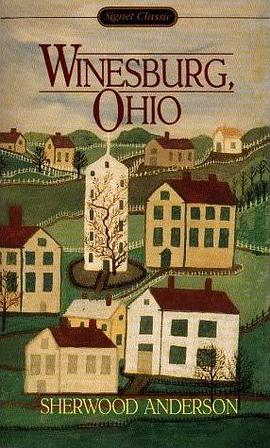
'Here [is] a new order of short story,' said H. L. Mencken when Winesburg, Ohio was published in 1919. 'It is so vivid, so full of insight, so shiningly life-like and glowing, that the book is lifted into a category all its own.' Indeed, Sherwood Anderson's timeless cycle of loosely connected tales--in which a young reporter named George Willard probes the hopes, dreams, and fears of the solitary people in a small Midwestern town at the turn of the century--embraced a new frankness and realism that ushered American literature into the modern age. 'There are moments in American life to which Anderson gave not only the first but the final expression,' wrote Malcolm Cowley. 'Winesburg, Ohio is far from the pessimistic or morbidly sexual work it was once attacked for being. Instead it is a work of love, an attempt to break down the walls of loneliness, and, in its own fashion, a celebration of small-town life in the lost days of good will and innocence.'
作者简介
Sherwood Anderson was an American writer who was mainly known for his short stories, most notably the collection Winesburg, Ohio. That work's influence on American fiction was profound, and its literary voice can be heard in Ernest Hemingway, William Faulkner, Thomas Wolfe, John Steinbeck, Erskine Caldwell and others.
From PBS.org:
Sherwood Anderson, (1876-1941), was an American short-story writer and novelist. Although none of his novels was wholly successful, several of his short stories have become classics. Anderson was a major influence on the generation of American writers who came after him. These writers included Ernest Hemingway, F. Scott Fitzgerald, and William Faulkner. Anderson thus occupies a place in literary history that cannot be fully explained by the literary quality of his work.
Anderson was born on Sept. 13, 1876, in Camden, Ohio. He never finished high school because he had to work to support his family. By 1912, he was the successful manager of a paint factory in Elyria, Ohio, and the father of three children by the first of his four wives. In 1912, Anderson deserted his family and job. In early 1913, he moved to Chicago, where he devoted more time to his imaginative writing. He became a heroic model for younger writers because he broke with what they considered to be American materialism and convention to commit himself to art.
Anderson's most important book is WINESBURG, OHIO (1919), a collection of 22 stories. The stories explore the lives of inhabitants of Winesburg, a fictional version of Clyde, Ohio, the small farm town where Anderson lived for about 12 years of his early life. These tales made a significant break with the traditional American short story. Instead of emphasizing plot and action, Anderson used a simple, precise, unsentimental style to reveal the frustration, loneliness, and longing in the lives of his characters. These characters are stunted by the narrowness of Midwestern small-town life and by their own limitations.
read more
目录信息
读后感
舍伍德•安德森是美国第一位成熟的现代意义上的小说家,曾经深刻地影响过他的学生兼朋友海明威和福克纳两位大师,可以说他是大师的老师。安德森在短篇小说创作方面最杰出的成就体现在系列短篇小说集《俄亥俄,温斯堡》(又译《小城畸人》)上。它既是安德森的代表作,也是美...
评分11月30日 《没有人知道》这个短篇,很简短,写的又是平常的事,读来却自有一股感动的力量。这源于作者对人物性格、心理以及对周遭环境的细致描摹。记得有人说,爱情最美妙、最醉人的时刻,是还没有捅破那层纸的那些时光。这篇小说,写的就是捅破那层纸的小事。我猜想,大概...
评分Winesburg,Ohio读后感 故事集中在一个小城。准确来说是一个关系网交错,彼此知根知底的小镇,他们的世界天然地隔绝在一方天地上,聆听着彼此的故事,却带着复杂的眼神。 作者是美国文学大师舍伍德•安德森,他构思的故事彼此分立甚至彼此对立,却用隐晦的线条交织在一起。入...
评分最好的黄昏是农夫驾着车回家的吱呀吱呀声,主街上开诊所的医师正收拾东西准备回家,杂货铺的伙计扫了门前马车驶过带来的灰尘,几个庄稼汉在一天的忙碌过后正要去酒馆喝一杯,道路尽头的教堂牧师走了出来,伫立在那里虔诚的看着被夕阳暖烘烘的小城祷告祈求主给以荣光的指引。...
用户评价
说实话,初读这本书时,我一度感到一种强烈的陌生感,它拒绝提供任何传统意义上的情节高潮或明确的道德指引。这更像是一系列相互关联的、带着朦胧光晕的短篇故事集,每个故事都像是一面磨砂玻璃,你只能瞥见人物的侧影,而非清晰的面孔。这种叙事上的疏离感,反而让我感到一种奇特的亲近。它展现的不是“英雄”的史诗,而是那些被生活打磨得棱角模糊的普通人,他们挣扎着想去理解自己,却总是被自身的局限性所困。我特别喜欢作者处理“青春期”的方式,那种从童真向成人世界过渡的阵痛,被描绘得既残酷又充满诗意。它让你想起自己年轻时那些不合时宜的冲动,那些不被理解的渴望,以及最终只能对着镜子和自己和解的无奈。这本书的语言有一种老式的庄重感,但内核却是极其现代的、关于心理困境的探讨。它不试图给你答案,而是提供了一个让你安静坐下来,与自己的心魔对视的空间。读完后,我感觉自己好像刚刚经历了一场漫长而安静的告解,虽然心绪并未完全平静,但至少多了一份对人性复杂性的理解和包容。
评分与其他文学作品不同,这本书的魅力在于它的“碎片化”结构,它更像是将一位老人的回忆录打散重组,然后抛给了读者。每个人的故事似乎都可以独立存在,但当它们被放在一起时,一种关于“共同的失落感”的宏大主题便浮现了。我注意到作者对于“艺术的追求”和“日常生活的平庸”之间的张力处理得非常巧妙。那些怀抱理想却最终被现实磨平棱角的人们,他们的挣扎构成了故事最痛彻心扉的部分。比如,那些试图通过某种非主流的表达方式来冲破桎梏的角色,他们的努力往往是短暂而徒劳的,但正是这份徒劳,才凸显出人性中那份不屈服的火花。这本书教会我,伟大的文学作品不一定要有震撼的事件,它可以仅仅是安静地记录下一个人如何从渴望变成接受,从激情四射变成温和内敛的过程。这是一种更加成熟、更加需要回味才能体会到的力量,它不像烟火般绚烂,却像炭火般持久地温暖着读者的内心深处,关于理解与和解的讨论。
评分这本书的文字风格对我来说,有着一种近乎催眠的魔力,它不追求华丽的辞藻堆砌,而是用一种近乎散文诗般的精准度,去描绘那些转瞬即逝的情绪波澜。我感觉自己像是被邀请进入了一个私人梦境,里面的逻辑有时跳跃,但情感的线索始终是清晰可见的。作者对环境和人物互动的观察是如此细致入微,以至于我常常会暂停下来,仅仅是为了体会某个句子所带来的那种瞬间的“领悟”。它成功地揭示了一个深刻的悖论:生活在一个紧密相连的小社区里,人们似乎应该更容易互相理解,但事实往往是,距离越近,误解和隔阂反而越深。这种疏离感,与其说是地理上的,不如说是精神上的。阅读体验是极其私密的,它让你感觉自己是在窥探别人的秘密日记,而这些秘密,不知为何,也与你自己的经历产生了共鸣。这是一本需要反复阅读的书,因为每一次重读,都会因为自己阅历的增加,而发现新的层次和更深远的意味,它像一口老井,越往下挖,水质越清澈。
评分那本书给我的感觉,简直就像是走进了一个时间胶囊,把我瞬间拉回到了那个特定的小镇生活场景中。作者的笔触细腻得令人心惊,每一个角落的描绘都充满了真实的质感,空气中似乎都能闻到旧木头和潮湿泥土混合的味道。我尤其欣赏他对人物内心世界的挖掘,那种压抑、隐秘的情感,就像地下河流一样,在表面平静的小镇生活中暗自涌动。你看着他们,会觉得他们每一个人都有一个巨大的秘密,一个只有他们自己知道,甚至自己都快要忘记的过去。这种对“局外人”心态的精准捕捉,让整个故事充满了挥之不去的忧郁和一种近乎神圣的孤独感。我仿佛成为了那个在傍晚时分,坐在镇上唯一一家杂货店门口,观察着行色匆匆的镇民的陌生人,那种旁观者才能有的清醒和疏离感,被作者描绘得淋漓尽致。这本书没有宏大的叙事,只有无数个微小、破碎的瞬间,但正是这些瞬间,拼凑出了一个令人难以忘怀的集体肖像,一个关于成长、迷失与寻找归属感的永恒寓言。它的节奏是缓慢的,需要耐心去品味,但一旦你沉浸其中,就会发现那种缓慢本身就是一种力量,它迫使你放慢自己的呼吸,去感受每一个字背后的重量。
评分这本书的氛围营造堪称一绝,它成功地捕捉到了一种特定地域文化中特有的、那种既保守又暗流涌动的精神景观。那种“小镇情结”的影响力是如此强大,它既是庇护所,也是一座无形的监狱。人们习惯了彼此的注视,习惯了用既定的角色扮演来维系表面的和谐,但这种压抑感如同地下的蒸汽,随时可能以扭曲或爆发的形式展现出来。我感觉作者对小镇的地理环境的描写,已经超越了单纯的背景设定,它成为了人物性格的延伸——那些河流、田野、阴沉的天空,都无声地参与了塑造故事中每一个灵魂的命运。阅读过程中,我脑海中不断浮现出老照片的画面,褪色的色彩,模糊的边缘,那种时间的流逝感在字里行间弥漫开来。它不是一本让你感到愉悦的书,但它绝对是一本让你感到“真实”的书。它让你明白,很多时候,我们以为自己是自由的,但我们其实只是在遵循着无形的社会契约,在熟悉的街道上进行着永无止境的重复劳动。这种对生存状态的深刻洞察,是它最令人难忘的地方。
评分The reason a movie like On the Beach, books like Winsburg, Ohio and For Whom the Bell Tolls are bad to the point of being laughable, but not bad to the point of being enjoyable, is that they are too dogged and pretentious. They lack fantasy. (p. 284)
评分很有意思
评分欲言又止
评分忙碌到根本没有时间读书,空虚加悲伤啊。
评分作家牛逼的地方在于,明明他们也只能活一次自己的人生,却能够把和自己不同性别,来自不同背景,成长于不同环境,经历着不同事件的各种人物在各种境遇下的各种时刻的行为表现、甚至最微妙的心理感受写得就像自己经历过一样准确真实。就好像活了一百种人生一样。