
具体描述
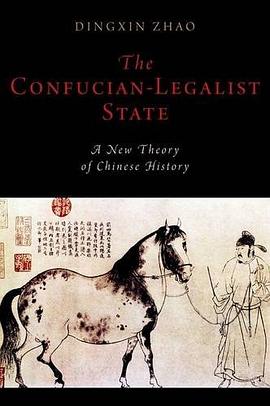
In the The Confucian-Legalist State, Dingxin Zhao offers a radically new analysis of Chinese imperial history from the eleventh century BCE to the fall of the Qing dynasty. This study first uncovers the factors that explain how, and why, China developed into a bureaucratic empire under the Qin dynasty in 221 BCE. It then examines the political system that crystallized during the Western Han dynasty, a system that drew on China's philosophical traditions of Confucianism and Legalism. Despite great changes in China's demography, religion, technology, and socioeconomic structures, this Confucian-Legalist political system survived for over two millennia. Yet, it was precisely because of the system's resilience that China, for better or worse, did not develop industrial capitalism as Western Europe did, notwithstanding China's economic prosperity and technological sophistication beginning with the Northern Song dynasty.
In examining the nature of this political system, Zhao offers a new way of viewing Chinese history, one that emphasizes the importance of structural forces and social mechanisms in shaping historical dynamics. As a work of historical sociology, The Confucian-Legalist State aims to show how the patterns of Chinese history were not shaped by any single force, but instead by meaningful activities of social actors which were greatly constrained by, and at the same time reproduced and modified, the constellations of political, economic, military, and ideological forces. This book thus offers a startling new understanding of long-term patterns of Chinese history, one that should trigger debates for years to come among historians, political scientists, and sociologists.
作者简介
Dingxin Zhao is Professor of Sociology at the University of Chicago and the author of several books, including the award-winning Power of Tiananmen (University of Chicago Press, 2001).
目录信息
A Disclaimer
Maps
Part I. Empirical and Theoretical Considerations
Introduction
Chapter 1: A Theory of Historical Change
Part II. The Historical Background of the Eastern Zhou Dynasty
Chapter 2: The Western Zhou (ca. 1045-771 BCE) Order and Its Decline
Chapter 3: The Historical Setting of Eastern Zhou, an Age of War
Part III. War-driven Dynamism in Eastern Zhou
Chapter 4: The Age of Hegemons (770-546 BCE)
Chapter 5: The Age of Transition (545-420 BCE)
Chapter 6: In the Age of Total War (419-221 BCE): (1) Philosophies and Philosophers
Chapter 7: In the Age of Total War: (2) Absolutism Prevailing
Chapter 8: In the Age of Total War: (3) Qin and the Drive toward Unification
Chapter 9: Western Han and the Advent of the Confucian-Legalist State
Part IV. The Confucian-Legalist State and Patterns of Chinese History
Chapter 10: Pre-Song Challenges to the Confucian-Legalist Political Framework and Song Responses
Chapter 11: Relations between Nomads and Settled Chinese in History
Chapter 12: Neo-Confucianism and the Advent of a <"Confucian Society>"
Chapter 13: Market Economy under the Confucian-Legalist State
Concluding
Remarks
References
· · · · · · (收起)
读后感
赵鼎新(以下简称“赵”)的《儒法国家:中国历史的新理论》颇具学术雄心,视野宏大,洞察清晰,是一项可观的学术成就。我无法评价其解释中国历史的准确性,只能说该书似乎应当在中国的史学争鸣中占有一席之地。这里,我的评论将侧重于理论方面,尤其将重点关注的是此书理论的...
评分【本文节选自《开放时代》2019年第4期】 编者按 赵鼎新的英文近著《儒法国家:中国历史的新理论》(The Confucian-Legalist State: A New Theory of Chinese History)自出版以来,广受国内外学界关注,且于2016年荣获美国社会学学会政治社会学分会年度杰出专著奖。本刊曾于20...
评分【本文节选自《开放时代》2019年第4期】 编者按 赵鼎新的英文近著《儒法国家:中国历史的新理论》(The Confucian-Legalist State: A New Theory of Chinese History)自出版以来,广受国内外学界关注,且于2016年荣获美国社会学学会政治社会学分会年度杰出专著奖。本刊曾于20...
评分赵鼎新的新书《儒法国家:中国历史的新理论》(以下简称“赵书”)是一本内容极其丰富的专著。①从时间上说,此书主要检查(examine)了古代中国自西周至西汉的历史,但也延伸到整个古代中国,即19世纪西方列强到达中国之前的中国历史。这本书检查和冲击了学术界、知识界近年来...
评分之前觉得秦晖很有说服力,扎实、雄辩。然后看到赵鼎新,感觉好像更厉害,因为他有耀眼的理性的光辉,以及,因此而显得货真价实的正能量(这种货真价实在“御用文人”中难得一见)。但秦晖好像也没错,那这是怎么回事,为什么他们的观点如此不同?于是再回过头去把两人看了又看...
用户评价
《儒法国家》这个书名,如同一把钥匙,开启了我对中国古代政治制度演变的好奇心。我一直对中国历史上的“大一统”局面以及维系这种局面的政治哲学思索不已。儒家思想强调“礼乐治国”,注重道德教化和等级秩序,旨在构建一个和谐稳定的社会;而法家思想则强调“依法治国”,注重法律的严明和君权的绝对,旨在实现高效的统治和国家的强大。这两者在历史上并非总是并行不悖,而是充满了相互吸收、相互制约的复杂关系。这本书的书名让我大胆猜测,作者可能致力于探讨一种“儒法结合”的治理模式,即如何在继承儒家“仁政”理想的同时,又不失法家“强权”的有效性。书中是否会深入分析,在不同历史时期,这种结合的具体表现形式,以及它对国家发展和社会治理产生的深远影响?我尤其关注,这种结合是否能有效地解决统治者在追求国家利益与维护民众福祉之间的矛盾。这本书的标题,在我看来,是一次对中国古代政治智慧的深刻反思,是对如何构建一个既有人文关怀又不失强大执行力的国家的理论探索。
评分The Confucian-Legalist State 这个书名,瞬间抓住了我对中国古代政治思想的兴趣点。我一直认为,理解中国古代政治的精髓,就必须深入剖析儒家和法家思想的互动。儒家以“仁”、“义”、“礼”、“智”、“信”为核心,强调道德修养和社会伦理,旨在构建一个有秩序、有温情的社会;法家则以“法”、“术”、“势”为指导,注重规章制度、奖惩分明,追求高效的政治运作和国家统一。然而,在漫长的历史实践中,这两种思想并非简单地各自为政,而是相互影响,相互渗透。我迫切希望这本书能够细致地描绘出这种相互作用的图景:儒家思想如何在制度层面被吸收,例如科举制度的设立、文官系统的运行;法家思想又如何在儒家框架下被巧妙地运用,例如在法律条文的制定、基层官吏的管理等方面。更进一步,我想知道,在“儒法国家”的构建过程中,是否曾出现过一种理想化的平衡点,一种能够兼顾道德约束与法律强制,实现长治久安的政治模式。这本书的书名,就像一扇窗,让我窥见了对中国古代政治运作的深度解析。
评分《儒法国家》这个书名,对我来说,就像是打开了一扇通往中国古代政治思想宝库的大门。我对中国历史的痴迷,很大程度上源于对其独特的政治哲学的着迷。儒家思想以其强调“仁”、“礼”、“德”的温和治理方式,为中国社会提供了道德框架和文化根基;而法家思想以其强调“法”、“术”、“势”的刚性管理方式,为中国国家机器的运转提供了效率和秩序。我迫切希望这本书能够深入剖析,这两大思想流派如何在历史的洪流中相互碰撞、融合,最终共同构成了“儒法国家”的独特面貌。书中是否会详细探讨,儒家思想如何在制度层面被吸收,例如在官员选拔、道德教化等方面的体现;同时,法家思想又如何在实际的政治运作中被运用,例如在法律条文的制定、对官员的监督等方面?我尤其关注,这种“儒法结合”的模式,是否能有效地解决国家治理中的各种难题,例如如何平衡统治者的权威与民众的利益,如何实现长期的社会稳定与繁荣。这本书的书名,预示着一次对中国古代政治智慧的深刻解读。
评分“儒法国家”这个名称,立刻让我联想到中国历史上那些在儒家礼仪的温文尔雅之下,隐藏着法家铁腕统治的时代。我一直觉得,中国政治文化的独特之处,就在于它能够将强调人伦、道德的儒家思想与强调规则、秩序的法家思想巧妙地融合。这本书的标题让我好奇,作者是否会深入探讨这两种思想在历史上的交汇点,以及它们是如何共同塑造了中国古代的国家形态。我期待书中能够详尽地阐述,儒家思想是如何为国家提供了意识形态的支撑和合法性的基础,例如通过强调君臣父子之道来巩固统治;同时,法家思想又如何在实践中为国家提供了高效的执行机制,例如通过严密的官僚体系和明确的赏罚制度来保证国家机器的运转。更重要的是,我希望这本书能够揭示,这种“儒法结合”的模式,是否真的能实现一种理想化的政治状态,即既有道德的引导,又有法律的保障,从而创造出稳定而繁荣的社会。这本书的书名,无疑勾起了我对中国古代政治智慧的深入探究的欲望。
评分初拿到《儒法国家》这本书,首先吸引我的便是其书名所蕴含的深邃历史感和思想张力。作为一名对古代中国历史和哲学有着浓厚兴趣的读者,我对儒家与法家的思想体系并不陌生,但如何将这两大看似迥异的哲学流派有机地联系起来,并将其置于“国家”这一宏观概念之下进行审视,却是极具挑战性的。我渴望在这本书中看到对儒家“仁爱”、“礼乐”等核心价值观与法家“法治”、“权术”等现实政治手段之间关系的细致梳理。书中是否会探讨,在历史上,统治者是如何将儒家的道德教化与法家的严刑峻法结合,以达到巩固统治、稳定社会的目的?例如,在某些朝代,是否出现了“阳儒阴法”的现象,即表面上宣扬儒家思想,私下里却运用法家手段;又或者,是否存在着将两者融会贯通,创造出一种独特的“儒法一体”的治理模式?这本书的标题让我对接下来的阅读充满期待,因为它预示着一场对中国古代政治智慧的深度挖掘,一场关于如何在理想与现实之间寻找平衡的哲学思辨。
评分“The Confucian-Legalist State”这个书名,无疑触动了我内心深处对中国古代政治智慧的向往。我始终认为,理解中国古代社会的独特之处,必须深入探究儒家和法家思想的融合。儒家强调“仁爱”与“礼乐”,旨在通过道德教化和人文关怀来构建和谐有序的社会;法家则强调“法治”与“权术”,旨在通过严格的法律和有效的统治来巩固国家权力。这两种思想在历史上并非简单的对立,而是相互借鉴、相互渗透,共同塑造了中国古代的政治格局。我期待这本书能详细阐述,儒家思想如何在国家治理的意识形态层面发挥作用,成为凝聚社会共识、提供合法性基础的关键;同时,法家思想又如何在实践中为国家机器的运转提供强有力的支撑,例如通过明晰的法律条文和高效的行政体系来保障国家的运转。更重要的是,我想了解,这种“儒法结合”的模式,是否能够实现一种理想化的治理境界,即既有道德的感召力,又有法律的约束力,从而达到长治久安。这本书的书名,让我看到了对中国古代政治运作的一次深度挖掘。
评分这本书的书名《儒法国家》就足以引发我无穷的联想,脑海中立刻浮现出那个充满智慧与秩序的东方世界。我一直对古代中国的政治哲学和历史演变充满了浓厚的兴趣,尤其是儒家思想和法家思想这两大基石,它们如何在中国漫长的历史长河中相互碰撞、融合,最终塑造了我们今天所熟知的中华文明,这本身就是一个引人入胜的课题。我期待这本书能够深入剖析儒家“德治”与法家“法治”的核心理念,探讨它们在实践中如何被不同的朝代和统治者所运用,又产生了怎样的实际效果。比如,在强调仁义礼智信的儒家思想下,国家机器如何运转?在强调君权至上、刑赏分明的法家思想下,社会秩序又如何维系?更重要的是,我希望这本书能揭示这两大思想体系并非简单的二元对立,而是存在着复杂的张力和互补性。或许,真正的“儒法国家”并非完全偏向一方,而是一种巧妙的平衡,一种在理想主义和现实主义之间寻求最大公约数的政治智慧。这本书的书名让我看到了深入研究的可能性,它召唤着我对中国古代政治智慧的再次探索,期待它能带来新的视角和深刻的洞见。
评分“The Confucian-Legalist State”这个书名,在我看来,是一个极具概括性和启发性的标签,它直接点出了中国古代政治文化的核心特征。我一直认为,理解中国古代历史,必须抓住儒家和法家这两股思想潮流。儒家强调“仁政”,注重道德感化和等级秩序,旨在构建一个温情脉脉的社会;法家则强调“法治”,注重规章制度和权力制衡,旨在建立一个高效运转的国家。然而,在漫长的中国历史长河中,这两种思想并非泾渭分明,而是相互渗透,相互作用,共同塑造了中国古代的政治实践。我期待这本书能够深入挖掘这两种思想如何被融合,例如,儒家思想如何在国家意识形态层面扮演重要角色,成为统治合法性的来源,而在具体执行层面,法家思想的严刑峻法又如何被巧妙运用,以维持社会的稳定和秩序。更重要的是,我想知道,这种“儒法结合”的模式,是否真的能达到一种理想的平衡,既能实现国家的强盛,又能保障民众的基本权利。这本书的书名,无疑勾起了我对中国古代政治智慧的深度求索。
评分《儒法国家》这个书名,立刻在我脑海中勾勒出一幅中国古代政治的宏伟画卷。我一直对中国传统政治的“德治”与“法治”之间的辩证关系充满好奇。儒家思想所倡导的“德治”,强调的是通过道德教化、伦理规范来引导社会,构建和谐的人际关系和政治秩序;而法家思想所倡导的“法治”,则强调的是通过明确的法律、严厉的赏罚来约束个体行为,保障国家的稳定和统一。这两种看似截然不同的治理理念,在中国漫长的历史实践中,却常常被巧妙地结合在一起。我期待这本书能够深入剖析,儒家思想是如何为“儒法国家”提供了合法性的基础和道德的框架,例如通过强调“仁政”来缓和统治的刚性;而法家思想又如何在实际的政治运作中,为国家机器的有效运转提供了强大的驱动力,例如通过精密的法律体系和高效的官僚体制来保障国家的统治。我尤其想知道,这种“儒法结合”的模式,在面对历史变迁和时代挑战时,其适应性和生命力究竟如何?这本书的书名,无疑点燃了我对中国古代政治智慧的深入探究的激情。
评分《儒法国家》这个书名,如同一枚硬币的两面,引发了我对中国古代政治体制深层结构的思考。我一直对中国传统政治的“软实力”与“硬实力”如何结合感到好奇。儒家思想所代表的“软实力”,在于其强大的文化渗透力和道德感召力,它为国家提供了合法性基础和精神支柱;而法家思想所代表的“硬实力”,则在于其严谨的法律体系和强大的国家机器,它为国家提供了统治的有效性和执行力。这本书的书名,让我期待作者能详细阐释,这两种看似矛盾的力量如何在古代中国被有机地整合,形成一种独特的治理模式。书中是否会分析,儒家思想在国家治理中的“道义”层面,例如通过教育和道德榜样来引导民众;同时,法家思想又如何在“技术”层面发挥作用,例如通过精密的法律条文和高效的行政管理来维持社会秩序?我尤其想知道,这种“儒法结合”的模式,在面对内外部挑战时,其韧性和适应性如何?它是否能够兼顾统治者的权威与民众的福祉,从而实现长治久安?这本书的书名,让我看到了一次对中国古代政治运作机制的深入剖析。
评分三星半
评分感觉只是把《东周战争》提出的框架用历史细节给补充了而已,仍然是在Tilly和Mann的基础上推进战争在国家的诞生中起的作用。不过这本书赵将重心放在了儒法国家的诞生以及其超稳定结构,从历史学的角度来看没什么新鲜的,但是社会科学重点是要找出分析机制,也是挺无聊的。赵真是在何处都要黑彭慕兰。
评分太多熟悉套路和课堂讨论过的内容无需重复。感触最深是老赵习惯将大问题和论断裁剪成可巧妙精细论证,却坚持活在文革和广场形塑的近乎偏执的愤世嫉俗中。将简单技巧发挥到极致(如将军队征伐距离标准化再叠加地图形成战争网络观察战国时期有无五国争霸)尽显思维缜密。然文革中抓住工厂间隙和写作组机会大量辛苦读书完成原始积累,八十年代受金观涛刘青峰启发思考中国何处去,典型那一代学人思路,理工转社科具备独特的科学思维和两体系比较优势,进入美国学界却面对全然陌生且日渐僵化的知识积累机制。对文革的庆幸和恐惧,对广场从愤怒到冷静,中国、社运、历史三重学者身份纠结,铸就悲观底色:人一手创造权力社会牢笼,却困不住竞争性与动物性;历史并未命定,多重权力的无意后果却永难控制。悲剧论者最高幸运(或不幸)或在于:他完全意识到这一点。
评分三星半
评分The concepts of ideal-typical political, economic, and military powers actually make no sense.