
具体描述
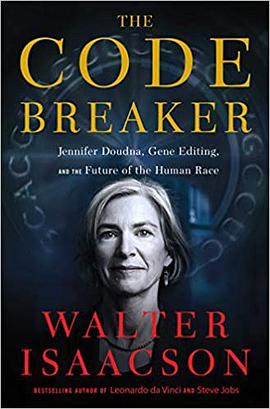
The bestselling author of Leonardo da Vinci and Steve Jobs returns with a gripping account of how Nobel Prize winner Jennifer Doudna and her colleagues launched a revolution that will allow us to cure diseases, fend off viruses, and have healthier babies.
When Jennifer Doudna was in sixth grade, she came home one day to find that her dad had left a paperback titled The Double Helix on her bed. She put it aside, thinking it was one of those detective tales she loved. When she read it on a rainy Saturday, she discovered she was right, in a way. As she sped through the pages, she became enthralled by the intense drama behind the competition to discover the code of life. Even though her high school counselor told her girls didn’t become scientists, she decided she would.
Driven by a passion to understand how nature works and to turn discoveries into inventions, she would help to make what the book’s author, James Watson, told her was the most important biological advance since his co-discovery of the structure of DNA. She and her collaborators turned a curiosity of nature into an invention that will transform the human race: an easy-to-use tool that can edit DNA. Known as CRISPR, it opened a brave new world of medical miracles and moral questions.
The development of CRISPR and the race to create vaccines for coronavirus will hasten our transition to the next great innovation revolution. The past half-century has been a digital age, based on the microchip, computer, and internet. Now we are entering a life-science revolution. Children who study digital coding will be joined by those who study genetic code.
Should we use our new evolution-hacking powers to make us less susceptible to viruses? What a wonderful boon that would be! And what about preventing depression? Hmmm…Should we allow parents, if they can afford it, to enhance the height or muscles or IQ of their kids?
After helping to discover CRISPR, Doudna became a leader in wrestling with these moral issues and, with her collaborator Emmanuelle Charpentier, won the Nobel Prize in 2020. Her story is a thrilling detective tale that involves the most profound wonders of nature, from the origins of life to the future of our species.
作者简介
Walter Isaacson, a professor of history at Tulane, has been CEO of the Aspen Institute, chair of CNN, and editor of Time. He is the author of Leonardo da Vinci; The Innovators; Steve Jobs; Einstein: His Life and Universe; Benjamin Franklin: An American Life; and Kissinger: A Biography, and the coauthor of The Wise Men: Six Friends and the World They Made. Visit him at Isaacson.Tulane.edu.
目录信息
读后感
1、 根据我目前的认知,大部分生命活动的调控是精细而复杂的,并非敲除或改变一段序列就能产生显著效果。生命系统的复杂性也预示任意改造一段序列可能会有意外后果。此外,脱靶效应也会限制基因编辑技术的人体应用。所以,大规模的基因设计短时期内还只是个愿景,但早早开始考...
评分基因编辑初听起来对我这样类型的人具有特别的吸引力,后代的个子可以高一点,头发多一点,脑子聪明一点,膝关节耐磨一点,说普通话的时候乡音少一点,炒股的能力强一点,最好能出现六块腹肌。问题在于,科学面前大致人人平等,如果未来每一位小伙子都是膝关节耐磨、长发跟诗人...
评分I enjoyed reading the book. I appreciate that Walter has explained the concepts of biochemistry, a subject rather unfamiliar to me, in a both thorough and understandable way, covering a wide range of topics around CRISPR, including the history, the scientif...
评分基因编辑初听起来对我这样类型的人具有特别的吸引力,后代的个子可以高一点,头发多一点,脑子聪明一点,膝关节耐磨一点,说普通话的时候乡音少一点,炒股的能力强一点,最好能出现六块腹肌。问题在于,科学面前大致人人平等,如果未来每一位小伙子都是膝关节耐磨、长发跟诗人...
评分基因编辑初听起来对我这样类型的人具有特别的吸引力,后代的个子可以高一点,头发多一点,脑子聪明一点,膝关节耐磨一点,说普通话的时候乡音少一点,炒股的能力强一点,最好能出现六块腹肌。问题在于,科学面前大致人人平等,如果未来每一位小伙子都是膝关节耐磨、长发跟诗人...
用户评价
从整体阅读感受来说,这本书给我带来的最核心体验是“清晰”。在面对一个庞杂且充满专业术语的领域时,清晰度是衡量一本好书的首要标准。而这本书在这方面达到了近乎完美的水准。作者在关键转折点总会插入一些精妙的类比或图示(即使是纯文本描述的),它们如同灯塔一般,瞬间点亮了先前晦涩难懂的理论迷雾。我记得有一段关于决策理论的分析,涉及到大量概率推断,我本以为会陷入枯燥的数学推导,但作者却将其转化为一个充满人情味的故事场景,立刻拉近了理论与现实的距离。这种叙事上的弹性,让这本书拥有了极高的可读性,即使在某些章节内容极其烧脑的情况下,阅读的疲劳感也得到了极大的缓解。它不是那种读完一遍就想丢开的书,更像是工具箱里的核心工具,需要时不时地拿出来校准一下自己的思维工具。这本书的深度和广度,足以让不同层次的读者都能从中汲取营养,但其提供的底层逻辑框架,对于希望进行深度思考的人来说,是无价之宝。
评分这本书的文字风格是极其内敛而精准的,没有丝毫多余的情感渲染,却能自然而然地激发出读者内心的求知欲。它更像是一部精密的工程蓝图,每一个部分都服务于整体的结构和功能。书中对若干早期思想家的思想脉络梳理,简直是一次小型的思想史考察,作者清晰地展示了某种核心概念是如何历经数个世纪的演变,最终在当代科学中找到其精确的数学表述。我尤其欣赏作者对“局限性”的探讨。在许多鼓吹无限可能性的读物中,这本书却敢于正视科学和认知的边界,认真分析了在现有框架下,我们确实无法触及或理解的领域。这种诚实的态度,反而给予了读者更坚实的安全感——我们知道自己站在哪里,从而更能判断下一步应该走向何方。它的叙事仿佛一条河流,看似平稳,实则蕴含着巨大的向下冲刷力,不经意间就将你带到了一个全新的认知高度。这本书不只是知识的载体,它本身就是一种对严谨治学态度的生动示范。
评分这部作品给我带来了极其深刻的震撼,它不仅仅是一本关于某个特定领域知识的普及读物,更像是一次对人类思维极限的探险。作者以其令人惊叹的叙事技巧,将那些原本只存在于高深理论中的概念,用一种近乎诗意的语言描绘出来。我记得其中有一章,详细阐述了信息熵在生物系统中的体现,那种将抽象的数学模型与鲜活的生命过程巧妙结合的方式,让我几乎可以“看到”那些微观粒子间的舞蹈与博弈。书中对于复杂系统演化的讨论尤其引人入胜,它迫使我重新审视我们习以为常的因果关系。很多时候,我们习惯于线性的、简单的解释,但这本书却通过大量的案例和严谨的推导,揭示了隐藏在表象之下的非线性、涌现性的力量。阅读过程中,我经常需要停下来,反复咀嚼那些精妙的措辞,试图捕捉其深层含义。它不是一本可以轻松翻阅的书,它要求读者投入极大的认知资源,但回报是丰厚的——一种对世界运行机制更深层次的理解和敬畏。这本书无疑拓宽了我的知识边界,让我对“理解”这个词有了全新的定义,它不再是记住事实,而是洞察规律。我尤其欣赏作者在处理争议性议题时的那种平衡感,既不盲从主流,也不故作惊人之语,而是以事实和逻辑为基石,引导读者进行独立的思考,这种专业性与人文关怀的结合,是极为难得的。
评分坦白说,我一开始接触这本书时,内心是抱有一丝怀疑的,毕竟市场上充斥着太多标题党式的“揭秘”之作。然而,这本书从第一页开始就展现出了令人信服的严谨性。它的结构设计堪称教科书级别,逻辑链条环环相扣,从基础概念的建立,到复杂理论的推演,再到实际应用的展望,每一步都走得扎实而有力。最让我赞叹的是,作者似乎拥有一种将深奥知识“去魅化”的魔力。例如,书中对某种早期计算模型的描述,原本我以为需要深厚的计算机科学背景才能理解,但作者通过引入生动的历史背景和巧妙的比喻,让一个完全外行的我,也能把握其核心思想的精髓。这种叙事上的耐心和对读者的尊重,极大地提升了阅读体验。我甚至发现自己开始主动去查阅书中所引用的那些晦涩的原始文献,这在以往的阅读经历中是极其罕见的。这本书不仅仅是在传递信息,它更像是在构建一个思维框架,将零散的知识点系统化地连接起来。它不是那种读完后就束之高阁的书籍,我预计在未来的很长一段时间里,我都会不时地翻阅其中的某些章节,以巩固和深化我对其中理念的掌握。它提供了一种看待世界的全新滤镜,这种改变是潜移默化的,但又是实质性的。
评分这本书读起来,就像是进行了一场漫长而引人入胜的智力角力。作者似乎总能预判到读者心中的疑问,并在读者产生疑惑之前,就提前铺设好了解答的阶梯。它不是那种直白地告诉“答案是什么”的书,而更像是一位经验老到的导师,耐心地引导你走向那个答案。我特别喜欢其中关于“信息瓶颈”的论述,它不仅从理论上探讨了为什么某些信息无法有效传递,更深入挖掘了这种瓶颈在社会、政治甚至艺术领域中的投射。那种跨学科的视野,让这本书的价值远超其单一的学科范畴。阅读的节奏感把握得非常好,时而紧张激烈,如同一场高速的算法竞赛,时而又沉静舒缓,如同在历史的长河中回溯关键性的转折点。我甚至注意到,作者在引用其他学者的观点时,措辞极为精准,既表达了对前人的敬意,也清晰地划定了自己研究的独特贡献范围。这种成熟的学术态度,在如今这个追求快速结论的时代,显得尤为珍贵。读完之后,我感觉自己的思维敏捷度都有所提升,仿佛刚进行了一次高强度的脑力训练。
评分roadtrip上听完了有声书 比预计的更有意思更drama crispr出来的时候 很多报道podcast采访 biotech/genes也hype很久了 但都知道了些皮毛 这本书听完才觉得真的懂了些 science确实是很competitive的field 特别是这些lab类的 发文章cycle还算快 就真的是分秒必争 同事之间的合作和竞争关系微妙 好奇如果有本从boston角度来讲(vs. Berkeley)会是怎么个态度 Isaacson很是细节之王 多少年前的事情 估计当事人都记不清楚了 他能写细致至极 feminism贯穿了整本书 最后几章讲gene editing moral的有点散
评分should be the code breakers. 一开始是抱着Bill Gates 推荐过所以想看,不得不说有点失望。但是看到Bill and Melinda Gates Foundation 资助了以后就也没那么意外了。
评分读了Emmanuelle Charpentier, Feng Zhang, &He jiankui, CRISPR, Gene editing historic records部分,作者写到science内容一笔带过,想了解详细内容自己去看文献,历史的部分讲述得比较精彩,不搞学术的人读了能看到研究进步发展时间线上科学家们的主导、参与、被遗忘、被放弃及存活的真实展现,good read
评分很难评价,还是不打分了。作者很明显是高质量传记作者,他的能力已经在乔布斯传当中充分展现了,在这本书当中更是展露无疑。science部分不难理解,但是这个作者显然是使用语言的天才。他是Doudna的传记作者,自然是非常天生地需要站在她的那一边。他采用的并非第三方的视角,去“客观”地记录CRISPR的历史。很多事件的发生过程,作者明明有相当大的篇幅可以详细地描述,反而实际上闪烁其词,直接跳到事件发生的那个时刻。但是倒有足够的空间来全文引述一篇新年的email。那一段文字显然效果很好,讽刺效果max,真是骂人于无形。 who tells the story还挺重要的,Lander在cell上的文章是这个目的,这本书同样是这个目的。心潮澎湃大可不必,不过的确是一个励志故事。
评分感觉看了一部宫斗剧?