
具体描述
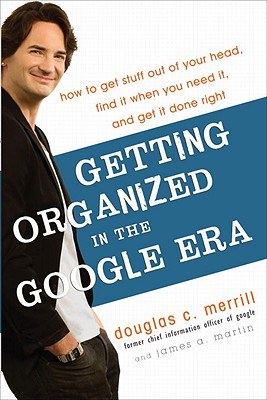
Whether it's a faulty memory, a tendency to multitask, or difficulty managing our time, every one of us has limitations conspiring to keep us from being organized. But, as organizational guru and former Google CIO Douglas C. Merrill points out, it isn't our fault. Our brains simply aren't designed to deal with the pressures and competing demands on our attention in today's fast-paced, information-saturated, digital world. What's more, he says, many of the ways in which our society is structured are outdated, imposing additional chaos that makes us feel stressed, scattered, and disorganized.
But it doesn't have to be this way. Luckily, we have a myriad of amazing new digital tools and technologies at our fingertips to help us manage the strains on our brains and on our lives; the trick is knowing when and how to use them. This is why Merrill, who helped spearhead Google's effort to "organize the world's information," offers a wealth of tips and strategies for how to use these new tools to become more organized, efficient, and successful than ever.
But if you're looking for traditional, rigid, one-size-fits-all strategies for organization, this isn't the book for you. Instead, Merrill draws on his intimate knowledge of how the brain works to help us develop fresh, innovative, and flexible systems of organization tailored to our individual goals, constraints, and lifestyles.
From how to harness the amazing power of search, to how to get the most out of cloud computing, to techniques for filtering through the enormous avalanche of information that assaults us at every turn, to tips for minimizing distractions and better integrating work and life, Getting Organized in the Google Era is chock-full of practical, invaluable, and often counterintuitive advice for anyone who wants to be more organized and productive–and less stressed--in our 21st-century world.
作者简介
作者简介
道格拉斯·梅里尔,百代唱片公司数字音乐部门总裁兼新音乐部门首席运营官,2008年4月之前担任谷歌公司首席信息官。此前是美国金融服务提供商嘉信理财高级副总裁及兰德公司信息科学家。拥有普林斯顿大学认知科学博士学位。他还是一位科技作家,文章经常发表在《计算机世界》、Washingtonpost.com、《纽约时报》、《旅游和休闲》及《娱乐周刊》等媒体上。
目录信息
读后感
关于读书笔记,目前适合我的方式如下: 1. 略读提问法,解释:略读目录/作者/附录/类别后,先提出问题。目的:明晰书籍类别(工具书or其他)阅读方法(速读or重点记忆)阅读困惑(书籍可能的逻辑遗漏点) 2. 作者思维导图,解释:粗略按照作者的顺序和逻辑画出思维导图。目的:...
评分这本书所讲与《高效人士的116个IT秘笈》的部分内容颇为相似之处,看过很多讲工作方法和工作效率的书,个人觉得这本书大致看看看就行了,不值得深究。尤其是讲的Google的一些工具,在国内来说会因为一些原因而出现访问问题,还是仅供参考。
评分这本书所讲与《高效人士的116个IT秘笈》的部分内容颇为相似之处,看过很多讲工作方法和工作效率的书,个人觉得这本书大致看看看就行了,不值得深究。尤其是讲的Google的一些工具,在国内来说会因为一些原因而出现访问问题,还是仅供参考。
评分虽然一些地方水了点,讲的东西夜比较简单。不过这本书依然值得推荐。 因为书中的内容具有很好的可行性。 ## 记忆 人的记忆是很复杂的过程。比如编码、提取、解码、长期记忆、短期记忆、图片记忆、记忆宫殿等等一系列的东西。 但知道这些,并不会帮助我们记忆,至少没有让我记...
评分消除信息碎片化,妥善管理你的生活,以减轻脑部压力。 “鸡尾酒效应”造成的注意力选择性。在任何时候,你的脑注意到的东西,远比你实际察觉的还多。 将不重要的资讯从脑袋中移出,充分挖掘短期记忆的价值。短期记忆一般一次最多只能容纳5-9件事。 避免同时执行多个任务,这...