
具体描述
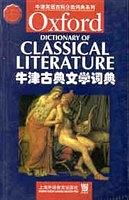
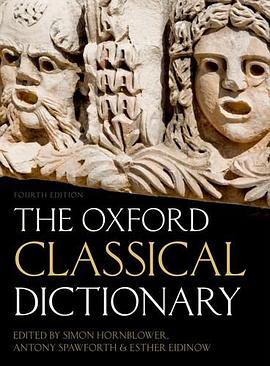
'offers not only that breakfast for the mind we keep hearing about, but lunch, tea, dinner, supper and non-stop snacks...offers a cornucopia of accurate and succinct knowledge that would be hard to equal' (Peter Green, Washington Times about the third edition). For over sixty years, The Oxford Classical Dictionary has been the unrivalled one-volume reference in the field of classics. Now completely revised and updated to include the very latest research findings, developments, and publications, this highly acclaimed reference work will be the most up-to-date and comprehensive dictionary available on all aspects of the classical era. In over 6,700 entries written by the very best of classical scholars from around the world, the Dictionary provides coverage of Greek and Roman history, literature, myth, religion, linguistics, philosophy, law, science, art, archaeology, near eastern studies, and late antiquity. New entries supplement the existing material, including entries on topics such as Adrasteia, Latin anthologies, Jewish art, ancient religious beliefs, emotions, film, gender, kinship, and many more. Other specific developments include an added focus on two new areas: 'anthropology ' and 'reception'. All entries are written in an accessible style and all Latin and Greek words have been translated to ensure ease of use. Under the editorship of Simon Hornblower, Antony Spawforth, and Esther Eidinow, a huge range of contributors have revised and updated the text, which has made an already outstanding work even better. The Dictionary covers: 1) politics, government, economy - from political figures to political systems, terms and practices, histories of major states and empires, economic theory, agriculture, artisans and industry, trade and markets 2) religion and mythology - deities and mythological creatures, beliefs and rituals, sanctuaries and sacred buildings, astrology 3) law and philosophy - from biographies of lawgivers and lawyers to legal terms and procedures, from major and minor philosophers to philosophical schools, terms, and concepts 4) science and geography - scientists and specific theory and practice, doctors and medicine, climate and landscape, natural disasters, regions and islands, cities and settlements, communications 5) languages, literature, art, and architecture - languages and dialects, writers and literary terms and genres, orators and rhetorical theory and practice, drama and performance, art, painters and sculptors, architects, buildings and materials 6) archaeology and historical writing - amphorae and pottery, shipwrecks and cemeteries, historians, and Greek and Roman historiography 7) military history - generals, arms and armour, famous battles, attitudes to warfare 8) social history, sex, and gender - women and the family, kinship, peasants and slaves, attitudes to sexuality
作者简介
目录信息
读后感
用户评价
作为一名在读的古典学研究生,我经常需要查阅大量的资料,以确保我的研究的准确性和深度。《牛津古典词典》是我案头上必备的工具书之一。它的权威性和专业性毋庸置疑,几乎涵盖了古典世界的所有重要领域。我特别欣赏它对学术争议的呈现,它不会简单地给出一个答案,而是会列出不同的学派观点,并引用相关的学术文献,这对于培养我的批判性思维非常有帮助。例如,在研究某个历史事件的起因时,书中可能会呈现至少两种截然不同的解释,并分析每种解释的证据基础和逻辑链条。这种严谨的态度,对于我撰写学术论文至关重要。而且,它对学术史的梳理也做得相当出色,例如在讨论某个哲学思想的发展时,它会追溯其源头,并介绍历代学者对其的贡献和演变,这让我能够更好地理解该思想的完整发展过程。
评分作为一名业余的古希腊语学习者,我一直觉得自己在理解某些复杂的文学作品时力不从心。尤其是那些充满典故和历史背景的诗歌,即便查阅了普通的词典,也常常觉得云里雾里。《牛津古典词典》简直是我的救星!它不仅仅是名词解释,更像是对整个古典文化背景的深入透视。当我遇到一个陌生的神名或历史事件时,查阅此书,往往能得到比字面意思更深层、更丰富的解读。比如,在阅读荷马史诗时,书中对特洛伊战争的详细介绍,包括其传说与可能的历史真相的探讨,以及书中对阿喀琉斯、赫克托耳等英雄人物的生平事迹的梳理,都极大地提升了我对史诗的理解。更值得称赞的是,它对哲学概念的阐释也十分到位,比如对柏拉图“理念论”的解释,既清晰易懂,又触及了其核心思想,并提供了相关哲学家及其观点的链接,这对于我理解古希腊哲学的发展脉络起到了关键作用。而且,它的排版清晰,易于查找,即使是初学者也能快速找到所需信息,真的是非常贴心。
评分这本《牛津古典词典》简直是古典学的宝库,简直让我爱不释手。我是一个历史爱好者,尤其钟情于古希腊罗马的文明,但苦于知识零散,总觉得少了点什么。《牛津古典词典》恰恰填补了这个空白。它不仅仅是名词解释的堆砌,而是像一条贯穿古老世界的河流,将无数的历史人物、神话传说、哲学思想、艺术作品、甚至日常物件都串联了起来。每一次翻阅,都像在与一位博学的学者对话。比如,当我查阅“奥林匹斯山”时,它不仅解释了其地理位置,更详细描绘了山上的神灵谱系,以及围绕他们的各种神话故事,甚至还探讨了这些神话在不同历史时期如何被解读和演变。更让我惊喜的是,它对一些相对冷门的词条也收录颇丰,例如一些古希腊城邦的政治制度、罗马法律中的重要概念,甚至是古希腊戏剧中不同角色的扮演规定,这些细节往往是其他百科全书式著作所忽略的。它提供的参考文献更是给了我进一步深入研究的绝佳指引,让我能循着大师们的足迹,去探索更广阔的古典世界。总而言之,这本书的编纂质量、内容的详实程度和知识的广度,都让我叹为观止。
评分我一直对古罗马的社会生活和法律体系充满好奇,但市面上相关的书籍往往过于专业或碎片化。《牛津古典词典》的出现,为我打开了一扇新的大门。这本书的编纂风格非常独特,它将严谨的学术考证与生动的历史描绘巧妙地结合在一起。我尤其喜欢它对罗马政治制度的解读,从共和时期的元老院运作,到帝国时期的皇帝权力扩张,都有详尽的论述。书中对“公民权”、“贵族”、“平民”等社会阶层的划分以及他们之间的权力斗争的描述,让我对罗马社会的运作有了更清晰的认识。此外,它对罗马法律的阐述也同样精彩,从十二铜表法到查士丁尼法典,它不仅介绍了法律条文,更探讨了这些法律如何影响了罗马社会的生活方式和道德观念。当我查阅“罗马浴场”时,它不仅描述了浴场的建筑和功能,还深入探讨了其在罗马社会中的社交和政治意义,这让我对古罗马人的生活有了更立体、更生动的感受。这本书的深度和广度,着实令人惊叹。
评分我是一个对艺术史和建筑史有着浓厚兴趣的普通读者,常常在参观博物馆或阅读相关书籍时,对那些古老的雕塑、建筑或装饰风格感到困惑。《牛津古典词典》的出现,为我提供了极大的便利。它以一种非常易于理解的方式,解释了那些我原本难以理解的艺术概念和术语。比如,当我看到一幅描绘神话场景的古希腊陶器时,通过查阅书中关于相关神话人物和他们故事的解释,我能够更深入地理解画作的内涵。同样,当我看到一座古罗马的廊柱或庙宇时,书中对不同建筑风格(如多立克柱式、爱奥尼柱式)的详细描述,以及它们在不同时期和地区的应用,让我能够更清晰地辨识和欣赏这些建筑的独特之处。它甚至还解释了一些古希腊和古罗马的乐器,以及一些重要的文学体裁,这让我对古典世界的艺术和文化有了更全面、更生动的认识,极大地丰富了我的艺术鉴赏体验。
评分应该是最重要而且最基础的工具书了吧,日常使用的一本,就是那种即使有了电子版还不满足,想着入纸质版的那种QAQ
评分肯定是没看完的……还是标一下(127)
评分讲真啦,不经常需要参考这种词典
评分讲真啦,不经常需要参考这种词典
评分用的是Oxford Reference里的在线版。 不过,说实话,这玩意真的像很多人说的那样那么有用吗?反正我觉得根本可有可无。