
具体描述
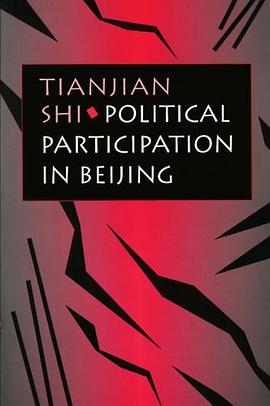
In this first scientific survey of political participation in the People's Republic of China, Tianjian Shi identifies twenty-eight participatory acts and groups them into seven areas: voting, campaign activities, appeals, adversarial activities, cronyism, resistance, and boycotts. What he finds will surprise many observers. Political participation in a closed society is not necessarily characterized by passive citizens driven by regime mobilization aimed at carrying out predetermined goals. Beijing citizens acknowledge that they actively engage in various voluntary participatory acts to articulate their interests.
In a society where communication channels are controlled by the government, Shi discovers, access to information from unofficial means becomes the single most important determinant for people's engaging in participatory acts. Government-sponsored channels of appeal are easily accessible to ordinary citizens, so socioeconomic resources are unimportant in determining who uses these channels. Instead, voter turnout is found to be associated with the type of work unit a person belongs to, subjective evaluations of one's own economic status, and party affiliation. Those most likely to engage in campaign activities, adversarial activities, cronyism, resistance, and boycotts are the more disadvantaged groups in Beijing. While political participation in the West fosters a sense of identification, the unconventional modes of participation in Beijing undermine the existing political order.
作者简介
和很多在中国文化大革命后进入大学念书的人一样,史天健教授在1978年通过高考进入北京大学国际关系学院学习之前也曾跟作为上山下乡的青年人在农村劳动过很长时间。从1969年下乡到1975年回到北京,他在农村做过饲养员、当过专业卡车司机、甚至作为赤脚医生上过手术台给老百姓治病。在北京大学结束了本科学习之后,史天健教授考取了出国留学的奖学金,获得了在哥伦比亚大学政治学系攻读博士的资格;他于1982年赴美留学,并在1991年获了政治学博士学位,不久后获得了在杜克大学政治学系执教的机会,并一直在杜克大学服务到现在。
史天健教授的学术研究领域主要包括政治参与,以及政治文化对人们政治行为的影响。除了从理论上反思西方现有政治参与和政治文化理论对非民主或者半民主国家的适用程度外,史天健教授还利用大规模抽样调查获得的资料来考察政治文化、政治制度、个人资源等因素对人们政治行为的影响,包括人们对政治参与渠道的选择、对传统和非传统参与方式的选择、以及人们对政府、政治制度的信任等。除了深入细致地研究中国社会在政治参与方面的变迁之外,他还跟香港、台湾、韩国、日本等亚洲国家,以及欧洲、美洲和非洲国家的学者合作,通过跨区域的问卷调查比较研究来考察政治文化以及政治制度对人们政治行为和态度的影响。在从哥伦比亚大学毕业后的十几年间,史天健教授在美国政治学顶级学术期刊上发表了十几篇论文,通过哈佛大学出版社出版了《北京的政治参与》一书,现有另一本专著的书稿在审阅过程中,同时正在撰写第三本以政治文化为主题的专著。
除了在学术上关心中国社会的发展和变迁之外,史天健教授还积极参与到推动中国政治制度改革的进程中,在杜克大学创建了中国选举研究项目,与中国民政部、美国卡特中心等单位合作,组织外国学者专家到中国观察乡村和城市社区选举,为中国政府修订选举组织法、制定选举程序提供了宝贵的意见和建议,为完善中国选举领域的制度建设做出了不可磨灭的贡献。
史天健教授现在杜克大学政治学系同时讲授本科生和研究生的课程,包括中国政治、政治参与的比较研究以及中国政府和社会等。(感谢政治系吕杰同学供稿)
目录信息
读后感
定量研究中国公民的政治参与的必读文献。前两天总算借来一读,发现该书的借阅率还挺高,书上被人密密麻麻做过批注了。可能有的朋友已经指出了,这本书的定量方法可能并不算非常严谨(特别是从经济学、社会学的角度来看),比如关于模型设定、变量的内生性问题等等,均没有...
评分定量研究中国公民的政治参与的必读文献。前两天总算借来一读,发现该书的借阅率还挺高,书上被人密密麻麻做过批注了。可能有的朋友已经指出了,这本书的定量方法可能并不算非常严谨(特别是从经济学、社会学的角度来看),比如关于模型设定、变量的内生性问题等等,均没有...
评分定量研究中国公民的政治参与的必读文献。前两天总算借来一读,发现该书的借阅率还挺高,书上被人密密麻麻做过批注了。可能有的朋友已经指出了,这本书的定量方法可能并不算非常严谨(特别是从经济学、社会学的角度来看),比如关于模型设定、变量的内生性问题等等,均没有...
评分定量研究中国公民的政治参与的必读文献。前两天总算借来一读,发现该书的借阅率还挺高,书上被人密密麻麻做过批注了。可能有的朋友已经指出了,这本书的定量方法可能并不算非常严谨(特别是从经济学、社会学的角度来看),比如关于模型设定、变量的内生性问题等等,均没有...
评分定量研究中国公民的政治参与的必读文献。前两天总算借来一读,发现该书的借阅率还挺高,书上被人密密麻麻做过批注了。可能有的朋友已经指出了,这本书的定量方法可能并不算非常严谨(特别是从经济学、社会学的角度来看),比如关于模型设定、变量的内生性问题等等,均没有...
用户评价
《京城里的民主实践:北京市民的政治参与图谱》 当我初次看到《政治参与的北京》这本书时,一股强烈的求知欲便油然而生。我一直对中国的政治运作机制,尤其是基层市民的参与程度和方式,抱有浓厚的兴趣。北京,作为中国的首都,其政治生态的独特性,使得对它市民政治参与的研究,更具样本意义。我期待这本书能够为我打开一扇窗,让我能够更深入地了解北京市民如何在政治生活中找到自己的位置,发出自己的声音,并试图影响公共事务的走向。 书中对于“北京”的刻画,我相信将是多层次的。它不仅仅会描绘出国家层面的宏大政治叙事,更会深入到城市的街头巷尾、社区的角落,去捕捉那些不那么显眼,但却真实存在的市民参与行为。北京作为首都,其特殊的政治地位,无疑会对市民的政治参与方式产生深刻影响。我好奇的是,那些生活在北京的普通人,他们是如何理解“政治”的?他们又是如何通过各种渠道,来表达自己的诉求、影响公共事务的?书中是否会关注到不同群体在北京的参与差异,例如,那些在核心区域的居民,与那些在城市边缘的居民,他们在参与公共事务时,会面临怎样的不同机遇? “政治参与”这个概念,对我而言,其内涵是极为丰富的。我期待在这本书中,能够看到作者对北京市民政治参与的广泛界定。它是否会涵盖那些在社区议事会上的讨论?是否会包括那些通过信访、网络等渠道表达的意见?甚至,是否也会关注到那些在非正式场合,例如朋友聚会、街头闲聊中,所流露出的对公共事务的看法和讨论?我希望书中能够提供大量生动的案例,来展示北京市民是如何在不同的情境下,运用不同的策略来参与政治生活的。 书中关于“机制”的阐释,对我来说也至关重要。政治参与的有效性,很大程度上取决于其所处的制度环境。北京作为首都,必然拥有许多官方设立的参与渠道,例如人大代表的选举、政协会议的讨论、各类听证会等。我期待书中能够深入分析这些机制的运作逻辑,它们在多大程度上能够真正地回应市民的关切,又在多大程度上可能面临局限?同时,我也希望书中能够关注到那些非官方的、社会自发形成的参与方式,它们是如何在这种制度框架下存在的,以及它们如何与官方机制发生互动。 My keen interest also lies in the **variety of issues** that mobilize citizens in Beijing. Are they primarily concerned with local community matters, such as infrastructure, environmental protection, or public services, or do they also engage with broader national political issues? The book’s exploration of the specific concerns that drive participation will offer valuable insights into the priorities and values of Beijing residents. I am also eager to understand the **challenges and obstacles** that citizens face in their political participation in Beijing. What are the systemic, cultural, or practical barriers that limit or shape their engagement? Identifying these challenges is crucial for a nuanced understanding of the participatory landscape and for recognizing areas where potential improvements could be made. The **historical evolution** of political participation in Beijing is another aspect that fascinates me. How has citizen engagement changed in the city over time, and what historical events or policy shifts have influenced these transformations? A historical perspective is essential for appreciating the current state of affairs and for anticipating future trends. Furthermore, the **role of civil society organizations and informal networks** in facilitating political participation is of significant interest. How do these entities mobilize citizens, advocate for specific causes, and interact with the state? Their contributions are often vital in shaping public discourse and influencing policy outcomes. The **outcomes and impacts** of political participation are also a key focus for me. Does citizen engagement lead to tangible policy changes, improved governance, or greater accountability from government institutions? I hope the book will provide evidence to demonstrate the effectiveness of these participatory efforts, moving beyond mere descriptions of activities. Finally, I seek a book that is both **academically rigorous and engagingly written**. It should present complex information in a clear and accessible manner, making the subject matter understandable and thought-provoking for a broad audience. A book that can illuminate the nuances of Beijing’s political landscape while inspiring reflection is what I truly seek.
评分《首都政治脉动:北京市民参与的深层解析》 当我注意到《政治参与的北京》这本书时,我便被这个主题深深吸引。我对中国城市的政治运作,特别是市民如何参与到公共事务中,一直抱有极大的好奇心。北京,作为中国的政治心脏,其市民的政治参与,无疑具有独特的样本意义。我期待在这本书中,能够找到一把钥匙,开启我对北京市民政治生活真实面貌的认知,理解他们如何在复杂的政治环境中,发出自己的声音,并试图影响公共事务的走向。 书中对于“北京”的刻画,我相信将是多维度、多层次的。它不仅仅会呈现官方政治运作的宏观图景,更会深入到城市的街头巷尾、社区的角落,去捕捉那些不那么显眼,但却真实存在的市民参与行为。北京的首都地位,无疑赋予了它独特的政治属性,这是否也会塑造出北京市民独特的参与方式?是更为谨慎、更为隐晦,还是在某些方面,因为靠近权力中心,而拥有更多元的表达机会?我好奇的是,那些生活在北京的普通人,他们是如何理解“政治”的?他们又是如何通过各种渠道,来表达自己的诉求、影响公共事务的?书中是否会关注到不同群体在北京的参与差异,例如,那些在核心区域的居民,与那些在城市边缘的居民,他们在参与公共事务时,会面临怎样的不同机遇? “政治参与”这个概念,在我看来,其内涵是极为丰富的。我期待在这本书中,能够看到作者对于北京市民政治参与的广泛界定。它是否会涵盖那些在社区议事会上的讨论?是否会包括那些通过信访、网络等渠道表达的意见?甚至,是否也会关注到那些在非正式场合,例如朋友聚会、街头闲聊中,所流露出的对公共事务的看法和讨论?我希望书中能够提供大量生动的案例,来展示北京市民是如何在不同的情境下,运用不同的策略来参与政治生活的。 书中关于“机制”的阐释,对我来说也至关重要。政治参与的有效性,很大程度上取决于其所处的制度环境。北京作为首都,必然拥有许多官方设立的参与渠道,例如人大代表的选举、政协会议的讨论、各类听证会等。我期待书中能够深入分析这些机制的运作逻辑,它们在多大程度上能够真正地回应市民的关切,又在多大程度上可能面临局限?同时,我也希望书中能够关注到那些非官方的、社会自发形成的参与方式,它们是如何在这种制度框架下存在的,以及它们如何与官方机制发生互动。 My interest also extends to the **variety of issues** that typically animate political participation in Beijing. Are citizens primarily concerned with local community matters, such as public services or environmental quality, or do they also engage with broader national political issues? The book’s exploration of the specific issues that mobilize Beijing residents will offer valuable insights into their priorities and concerns, and how these translate into participatory actions. I am also eager to understand the **challenges and opportunities** that Beijing residents face in their pursuit of political participation. What are the obstacles that hinder their engagement, and what are the facilitating factors that enable it? Understanding this dynamic interplay between constraints and enablers will provide a more complete picture of the participatory landscape and highlight areas where improvements might be needed. The **historical context** of political participation in Beijing is another aspect that fascinates me. How has the nature of citizen engagement changed in the city over time, and what are the key events or policy shifts that have shaped these transformations? A historical perspective is essential for appreciating the current state of affairs and for anticipating future trends. Furthermore, the **role of civil society organizations and informal networks** in facilitating political participation is of significant interest. How do these entities mobilize citizens, advocate for specific causes, and interact with the state? Their contributions are often vital in shaping public discourse and influencing policy outcomes. The **outcomes and impacts** of political participation are also a key focus for me. Does citizen engagement lead to tangible policy changes, improved governance, or greater accountability from government institutions? I hope the book will provide evidence to demonstrate the effectiveness of these participatory efforts, moving beyond mere descriptions of activities. Finally, I seek a book that is both **academically rigorous and engagingly written**. It should present complex information in a clear and accessible manner, making the subject matter understandable and thought-provoking for a broad audience. A book that can illuminate the nuances of Beijing’s political landscape while inspiring reflection is what I truly seek.
评分《首都公民行动指南:北京政治参与的脉络与实践》 当这本书的名字映入眼帘,《政治参与的北京》——我立刻联想到的是那些隐藏在都市喧嚣下的涓涓细流,是无数个体在广阔的政治空间中,如何寻找自己的定位,如何发出自己的声音。我对北京这个城市总有一种复杂的情感,它既是历史的厚重载体,也是现代活力的激荡前沿,而政治参与,无疑是其中最能体现其活力的一个侧面。我渴望在这本书中,找到一把钥匙,能够打开我对于北京政治生活真实面貌的认知,去理解那些不为人知的协商、那些默默的付出、以及那些微小的改变。 书中对于“北京”的描绘,我相信将是多层次的,不仅仅是地理上的坐标,更是文化、经济、社会和政治交织的复合体。作为中国的首都,北京的政治参与必然受到其特殊地位的深刻影响。这里既是国家政策的制定中心,也是社会思潮的汇聚之地。我好奇的是,这种双重身份如何塑造了北京市民的政治参与方式?是在体制内寻求更大的话语权,还是在社会层面构建更广泛的共识?书中是否会关注到不同区域、不同群体在北京的政治参与差异?例如,核心城区的居民与城乡结合部、或远郊区县的居民,在参与公共事务时,会面临怎样的不同机会与挑战? “政治参与”这个词,在我看来,涵盖了从最基础的知情权,到最积极的政策倡导,再到最直接的监督与问责。我对这本书如何界定和阐述北京的政治参与有着极大的期待。它是否会区分公开的、体制内的参与,以及那些更为隐蔽的、非正式的互动?是否会关注到那些为了维护自身权益而采取的行动,以及那些出于公共利益考虑的参与?我希望书中能够提供丰富的案例,来展示北京市民是如何在不同的情境下,选择不同的参与策略,并且这些策略的效果如何? 更令我着迷的是书中对“机制”的探讨。在任何政治体系中,机制都是连接个体与权力的桥梁。北京作为首都,其政治参与的机制必然是复杂而多样的。官方设立的渠道,如居民委员会的议事、街道的听证会、人大代表的联系,这些在多大程度上能够真正地发挥作用?而那些非官方的、社会自发形成的参与方式,如网络论坛的讨论、行业协会的倡导,它们又扮演了怎样的角色?我期待书中能够深入剖析这些机制的运作逻辑,以及它们在回应市民诉求方面的有效性。 My anticipation also extends to the **human element** within these participatory processes. Political engagement is rarely an abstract concept; it is driven by individuals with their own motivations, beliefs, and experiences. I hope the book will introduce me to the people behind the participation – the community leaders who mobilize their neighbors, the concerned citizens who write letters to officials, the activists who advocate for specific causes. Understanding their stories, their challenges, and their successes will undoubtedly bring the subject matter to life and provide a more profound understanding of the lived reality of political participation in Beijing. The notion of **"boundaries"** is particularly intriguing. In any political system, there are always limits to what is permissible or effective. I am keen to learn about the specific boundaries that shape political participation in Beijing. Are these boundaries defined by formal laws and regulations, or by informal social norms and unwritten rules? How do individuals perceive and navigate these boundaries? Does the city’s unique status as the capital create different boundaries compared to other cities in China? This exploration of limitations is vital for a comprehensive understanding of the participatory landscape. Furthermore, I am interested in the **outcomes and impacts** of political participation in Beijing. Does engagement lead to meaningful changes in governance, policy, or the quality of life in the city? Or is it primarily a process with limited tangible results? The book’s ability to connect the actions of participants with concrete outcomes will be a key measure of its value. I am looking for evidence that demonstrates how citizen participation has made a difference in the daily lives of Beijing’s residents. The historical evolution of political participation in Beijing is another aspect that I find particularly compelling. How has the nature of engagement changed over time, and what are the underlying reasons for these shifts? Understanding the historical trajectory will provide essential context for comprehending the current state of affairs and for anticipating future trends in citizen engagement within the capital. It’s about understanding continuity and change in the city’s civic life. Moreover, I hope the book offers **insights into the broader Chinese context**. While focusing on Beijing, the author’s observations might illuminate common patterns and challenges faced by citizens in other urban centers across China. By examining the unique case of Beijing, we can gain a better understanding of the broader dynamics of political participation in the country as a whole, identifying both its specificities and its shared characteristics. Ultimately, I am seeking a book that is both **academically rigorous and intellectually stimulating**. It should not only present well-researched data and analysis but also offer fresh perspectives and provoke critical thinking. I hope the author has managed to create a narrative that is accessible to a wide audience while still offering the depth of analysis that a complex topic like political participation deserves. A truly impactful book should leave the reader with a deeper understanding and a renewed sense of engagement with the subject matter.
评分《政治参与的边界:一场关于北京基层民主实践的深度探寻》 北京,这座古老而现代的都市,承载着无数故事,也孕育着复杂多样的政治生态。当我在书店的货架上瞥见这本《政治参与的北京》时,一股强烈的求知欲便油然而生。我一直对中国政治的运作方式,特别是基层层面的公民参与模式,有着浓厚的兴趣。从新闻报道和学术论文中,我零星地了解到一些关于社区议事、村民自治的片段,但总觉得隔靴搔痒,无法窥探到其背后深层的逻辑和肌理。这本书的名字本身就极具吸引力,它承诺将我带入北京的政治肌理之中,去理解普通市民如何在这一特定的政治场域中表达自己的声音,施加自己的影响。 我对于书中所描绘的“政治参与”充满了好奇。它究竟是指哪些形式的参与?是公开的集会示威,还是更为隐蔽的、在体制内的协商与互动?是被动的信息接收,还是主动的议题设置和政策倡导?书中是否会对不同类型的参与进行界定和分类,例如,将那些为了维护自身权益而采取的行动,与那些纯粹出于理想主义的公共事务参与区分开来?又或者,它会探讨参与的“边界”在哪里?在这样一个高度组织化的社会结构中,公民的哪些诉求是能够被倾听和回应的?哪些又可能被边缘化或者压制?我期待书中能够通过鲜活的案例,展现这些参与行为的具体样态,以及它们在中国政治语境下的独特性。 更让我期待的是,这本书是否会深入剖析北京的特殊性。作为中国的首都,北京不仅仅是一个地理概念,更是一个政治符号,是中央权力运行的核心。这种特殊性是否会影响到北京市民的政治参与方式?例如,相较于其他城市,北京的市民在参与公共事务时,是否会面临更多的限制,或者反而因为其首都地位而拥有更多的资源和平台?书中是否会关注到不同群体在北京的政治参与差异?比如,那些长期居住在北京的本地居民,与那些近年来涌入北京的流动人口,在参与公共事务时,是否会面临不同的机会和挑战?又或者,书本是否会探讨不同行政区划、不同社区环境下的参与模式差异?例如,核心城区的居民与远郊区县的居民,在政治参与的意愿和能力上,是否会有显著的不同? 我对书中可能涉及的“机制”也颇感兴趣。政治参与的有效性,很大程度上取决于其所处的制度环境和运作机制。书中是否会详细介绍北京在促进或限制政治参与方面的具体制度设计?例如,街道办事处、居民委员会等基层自治组织在政治参与中扮演了怎样的角色?它们是促进公民发声的平台,还是仅仅是上传下达的工具?书本是否会分析信访制度、听证会、公开征集意见等官方设立的参与渠道的实际运作情况,以及它们在多大程度上能够真正地影响政策制定和政府决策?我尤其好奇,在缺乏独立政党和自由媒体的政治环境中,北京市民是如何通过各种管道来表达诉求、寻求解决的,这些“管道”的有效性又如何? 此外,书中对“行为者”的描绘也至关重要。参与者不仅仅是抽象的“市民”,他们是具有特定身份、利益和诉求的个体。书中是否会关注到那些在政治参与中扮演了关键角色的个人或群体?例如,那些积极的社区领袖,那些勇敢的维权者,或者那些在体制内推动改革的官员?他们是如何组织起来的?他们采取了哪些策略?他们又面临着怎样的风险和回报?我希望书中能够避免泛泛而谈,而是通过具体的个体故事,让读者看到参与者们的动机、行动和情感,从而更深刻地理解政治参与的复杂性和人性维度。 这本书的价值,或许还在于它能够提供一个关于“政治”的另类视角。在许多西方学者的研究中,“政治”常常被定义为权力、斗争和民主协商。然而,在中国这样一个拥有悠久历史和独特政治文化的国家,“政治”的内涵可能更为丰富和多元。这本书是否会挑战我们固有的认知,揭示出在中国社会中,那些不那么显眼,但同样重要的政治实践?例如,在日常生活中,那些为了改善社区环境、保障公共利益而进行的非正式协商和合作,是否也构成一种形式的政治参与?书中是否会探讨中国社会中存在的“公民社会”的特殊形态,以及它们与国家权力之间的互动关系? 这本书的潜在意义,可能也体现在对“民主”概念的重新审视上。我们习惯于将西方民主视为普适的模式,然而,在中国这样不同的政治土壤上,民主的实现方式和内涵是否也会有所不同?本书是否会提供一种视角,让我们思考在中国语境下,如何理解和衡量“民主”?或许,在中国,“民主”并不总是意味着多党竞争或直接选举,而可能更多地体现在基层治理的有效性、公民权利的保障程度,以及社会公平正义的实现方面。我期待书中能够引出对这些根本性问题的思考。 从读者的角度来看,一本好的社会科学著作,不应仅仅停留在理论的层面,更应具备扎实的田野调查和丰富的实证材料。我非常希望《政治参与的北京》能够展现出作者深入北京社区,与当地居民进行广泛访谈的努力。书中是否会包含大量的访谈记录、案例分析、甚至是数据统计,来支撑其论点?例如,是否会通过对某一个具体社区的长期观察,来展现该社区居民在特定事件中的政治参与过程?这种微观的、深入的民族志式研究,往往比宏大的理论更能打动人心,也更能揭示出社会运作的细微之处。 一本优秀的图书,也应该能够引发读者的共鸣和反思。在阅读完《政治参与的北京》后,我希望我能够对自己所处的社会,以及自己作为公民的身份,有更深刻的认识。书中对于北京政治参与的描绘,是否也能折射出中国其他城市,甚至其他发展中国家在政治参与方面所面临的普遍性问题和挑战?通过理解北京的经验,我是否能更好地理解中国政治的演进方向,以及普通人在其中扮演的角色?这本书是否能激发我更加积极地思考如何在一个复杂的政治环境中,做出有意义的行动? 我期待《政治参与的北京》能够是一本既有学术深度,又不失可读性的著作。它不仅仅是给学者和政策制定者阅读的,也应该能够引起普通读者的兴趣。书中是否会运用生动的语言,讲述引人入胜的故事?是否会避免枯燥的学术术语,而是用通俗易懂的方式,阐释复杂的政治现象?一本真正的好书,是能够跨越学科界限,引发不同背景的读者进行对话和交流的。我希望这本书能够成为这样一本具有影响力的作品,它能够为我们理解中国政治参与的现状和未来,提供宝贵的视角和深刻的洞见。
评分《京城里的政治生活:北京市民参与的样本与洞见》 当我注意到《政治参与的北京》这本书时,我便被这个主题深深吸引。我对中国城市的政治运作,特别是市民如何参与到公共事务中,一直抱有极大的好奇心。北京,作为中国的政治心脏,其市民的政治参与,无疑具有独特的样本意义。我期待在这本书中,能够找到一把钥匙,开启我对北京市民政治生活真实面貌的认知,理解他们如何在复杂的政治环境中,发出自己的声音,并试图影响公共事务的走向。 书中对于“北京”的刻画,我相信将是多维度、多层次的。它不仅仅会呈现官方政治运作的宏观图景,更会深入到城市的街头巷尾、社区的角落,去捕捉那些不那么显眼,但却真实存在的市民参与行为。北京的首都地位,无疑赋予了它独特的政治属性,这是否也会塑造出北京市民独特的参与方式?是更为谨慎、更为隐晦,还是在某些方面,因为靠近权力中心,而拥有更多元的表达机会?我好奇的是,那些生活在北京的普通人,他们是如何理解“政治”的?他们又是如何通过各种渠道,来表达自己的诉求、影响公共事务的?书中是否会关注到不同群体在北京的参与差异,例如,那些在核心区域的居民,与那些在城市边缘的居民,他们在参与公共事务时,会面临怎样的不同机遇? “政治参与”这个概念,在我看来,其内涵是极为丰富的。我期待在这本书中,能够看到作者对于北京市民政治参与的广泛界定。它是否会涵盖那些在社区议事会上的讨论?是否会包括那些通过信访、网络等渠道表达的意见?甚至,是否也会关注到那些在非正式场合,例如朋友聚会、街头闲聊中,所流露出的对公共事务的看法和讨论?我希望书中能够提供大量生动的案例,来展示北京市民是如何在不同的情境下,运用不同的策略来参与政治生活的。 书中关于“机制”的阐释,对我来说也至关重要。政治参与的有效性,很大程度上取决于其所处的制度环境。北京作为首都,必然拥有许多官方设立的参与渠道,例如人大代表的选举、政协会议的讨论、各类听证会等。我期待书中能够深入分析这些机制的运作逻辑,它们在多大程度上能够真正地回应市民的关切,又在多大程度上可能面临局限?同时,我也希望书中能够关注到那些非官方的、社会自发形成的参与方式,它们是如何在这种制度框架下存在的,以及它们如何与官方机制发生互动。 My expectation also includes understanding the **drivers and motivations** behind political participation in Beijing. What prompts individuals to engage in the political process? Is it a sense of civic duty, a desire for personal gain, a response to perceived injustices, or a combination of factors? The book’s exploration of these underlying motivations will provide a deeper appreciation for the human dimension of political engagement. I am also eager to understand the **challenges and opportunities** that Beijing residents face in their pursuit of political participation. What are the obstacles that hinder their engagement, and what are the facilitating factors that enable it? Understanding this dynamic interplay between constraints and enablers will provide a more complete picture of the participatory landscape and highlight areas where improvements might be needed. The **historical context** of political participation in Beijing is another aspect that fascinates me. How has the nature of citizen engagement changed in the city over time, and what are the key events or policy shifts that have shaped these transformations? A historical perspective is essential for appreciating the current state of affairs and for anticipating future trends. Furthermore, the **role of civil society organizations and informal networks** in facilitating political participation is of significant interest. How do these entities mobilize citizens, advocate for specific causes, and interact with the state? Their contributions are often vital in shaping public discourse and influencing policy outcomes. The **outcomes and impacts** of political participation are also a key focus for me. Does citizen engagement lead to tangible policy changes, improved governance, or greater accountability from government institutions? I hope the book will provide evidence to demonstrate the effectiveness of these participatory efforts, moving beyond mere descriptions of activities. Finally, I seek a book that is both **academically rigorous and engagingly written**. It should present complex information in a clear and accessible manner, making the subject matter understandable and thought-provoking for a broad audience. A book that can illuminate the nuances of Beijing’s political landscape while inspiring reflection is what I truly seek.
评分《京城政治生活万花筒:从微观参与到宏观影响的深度剖析》 在我翻开《政治参与的北京》这本书的那一刻,我就仿佛被一种无形的力量所吸引,进入了北京这座巨大而复杂的政治舞台。我一直认为,了解一个城市的政治生态,最直接的方式就是去观察和理解生活在这座城市中的人们,他们是如何思考、如何表达、以及如何行动的。北京,作为中国的首都,其政治参与的模式和轨迹,无疑具有独特的样本意义。我期待这本书能够为我打开一扇窗,让我窥见北京市民政治生活的多彩图景,理解他们如何在日常的柴米油盐和宏观的政策走向之间,找到自己参与的空间。 书中对“北京”的描绘,我预计会是一幅立体的画卷。它不仅仅会呈现官方的政治运作,更会深入到那些隐藏在城市肌理之中的个体声音和集体行动。北京的特殊性在于,它既是权力的中心,也是各种社会思潮汇聚之地,这种双重身份必然会在市民的政治参与中留下深刻的烙印。我好奇的是,那些在北京生活和工作的普通人,他们是如何理解和实践“政治参与”的?他们是仅仅通过投票来表达自己的意愿,还是会采取更多元、更具创造性的方式?书中是否会关注到不同群体在北京的参与差异,例如,那些在基层社区的居民,与那些在国家机关工作的公务员,他们在政治参与的渠道和意愿上,是否会有显著的不同? “政治参与”的内涵,在我看来,是极其丰富的。我希望这本书能够超越传统意义上的定义,去挖掘北京市民政治参与的各种可能性。它是否会关注到那些在社区自治中发挥作用的居民,那些在公益组织中为社会福祉而努力的志愿者,那些通过网络平台为公共议题发声的网民?我期待书中能够提供鲜活的案例,来展示北京市民是如何运用智慧和勇气,在复杂的政治环境中,为自己争取权益,为社会进步贡献力量。而且,我更想知道,这些参与行为的“边界”在哪里?什么样的参与是被鼓励的,什么样的参与可能面临挑战? 书中对于“机制”的阐释,对我来说至关重要。政治参与的有效性,很大程度上取决于其所处的制度环境。北京作为首都,拥有许多官方设立的参与渠道,比如人大代表的选举、政协的协商、各类听证会和意见征集活动。我期待书中能够深入分析这些机制的实际运作情况,它们在多大程度上能够真正地反映民意,又在多大程度上能够影响政策的制定?同时,我也希望书中能够关注到那些非正式的、社会自发形成的参与方式,例如通过行业协会、社会组织,甚至是私人关系进行的倡导和协商。 My curiosity also extends to the **variety of participatory forms** that might be present in Beijing. Are citizens primarily engaging through formal political channels, or are there significant levels of informal participation, such as community organizing, advocacy groups, or even everyday acts of civic engagement? I am eager to understand the spectrum of participation, from passive information consumption to active issue advocacy, and how these different forms are utilized by Beijing residents to express their views and influence decisions. The **role of technology and media** in shaping political participation in Beijing is another area I am keen to explore. In the digital age, how are online platforms, social media, and other technological tools being used by citizens to organize, communicate, and express their political opinions? Conversely, how are these technologies being utilized by the state to manage or influence public discourse? Understanding this dynamic interplay is crucial for a comprehensive grasp of contemporary political participation. Furthermore, I am interested in the **socioeconomic and demographic factors** that might influence political participation in Beijing. Do factors such as education level, income, age, and origin (e.g., hukou status) play a significant role in determining who participates and how they participate? I hope the book will provide data and analysis to shed light on these correlations and reveal the diverse participatory landscape shaped by these demographic characteristics. The **historical evolution** of political participation in Beijing is also a key aspect for me. How has the nature of citizen engagement changed over time, and what are the underlying reasons for these shifts? Understanding the historical context will allow for a more nuanced interpretation of current trends and potentially offer insights into the future trajectory of political participation in the capital. It is about seeing the continuity and change in civic life. Beyond just describing the mechanisms and actors, I hope the book will offer a critical analysis of the **effectiveness and impact** of political participation in Beijing. Does citizen engagement genuinely lead to policy changes, improved governance, or greater accountability? Or are these participatory efforts largely symbolic with limited real-world consequences? Demonstrating the tangible outcomes of participation will be crucial for evaluating its significance. Finally, I hope to find a narrative that is both **informative and thought-provoking**. A book that can not only present factual information but also inspire readers to reflect on their own roles as citizens and their connection to the political processes within their cities would be highly valuable. I seek a book that can deepen my understanding and perhaps even encourage me to think differently about my own civic responsibilities.
评分《首都参与学:北京市民的政治行动与公共领域》 当我注意到《政治参与的北京》这本书时,我立刻被这个主题深深吸引。对于我这样一个对城市政治生态充满好奇的人来说,北京这座首都,无疑是观察中国政治参与模式的一个绝佳窗口。我一直认为,理解一个社会的政治活力,最好的方式就是去倾听和观察生活在这片土地上的普通民众,他们的声音,他们的行动,他们如何在这个庞大的政治机器中找到自己的位置。我希望这本书能够如同一面镜子,折射出北京市民政治生活的真实图景,揭示他们如何在这个特殊的环境下,进行着各种形式的参与。 书中对于“北京”的描绘,我认为将是多维度、多层次的。它不仅会关注到国家层面的宏大叙事,更会深入到城市的街头巷尾、社区的角落,去捕捉那些不那么引人注目,但却真实存在的政治实践。北京的首都地位,意味着它所承载的政治意涵与众不同,这是否会使得北京市民的政治参与方式,也呈现出独特的面貌?是更为谨慎、更为隐晦,还是在某些方面,因为靠近权力中心,而拥有更多元的表达机会?我非常期待书中能够通过具体的案例,来展现北京市民是如何在不同的情境下,运用不同的策略来表达自己的诉求和影响力的。 “政治参与”的定义,在我看来,从来不是僵化的。我希望能在这本书中,看到作者对于北京市民政治参与的广泛理解。它是否包含了那些在基层自治组织中的协商与合作?是否包含了那些通过信访、举报等渠道表达的诉求?是否包含了那些在网络空间进行的讨论与辩论?甚至,是否也包括那些在日常生活中,为了改善社区环境、维护公共利益而采取的行动?我希望书中能够提供足够丰富的样本,来展示北京市民政治参与的多元性和复杂性。 更让我感兴趣的是书中对于“机制”的分析。政治参与的有效性,很大程度上依赖于其所处的制度环境。北京作为首都,必然拥有一系列官方设立的参与渠道,比如人民代表大会制度、政治协商会议、以及各类基层自治组织。我期待书中能够深入剖析这些机制的运作逻辑,它们在多大程度上能够真正地回应市民的关切,又在多大程度上可能面临局限?同时,我也希望书中能够关注到那些非官方的、社会自发形成的参与方式,它们是如何在这种制度框架下存在的,以及它们如何与官方机制发生互动。 My anticipation also includes understanding the **types of issues** that typically animate political participation in Beijing. Are citizens primarily concerned with local community matters, such as public services or environmental quality, or do they also engage with broader national political issues? The book’s exploration of the specific issues that mobilize Beijing residents will offer valuable insights into their priorities and concerns, and how these translate into participatory actions. Furthermore, I am eager to learn about the **challenges and opportunities** that Beijing residents face in their pursuit of political participation. What are the obstacles that hinder their engagement, and what are the facilitating factors that enable it? Understanding this dynamic interplay between constraints and enablers will provide a more complete picture of the participatory landscape and highlight areas where improvements might be needed. The book’s examination of the **historical context** of political participation in Beijing is also of great interest to me. How has the nature of citizen engagement evolved in the city over time, and what historical events or policy shifts have shaped these changes? A historical perspective will undoubtedly enrich the understanding of the current participatory landscape and offer valuable lessons for the future. I am also keen to understand the **role of civil society organizations and social movements** in Beijing's political participation. How do these entities mobilize citizens, advocate for specific causes, and interact with the state? Their contributions are often vital in shaping the public discourse and influencing policy outcomes. Moreover, the **impact and outcomes** of political participation are crucial for assessing its significance. Does citizen engagement lead to tangible changes in policies, governance, or the quality of life in Beijing? I hope the book will provide evidence and analysis to demonstrate the actual effects of participatory efforts, moving beyond mere descriptions of activities. Finally, I am looking for a book that is not only **informative but also thought-provoking**. A work that challenges my preconceptions and encourages me to think critically about the nature of political participation in a unique context like Beijing would be highly valuable. I hope to gain a deeper appreciation for the complexities and nuances of civic engagement in the Chinese capital.
评分《京畿政治参与图鉴:北京市民的行动逻辑与权力对话》 当我看到《政治参与的北京》这本书的标题时,我的心中立刻涌起一股强烈的探索欲。我一直对中国政治生态的运作方式,尤其是基层层面的市民参与,抱有浓厚的兴趣。北京,作为中国的政治心脏,其市民的政治参与模式,无疑具有特殊的代表性。我希望这本书能够为我揭示出北京市民是如何在复杂的政治环境中,找到自己的位置,表达自己的声音,并试图影响公共事务的。 书中对“北京”的描绘,我相信会是多维度、多层次的。它不仅仅会呈现官方政治运作的宏观图景,更会深入到城市的具体角落,去捕捉那些不那么显眼,但却真实存在的市民参与行为。北京的首都地位,无疑赋予了它独特的政治属性,这是否也会塑造出北京市民独特的参与方式?是更为谨慎、更为隐晦,还是在某些方面,因为靠近权力中心,而拥有更多元的表达机会?我好奇的是,那些生活在北京的普通人,他们是如何理解“政治”的?他们又是如何通过各种渠道,来表达自己的诉求、影响公共事务的?书中是否会关注到不同群体在北京的参与差异,例如,那些在核心区域的居民,与那些在城市边缘的居民,他们在参与公共事务时,会面临怎样的不同机遇? “政治参与”这个概念,在我看来,其内涵是极其丰富的。我期待在这本书中,能够看到作者对于北京市民政治参与的广泛界定。它是否会涵盖那些在社区议事会上的讨论?是否会包括那些通过信访、网络等渠道表达的意见?甚至,是否也会关注到那些在非正式场合,例如朋友聚会、街头闲聊中,所流露出的对公共事务的看法和讨论?我希望书中能够提供大量生动的案例,来展示北京市民是如何在不同的情境下,运用不同的策略来参与政治生活的。 书中关于“机制”的阐释,对我来说也尤为重要。政治参与的有效性,很大程度上取决于其所处的制度环境。北京作为首都,必然拥有许多官方设立的参与渠道,例如人大代表的选举、政协会议的讨论、各类听证会等。我期待书中能够深入分析这些机制的运作逻辑,它们在多大程度上能够真正地回应市民的关切,又在多大程度上可能面临局限?同时,我也希望书中能够关注到那些非官方的、社会自发形成的参与方式,它们是如何在这种制度框架下存在的,以及它们如何与官方机制发生互动。 My expectation also includes understanding the **challenges and limitations** that Beijing residents encounter when participating in the political process. Are there specific obstacles, such as bureaucratic hurdles, lack of information, or fear of reprisal, that hinder effective engagement? The book's examination of these challenges will provide a crucial understanding of the practical realities of participation. I am also interested in the **historical context** of political participation in Beijing. How has the nature of citizen engagement evolved over time, and what are the key factors that have influenced these changes? A historical perspective is essential for a comprehensive understanding of the current participatory landscape and its potential future developments. Furthermore, the **role of civil society organizations and informal networks** in facilitating political participation is of significant interest. How do these entities mobilize citizens, advocate for specific causes, and interact with the state? Their contributions are often vital in shaping public discourse and influencing policy outcomes. The **outcomes and impacts** of political participation are also a key focus for me. Does citizen engagement lead to tangible policy changes, improved governance, or greater accountability from government institutions? I hope the book will provide evidence to demonstrate the effectiveness of these participatory efforts, moving beyond mere descriptions of activities. Finally, I seek a book that is both **academically rigorous and engagingly written**. It should present complex information in a clear and accessible manner, making the subject matter understandable and thought-provoking for a broad audience. A book that can illuminate the nuances of Beijing’s political landscape while inspiring reflection is what I truly seek.
评分《京城议事录:从街头巷尾到权力核心的疏通之道》 当翻开这本《政治参与的北京》时,我仿佛置身于一个繁忙而错综复杂的城市肌理之中,试图去探寻其中跳动着的声音和涌动的力量。我一直对“参与”这个词有着特别的感悟,它不仅仅是发声,更是一种连接,一种互动,一种在既定框架内试图施加影响的努力。北京,作为中国的政治心脏,其政治参与的画卷必然是复杂而细腻的,充满了微妙的博弈和隐晦的表达。我期待这本书能如同一张细致的地图,为我勾勒出北京市民政治参与的轨迹,展示他们是如何在日常生活的缝隙中,在制度的边界处,找到自己的位置,发出自己的声音。 书中对“北京”的刻画,我预感将不仅仅是地理上的描述,更是一种政治生态的描摹。首都的特殊地位,使得这里的政治参与必然带着一种独特的印记。它可能是更为谨慎,也可能是更为直接;它可能是被官方精心引导,也可能是自发形成的网络。我非常好奇,那些在胡同里闲聊的居民,在社区公园里晨练的老人,在写字楼里工作的白领,他们的政治生活是怎样的?他们如何看待政府的政策?他们又如何试图影响自己身边的事务?书中是否会深入到这些微观的层面,去捕捉那些不那么引人注目,但却真实存在的参与行为?我设想,这本书会讲述关于北京市民,如何从一个被动的接受者,转变为一个积极的探寻者、一个有意识的行动者。 对于“政治参与”的定义,我希望能在这本书中看到更具中国特色的解读。在一些西方语境下,“参与”往往与选举、抗议等形式紧密相连,但中国社会有着其独特的历史和文化背景。这本书是否会探讨那些非正式的、在体制内的协商,那些通过人际关系进行的倡导,那些在集体行动中形成的共识?我期待书中能够展示出,北京市民是如何运用智慧和耐心,在有限的空间里,最大化自己的影响力。例如,那些在基层议事会上的发言,那些通过信访渠道的诉求,那些在网络平台上匿名表达的观点,这些是否都被纳入了“政治参与”的范畴?我希望这本书能够帮助我理解,在中国语境下,政治参与的“度”和“形”是怎样的。 我特别关注书中对于“机制”的分析。政治参与的生命力,很大程度上取决于其运行的机制是否有效、是否能够回应参与者的诉求。北京作为首都,必然拥有一些官方设立的参与渠道,比如人大代表的选举、政协会议的讨论、社区的听证会等等。这本书是否会深入剖析这些机制的实际运作情况?它们在多大程度上能够真正地反映民意?又在多大程度上能够影响政策的制定?我期待书中能够提供一些具体的案例,来展示这些机制是如何被使用的,以及它们在实际运行中可能遇到的挑战和瓶颈。 Furthermore, I am keen to understand the **actors** involved in this political landscape. Who are the key players in Beijing's political participation? Are they the everyday citizens, the community organizers, the local government officials, or perhaps even the influential figures within the broader political system? I anticipate the book will offer a nuanced portrayal of these individuals and groups, exploring their motivations, strategies, and the impact they have on the participatory process. It is crucial to move beyond generalizations and delve into the specific experiences and agency of those who actively engage in the political life of the capital. The concept of "boundaries" in political participation is also a compelling aspect of this book's title. I am eager to learn about the invisible lines that shape and constrain citizen engagement in Beijing. What are the acceptable forms of participation? What are the limits of dissent? How do individuals navigate these boundaries to voice their concerns effectively without crossing into forbidden territories? Understanding these limitations is as important as understanding the avenues for participation itself, as it reveals the underlying power dynamics and the evolving nature of political expression in the city. I am also curious about the **impact** of political participation in Beijing. Does it truly lead to tangible changes in policies or governance? Or is it largely a symbolic act? The book's ability to connect the act of participation with its outcomes will be crucial in assessing its overall significance. I hope to find evidence of how citizen voices have influenced local decision-making, improved public services, or contributed to the overall development of the city. Without such evidence, the concept of participation risks appearing hollow. Moreover, the **historical context** of political participation in Beijing is likely to be an important dimension of this study. How has the nature of citizen engagement evolved over time? Have there been periods of greater openness or restriction? Understanding the historical trajectory will provide a deeper appreciation for the current state of political participation and its potential future directions. It’s important to see how the city’s political culture has been shaped by historical events and ideological shifts. Ultimately, I hope this book will offer a **comparative perspective**, even if implicitly. By delving into the specifics of Beijing, the author might inadvertently shed light on broader trends in political participation within China and even globally. It’s about understanding the unique while recognizing the universal. How do the challenges and opportunities faced by Beijing’s citizens compare to those in other Chinese cities or other capital cities around the world? This comparative lens can amplify the book's insights and contribute to a richer understanding of political engagement in diverse contexts. Finally, I am looking for a narrative that is both **informative and engaging**. A well-written book on such a complex topic should not only present factual information but also weave it into a compelling story. I hope the author has managed to capture the human element of political participation, showcasing the aspirations, frustrations, and triumphs of ordinary people. This will make the book not just a scholarly work, but a deeply human one, resonating with readers on a personal level and encouraging them to reflect on their own roles as citizens.
评分《京城政治生态观察:市民参与的路径与深度》 在我看到《政治参与的北京》这本书时,我立刻被它所提出的主题所吸引。我一直对中国城市的政治生活抱有浓厚的兴趣,尤其是北京这座充满历史底蕴和现代活力的首都。我渴望在这本书中,找到一把钥匙,能够开启我对北京市民政治参与真实面貌的认知。理解人们如何在一个庞大而复杂的体系中表达自己的声音,如何在既定的框架内寻求改变,这对我来说,是一项极具吸引力的探索。 书中对于“北京”的描绘,我相信会是多层面的。它不仅仅会展现官方政治运作的宏观图景,更会深入到城市的具体角落,去捕捉那些不那么显眼,但却真实存在的市民参与行为。北京的首都地位,无疑赋予了它独特的政治属性,这是否也会塑造出北京市民独特的参与方式?我好奇的是,那些生活在北京的普通人,他们是如何理解“政治”的?他们又是如何通过各种渠道,来表达自己的诉求、影响公共事务的?书中是否会关注到不同群体在北京的参与差异,例如,那些在核心区域的居民,与那些在城市边缘的居民,他们在参与公共事务时,会面临怎样的不同机遇? “政治参与”这个概念,在我看来,其内涵是极其丰富的。我期待在这本书中,能够看到作者对于北京市民政治参与的广泛界定。它是否会涵盖那些在社区议事会上的讨论?是否会包括那些通过信访、网络等渠道表达的意见?甚至,是否也会关注到那些在非正式场合,例如朋友聚会、街头闲聊中,所流露出的对公共事务的看法和讨论?我希望书中能够提供大量生动的案例,来展示北京市民是如何在不同的情境下,运用不同的策略来参与政治生活的。 书中关于“机制”的阐释,对我来说也尤为重要。政治参与的有效性,很大程度上取决于其所处的制度环境。北京作为首都,必然拥有许多官方设立的参与渠道,例如人大代表的选举、政协会议的讨论、各类听证会等。我期待书中能够深入分析这些机制的运作逻辑,它们在多大程度上能够真正地回应市民的关切,又在多大程度上可能面临局限?同时,我也希望书中能够关注到那些非官方的、社会自发形成的参与方式,它们是如何在这种制度框架下存在的,以及它们如何与官方机制发生互动。 My particular interest lies in understanding the **drivers and motivations** behind political participation in Beijing. What prompts individuals to engage in the political process? Is it a sense of civic duty, a desire for personal gain, a response to perceived injustices, or a combination of factors? The book’s exploration of these underlying motivations will provide a deeper appreciation for the human dimension of political engagement. I am also curious about the **scope and scale** of political participation in Beijing. Are these efforts primarily localized to specific communities or neighborhoods, or do they extend to broader city-wide or even national issues? The book’s ability to delineate the reach of citizen participation will offer a clearer picture of its overall impact and significance within the capital. The **role of social capital and networks** in facilitating political participation in Beijing is another area that interests me greatly. How do interpersonal relationships, community ties, and formal or informal networks enable or hinder citizens' ability to engage in the political process? Understanding the influence of these social structures is crucial. Furthermore, I am keen to understand the **historical evolution** of political participation in Beijing. How has the nature of citizen engagement changed over time, and what are the key events or policy shifts that have shaped these transformations? A historical perspective is essential for comprehending the current state of affairs and potential future trajectories. The **impact and consequences** of political participation are also paramount. Does engagement lead to tangible policy changes, improved public services, or greater accountability from government institutions? I hope the book will provide evidence to demonstrate the effectiveness of these participatory efforts, moving beyond mere descriptions of activities. Finally, I am looking for a book that is both **academically rigorous and engagingly written**. It should present complex information in a clear and accessible manner, making the subject matter understandable and thought-provoking for a broad audience. A book that can illuminate the nuances of Beijing’s political landscape while inspiring reflection is what I truly seek.
评分论文都靠它了 呵呵
评分论文都靠它了 呵呵
评分序言写得挺有意思,一年前于理图二楼,断断续续看完
评分序言写得挺有意思,一年前于理图二楼,断断续续看完
评分序言写得挺有意思,一年前于理图二楼,断断续续看完